Home » Blog » When Do Yucca Plants Flower: A Guide to Blooming Times
When Do Yucca Plants Flower: A Guide to Blooming Times
December 28, 2024
Yucca plants are favored by many garden enthusiasts because of their distinctive looks and easy care requirements. Nonetheless, there’s often uncertainty regarding the blooming period of these plants. By grasping the biological aspects of yucca plants, you can predict the timing of their striking flowers.
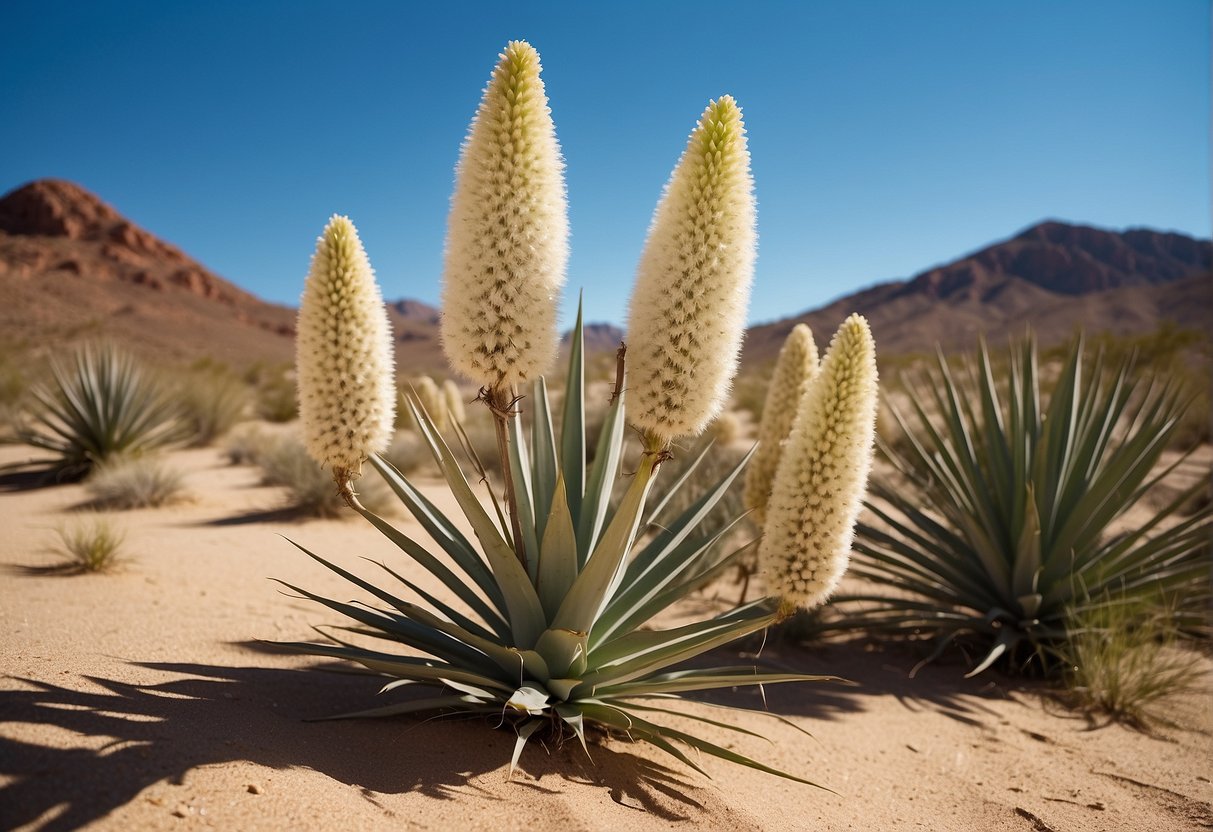
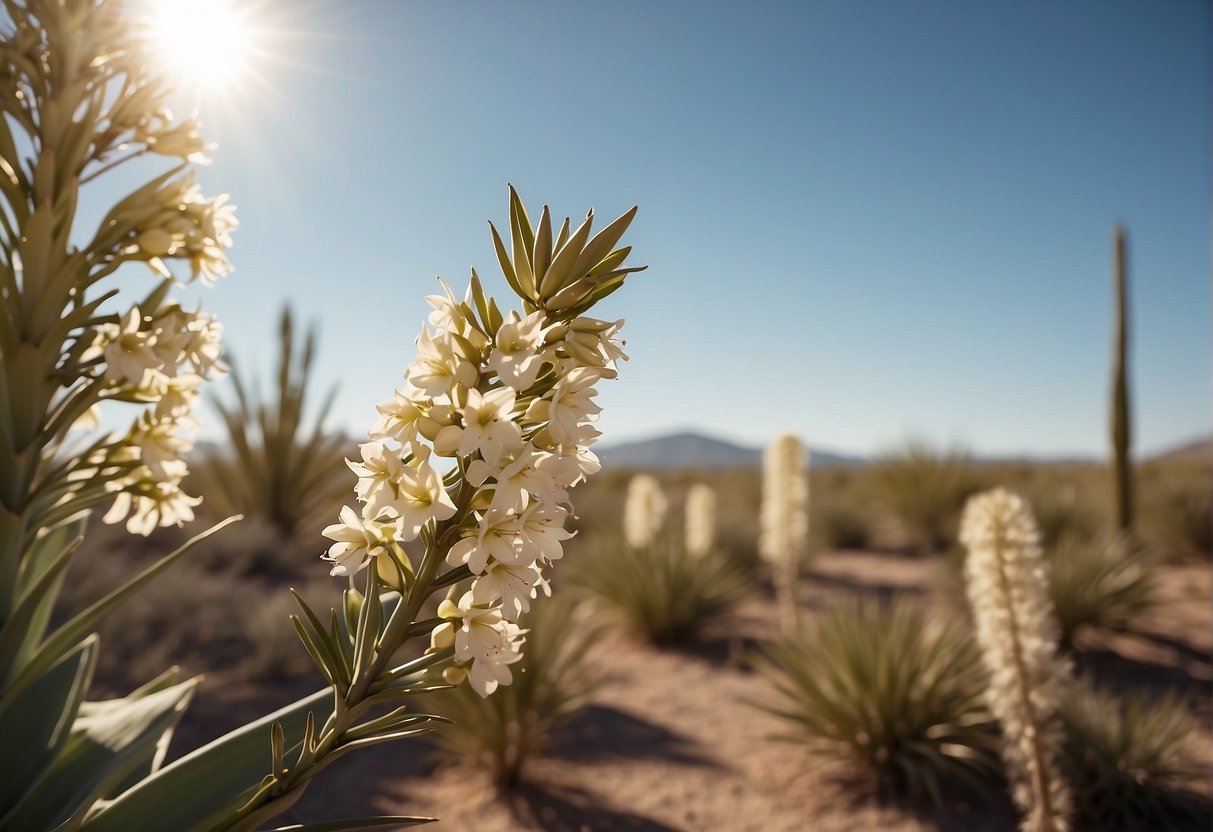
Yucca plants are known for their tall, spiky leaves and large, showy flowers. These plants typically bloom in the late spring or early summer, although the exact timing can vary depending on the species and growing conditions. By understanding the factors that influence yucca plant flowering, you can better care for these plants and enjoy their stunning blooms.
Key Takeaways
Yucca plants typically bloom in late spring or early summer.
Factors such as species and growing conditions can influence yucca plant flowering.
Understanding yucca plant biology can help you care for these plants and enjoy their blooms.
Understanding Yucca Plant Biology
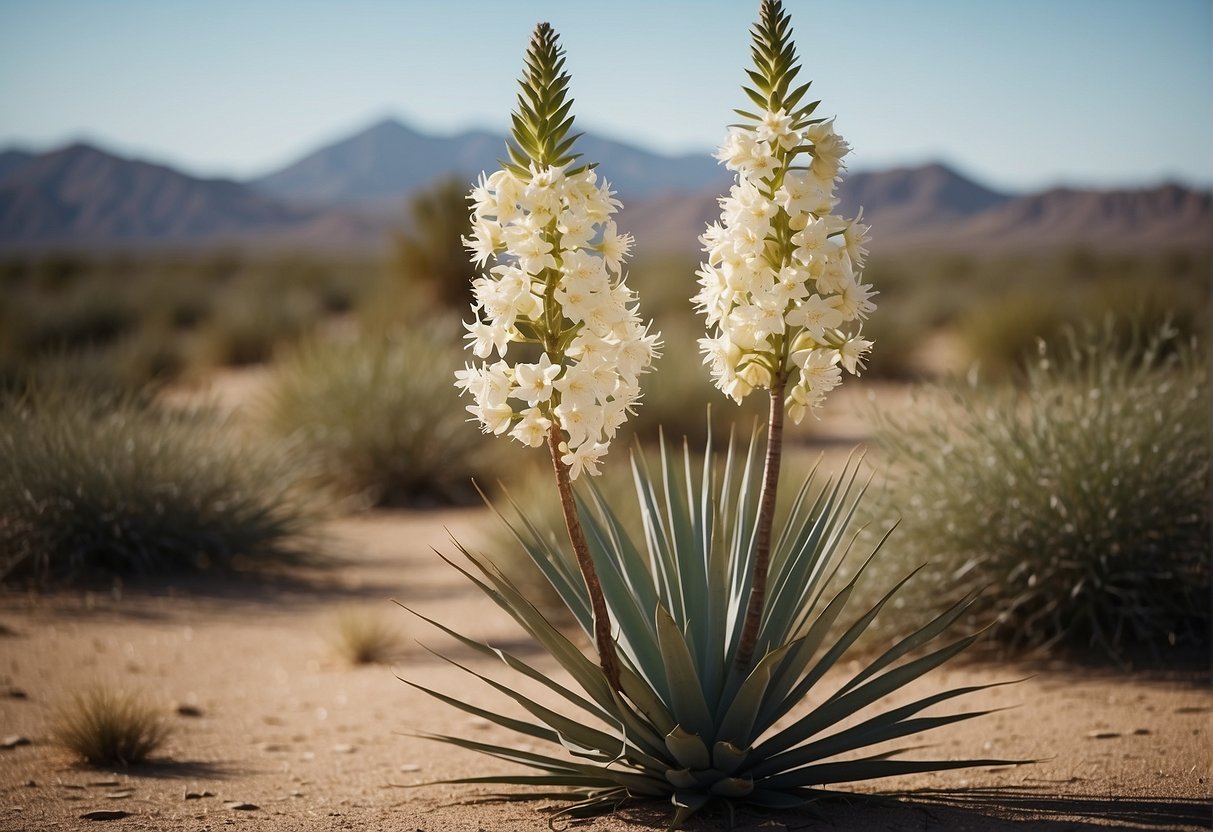
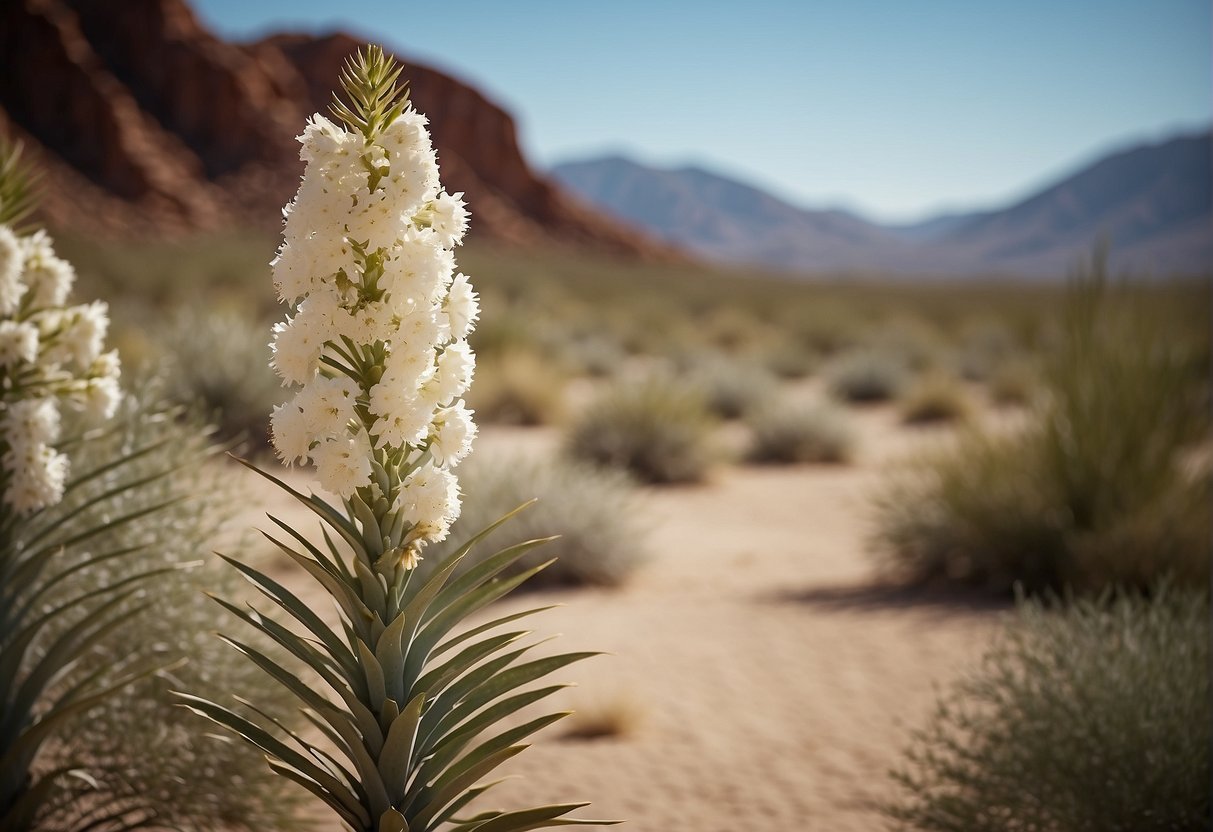
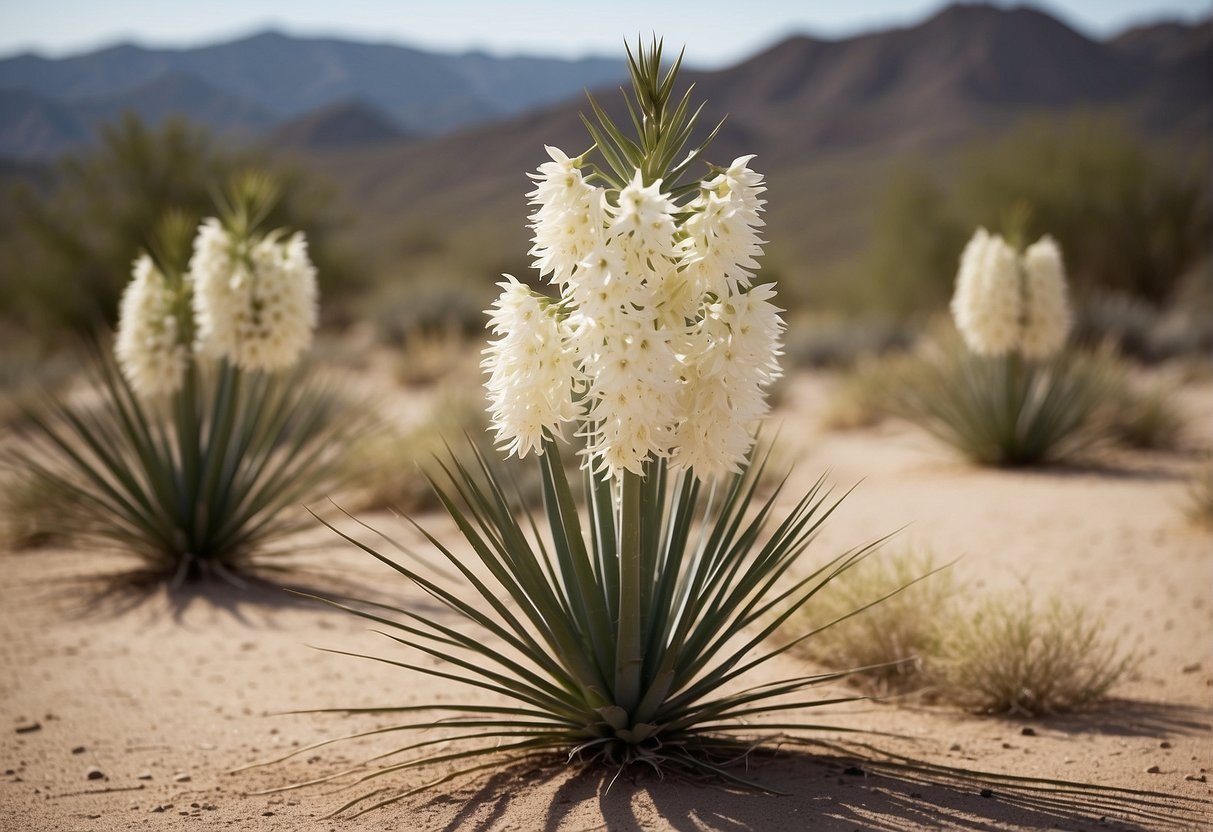
If you are interested in growing yucca plants, it is important to understand their biology. Yucca plants are native to hot and dry regions of North and Central America. They are known for their striking rosette of sword-shaped leaves and tall stalks of white flowers that bloom in the summer.
Anatomy of the Yucca
The yucca plant is a member of the agave family and has a similar appearance. The plant grows in a rosette pattern with long, sword-shaped leaves that can be up to several feet long. The leaves are thick and waxy, helping the plant to retain water in dry conditions.
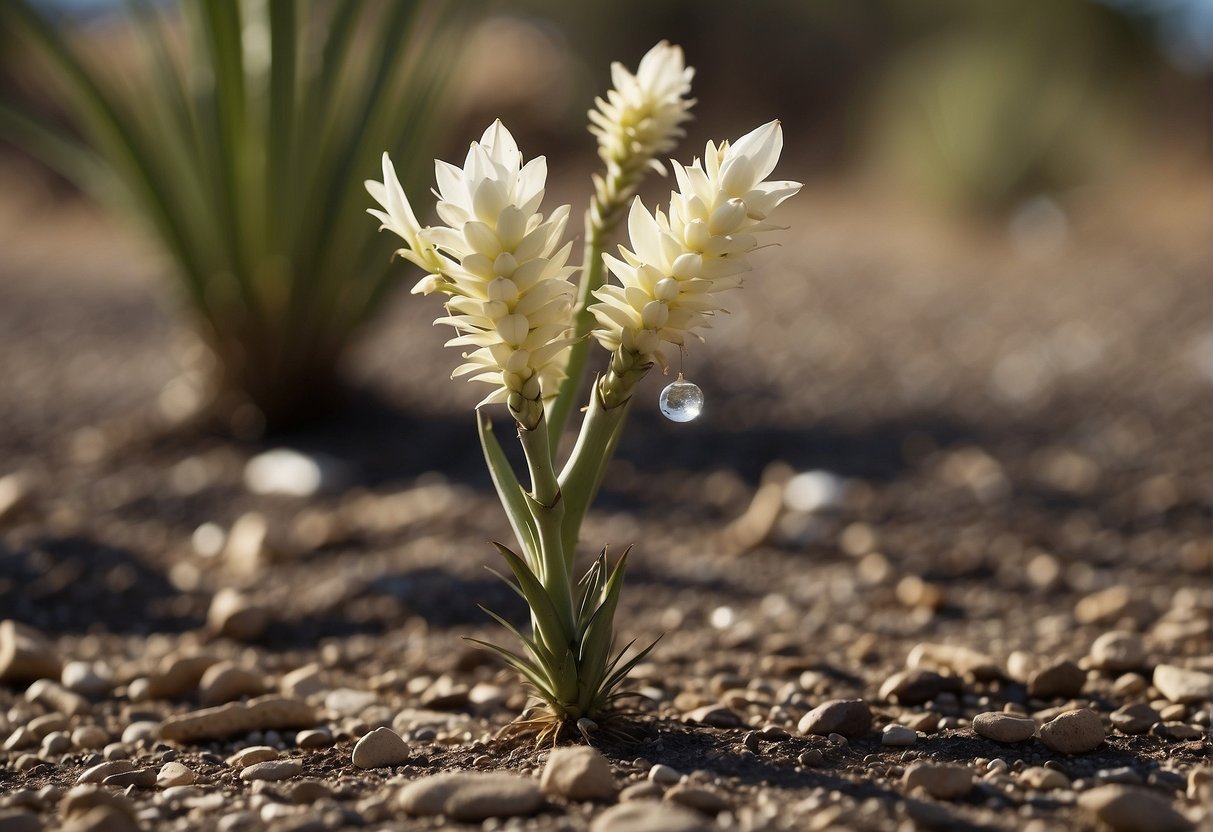
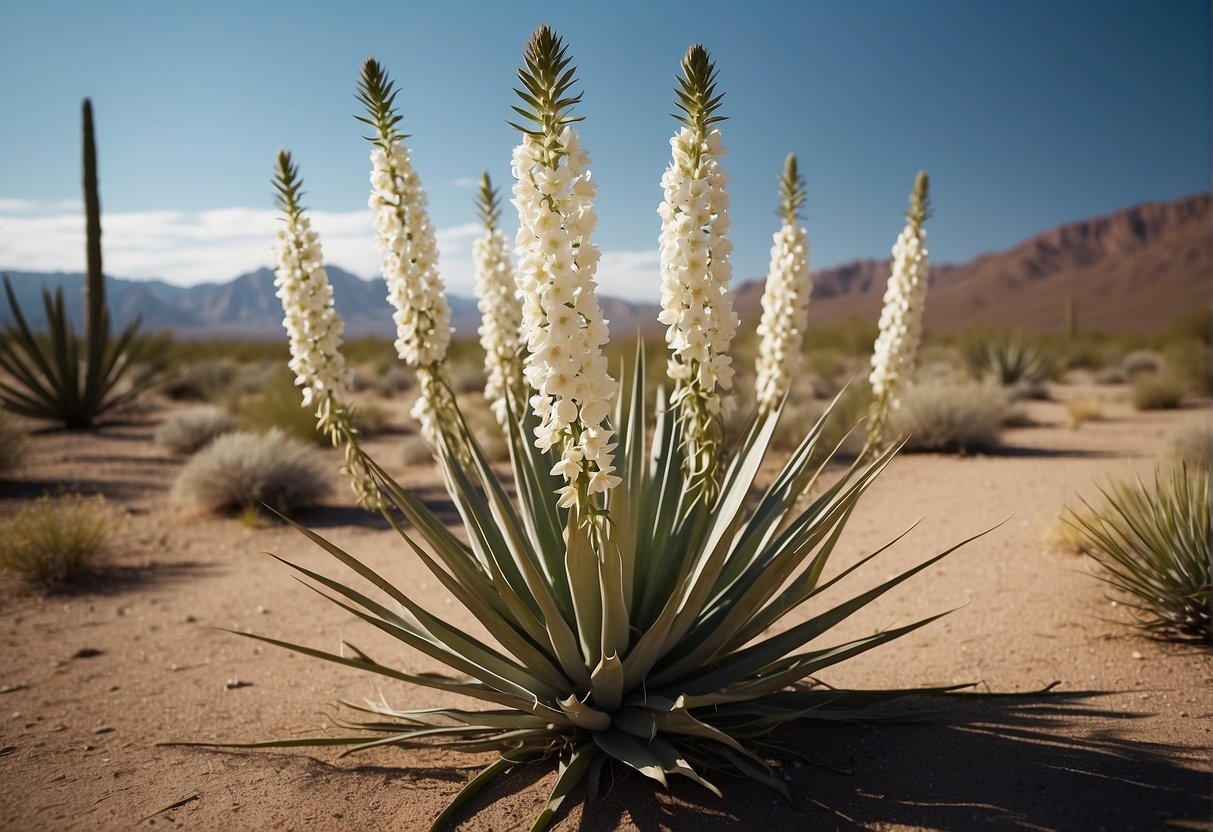
The stalk of the yucca plant can grow up to several feet tall and is topped with a cluster of white flowers. The flowers are bell-shaped and have a sweet fragrance that attracts moths for pollination. After the flowers have been pollinated, they will produce a fruit that contains seeds for new plants.
Yucca Plant Varieties
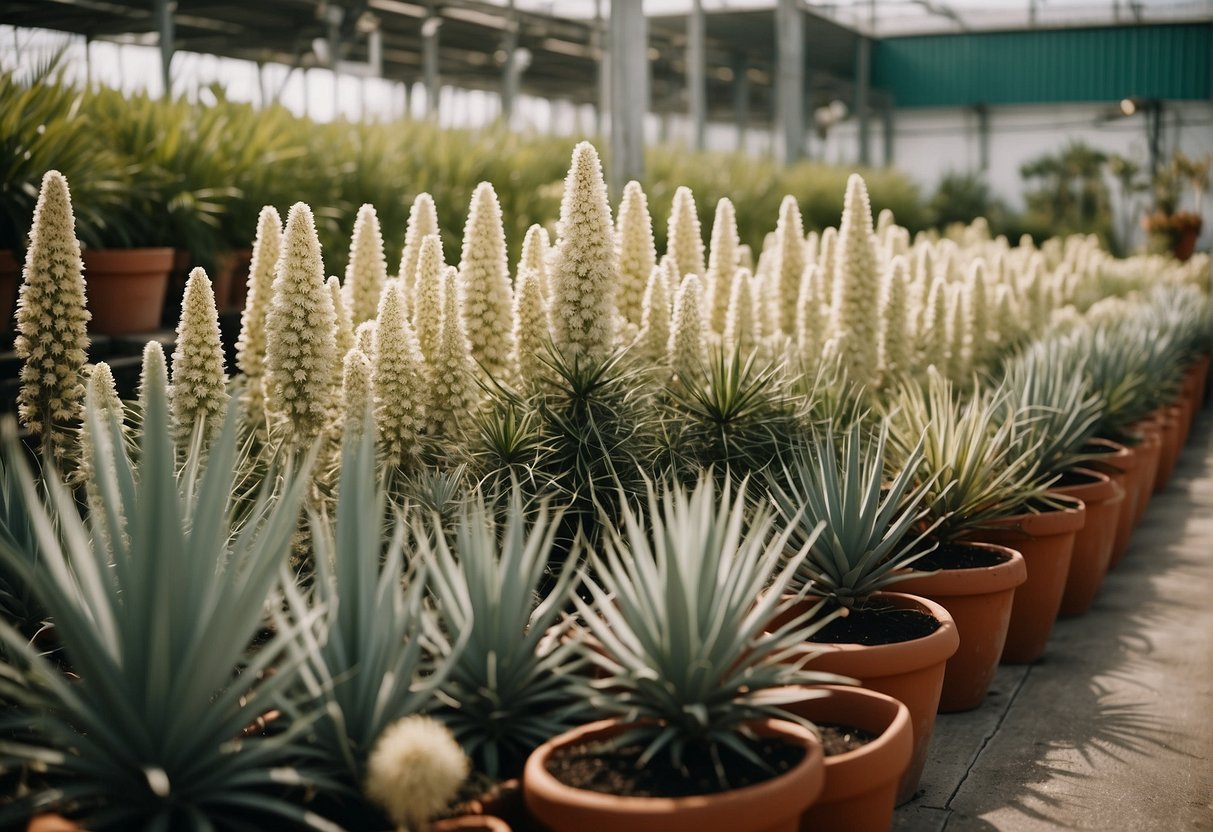
There are many different varieties of yucca plants, each with its own unique characteristics. Some of the most popular varieties include:
Yucca elephantipes: Also known as the spineless yucca, this variety has long, narrow leaves that grow in a rosette pattern. It can grow up to 30 feet tall and is often used as a houseplant.
Yucca filamentosa: This variety is also known as the Spanish bayonet and has long, sword-shaped leaves with white flowers that bloom in the summer.
Yucca aloifolia: Also known as the sword yucca, this variety has long, sword-shaped leaves that can grow up to several feet long. It produces white flowers in the summer.
Yucca baccata: This variety is also known as the banana yucca and has blue-green leaves with white flowers that bloom in the summer. It produces a fruit that is edible and was traditionally used by Native Americans for food.
Yucca rostrata: This variety is also known as the beaked yucca and has blue-green leaves with a tall stalk of white flowers that bloom in the summer. It is a slow-growing plant that can eventually reach up to 20 feet tall.
Other popular varieties of yucca plants include Adam’s needle, color guard, bright star, yucca flaccida, yucca gloriosa, and hesperaloe parviflora (also known as red yucca).
Understanding the biology of yucca plants can help you to grow them successfully. By providing the right growing conditions and care, you can enjoy the striking beauty of these unique plants.
Caring for Yucca Plants
Yucca plants are a great addition to any garden or home. They are low-maintenance plants that require minimal care and attention. However, to ensure that your yucca plant thrives, there are a few things you need to keep in mind.
Optimal Growing Conditions
Yucca plants are native to hot and dry regions of North and South America. They thrive in full sun and hot temperatures, but can also tolerate some shade. Yucca plants prefer well-draining soil and are drought-tolerant, so be sure not to overwater them. They also prefer low humidity levels.
When planting yucca plants, be sure to choose a location that receives at least six hours of direct sunlight per day. If you live in a colder climate, choose a cold-hardy yucca plant that can survive in USDA zones 4-9.
Maintenance and Troubleshooting
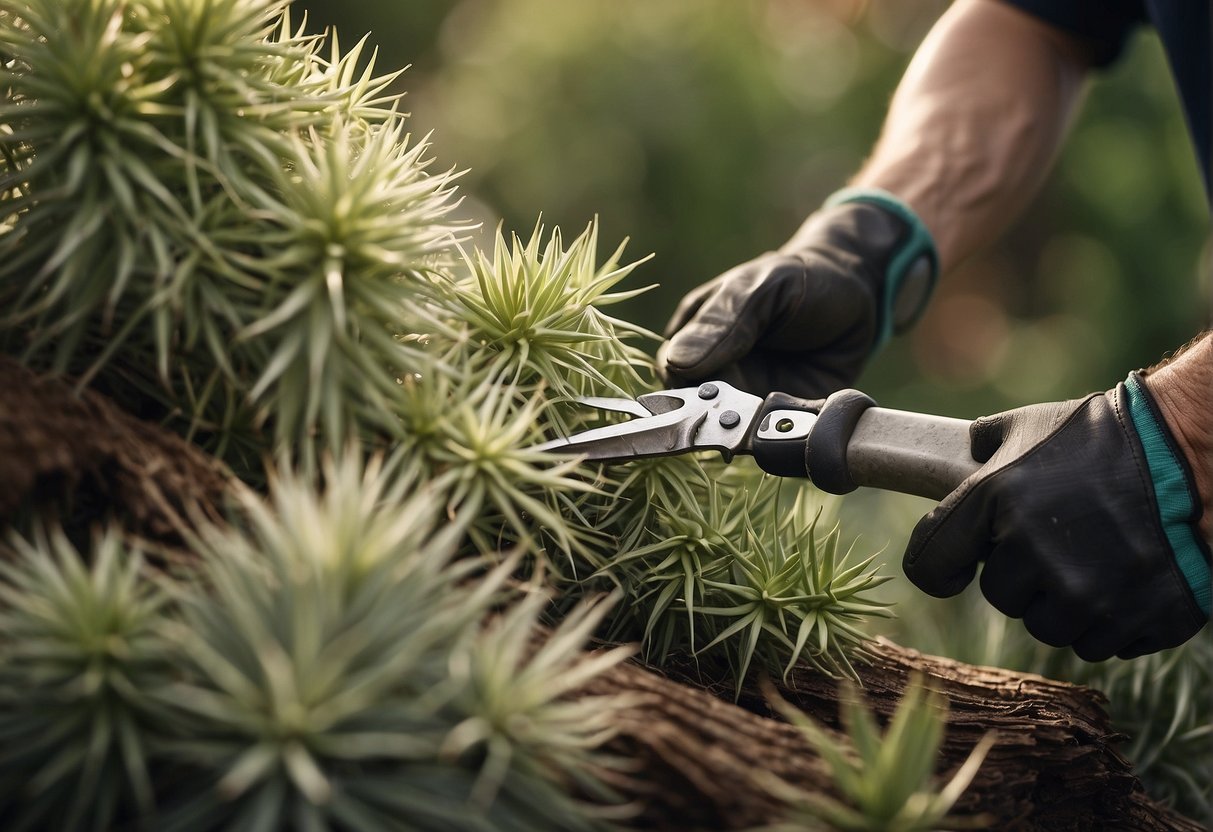
Maintenance of yucca plants is relatively easy. They require minimal pruning, but you can remove any dead or damaged leaves to keep the plant looking neat. Yucca plants are susceptible to root rot, so be sure to plant them in well-draining soil and avoid overwatering.
Water your yucca plant sparingly, allowing the soil to dry out between waterings. Fertilize your yucca plant once a year in late spring with a balanced fertilizer to provide it with the necessary nutrients.
Yucca plants are generally pest-resistant, but can occasionally attract mealybugs and scale. If you notice any pests on your plant, remove them with a cotton swab dipped in rubbing alcohol.
Yucca plants bloom in late spring or early summer, producing tall flower spikes that can reach up to 8 feet tall. Be patient, as it can take several years for a yucca plant to bloom.
In conclusion, yucca plants are low-maintenance, drought-tolerant, and make great ornamental plants for gardens or homes. With proper care and maintenance, your yucca plant will thrive and add beauty to your space.
Frequently Asked Questions
What conditions are necessary for yucca plants to bloom?
Yucca plants require plenty of sunlight and well-draining soil to bloom. They also need a period of cold temperatures to stimulate flower production. In general, yucca plants prefer dry climates and do not tolerate excessive moisture or humidity.
How often can one expect a yucca plant to produce flowers?
Yucca plants typically produce flowers once a year, although some species may bloom more frequently. The timing of the bloom can vary depending on the species and growing conditions.
Are yucca plant flowers edible, and if so, how are they used?
Yes, yucca plant flowers are edible and have been used as a food source by Native Americans for centuries. The flowers can be eaten raw or cooked and have a slightly sweet taste. They can be used in salads, soups, or as a garnish.
What does it indicate about a yucca plant’s health when it flowers?
Yucca plants typically flower when they are healthy and mature enough to produce flowers. However, the absence of flowers does not necessarily indicate a problem with the plant’s health. Factors such as growing conditions and species can affect when a yucca plant flowers.
At what age or stage of growth do yucca plants typically start flowering?
Yucca plants typically start flowering when they reach maturity, which can vary depending on the species and growing conditions. Some species may start flowering as early as two years old, while others may take several years to reach maturity.
Why might a yucca plant fail to produce flowers?
Yucca plants may fail to produce flowers if they are not receiving enough sunlight, are overwatered, or are not exposed to cold temperatures during the winter months. Additionally, some species may require cross-pollination from a specific type of moth to produce flowers.
Hi Lovelies ! I made this blog to share my tips about Home Improvement, Children, Pets, Food, Gadgets, Automotive, Health & Beauty, and ways to be frugal while maintaining a natural lifestyle. Interested to be a Guest Blogger on my website? Please email me at: [email protected]