Home » Blog » How Often to Water Yucca Plants in Southern California: Expert Advice
How Often to Water Yucca Plants in Southern California: Expert Advice
December 30, 2024
If you are an enthusiast of plants residing in Southern California, you might be curious about the frequency of watering yucca plants. Known for their resilience, yuccas still need appropriate care for optimal growth. Both excessive watering and insufficient watering can result in issues such as root rot or inhibited growth. This article will delve into the optimal watering techniques for yucca plants in Southern California.
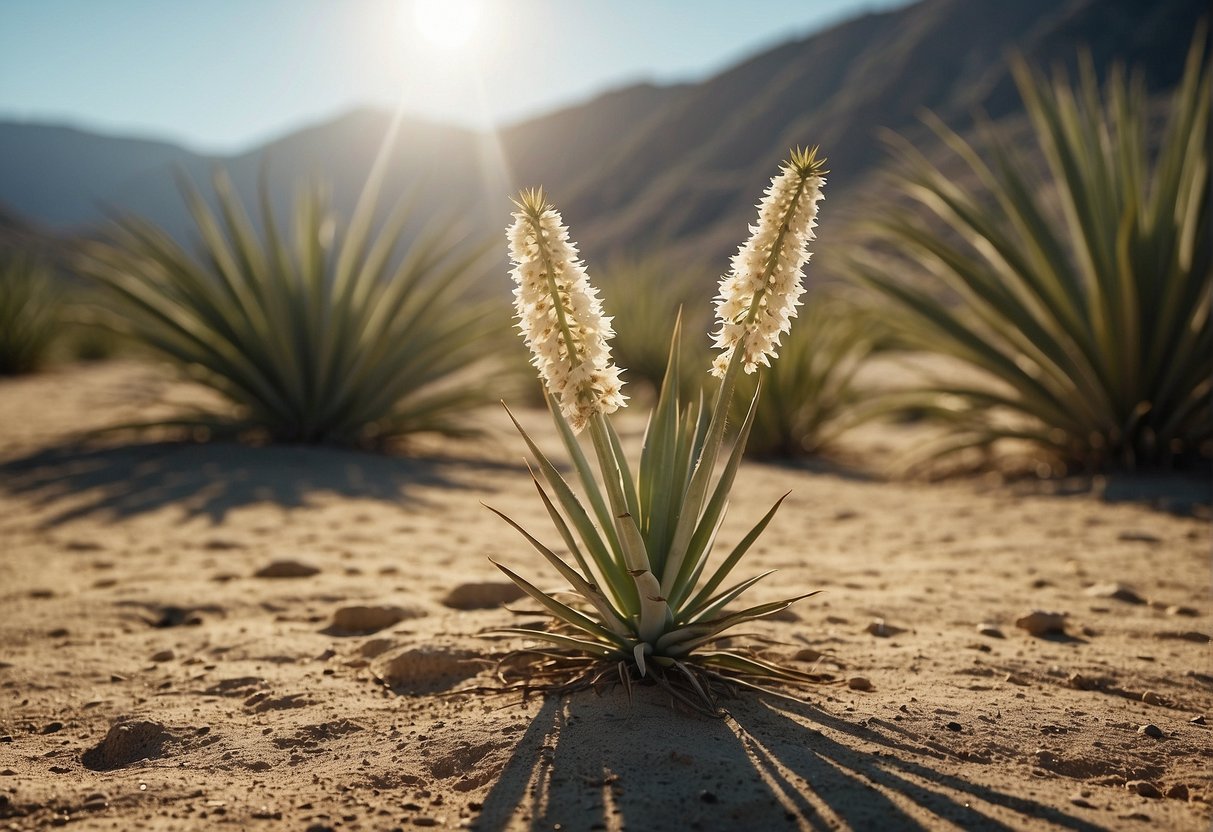
To understand how often you should water your yucca plant, it’s important to first understand its needs. Yuccas are native to desert regions, where they have adapted to survive in hot and dry conditions. As a result, they are able to tolerate drought and don’t require frequent watering. However, they do need some moisture to grow and thrive. The key is to find the right balance between providing enough water and avoiding overwatering.
When it comes to watering yucca plants in Southern California, there are a few factors to consider, such as the climate, soil type, and the age of the plant. In general, yuccas should be watered deeply but infrequently. This means giving them a good soaking and then allowing the soil to dry out before watering again. The frequency of watering will depend on these factors, as well as the size and location of your plant.
Key Takeaways
Yucca plants are hardy but require proper care to thrive.
Yuccas are native to desert regions and can tolerate drought, but still need some moisture to grow.
Water yucca plants in Southern California deeply but infrequently, and adjust the frequency based on factors like climate, soil type, and plant size.
Understanding Yucca Plant Needs
Yucca plants are known for their drought-resistant and hardy nature, making them a popular choice for gardens and indoor decor. However, to ensure that your yucca plants thrive, it is important to understand their specific needs.
Climate and Environmental Factors
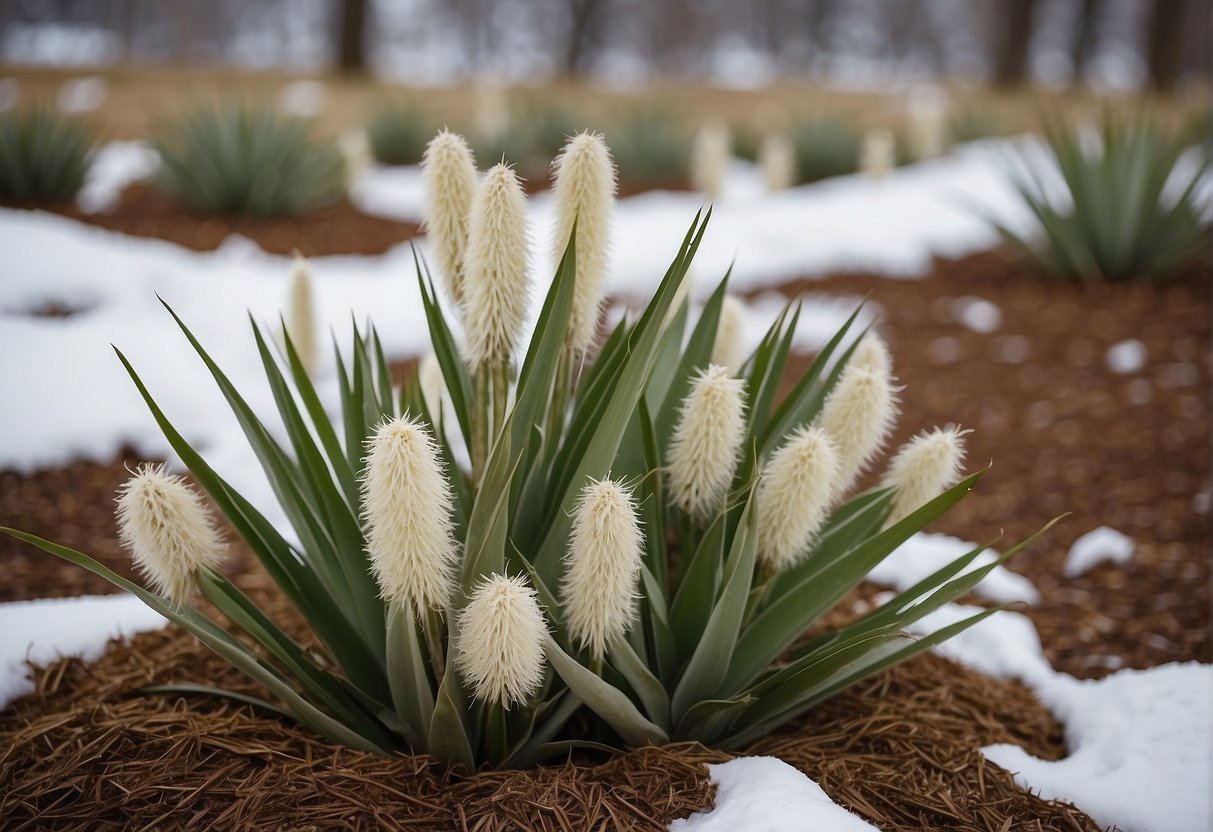
Yuccas are native to arid regions and are well adapted to hot and dry climates. In Southern California, yucca plants can grow in a range of temperatures and humidity levels. They thrive in full sunlight and can tolerate high temperatures, but they may struggle in areas with high humidity.
Soil and Drainage Requirements
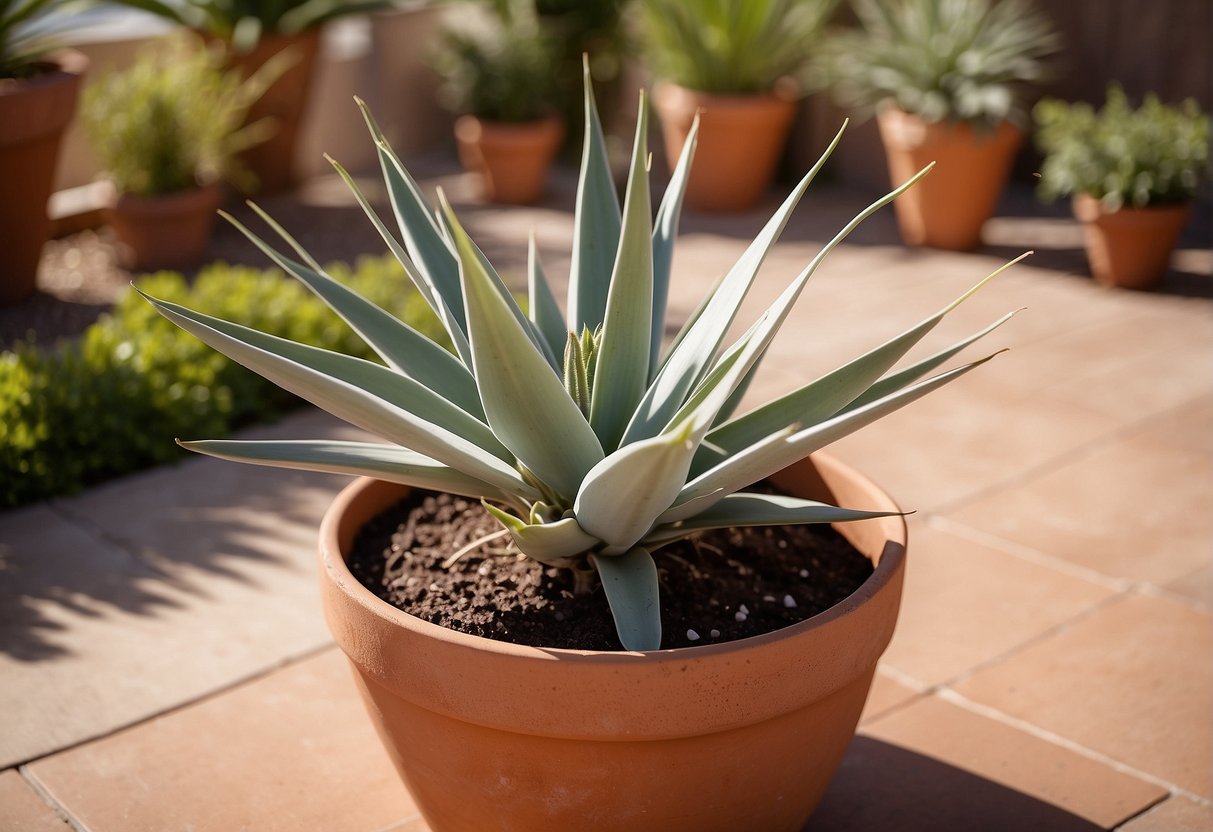
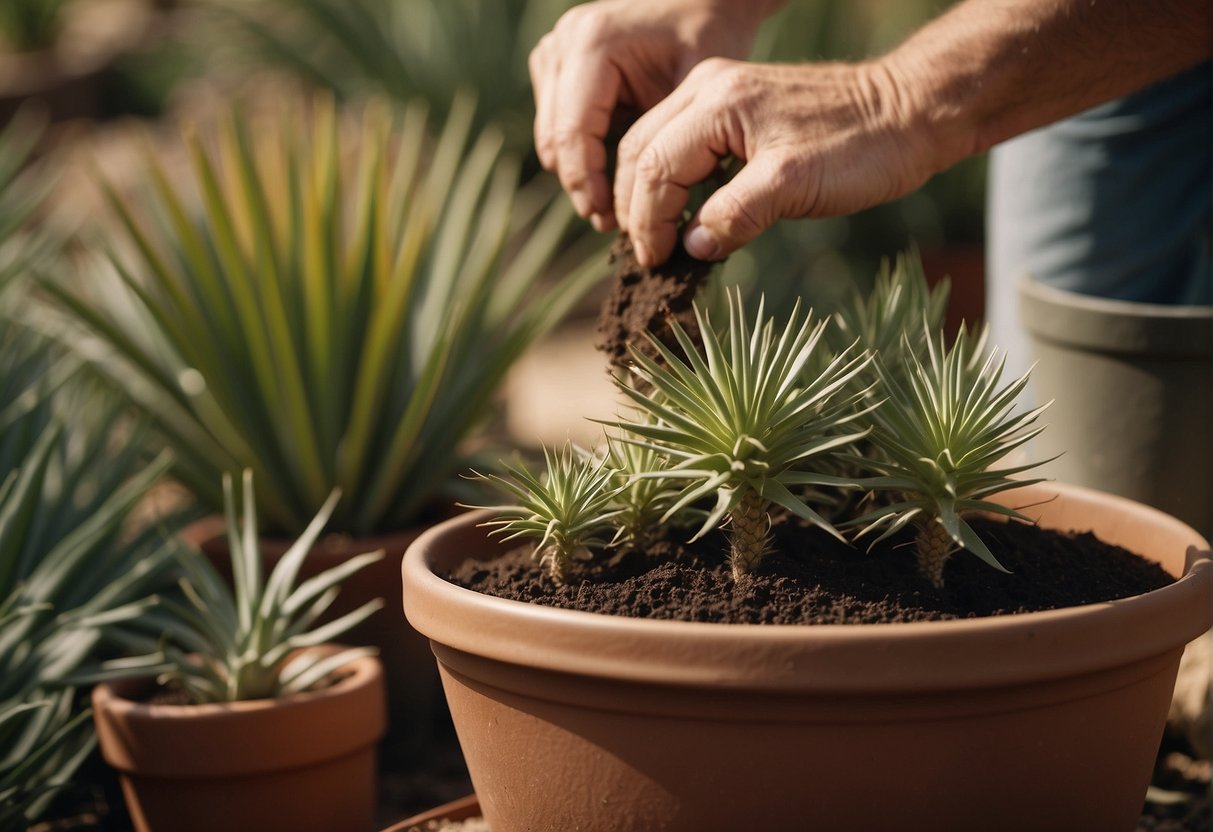
Yucca plants require well-draining soil to prevent root rot. A soil mix that includes sand, perlite, and grit is ideal for yuccas. Additionally, adding compost to the soil can provide nutrients for the plant. When planting yuccas in pots, ensure that the potting mix has good drainage and that there are drainage holes at the bottom of the pot. Horticultural sand can also be added to the potting mix to improve drainage.
In conclusion, understanding the needs of your yucca plant is crucial for its growth and maintenance. By providing the appropriate soil type and drainage, as well as taking into account climate and environmental factors, you can ensure that your yucca plant thrives in Southern California.
Watering Yucca Plants in Southern California
Yucca plants are known for their hardiness and ability to thrive in arid conditions. However, proper watering is still crucial for their growth and overall health. In Southern California, where the climate is predominantly warm and dry, it’s important to create an optimal watering schedule to ensure your yucca plant develops a robust root system and stays healthy.
Creating an Optimal Watering Schedule
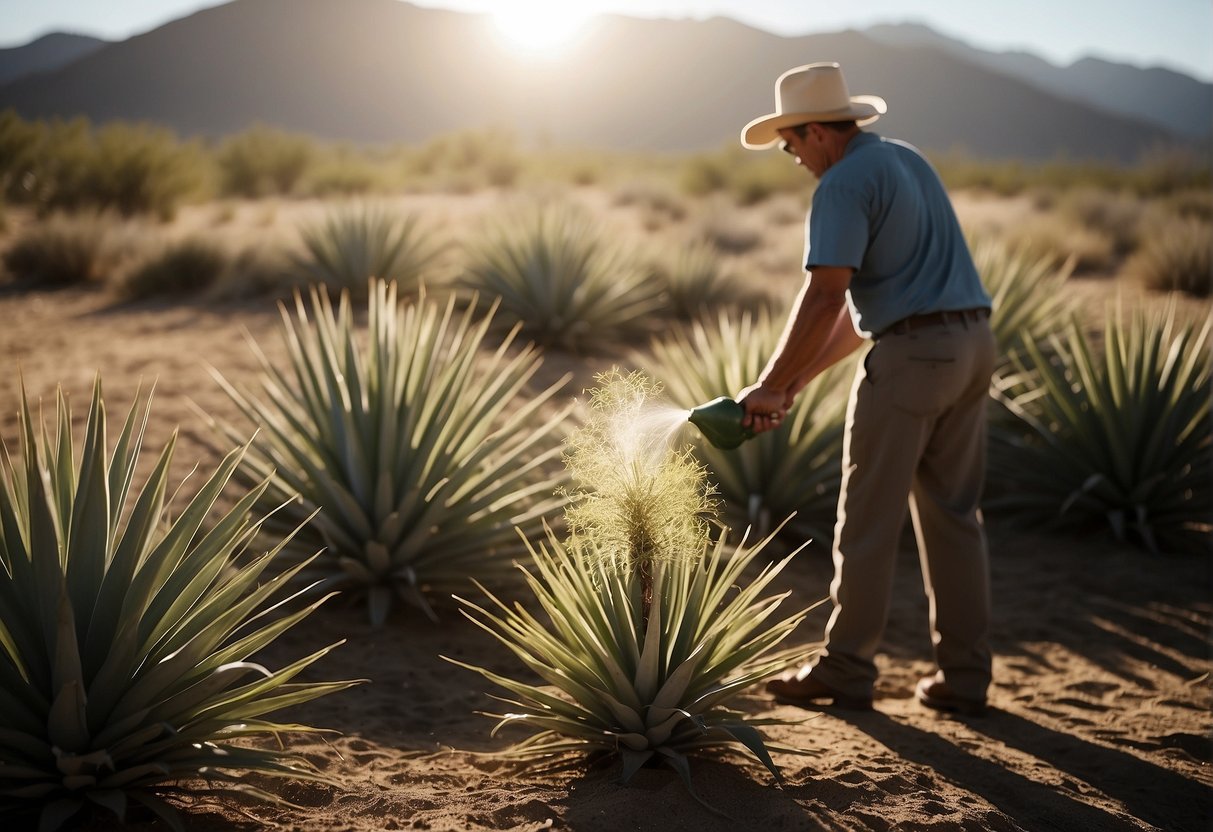
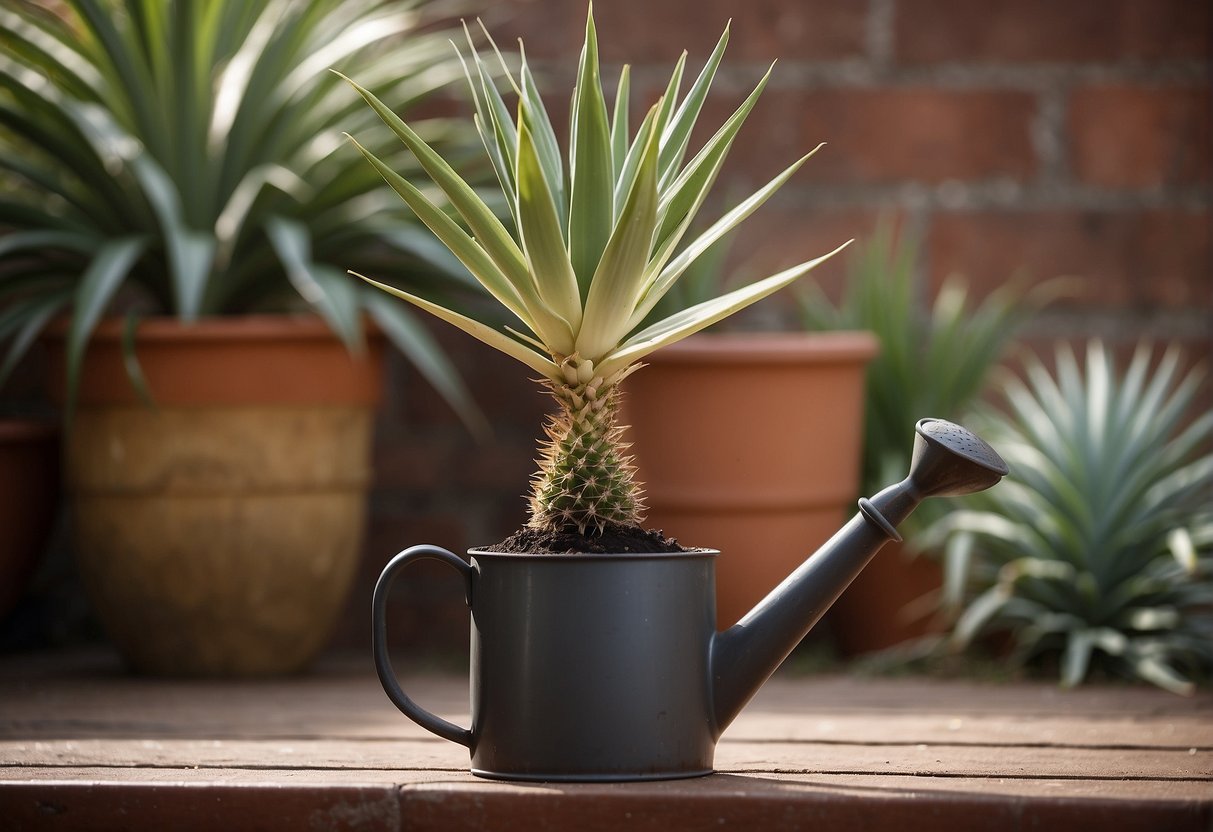
The frequency of watering your yucca plant depends on a few factors, such as the time of year, the size of the plant, and the type of soil. During the summer months, when temperatures are high and the air is dry, you may need to water your yucca plant more often than during the winter months. As a general rule, it’s best to water your yucca plant deeply and infrequently rather than giving it small amounts of water frequently. This helps promote root growth and prevent water-related issues such as root rot and mold.
To determine if your yucca plant needs watering, you can use the finger test. Stick your finger about an inch deep into the soil around the plant. If the soil feels dry, it’s time to water. If it feels moist, wait a few more days before watering.
Signs of Overwatering and Underwatering
Overwatering and underwatering can both be detrimental to your yucca plant’s health. Signs of overwatering include mushy or yellow leaves, wilting, and a foul odor coming from the soil. Signs of underwatering include dry soil, drooping leaves, and brown leaf tips.
Preventing Common Water-Related Issues
To prevent common water-related issues such as root rot and stem rot, it’s important to avoid watering your yucca plant too often. Make sure the soil around the plant has good drainage and isn’t waterlogged. If you notice any signs of disease, such as mold or fungus, you can use a fungicide to treat the affected areas.
In summary, watering your yucca plant in Southern California requires a bit of attention and care. By creating an optimal watering schedule, keeping an eye out for signs of overwatering and underwatering, and preventing common water-related issues, you can ensure your yucca plant stays healthy and thrives in its environment.
Frequently Asked Questions
What is the ideal watering schedule for outdoor yucca plants in a dry climate?
Yucca plants are drought-tolerant, making them ideal for Southern California’s dry climate. However, they still need water to thrive. The ideal watering schedule for outdoor yucca plants is once every two weeks during the growing season (spring and summer) and once a month during the dormant season (fall and winter).
Can overwatering affect yucca plants, and how can I identify it?
Yes, overwatering can affect yucca plants. Overwatering can cause root rot, which can kill the plant. Signs of overwatering include yellowing leaves, mushy stems, and a foul odor coming from the soil.
What are the water requirements for yucca plants during the summer months?
During the summer months, yucca plants need more water than during the dormant season. Water your outdoor yucca plants deeply once every two weeks, making sure the soil is dry before watering again.
How can I tell if my yucca plant needs watering?
You can tell if your yucca plant needs watering by checking the soil. Stick your finger into the soil about an inch deep. If the soil feels dry, it’s time to water your plant. If the soil feels moist, wait a few more days before checking again.
What’s the best way to care for yucca plants indoors with respect to watering?
Indoor yucca plants should be watered once every three weeks, making sure the soil is dry before watering again. Yucca plants are sensitive to overwatering, so be careful not to water them too often.
How should I adjust my yucca plant’s watering routine in the winter?
During the winter, yucca plants go dormant and require less water. Water your outdoor yucca plants once a month and your indoor yucca plants once every four weeks. Make sure the soil is dry before watering again.
Hi Lovelies ! I made this blog to share my tips about Home Improvement, Children, Pets, Food, Gadgets, Automotive, Health & Beauty, and ways to be frugal while maintaining a natural lifestyle. Interested to be a Guest Blogger on my website? Please email me at: [email protected]