
If exploring the world of botany piques your interest, you’ve likely stumbled upon the terms agave and yucca. It’s common to mix up these two plants, however, they are distinct from one another. In this piece, we’ll delve into what sets agave and yucca plants apart and highlight their individual traits.
Agave and yucca are both members of the Asparagaceae family, but they belong to different genera. Agave plants are native to Mexico, while yucca plants are found throughout the Americas. Although they may look similar at first glance, there are several key differences between these two plants. In the following paragraphs, we will delve into the botanical characteristics of agave and yucca, as well as their ecological and cultural significance.
Key Takeaways
- Agave and yucca are often confused for one another, but they are actually quite different plants.
- Agave plants are native to Mexico, while yucca plants are found throughout the Americas.
- Understanding the differences between agave and yucca can help you appreciate the unique characteristics of each plant.
Botanical Characteristics
Distinctive Features
Agave and yucca plants belong to the Asparagaceae family and share some similarities in their botanical characteristics. However, they also have some distinctive features that set them apart.
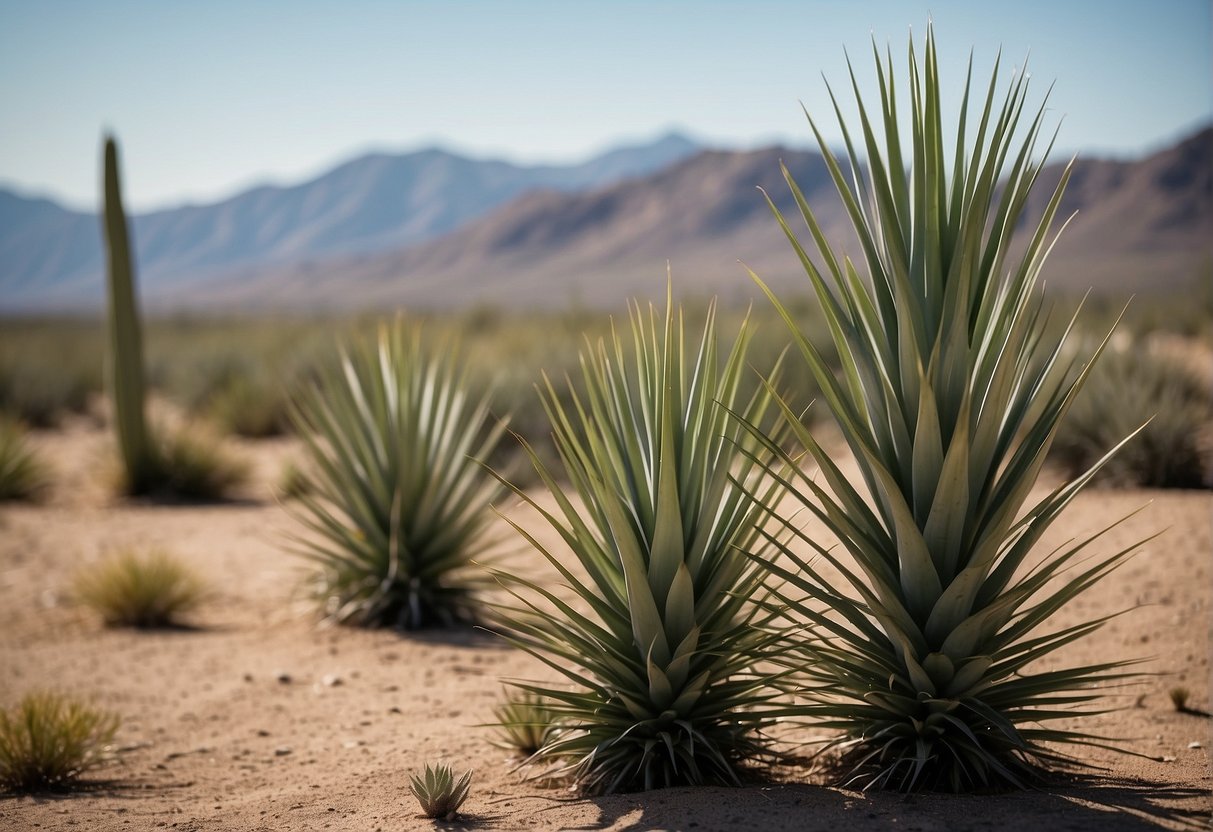
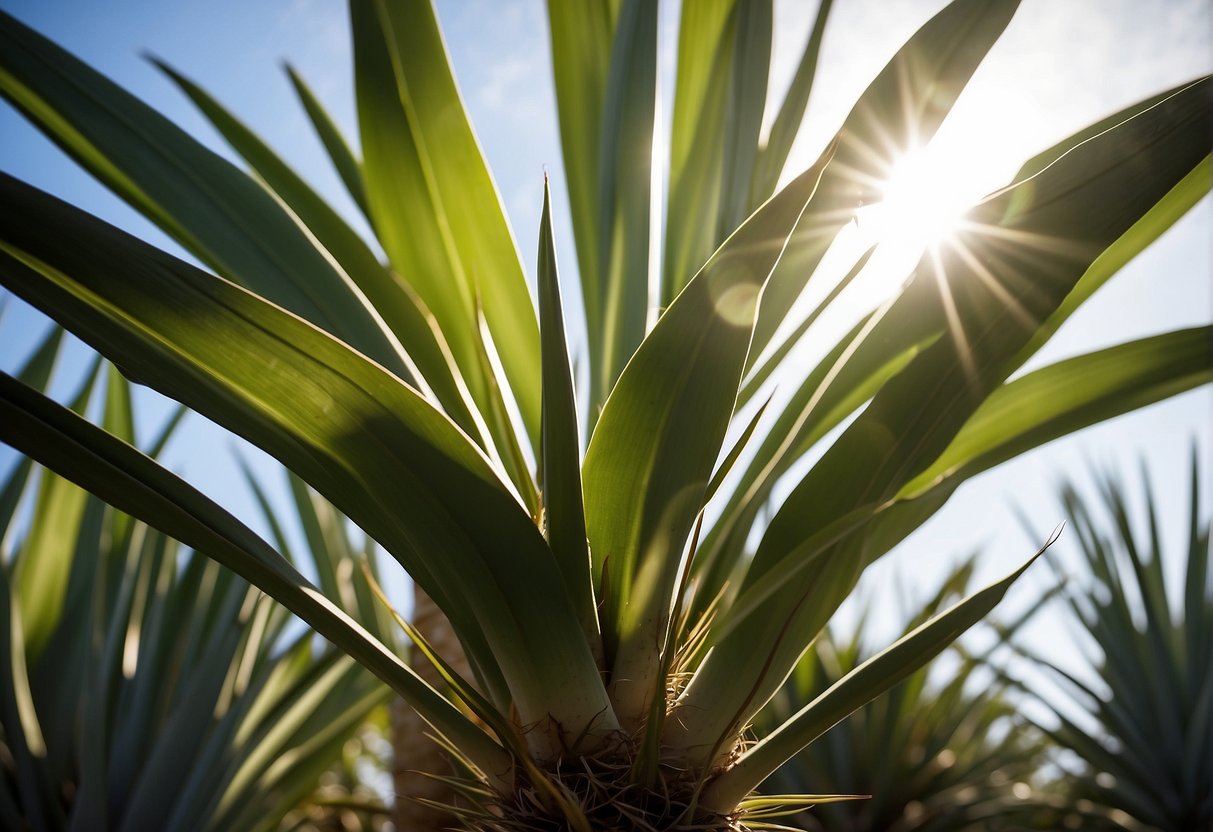
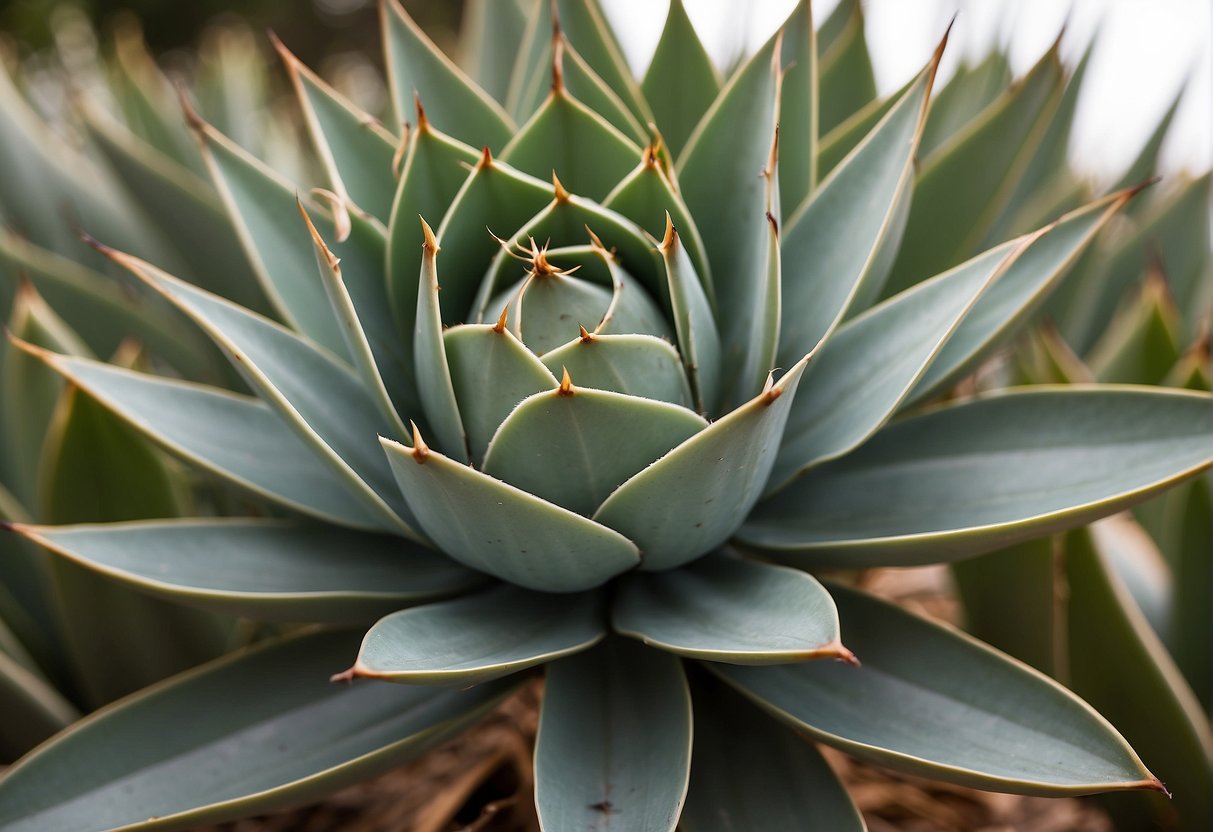
One of the most noticeable differences is the growth habit and structure of the plants. Agaves typically grow in a rosette pattern with thick, succulent leaves that are arranged in a spiral. In contrast, yucca plants have a more upright growth habit with long, sword-shaped leaves that are often clustered at the base of the plant.
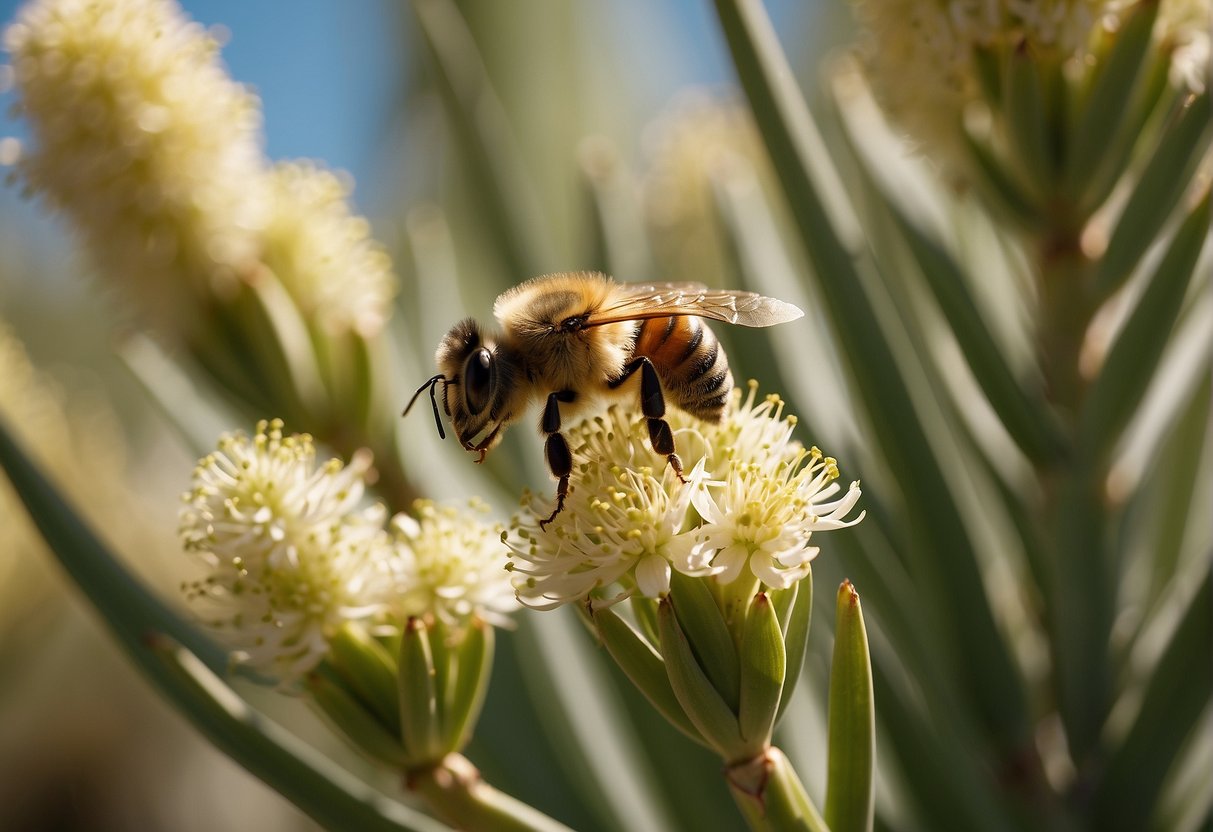
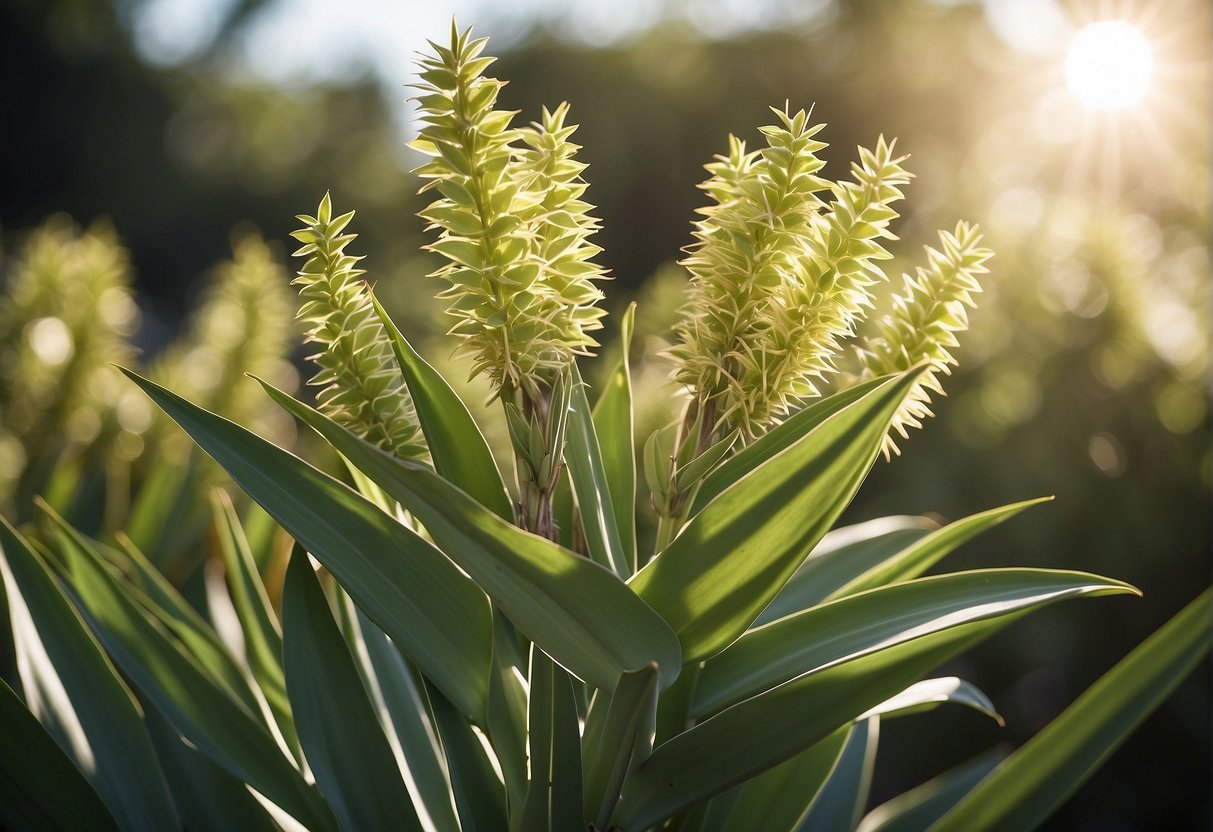
Another distinctive feature of agave plants is their flowering. Most agave species are monocarpic, meaning they bloom only once in their lifetime, usually after several years of growth. This is in contrast to yucca plants, which typically produce multiple flower stalks over the course of their lifespan.
Growth Habit and Structure
Agave and yucca plants have different growth habits and structures that make them easy to distinguish from one another. Agaves have a short, thick trunk that is usually hidden by the leaves. The leaves themselves are thick and fleshy, with serrated edges and a pointed tip. The color of the leaves can vary from green to blue-gray, and some species have variegated patterns.
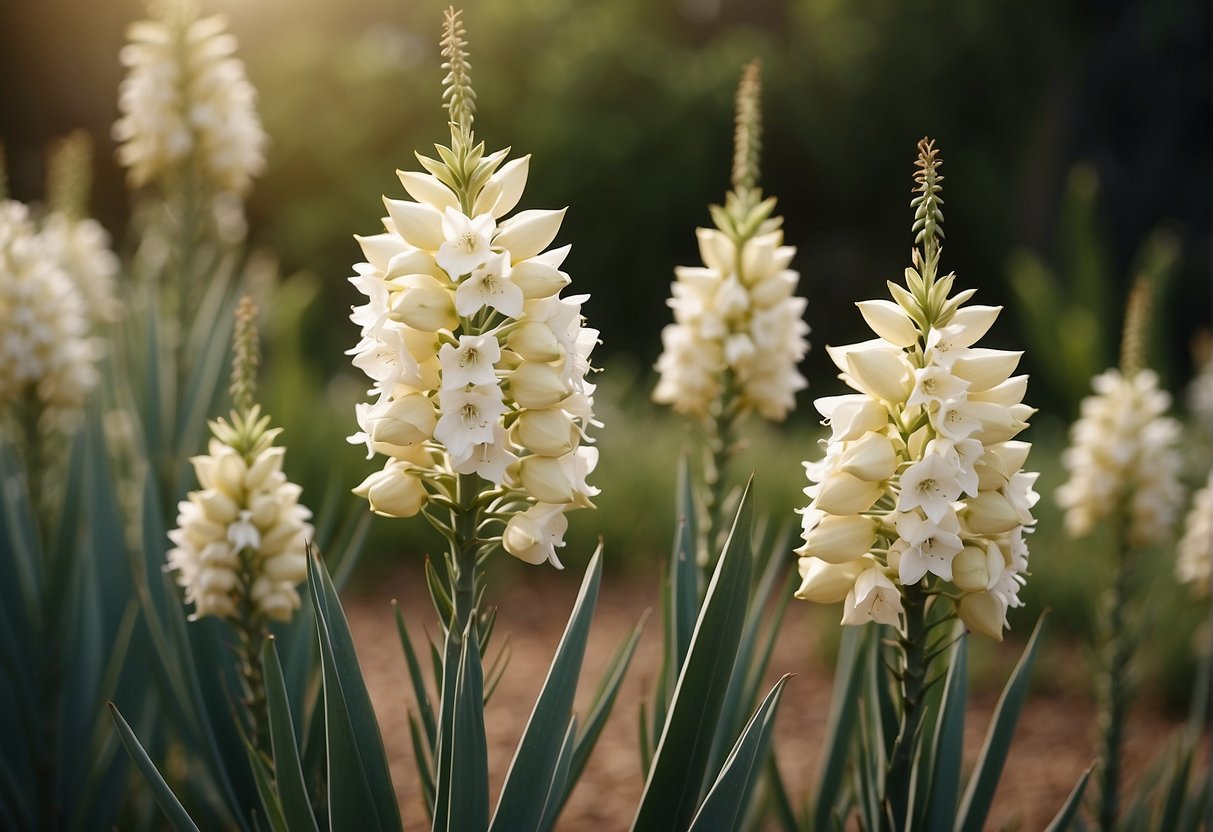
In contrast, yucca plants have a tall, single stalk that can reach up to several feet in height. The leaves are long and narrow, with a pointed tip and a sharp spine along the edges. The flowers of yucca plants are bell-shaped and typically white or cream-colored.
Overall, while agave and yucca plants share some similarities in their botanical characteristics, there are also several distinctive features that set them apart. Understanding these differences can help you identify these plants and appreciate their unique beauty.
Ecological and Cultural Significance
Environmental Adaptations
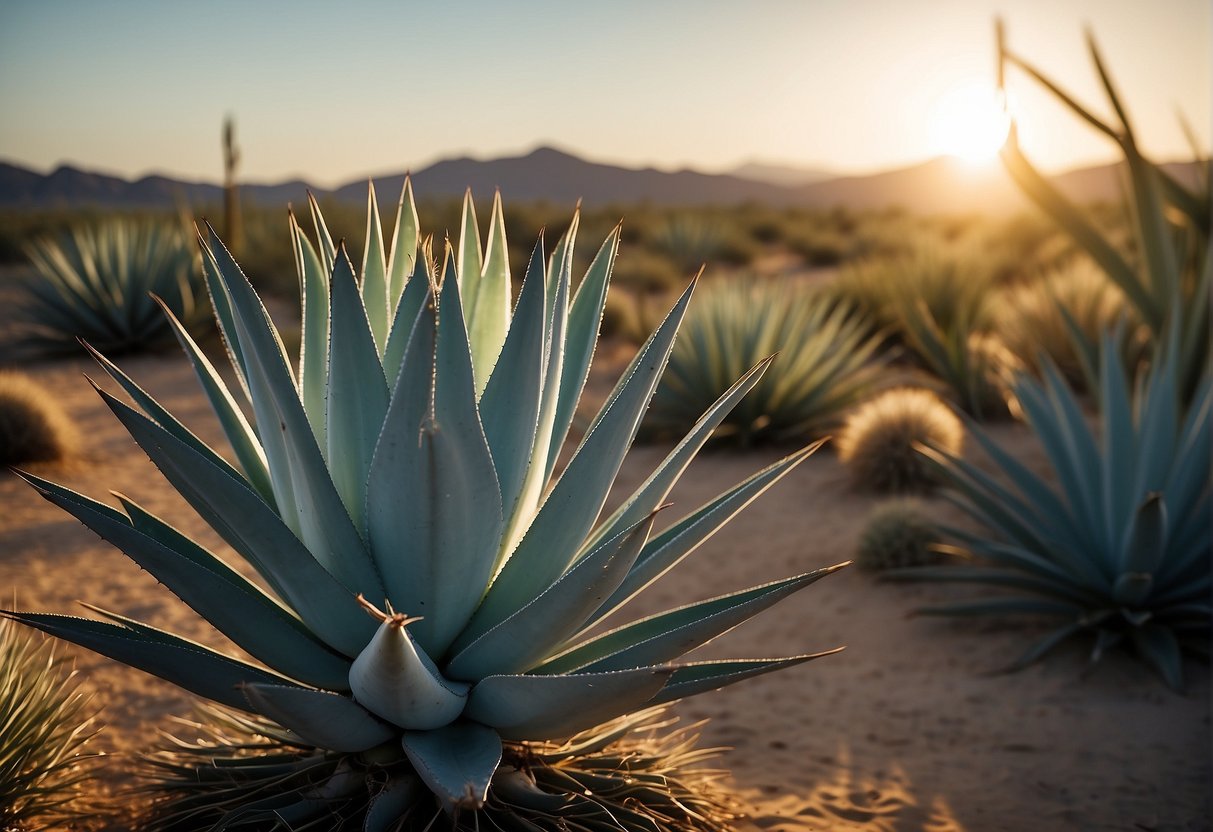
Agave and yucca plants are both adapted to thrive in arid and semi-arid environments. These plants are native to various regions in the Americas, including the Mojave Desert, Great Plains, and Arizona. They prefer full sun and well-draining soil, and are drought tolerant. Yuccas have evolved to grow in elevations ranging from sea level to 10,000 feet, while agave plants are found at lower elevations.
Yuccas have adapted to dry conditions by developing long, tough leaves with sharp teeth and spines to protect them from herbivores. Some yucca species, such as the spineless yucca (Yucca aloifolia) and the Spanish bayonet (Yucca gloriosa), have white flowers that bloom in the summer. Agave plants have adapted to hot and dry conditions by storing water in their thick leaves.
Uses and Applications
Both agave and yucca plants have been used for various purposes by indigenous peoples for centuries. Yucca fibers have been used to make rope, baskets, and clothing, while the roots have been used for soap and shampoo. The flowering stem of the yucca plant can be eaten, and the seeds can be ground into flour.
Agave plants are known for their use in making tequila, but they have also been used for food, medicine, and fiber. The sap from the agave plant can be used as a natural sweetener, while the leaves can be used to make a variety of products, including baskets, mats, and paper.
In addition to their practical uses, agave and yucca plants are often used in landscaping for their tropical look and low-maintenance requirements. Yuccas such as the Adam’s needle (Yucca filamentosa), the giant Spanish dagger (Yucca faxoniana), and the soaptree yucca (Yucca elata) are popular choices for gardens and xeriscaping projects. Agave plants such as the sotol (Dasylirion) and the beargrass (Nolina) are also popular in landscaping.
Overall, agave and yucca plants are important ecologically and culturally. They have adapted to thrive in harsh environments and have been used for various purposes by indigenous peoples for centuries. Today, they are still valued for their practical uses and aesthetic appeal.
Frequently Asked Questions
How can one distinguish between an agave and a yucca when observing these plants?
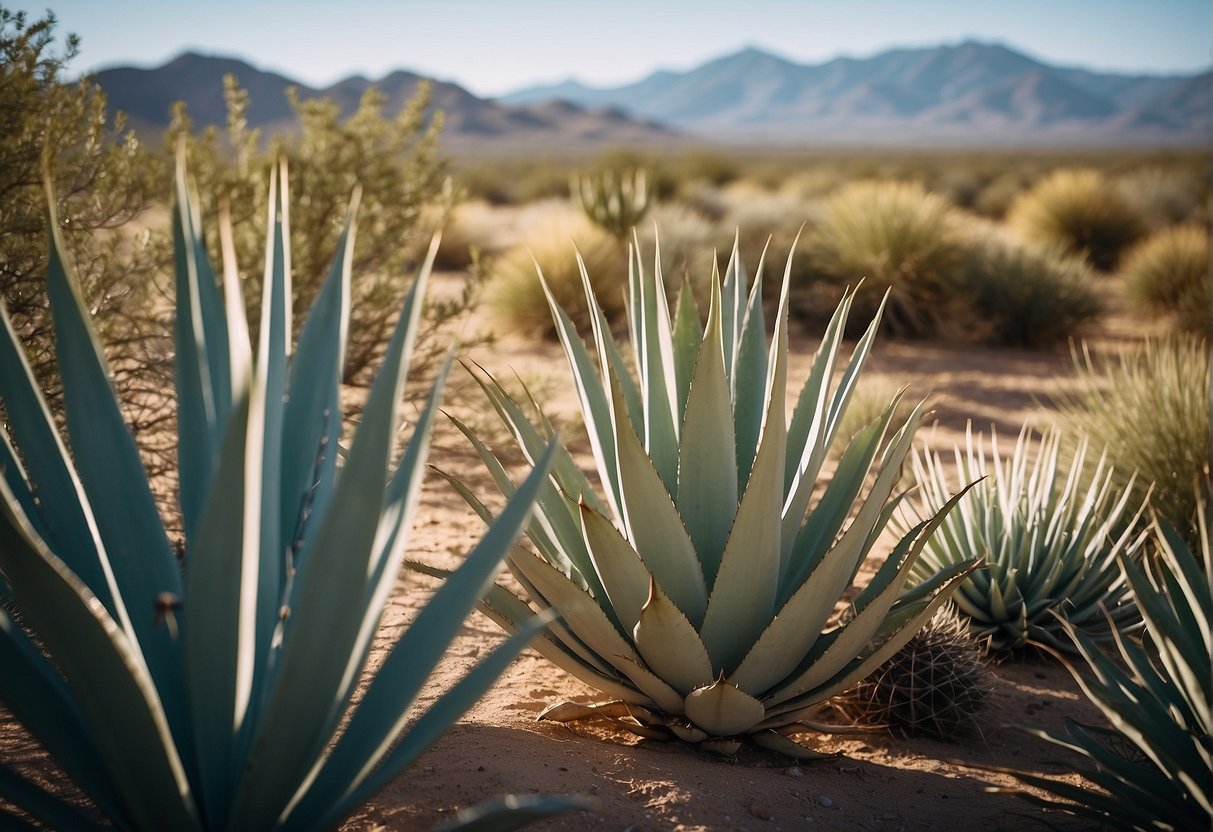
Agave and yucca plants have some similarities in appearance, but they can be distinguished by their leaves and flowers. Agave plants have thick, fleshy leaves that grow in a rosette pattern, while yucca plants have long, narrow leaves that grow in a clump. Agave plants also typically have taller flower stalks with clusters of flowers, while yucca plants have shorter, more compact flower stalks with fewer flowers.
What are the key differences in the uses of agave and yucca plants?
Agave plants are primarily used for their sap, which is used to make tequila, mezcal, and agave syrup. Yucca plants, on the other hand, are used for a variety of purposes, including food, medicine, and soap making. The roots of yucca plants are also used to make a natural shampoo.
Are there any visual characteristics that can help identify agave and yucca plants?
In addition to the differences in leaves and flowers, agave plants tend to have a more symmetrical appearance, while yucca plants can have a more wild and uneven shape. Agave plants also have a smoother texture to their leaves, while yucca leaves can be more rough and fibrous.
What are the climatic preferences for agave and yucca plants?
Agave plants are native to hot, dry climates, and can be found in regions such as Mexico and the southwestern United States. Yucca plants are also adapted to dry climates, but can be found in a wider variety of habitats, including deserts, grasslands, and forests.
Can both agave and yucca plants be used in landscaping, and if so, how do their requirements differ?
Both agave and yucca plants can be used in landscaping, but their requirements differ slightly. Agave plants prefer full sun and well-drained soil, while yucca plants can tolerate some shade and prefer a soil that is slightly more moist.
What are the common misconceptions about agave and yucca plants?
One common misconception is that all agave plants are used to make tequila, when in fact only certain species are used for this purpose. Another misconception is that yucca plants are all toxic, when in fact some species are edible and have been used for food by Native American tribes for centuries.