Home » Blog » How Big Do Yucca Plants Grow: A Comprehensive Guide
How Big Do Yucca Plants Grow: A Comprehensive Guide
December 29, 2024
Should you desire to bring an unusual and distinctive flair to your garden, yucca plants could be the perfect option. Recognized for their eye-catching look and minimal upkeep, they are a favored pick among those who garden. Nevertheless, prior to incorporating a yucca into your assortment, grasping the potential size of these plants is crucial.
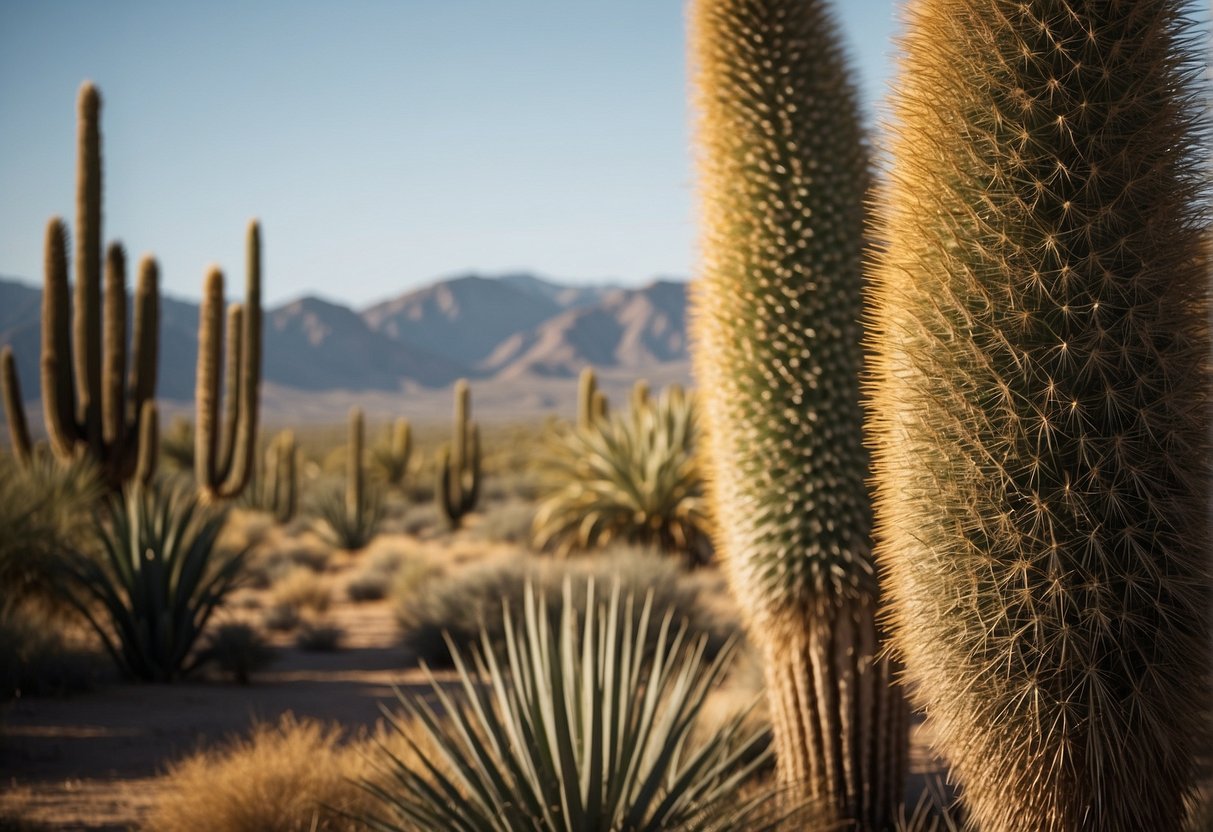
Yucca plants come in a variety of sizes, from small shrubs to towering trees. The size of your yucca plant will depend on the species you choose, as well as the conditions in which it is grown. Some yucca species, such as the Yucca elephantipes, can grow up to 30 feet tall, while others, like the Yucca filamentosa, stay relatively small at around 2-3 feet tall. Understanding yucca plant growth is key to determining which species is right for your garden and how to care for it properly.
When it comes to yucca plant care and maintenance, there are a few things to keep in mind to ensure that your plant thrives. Proper watering and soil conditions are crucial, as well as providing adequate sunlight and protection from extreme temperatures. With the right care, your yucca plant can grow to be a stunning addition to your garden for years to come.
Key Takeaways
Yucca plants come in a variety of sizes, from small shrubs to towering trees, and the size of your plant will depend on the species and growing conditions.
Understanding yucca plant growth is important in choosing the right species for your garden.
Proper care and maintenance, including watering, soil conditions, and sunlight, are crucial for ensuring the health and longevity of your yucca plant.
Understanding Yucca Plant Growth
Yucca plants are a popular choice for ornamental gardens due to their unique appearance and low maintenance needs. Understanding the growth patterns and requirements of yucca plants is crucial for ensuring healthy and thriving plants in your garden.
Typical Sizes and Growth Patterns
Yucca plants can vary in size and growth patterns depending on the species. Some species, such as the slow-growing Joshua tree (Yucca brevifolia), can reach heights of up to 40 feet, while others, such as the Yucca filamentosa, only grow up to 3 feet tall.
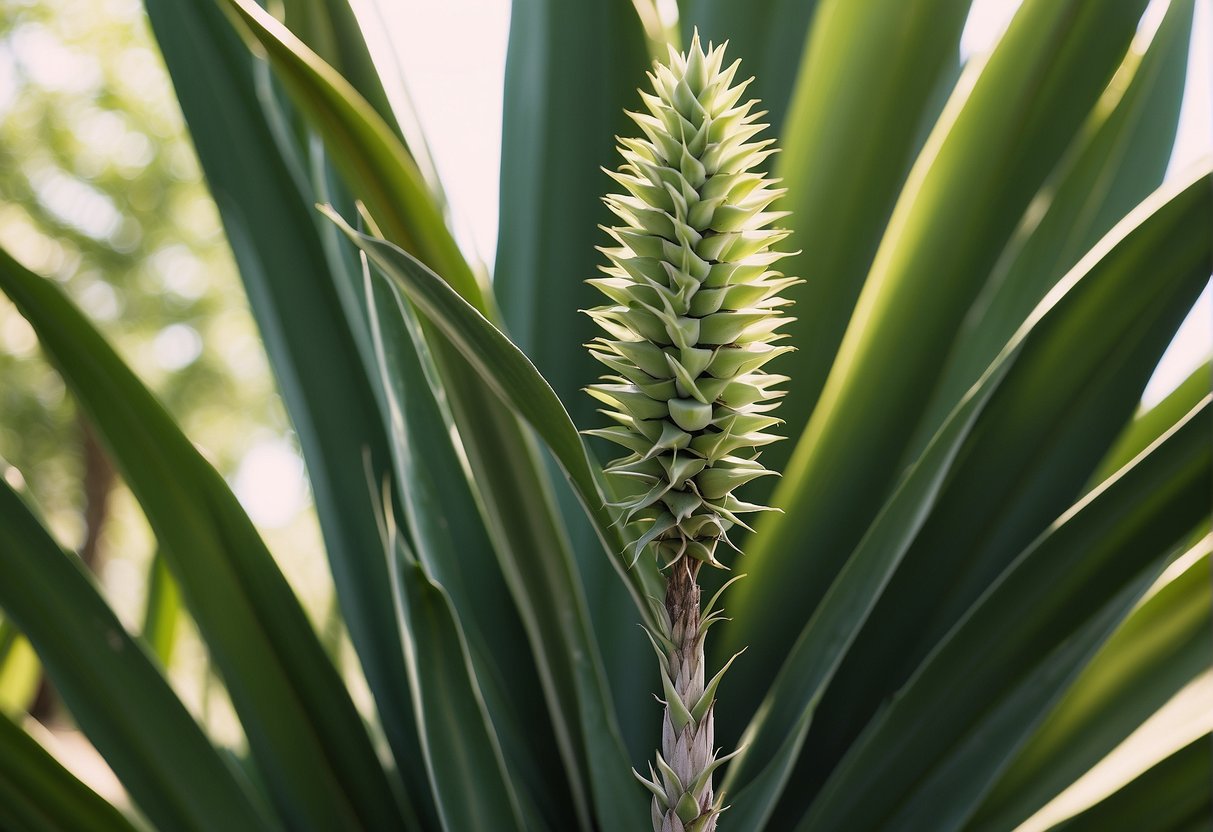
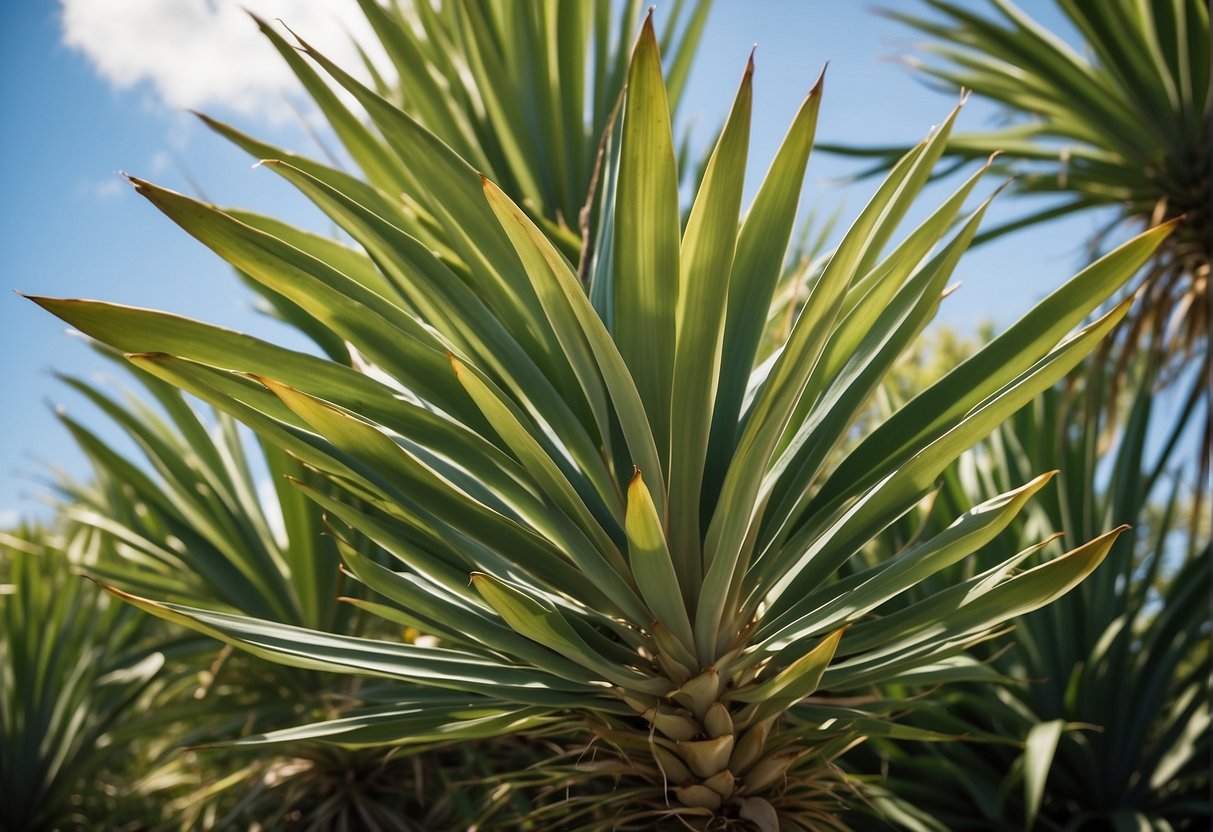
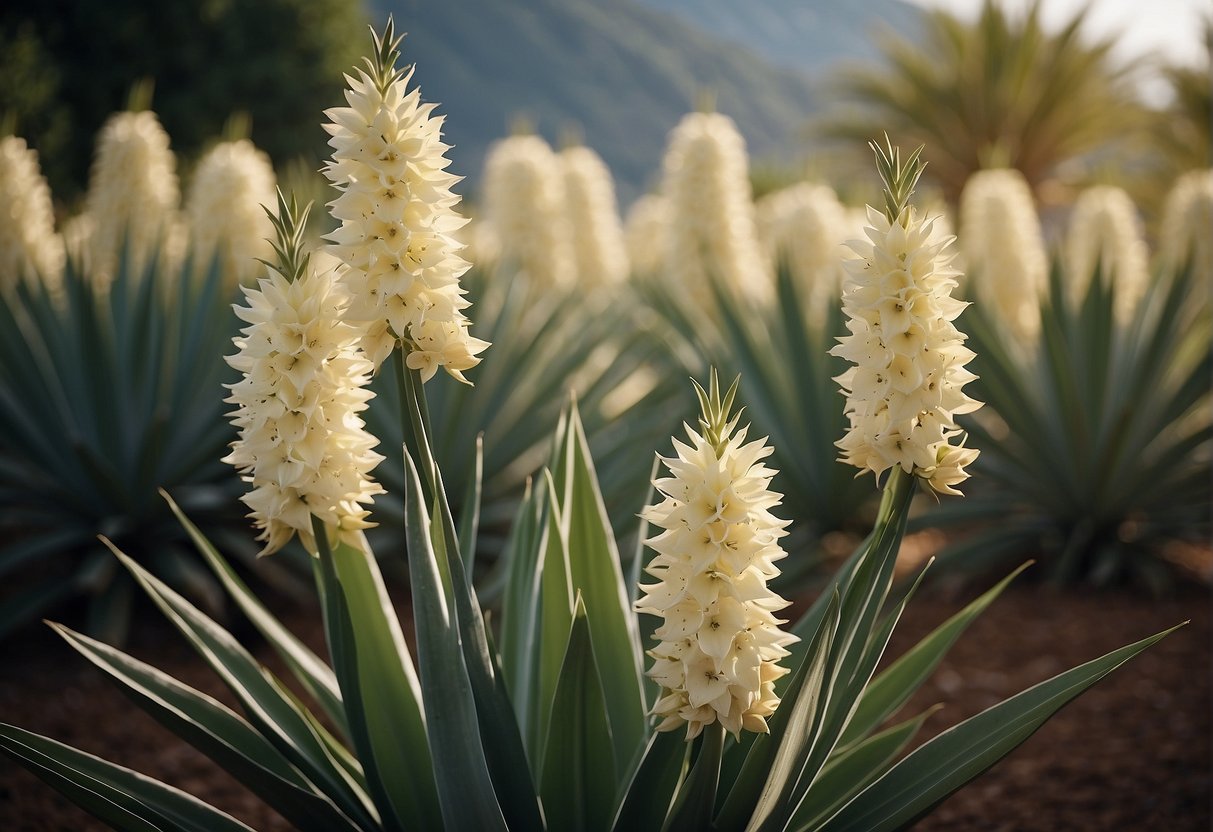
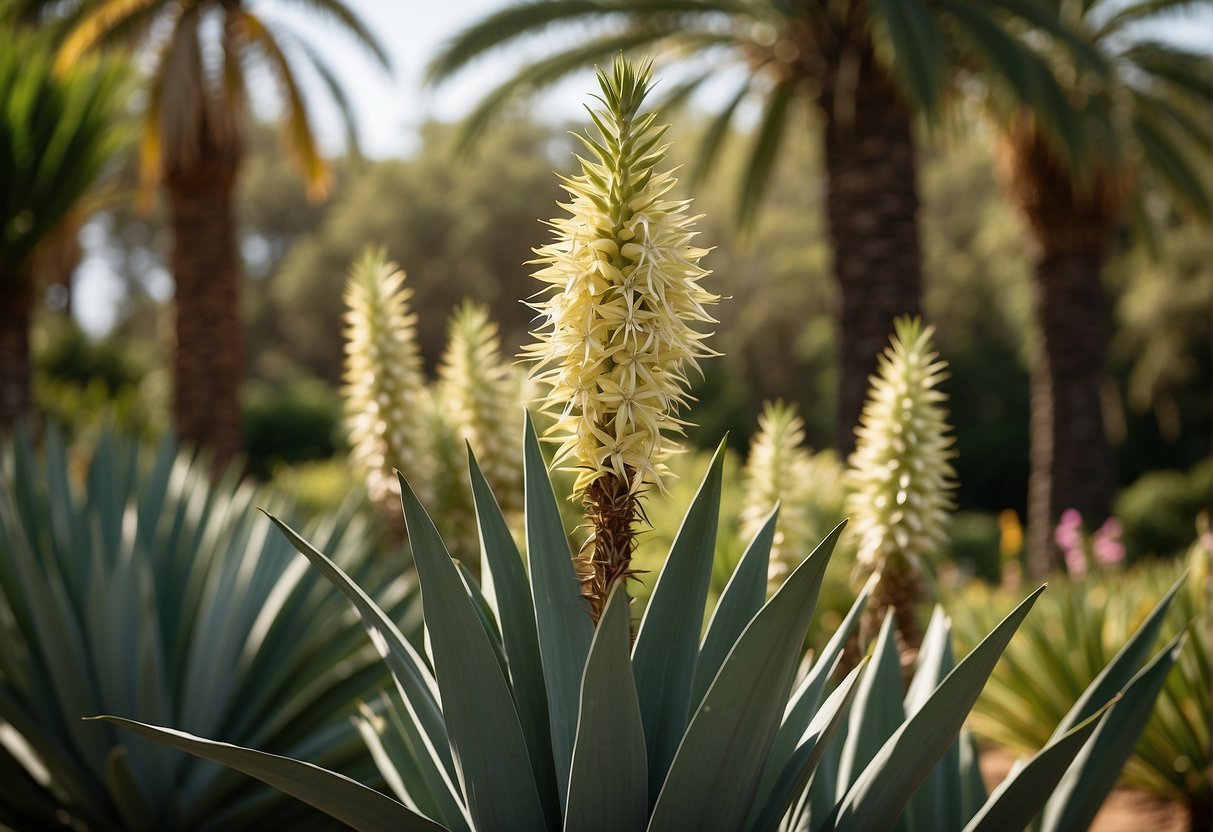
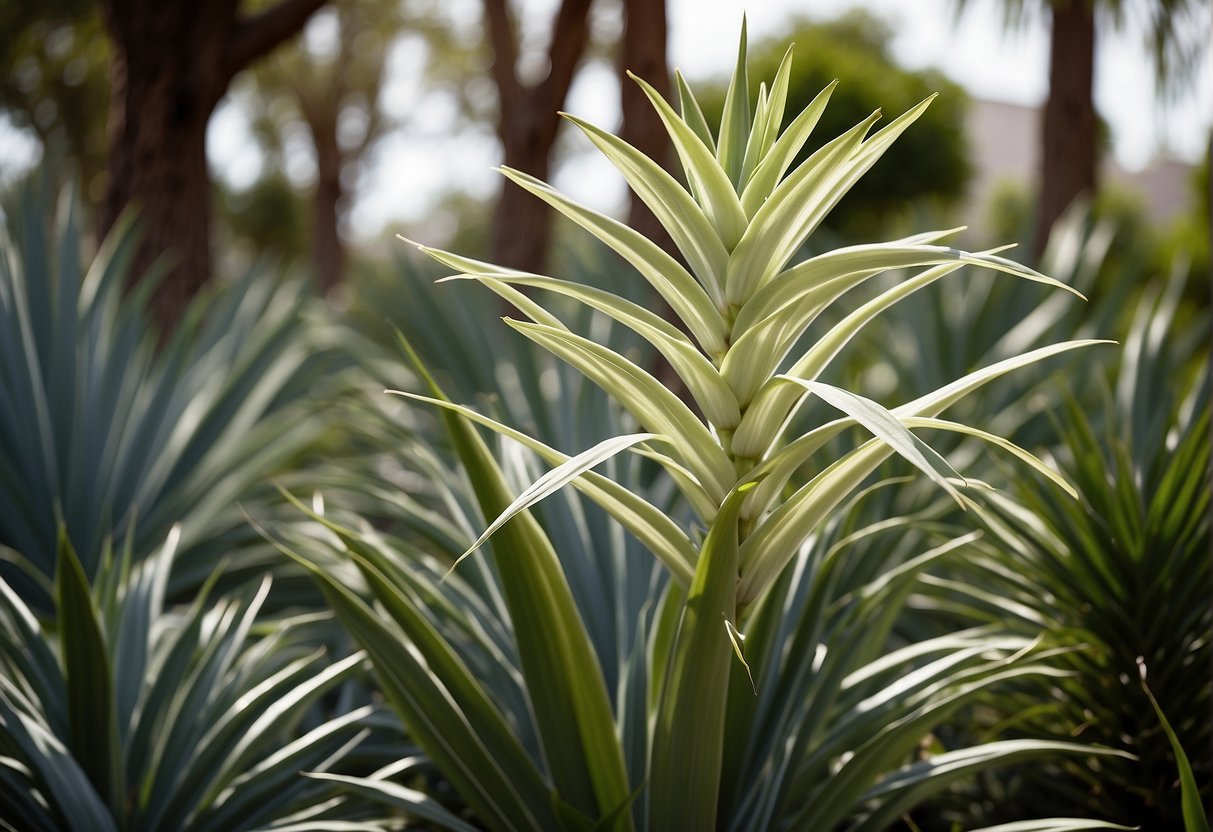
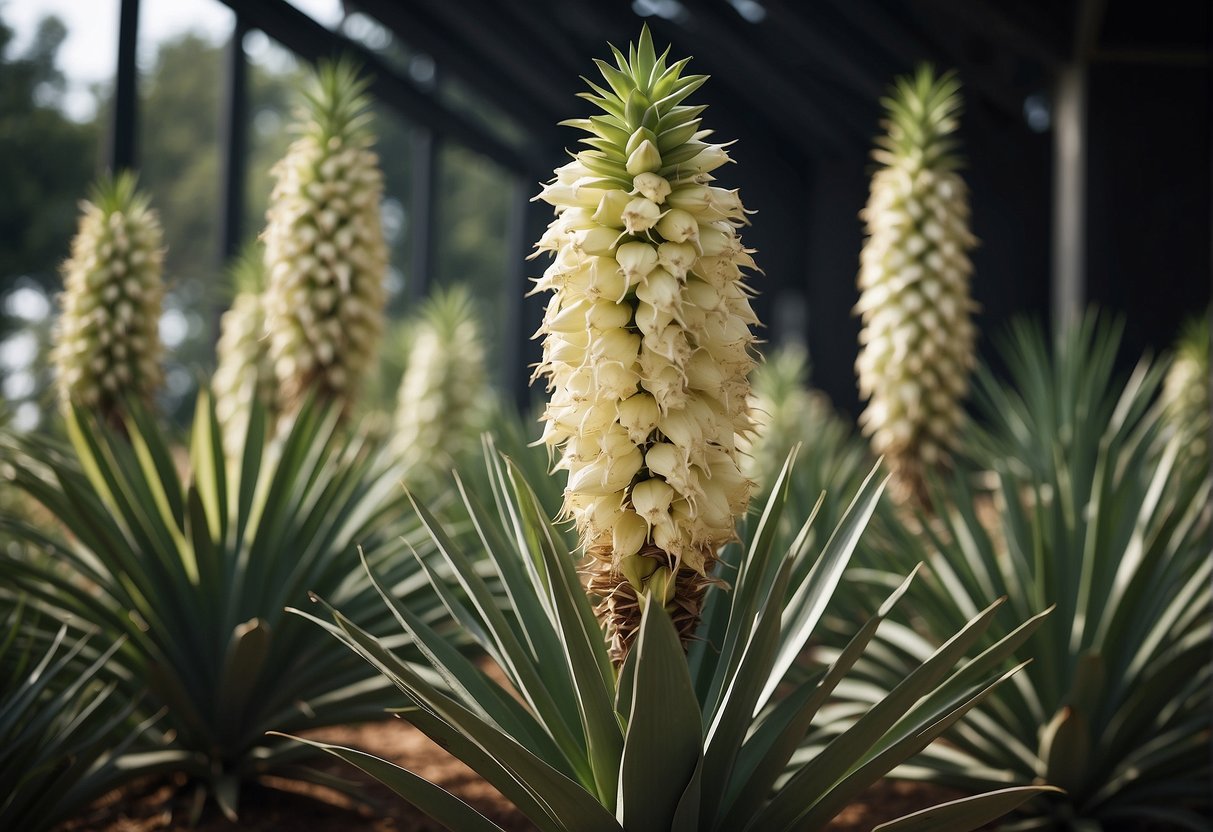
Most yucca plants have woody stems and spiky leaves arranged in a rosette pattern. They typically produce white or cream-colored flowers on tall spikes in the summer.
Environmental Factors Influencing Growth
To maximize the growth potential of your yucca plants, it is important to understand the environmental factors that influence their growth. Yucca plants prefer full sun and well-draining soil with a pH between 6.0 and 7.0. They are drought-tolerant and can survive in hot temperatures, but they also need regular watering during dry periods.
Common Varieties and Their Characteristics
There are many varieties of yucca plants, each with their own unique characteristics. Yucca elephantipes, also known as the Spanish bayonet, is a fast-growing species that can reach heights of up to 30 feet. Yucca aloifolia, also called the Spanish dagger, produces white flowers and can grow up to 20 feet tall.
Yucca gloriosa, or the Adam’s needle, is a slow-growing species that produces spiky leaves and white flowers. Yucca flaccida, also known as weak-leaf yucca, has flexible leaves and produces yellow flowers. Yucca gigantea, also called the giant yucca, can reach heights of up to 50 feet and produces white flowers.
Plant Maturity and Lifespan
Yucca plants can take several years to reach maturity and produce flowers. Once mature, they can live for many years, with some species living up to 50 years or more.
Maximizing Growth Potential
To maximize the growth potential of your yucca plants, it is important to provide them with the right growing conditions. This includes planting them in well-draining soil, providing regular watering during dry periods, and fertilizing them with a balanced fertilizer in the spring.
Pruning can also help promote healthy growth and remove any dead or damaged leaves. Repotting may be necessary every few years to ensure adequate space for root growth.
Overall, understanding the growth patterns and requirements of yucca plants can help you create a beautiful and thriving garden with these unique and low-maintenance plants.
Yucca Plant Care and Maintenance
Yucca plants are relatively low-maintenance, but they still require proper care to thrive. Here are some essential care and maintenance tips to keep your yucca plant healthy and happy.
Watering and Feeding Requirements
Yucca plants are drought-tolerant, so it’s best to water them sparingly. Overwatering can lead to root rot and other problems. Water your yucca plant only when the soil is dry to the touch. Yucca plants also don’t require frequent fertilization. You can feed them once a year with a slow-release fertilizer in early spring.
Soil and Potting Mix Essentials
Yucca plants prefer well-draining soil. Use a well-draining soil mix and ensure that the pot has proper drainage holes. If you’re growing a yucca plant in a container, make sure it’s large enough to accommodate the plant’s roots. Repotting is necessary every two to three years.
Pruning and Propagation Techniques
Pruning is not necessary for yucca plants, but you can remove yellow or damaged leaves to keep the plant looking tidy. Yucca plants can be propagated from cuttings or offsets. Cuttings should be taken in early spring and allowed to dry before planting. Offsets can be removed and planted in a new pot.
Pest, Disease, and Problem Management
Yucca plants are generally pest and disease-resistant, but they can occasionally be affected by scale insects or mealybugs. If you notice any pests, you can remove them with a damp cloth or use an insecticidal soap. Yucca plants can also develop root rot if overwatered or planted in poorly-draining soil.
Safety and Precautions for Indoor Cultivation
Yucca plants have sharp, pointed leaves, so it’s essential to wear gloves when handling them. Keep them away from pets and children, as the leaves can be harmful if ingested. If you’re growing a spineless yucca, such as agave or soapweed, you won’t have to worry about the sharp leaves.
Seasonal Care and Yearly Growth Cycle
Yucca plants grow slowly and don’t require much attention. They prefer full sun and warm temperatures. In winter, you can reduce watering to once a month to prevent moisture-related problems. Yucca plants typically produce new growth in the spring and summer months.
Frequently Asked Questions
What are the typical sizes for indoor varieties of yucca plants?
Indoor yucca plants can grow up to 6 feet tall and 3 feet wide. However, the size can vary depending on the species and growing conditions.
What is the maximum height a yucca plant can reach when grown outdoors?
When grown outdoors, yucca plants can reach up to 30 feet in height with a spread of around 15 feet. However, the size can vary depending on the species and growing conditions.
How large can a yucca plant grow from seed?
Yucca plants can grow up to 8 feet tall from seed. However, the size can vary depending on the species and growing conditions.
What are the different types of yucca plants and their growth sizes?
There are many different types of yucca plants, including the Spanish Bayonet, Adam’s Needle, and Banana Yucca. The sizes of these plants can vary greatly, with some growing as small as a few inches and others reaching up to 30 feet in height.
How long can a yucca plant live and maintain its size?
Yucca plants can live for several decades and maintain their size throughout their lifespan. However, the size can decrease if the plant is not given proper care.
What spacing requirements are needed for yucca plants to grow properly?
Yucca plants should be spaced at least 3 to 5 feet apart to allow for proper growth and air circulation. However, the spacing requirements can vary depending on the species and growing conditions.
Hi Lovelies ! I made this blog to share my tips about Home Improvement, Children, Pets, Food, Gadgets, Automotive, Health & Beauty, and ways to be frugal while maintaining a natural lifestyle. Interested to be a Guest Blogger on my website? Please email me at: [email protected]