Home » Blog » When is the Best Time to Transplant Yucca Plants?
When is the Best Time to Transplant Yucca Plants?
December 30, 2024
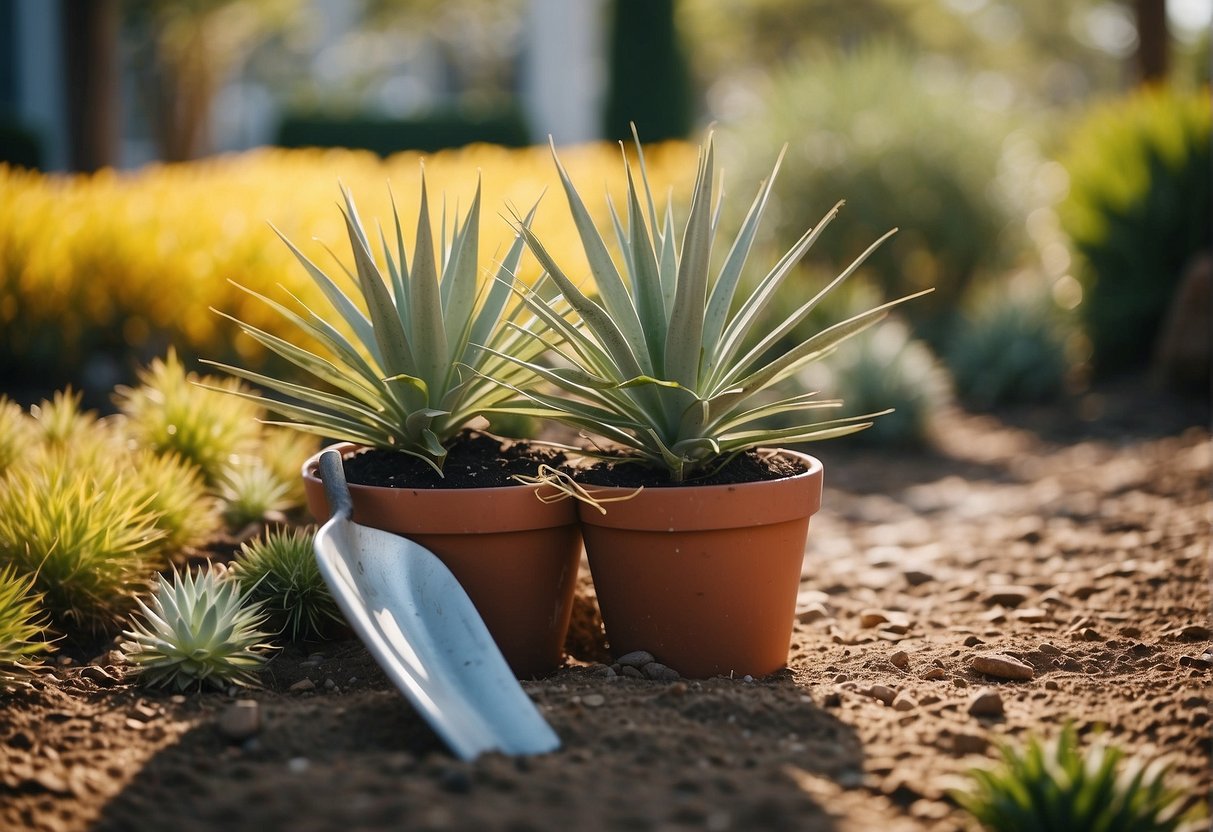
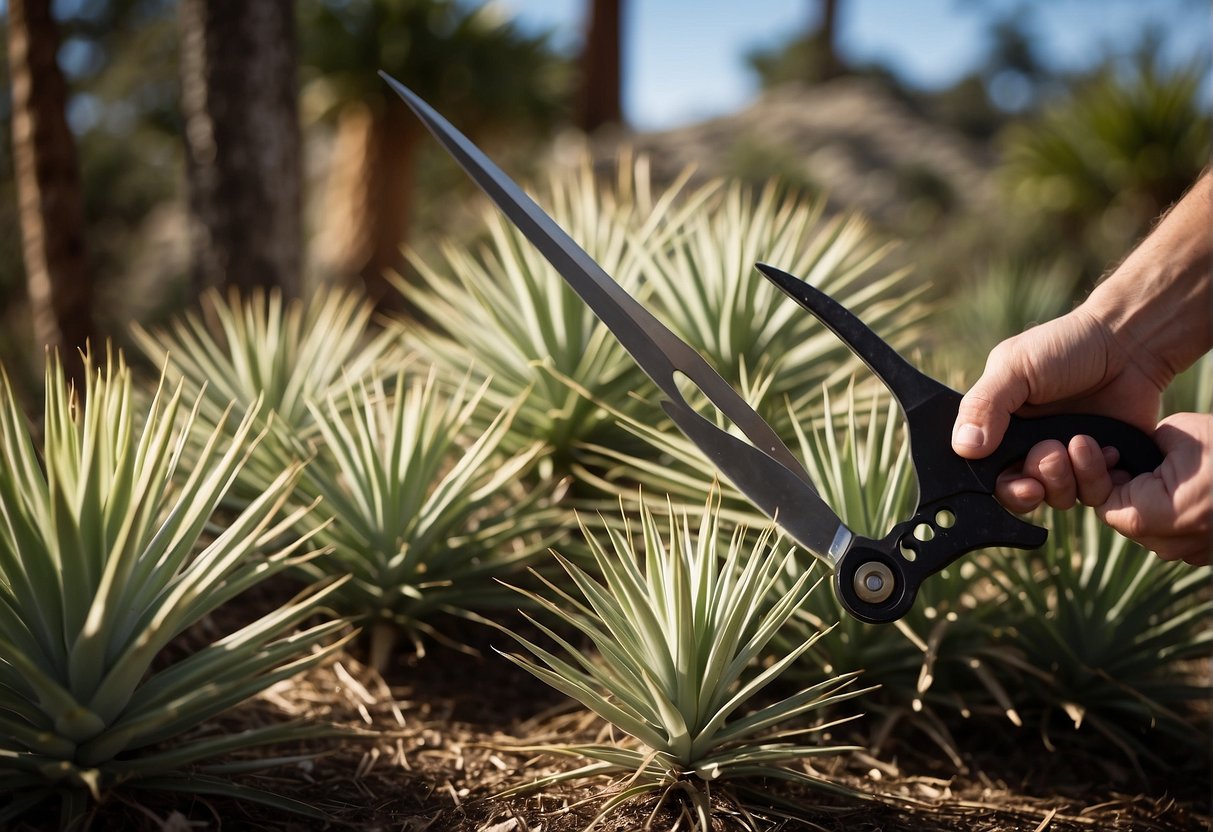
Should you be considering relocating your yucca plant, understanding the optimal timing for transplantation is crucial. Although yuccas can be transplanted throughout the year, some periods are more favorable than others. This article will delve into the ideal times for transplanting yucca plants and offer guidance on how to achieve a successful transplantation.
Determining the optimal time for transplanting yuccas can depend on several factors, including the species of yucca, the climate in your area, and the current health of the plant. Generally, the best time to transplant yuccas is in the spring or fall when temperatures are mild and there is less risk of stress to the plant. However, if you live in a region with mild winters, transplanting in the winter can also be successful.
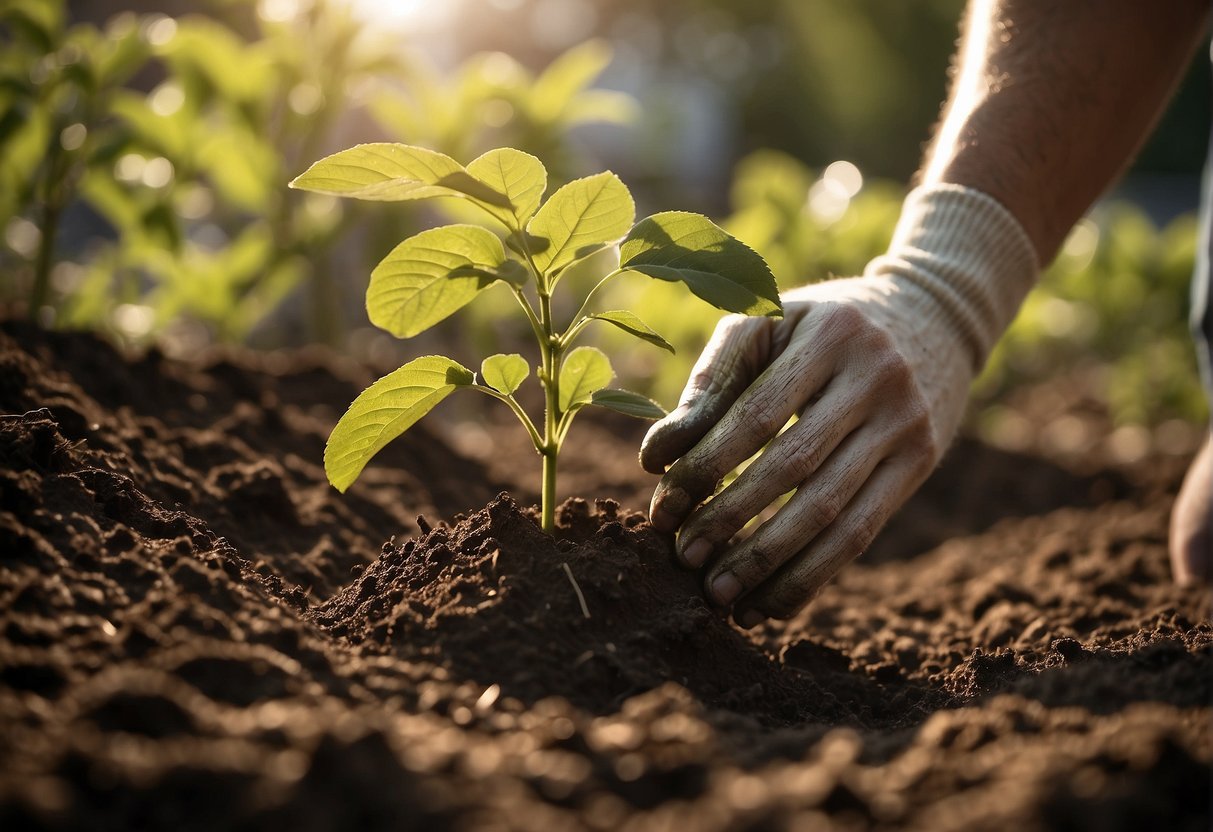
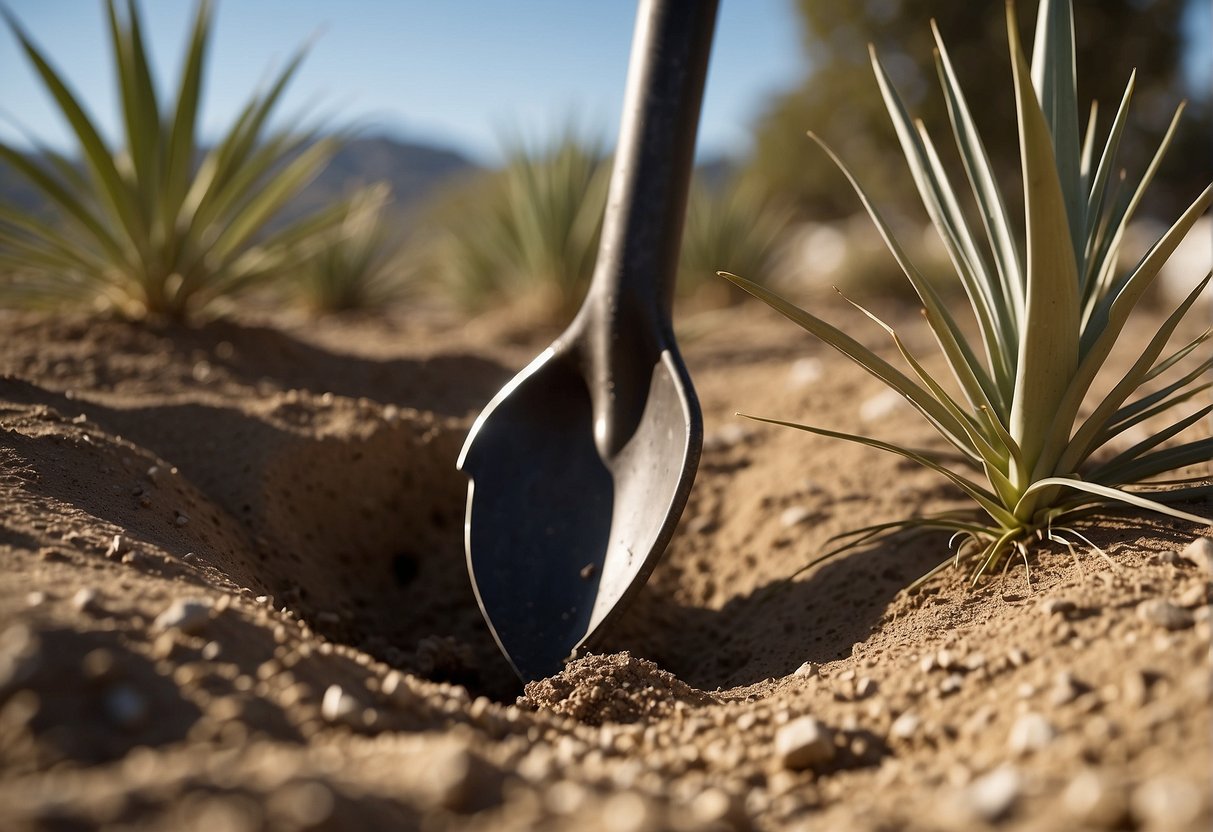
Executing the transplanting process requires careful planning and attention to detail. You’ll need to prepare the new location for your yucca plant, carefully dig up the plant, and transport it to its new home. It’s important to ensure that the plant’s roots are not damaged during the transplanting process, as this can lead to shock and even death. With the right preparation and care, however, transplanting your yucca plant can be a successful and rewarding experience.
Key Takeaways
The best time to transplant yucca plants is in the spring or fall, although mild winters can also be suitable.
Transplanting yuccas requires careful planning and attention to detail to avoid damaging the plant’s roots.
With the right preparation and care, transplanting your yucca plant can be a successful and rewarding experience.
Determining the Optimal Time for Transplanting Yuccas
Transplanting yuccas can be a daunting task, but with proper timing, it can be a smooth process. Timing is crucial when it comes to transplanting yuccas, and it is essential to know when the best time to transplant is. Here are some factors to consider when determining the optimal time for transplanting yuccas.
Assessing Seasonal Conditions
The best time to transplant yuccas is during the spring or fall when the weather is mild. During these seasons, the soil is warm, and the yucca roots can establish themselves quickly. In the spring, the soil is moist, and the yucca plant is coming out of dormancy, making it an ideal time to transplant. In the fall, the soil is still warm, and the plant is preparing for dormancy, making it an excellent time to transplant before the winter.
Transplanting during the summer months should be avoided as the hot weather can stress the plant, and the soil may dry out too quickly. Similarly, transplanting during winter months should be avoided as the cold weather can damage the roots, and the soil is too cold for the plant to establish itself.
Understanding Yucca Dormancy Cycles
Yuccas have a natural dormancy cycle that occurs during the winter months. During this time, the plant is not actively growing, and its energy is focused on root development. Transplanting during this time can be risky as the plant may not have the energy to establish itself in the new location.
It is best to transplant yuccas when they are not in dormancy, either in the spring or fall. If you must transplant during the winter months, it is recommended to wait until the plant has come out of dormancy and is showing signs of new growth.
In conclusion, the best time to transplant yuccas is during the spring or fall when the weather is mild, and the plant is not in dormancy. By considering these factors, you can ensure a successful transplant and a healthy yucca plant.
Executing the Transplanting Process
Transplanting yucca plants can be a great way to refresh the look of your garden or to give your yucca plant a new home. However, it’s important to execute the transplanting process properly to avoid damaging the roots and causing transplant shock. Here’s a step-by-step guide to help you execute the transplanting process successfully.
Preparing the New Location
Before transplanting your yucca plant, it’s important to prepare the new location properly. Choose a spot that receives plenty of sunlight and has well-draining soil. If the soil in the new location is too dense or doesn’t drain well, mix in some organic matter to improve drainage.
Make sure the new location is also free of any disease or pests that could harm your yucca plant. If you’re transplanting your yucca plant to a pot, make sure the pot has drainage holes to prevent water from accumulating and causing root rot.
Transplanting Step-by-Step
Start by digging around the base of your yucca plant to loosen the soil.
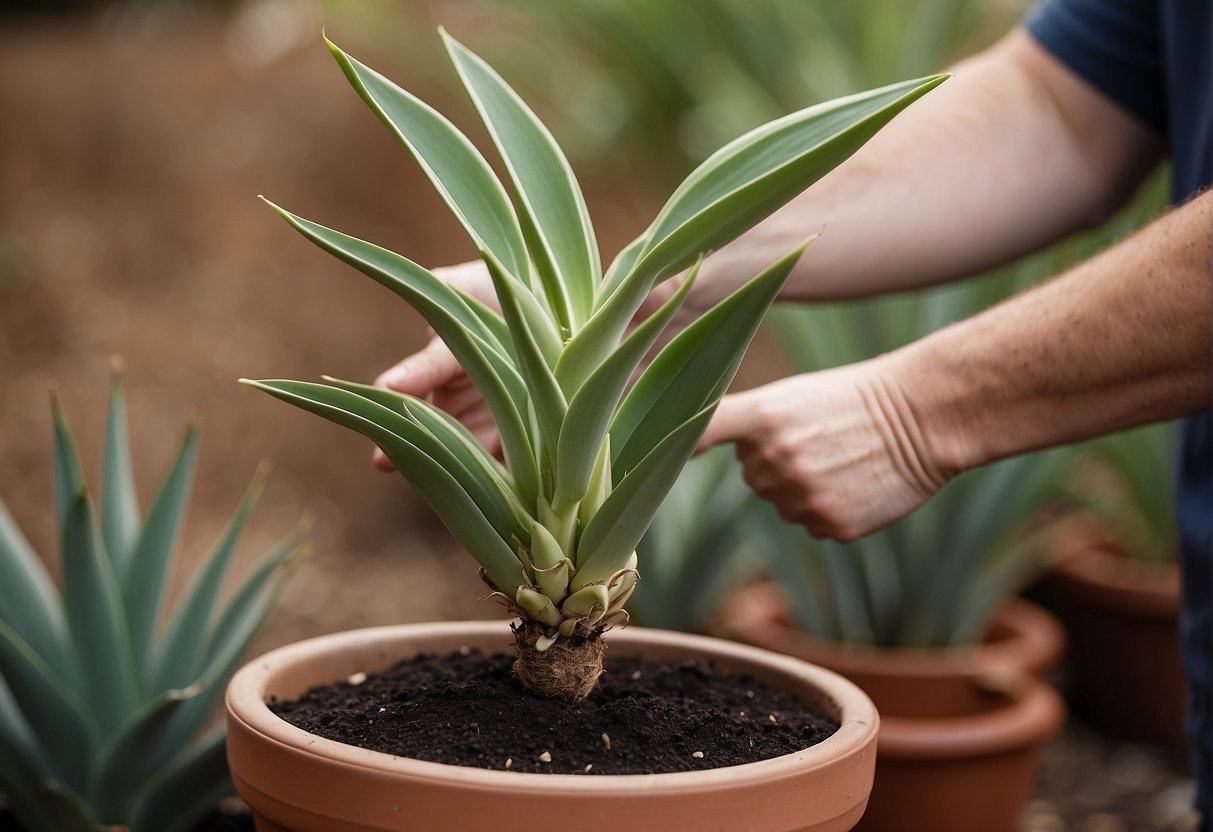
Gently lift the yucca plant out of the ground, making sure to keep the root ball intact.
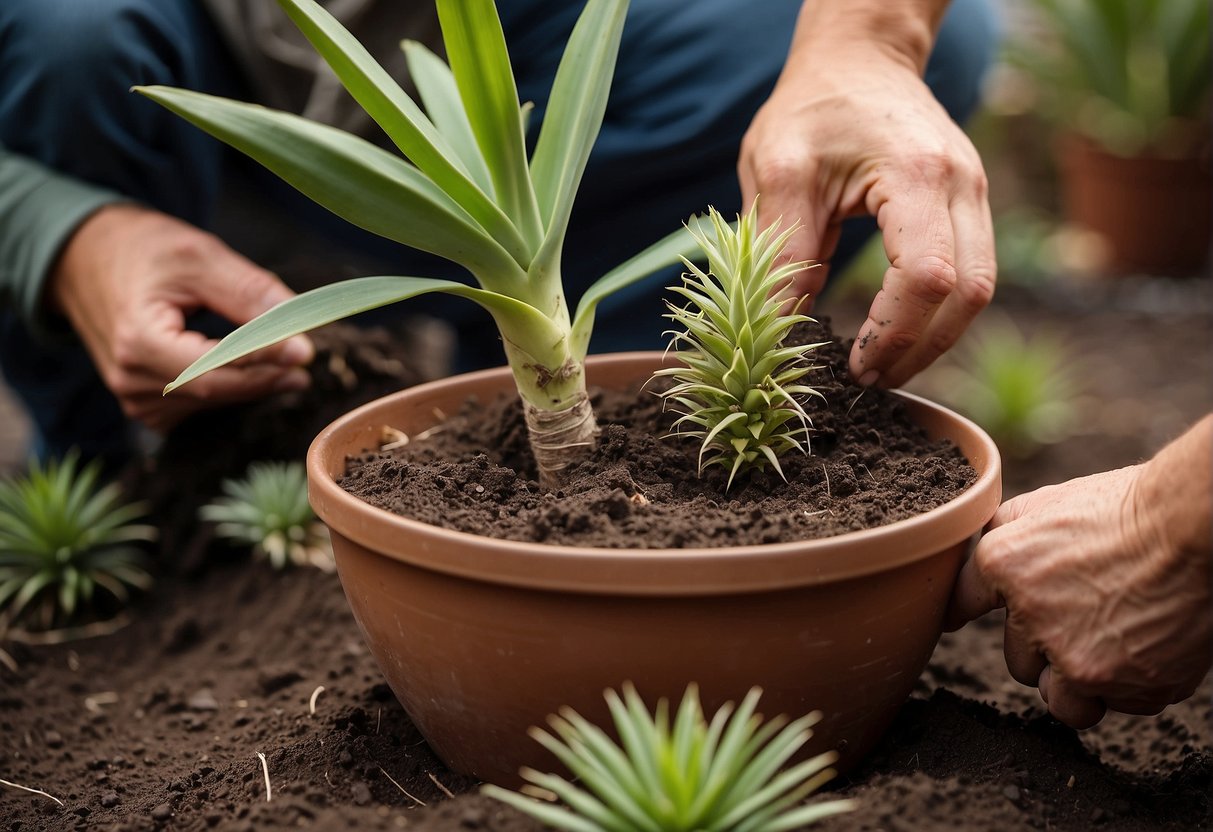
If you’re transplanting your yucca plant to a pot, fill the pot with potting soil and make a hole in the center.
Place the yucca plant in the new location or pot and fill in the soil around the root ball.
Water the yucca plant thoroughly to help it acclimate to its new environment.
Post-Transplant Care
After transplanting your yucca plant, it’s important to give it regular care to ensure it thrives in its new location. Make sure the soil moisture is consistent, but avoid overwatering as this can cause root rot.
Fertilize your yucca plant with a balanced fertilizer to help it grow strong and healthy. Keep an eye out for any signs of transplant shock, such as wilting or yellowing leaves, and address them promptly.
If you’re transplanting your yucca plant indoors, make sure it receives plenty of sunlight and acclimate it gradually to extreme temperatures.
By following these steps and giving your yucca plant regular care, you can successfully transplant it to a new location and enjoy its low-maintenance beauty for years to come.
Frequently Asked Questions
What is the ideal season to relocate a yucca plant?
The best time to transplant a yucca plant is in the spring or fall when the weather is mild. Avoid transplanting during the summer when temperatures are high, and the plant may experience heat stress. It’s also important to avoid transplanting during the winter months when the plant is dormant.
How do I prevent transplant shock in yucca plants?
Transplant shock can be minimized by watering the plant thoroughly before and after transplanting. Trim any damaged or diseased roots, and avoid damaging the root ball during the transplant process. It’s also important to keep the plant out of direct sunlight for a few days after transplanting to minimize stress.
What are the steps to properly divide yucca plants for transplantation?
To divide a yucca plant, start by digging up the entire plant and gently shaking off any excess soil. Use a sharp, clean knife to cut the plant into sections, making sure each section has a healthy root system. Replant each section in a new location, following the same transplanting guidelines as for a whole plant.
Can yucca cuttings be replanted immediately after cutting?
Yes, yucca cuttings can be replanted immediately after cutting. Make sure the cutting is at least 4 inches long and has several leaves. Dip the cut end in rooting hormone and plant in a well-draining potting mix. Water thoroughly and keep the cutting out of direct sunlight until it has rooted.
How should a yucca plant be prepared for potting?
To prepare a yucca plant for potting, start by removing it from its current container and gently shaking off any excess soil. Trim any damaged or diseased roots, and place the plant in a new container with fresh potting soil. Water thoroughly and keep the plant out of direct sunlight for a few days after transplanting.
What considerations should be made when choosing a new location for a transplanted yucca?
When choosing a new location for a transplanted yucca, consider the plant’s light and water requirements. Yucca plants prefer full sun and well-draining soil. Avoid planting in areas that are prone to standing water or where the plant may be exposed to strong winds.
Hi Lovelies ! I made this blog to share my tips about Home Improvement, Children, Pets, Food, Gadgets, Automotive, Health & Beauty, and ways to be frugal while maintaining a natural lifestyle. Interested to be a Guest Blogger on my website? Please email me at: [email protected]