Home » Blog » What is a Beautyberry Bush: A Comprehensive Guide
What is a Beautyberry Bush: A Comprehensive Guide
December 26, 2024
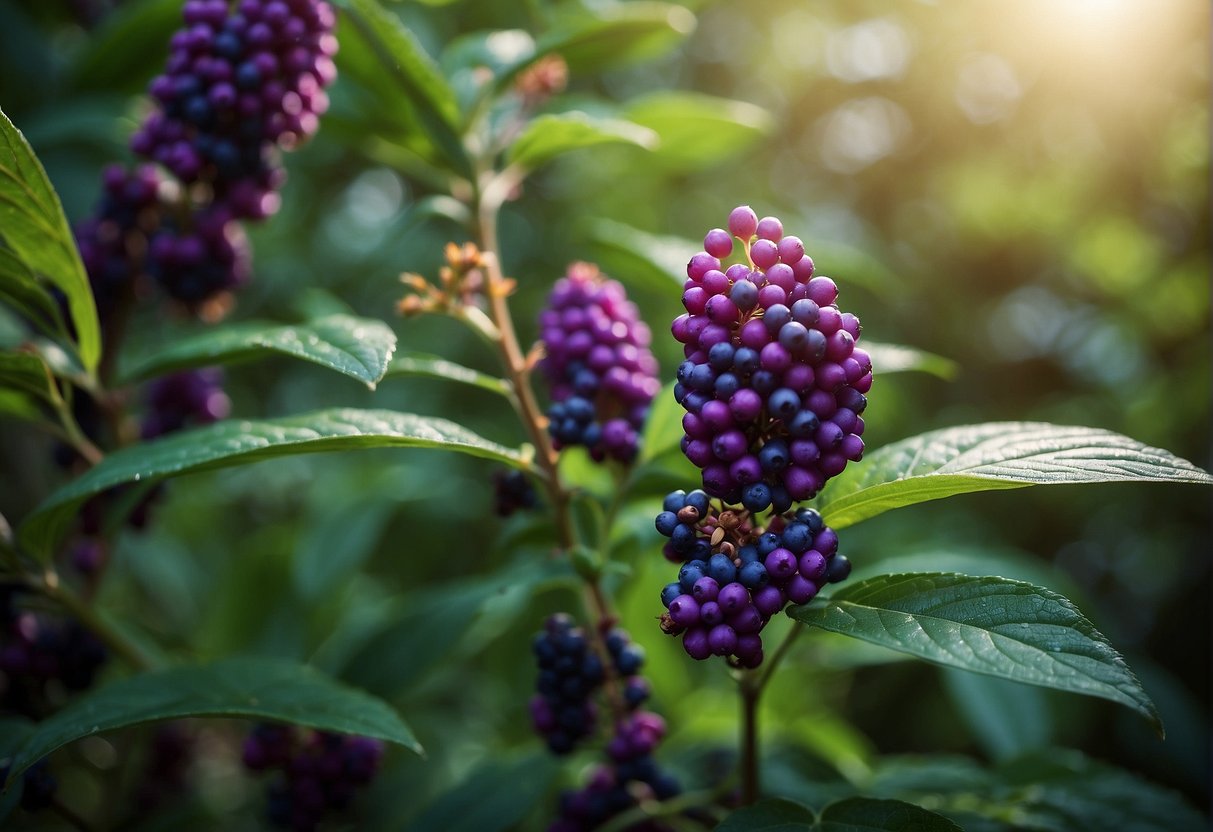
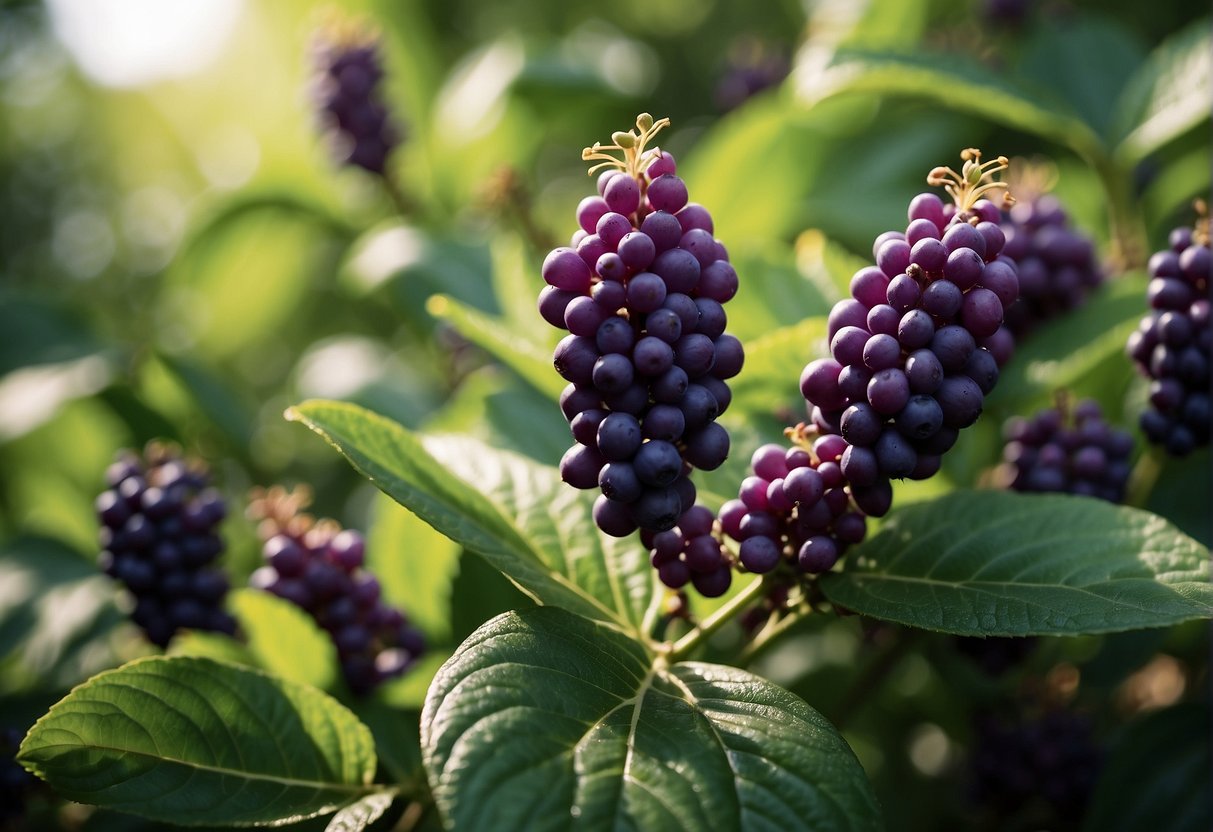
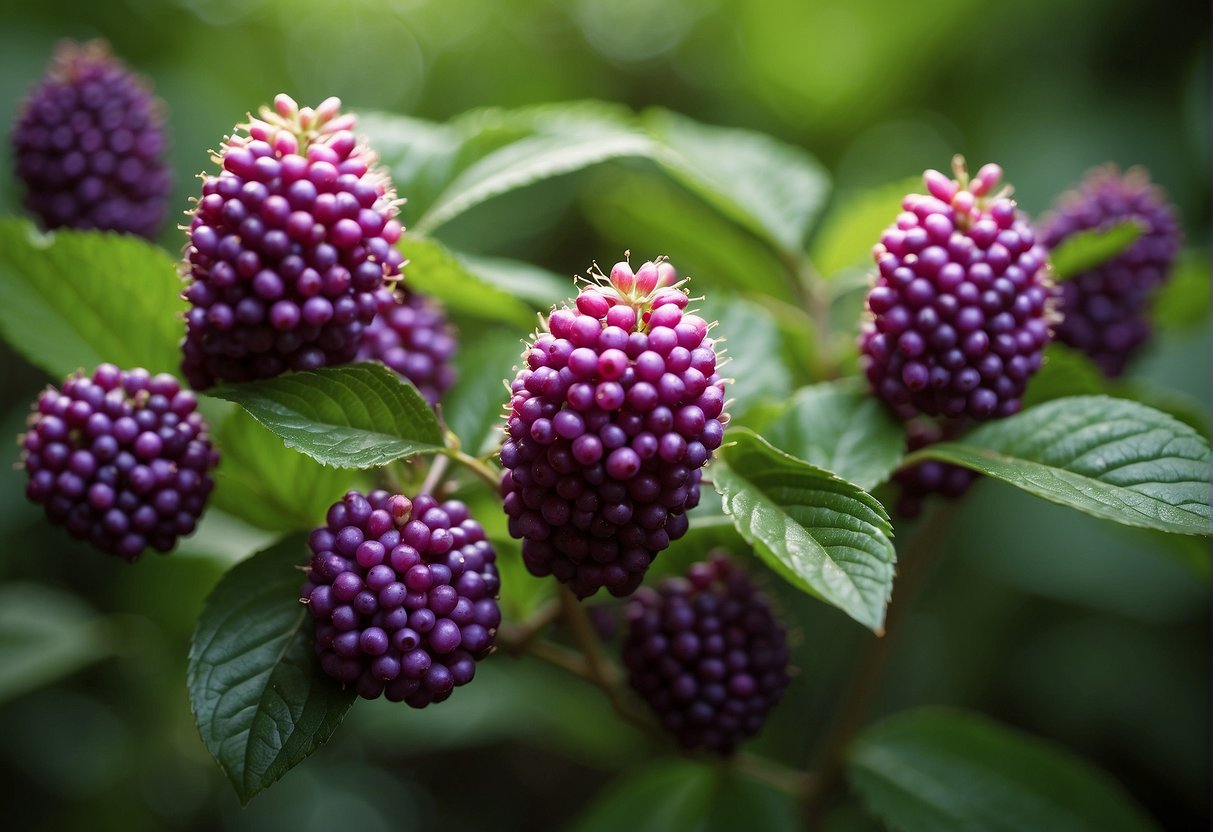
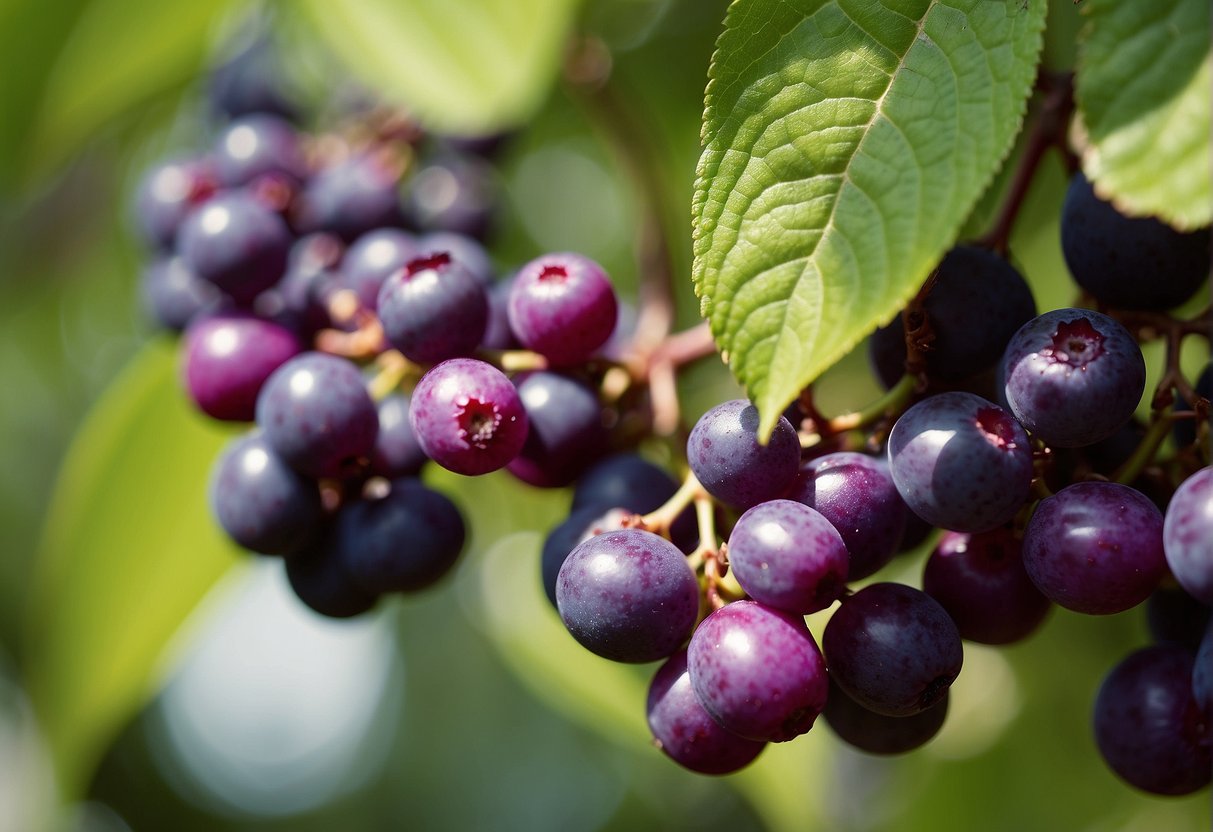
If you’re in the market to enhance the appeal and vibrancy of your garden, planting a beautyberry bush could be an excellent choice. This deciduous plant, scientifically referred to as Callicarpa, originates from North America and is celebrated for its stunning, eye-catching purple berries that emerge in the autumn season. However, what is a beautyberry bush precisely, and what does it take to successfully grow and maintain one?
Beautyberry bushes are typically easy to grow and maintain, making them a popular choice for gardeners of all skill levels. They prefer well-drained soil and partial to full sun, and can be propagated by cuttings or by seed. Once established, they require minimal watering and pruning, making them a low-maintenance addition to your landscape.
If you’re interested in learning more about beautyberry bushes, read on for a closer look at their characteristics and ornamental uses, as well as answers to some frequently asked questions. Whether you’re a seasoned gardener or just starting out, a beautyberry bush can be a beautiful and rewarding addition to your outdoor space.
Key Takeaways
Beautyberry bushes are native North American shrubs known for their showy clusters of bright purple berries in the fall.
They are easy to grow and maintain, preferring well-drained soil and partial to full sun.
Beautyberry bushes can add color and interest to your garden and require minimal watering and pruning once established.
Cultivation and Care
Planting and Soil Requirements
When planting a beautyberry bush, it is important to choose a location that receives partial shade to full sun. The plant prefers well-drained soil that is rich in organic matter. If your soil is heavy, amend it with sand or compost to improve drainage. Beautyberry bushes can tolerate a wide range of soil pH levels, but prefer slightly acidic soil between 5.5 and 6.5.
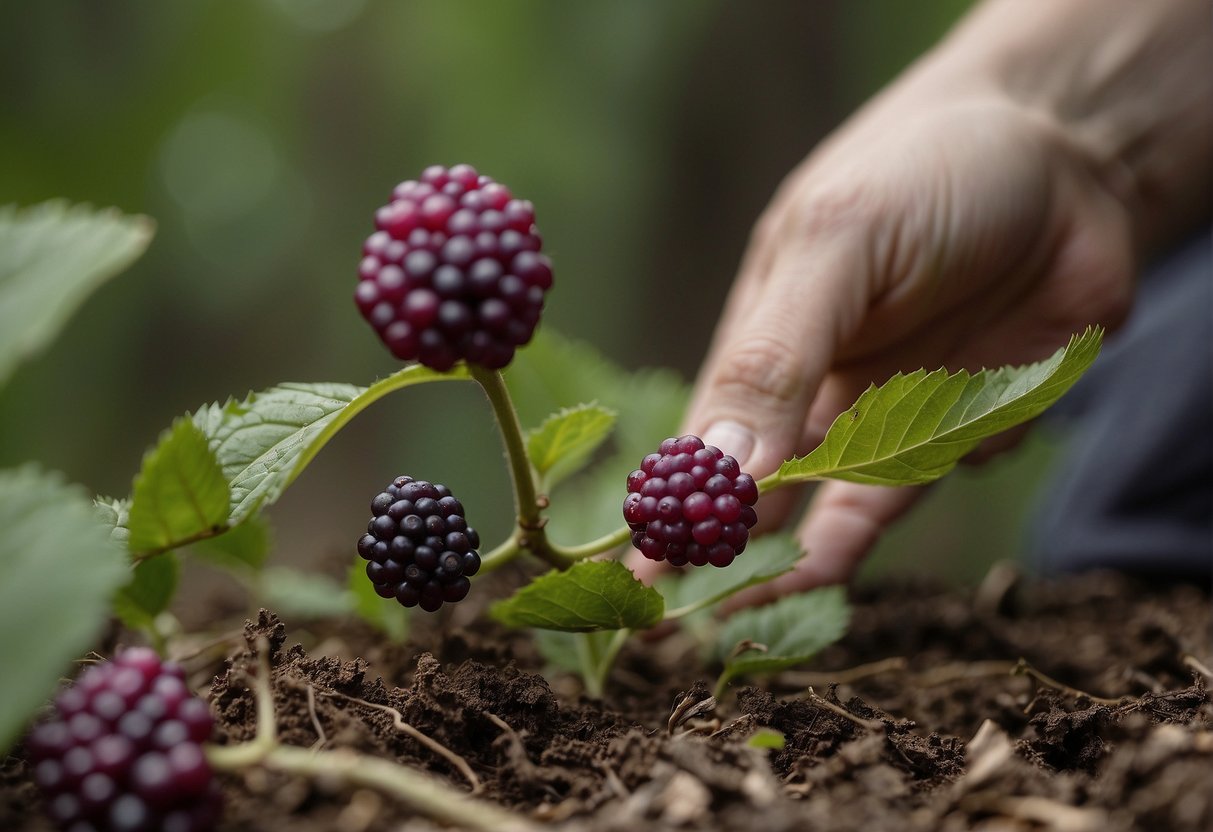
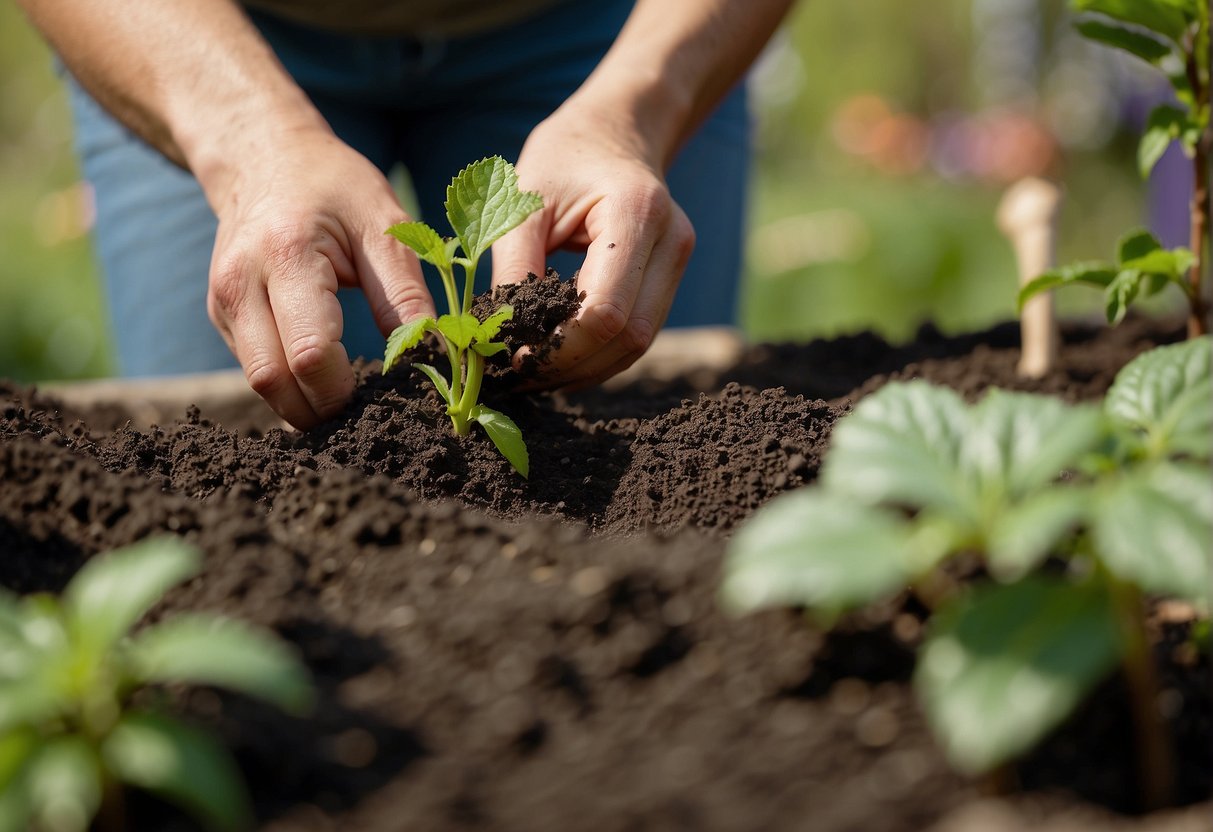
To plant, dig a hole twice as wide and just as deep as the root ball. Gently remove the plant from its container and loosen any tangled roots. Place the plant in the hole and backfill with soil, making sure the top of the root ball is level with the surrounding soil. Water thoroughly.
Watering and Moisture Management
Beautyberry bushes prefer consistently moist soil, but do not tolerate standing water. Water deeply once a week during dry periods, and more frequently during hot weather. Mulching around the base of the plant can help retain moisture and suppress weeds.
Pruning and Growth Control
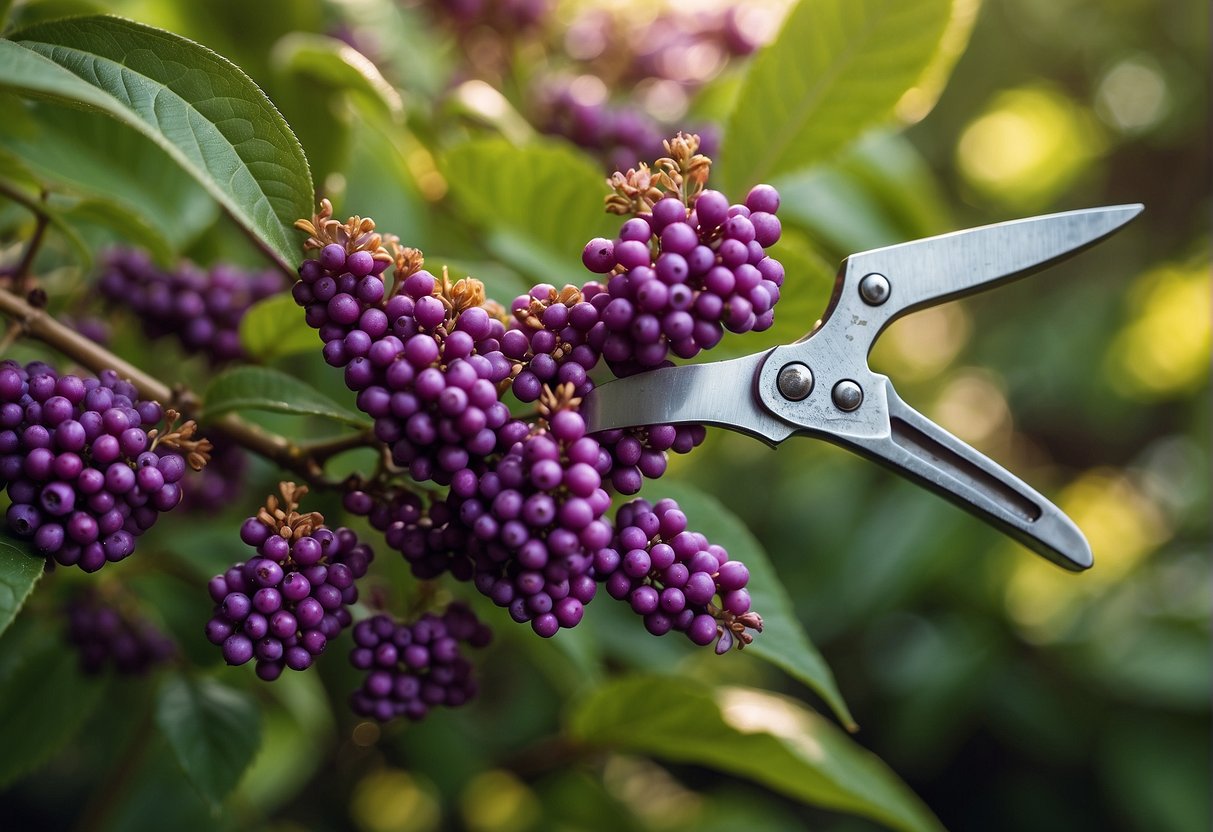
Beautyberry bushes can grow quite large, up to 6 feet tall and wide. To keep the plant more compact, prune it back in late winter or early spring before new growth begins. Remove any dead or diseased wood, and cut back the remaining branches to a height of 2-3 feet. This will encourage bushier growth and more abundant fruit production.
If you prefer a more natural look, you can leave the plant unpruned and allow it to grow into a large, sprawling shrub. However, keep in mind that the fruit may be harder to reach and harvest.
Characteristics and Ornamental Uses
If you are looking for a shrub that can add a pop of color to your garden, then the beautyberry bush is an excellent choice. This deciduous shrub is a member of the genus Callicarpa and is native to North America, Japan, and Southeast Asia. The beautyberry bush is known for its clusters of bright purple or pink flowers that bloom in the summer, followed by striking purple berries that last throughout the fall and winter.
Seasonal Beauty and Wildlife Benefits
The beautyberry bush is popular among wildlife enthusiasts because it attracts birds, squirrels, raccoons, and foxes. These animals love to feast on the fruit of the beautyberry bush, making it an excellent choice for those who want to create a wildlife-friendly garden. The beautyberry bush also adds a stunning pop of color to any garden during the fall and winter months.
Varieties and Landscape Integration
There are several types of beautyberry bushes available, including Callicarpa bodinieri, Callicarpa dichotoma, and Callicarpa japonica. These shrubs can grow up to 6 feet in height and are hardy, low-maintenance plants that can thrive in full sun or partial shade. They prefer well-drained soil and can tolerate drought and frost.
If you are looking to integrate the beautyberry bush into your landscape, consider planting it in a group to create a striking focal point. The arching branches of the beautyberry bush can also be used to create a natural border or hedge.
Propagation of the beautyberry bush is relatively easy and can be done using softwood cuttings and rooting hormone. However, it is important to note that the beautyberry bush is susceptible to pests and diseases, so proper care and maintenance are necessary to keep it healthy.
Overall, the beautyberry bush is an excellent choice for those looking to add an ornamental, edible, and wildlife-friendly plant to their garden. With its stunning purple berries, attractive foliage, and low-maintenance requirements, the beautyberry bush is a must-have for any garden.
Frequently Asked Questions
What are the medicinal uses of beautyberry?
Beautyberry has been used in traditional medicine to treat various ailments such as fever, malaria, rheumatism, and colic. The leaves and roots of the plant are believed to have anti-inflammatory and analgesic properties. However, more research is needed to fully understand the medicinal benefits of beautyberry.
Can beautyberry plants be used as a natural insect repellent?
Yes, beautyberry plants contain compounds that act as natural insect repellents. The leaves of the plant can be crushed and rubbed on the skin to repel mosquitoes, ticks, and other insects. Some studies have shown that beautyberry extracts can be as effective as commercial insect repellents containing DEET.
Are the berries of the beautyberry plant edible for humans?
While the berries of the beautyberry plant are not toxic, they are not commonly consumed by humans due to their bitter taste. However, some people use the berries to make jelly or wine. It is important to note that the berries should not be consumed in large quantities as they may cause gastrointestinal discomfort.
What are the ideal growing conditions for a beautyberry bush?
Beautyberry bushes prefer moist, well-drained soil and partial shade to full sun. They are native to the southeastern United States and are hardy in USDA zones 6-10. Beautyberry plants can grow up to 8 feet tall and wide, so they require ample space to grow.
How do you care for a beautyberry plant?
Beautyberry plants require minimal care once established. They should be watered regularly during periods of drought and pruned in late winter to early spring to maintain their shape. Fertilization is not necessary, but a layer of organic mulch can help retain moisture and suppress weeds.
What wildlife is attracted to beautyberry bushes?
Beautyberry bushes are a popular food source for birds, including robins, thrushes, and mockingbirds. The berries are also eaten by small mammals such as squirrels and raccoons. Additionally, the plant provides habitat for insects and other wildlife.
Hi Lovelies ! I made this blog to share my tips about Home Improvement, Children, Pets, Food, Gadgets, Automotive, Health & Beauty, and ways to be frugal while maintaining a natural lifestyle. Interested to be a Guest Blogger on my website? Please email me at: [email protected]