Home » Blog » How to Grow Beautyberry Bush: A Guide to Cultivating Callicarpa Americana
How to Grow Beautyberry Bush: A Guide to Cultivating Callicarpa Americana
December 26, 2024
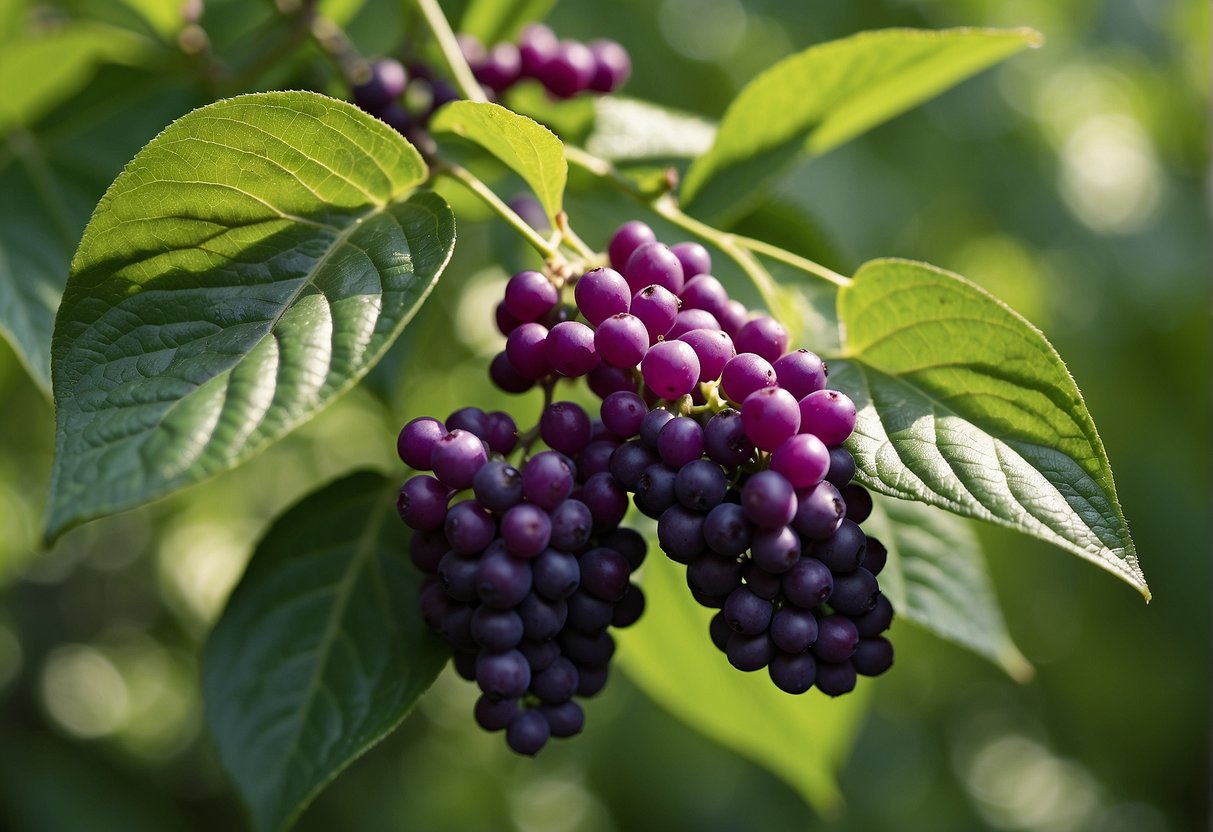
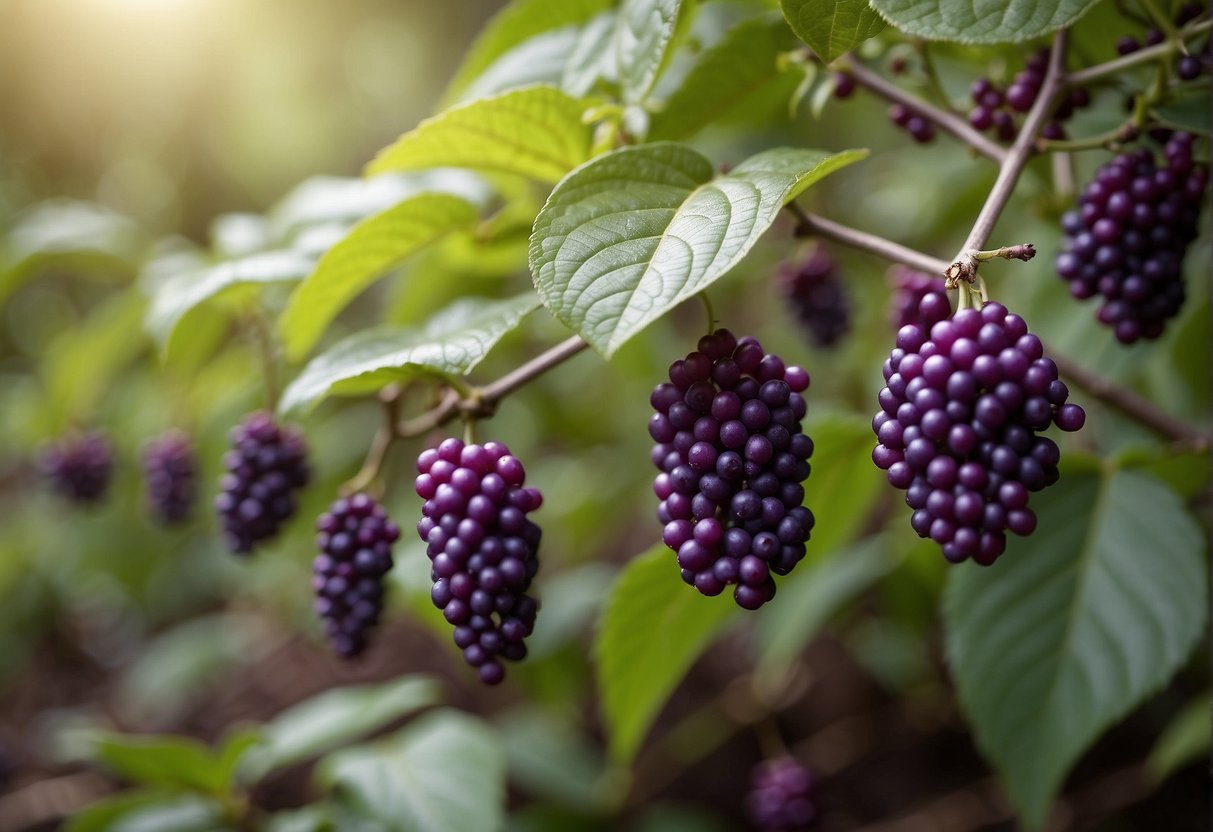
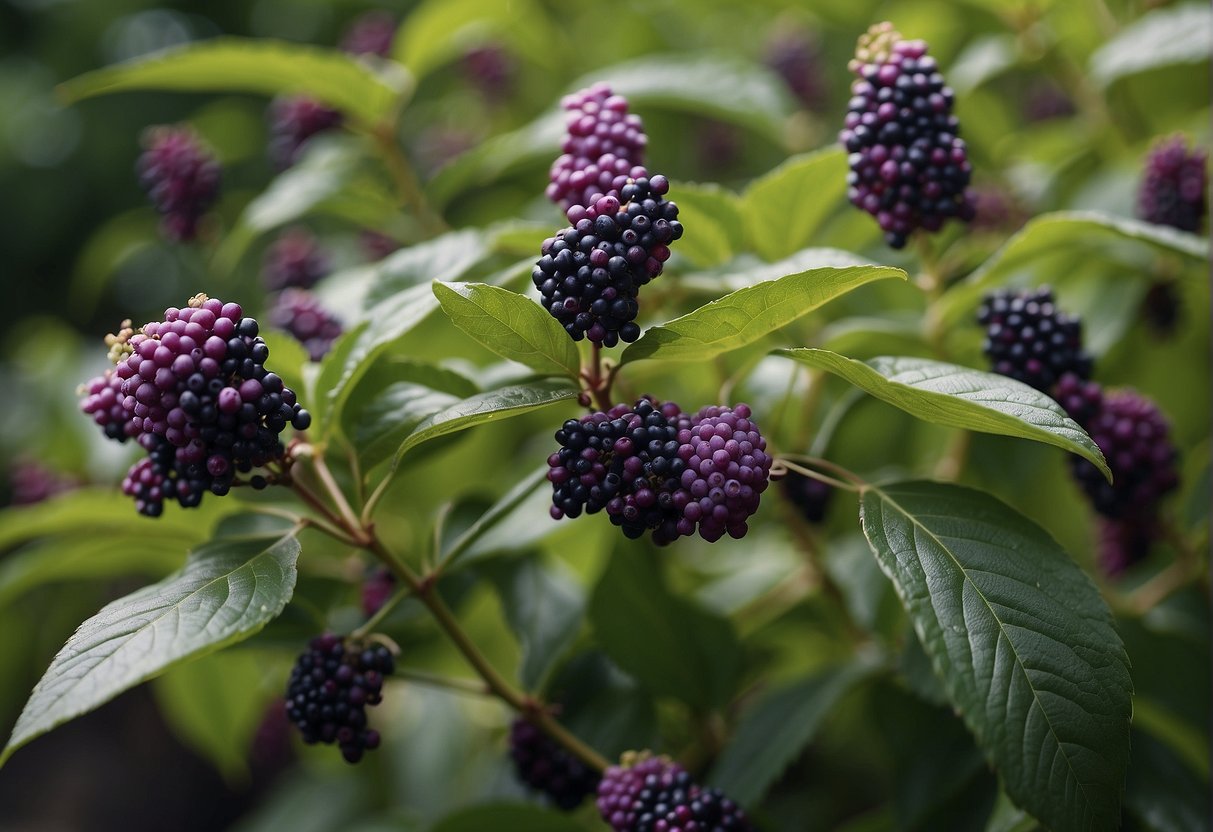
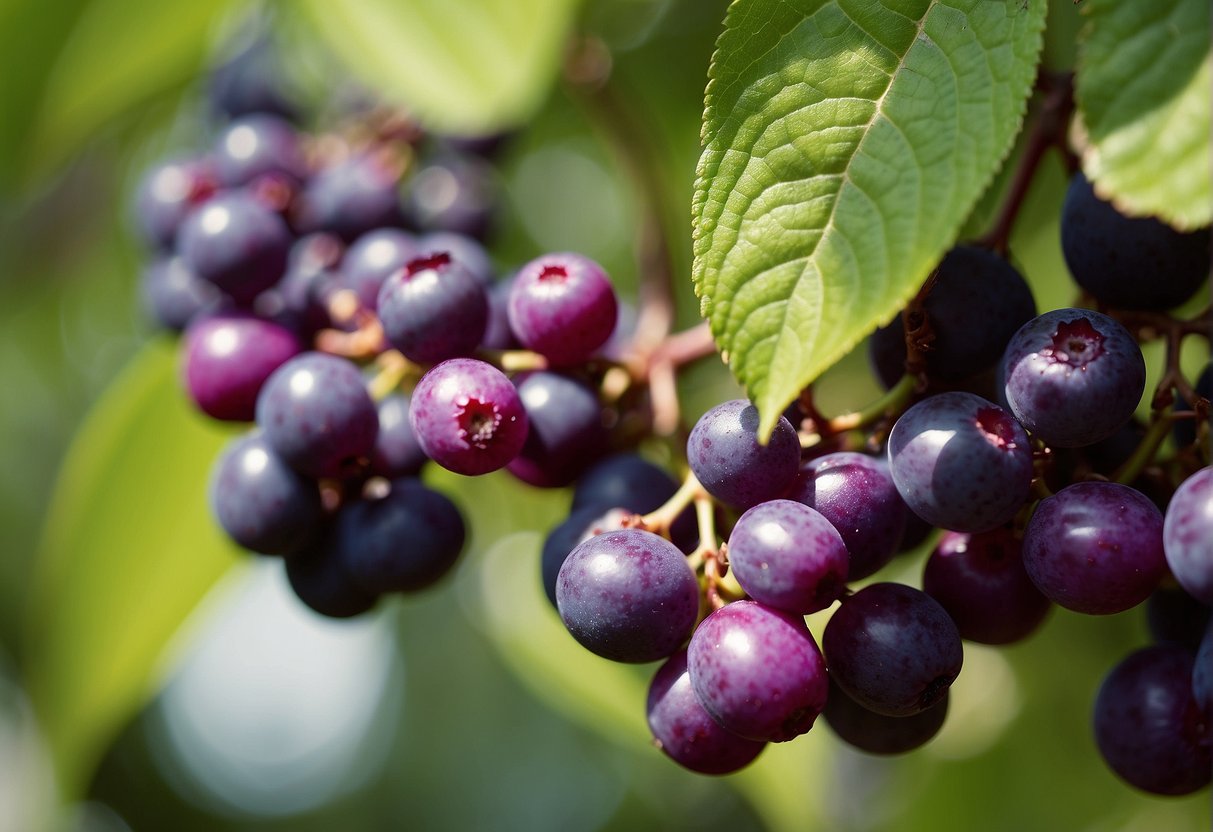
Planting a beautyberry shrub can introduce a vibrant splash of color to your landscape and lure birds and butterflies. Known scientifically as callicarpa, this indigenous bush yields bunches of vivid purple berries during the autumn season. By providing appropriate nurturing and maintenance, this plant can adorn your garden with its charm for many years ahead.
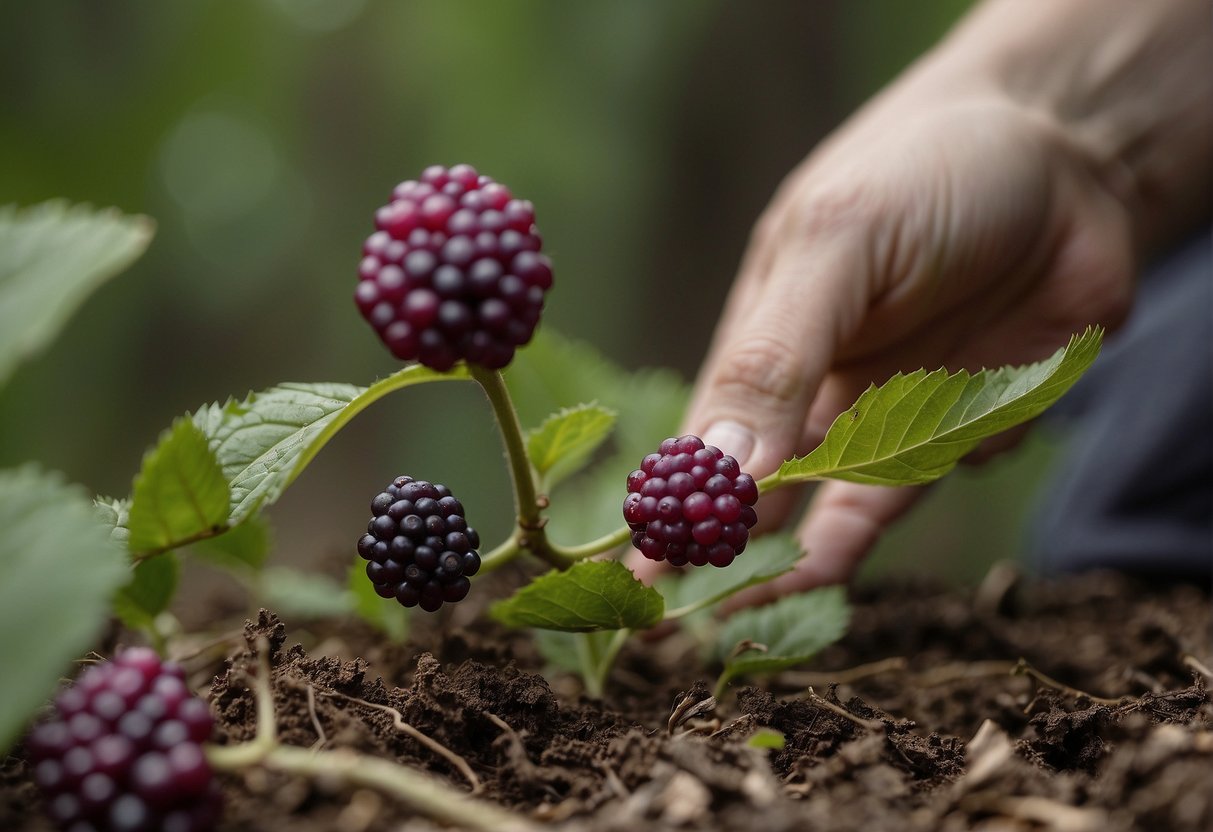
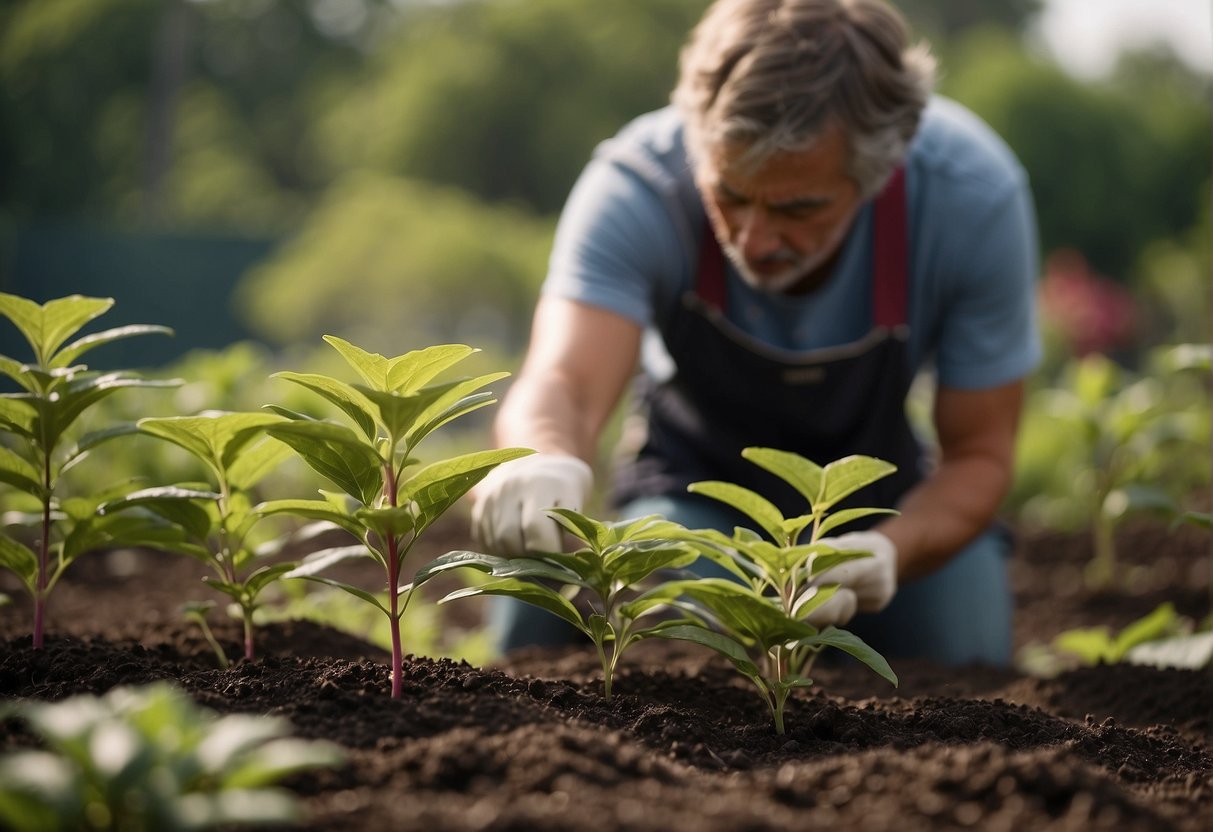
To start, it’s important to choose the right location for your beautyberry. This shrub prefers well-drained soil and partial to full sun. It can also tolerate some shade, but too much shade can result in fewer berries. Once you’ve found the perfect spot, it’s time to get your hands dirty and start planting.
When it comes to propagation and growth, beautyberry can be grown from cuttings or seeds. However, taking cuttings from an existing plant is the most common method. With patience and proper care, your beautyberry bush can grow up to six feet tall and wide. Keep reading to learn more about how to cultivate and care for your beautyberry, as well as answers to some frequently asked questions.
Key Takeaways
Beautyberry is a native shrub that produces bright purple berries in the fall.
The plant prefers well-drained soil and partial to full sun.
Beautyberry can be propagated from cuttings and can grow up to six feet tall and wide with proper care.
Cultivation and Care
Choosing the Right Location
Before planting an American beautyberry (Callicarpa americana), it’s essential to choose the right location. Beautyberry bushes thrive in well-drained soil with a pH between 5.5 and 6.5. They prefer full sun or partial shade, but they can tolerate a wide range of lighting conditions. The soil type should be native, and the site should be free from standing water.
Planting and Watering
When planting an American beautyberry, it’s crucial to ensure that the roots are well-watered. Water the plant deeply once a week, especially during droughts. Adding a layer of mulch around the plant can help retain moisture in the soil. Beautyberry bushes do not require a lot of fertilizer, but adding compost to the soil can improve soil quality and promote healthy growth.
Pruning and Maintenance
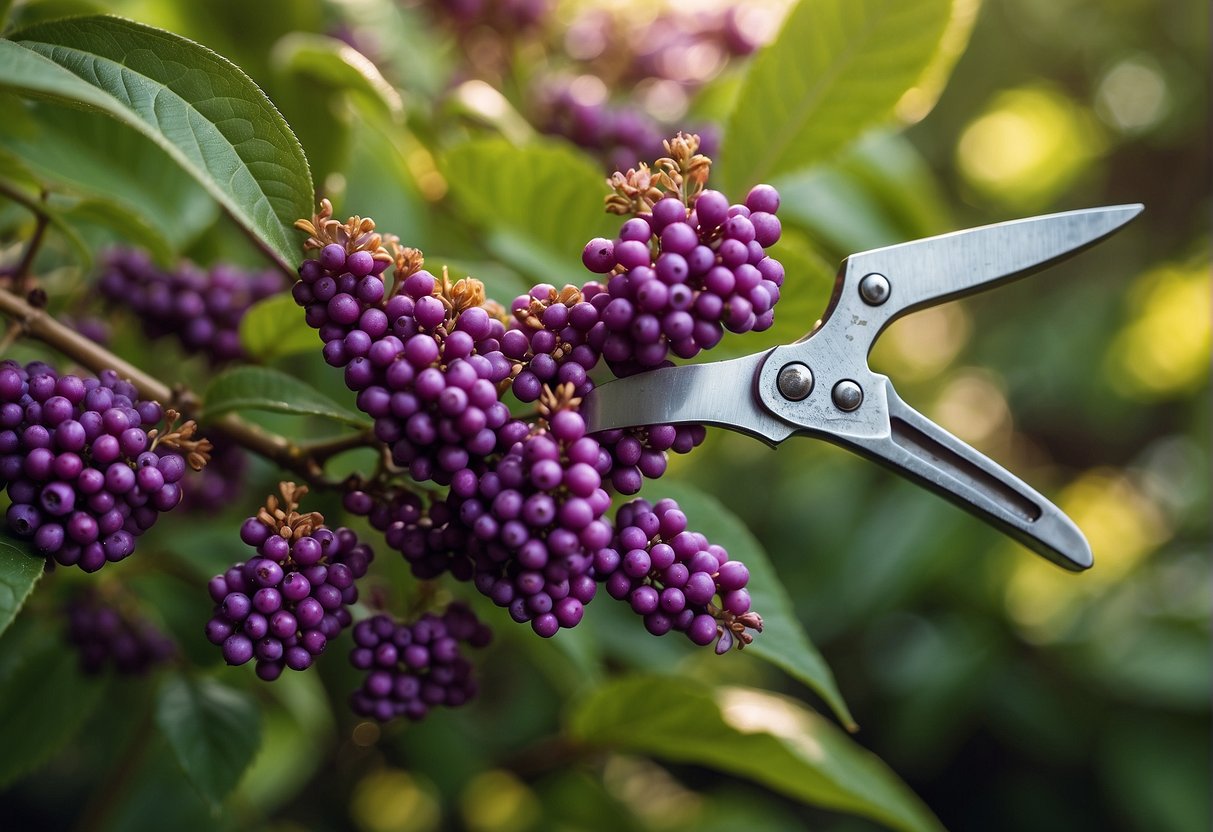
Pruning is an essential part of maintaining an American beautyberry bush. Late winter or early spring is the best time to prune the plant. Remove any dead or diseased branches, and cut back any new growth to promote bushier growth. Regular maintenance, such as watering and pruning, can help ensure that your beautyberry plant stays healthy and produces abundant fruit in the fall.
Propagation and Growth
If you want to grow a beautyberry bush, propagation is a great way to get started. You can either start from seeds or use cuttings and division to grow new plants. Here’s what you need to know about each method:
Starting from Seeds
Starting from seeds is an easy way to grow beautyberry bushes. You can start the seeds indoors in early spring and then transplant them outside once the weather warms up. Here are the steps you need to follow:
Fill a pot with potting mix and moisten it with water.
Plant the seeds about 1/4 inch deep in the potting mix.
Cover the pot with plastic wrap to create a humid environment.
Place the pot in a warm, sunny location.
Keep the potting mix moist but not soaking wet.
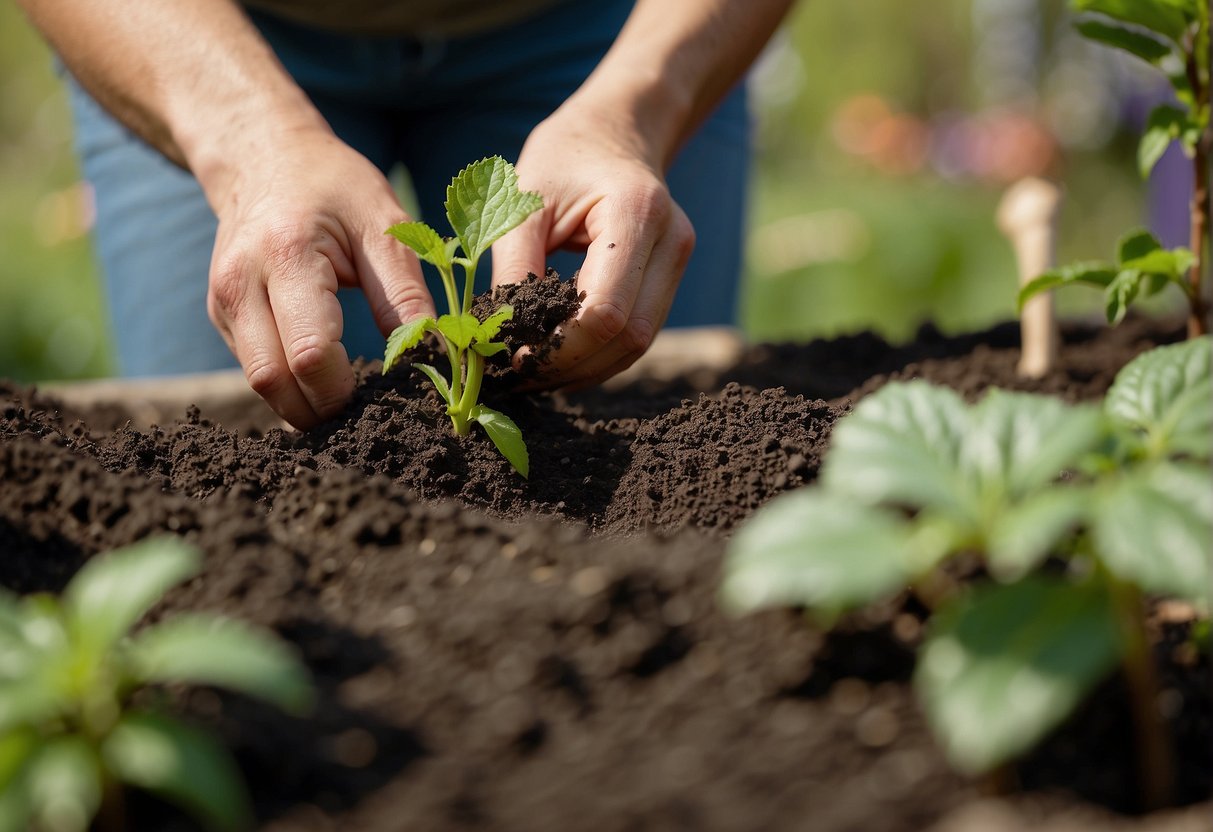
Once the seedlings are a few inches tall, transplant them outside in a sunny location with well-draining soil.
Cuttings and Division
If you already have a beautyberry bush, you can use cuttings and division to grow new plants. Here’s how to do it:
Take softwood cuttings in the summer or early fall. Cut a 4-6 inch stem from the tip of a branch.
Remove the leaves from the bottom half of the stem.
Dip the cut end of the stem in rooting hormone.
Plant the stem in a pot filled with potting mix.
Cover the pot with plastic wrap to create a humid environment.
Place the pot in a warm, sunny location.
Keep the potting mix moist but not soaking wet.
Once the cutting has rooted, transplant it outside in a sunny location with well-draining soil.
You can also divide an existing beautyberry bush in early spring. Dig up the plant and separate it into smaller sections, making sure each section has roots and stems. Replant each section in a sunny location with well-draining soil.
No matter which method you choose, beautyberry bushes grow best in full sun to partial shade and can reach a height of 5-8 feet. They are hardy to USDA zones 6-10 and can tolerate frost. Beautyberry bushes bloom in the summer and produce bright purple fruit in the fall. With the right care and attention, you can enjoy the beauty of these plants in your own garden.
Frequently Asked Questions
What are the ideal conditions for planting a beautyberry bush?
Beautyberry bushes thrive in well-drained soil that is rich in organic matter. They prefer partial shade, but can also tolerate full sun. The ideal growing conditions for a beautyberry bush include a soil pH between 5.5 and 6.5, and a consistent moisture level.
What is the best method to propagate a beautyberry bush?
The easiest way to propagate a beautyberry bush is through softwood cuttings taken in early summer. Simply take a 4- to 6-inch cutting from the tip of a stem, remove the lower leaves, and dip the cut end in rooting hormone. Plant the cutting in a pot filled with a well-draining soil mix and keep it moist until roots form.
When is the optimal time to plant beautyberry seeds?
Beautyberry seeds should be planted in the fall, ideally in October or November. They require a period of cold stratification to germinate, so it is recommended to sow them outdoors in a prepared bed or pot and let nature take its course.
How do you care for a beautyberry plant throughout the seasons?
In the spring, prune any dead or damaged wood and fertilize with a balanced fertilizer. In the summer, keep the plant watered and mulched to retain moisture. In the fall, remove any fallen leaves and cut back any overgrown branches. In the winter, protect the plant from harsh winds and cold temperatures with a layer of mulch.
What common issues do beautyberry plants face and how can they be addressed?
Beautyberry plants are generally pest and disease resistant, but can occasionally be affected by powdery mildew or spider mites. To address these issues, remove any infected leaves or branches and treat the plant with an appropriate fungicide or insecticide.
What are the zone requirements for growing a healthy beautyberry bush?
Beautyberry bushes are hardy in USDA zones 6 to 10. They can tolerate temperatures as low as -10°F (-23°C) when established, but may require additional protection in colder climates.
Hi Lovelies ! I made this blog to share my tips about Home Improvement, Children, Pets, Food, Gadgets, Automotive, Health & Beauty, and ways to be frugal while maintaining a natural lifestyle. Interested to be a Guest Blogger on my website? Please email me at: [email protected]