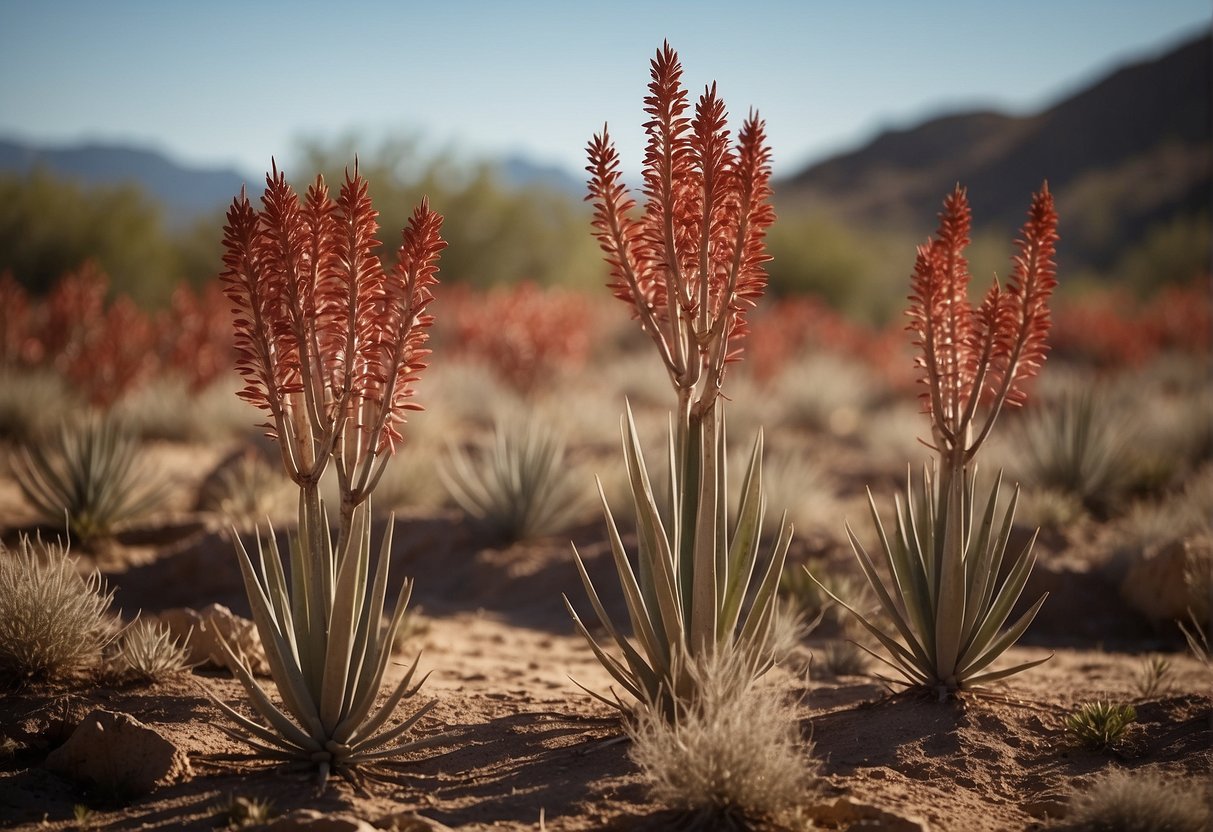
Home » Blog » How to Successfully Grow and Care for Yucca Plants
How to Successfully Grow and Care for Yucca Plants
December 29, 2024
Should you be in the market for a plant that’s easy to care for and brings a tropical flair to your living space or garden, consider the yucca plant an ideal option. Originally from the dry areas of the Americas, including North, Central, and South regions, these durable plants are celebrated for their eye-catching leaves and minimal care needs. Regardless of your gardening experience, from expert to novice, nurturing yucca plants proves to be an effortless and gratifying task.
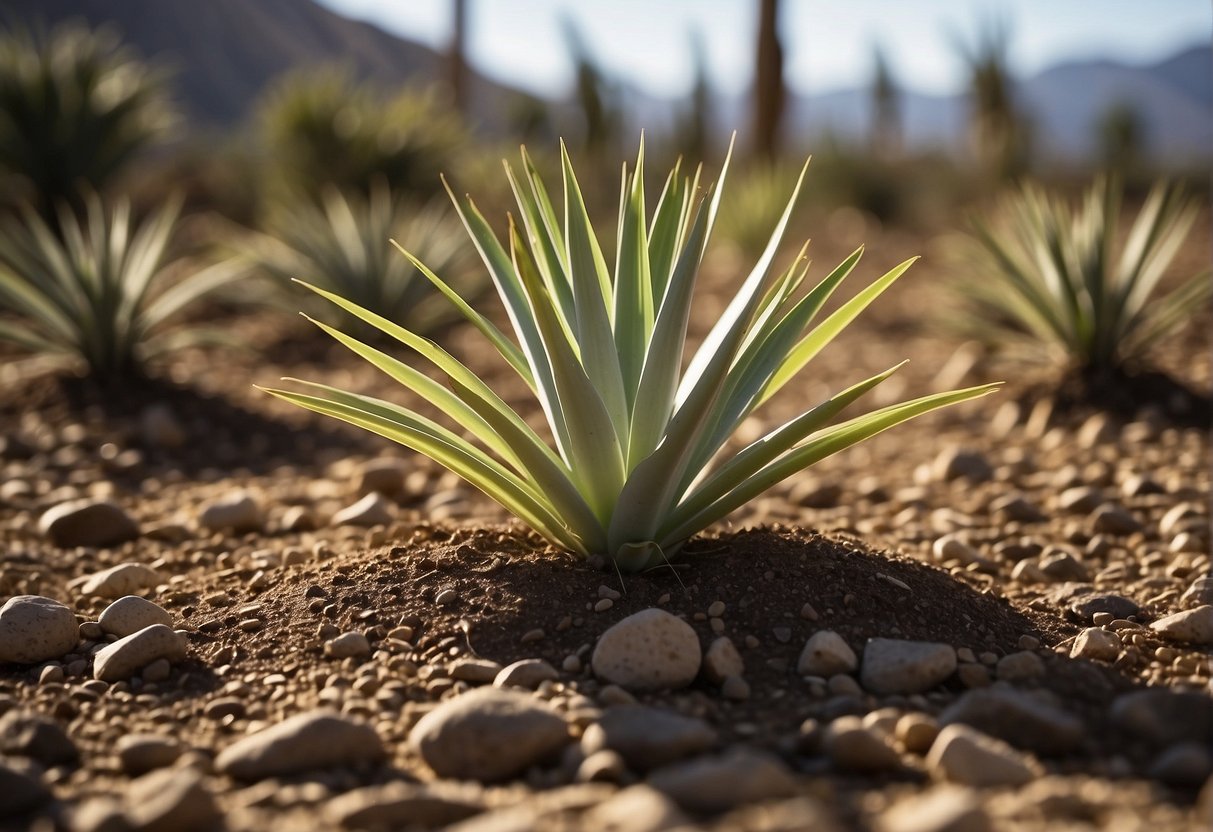
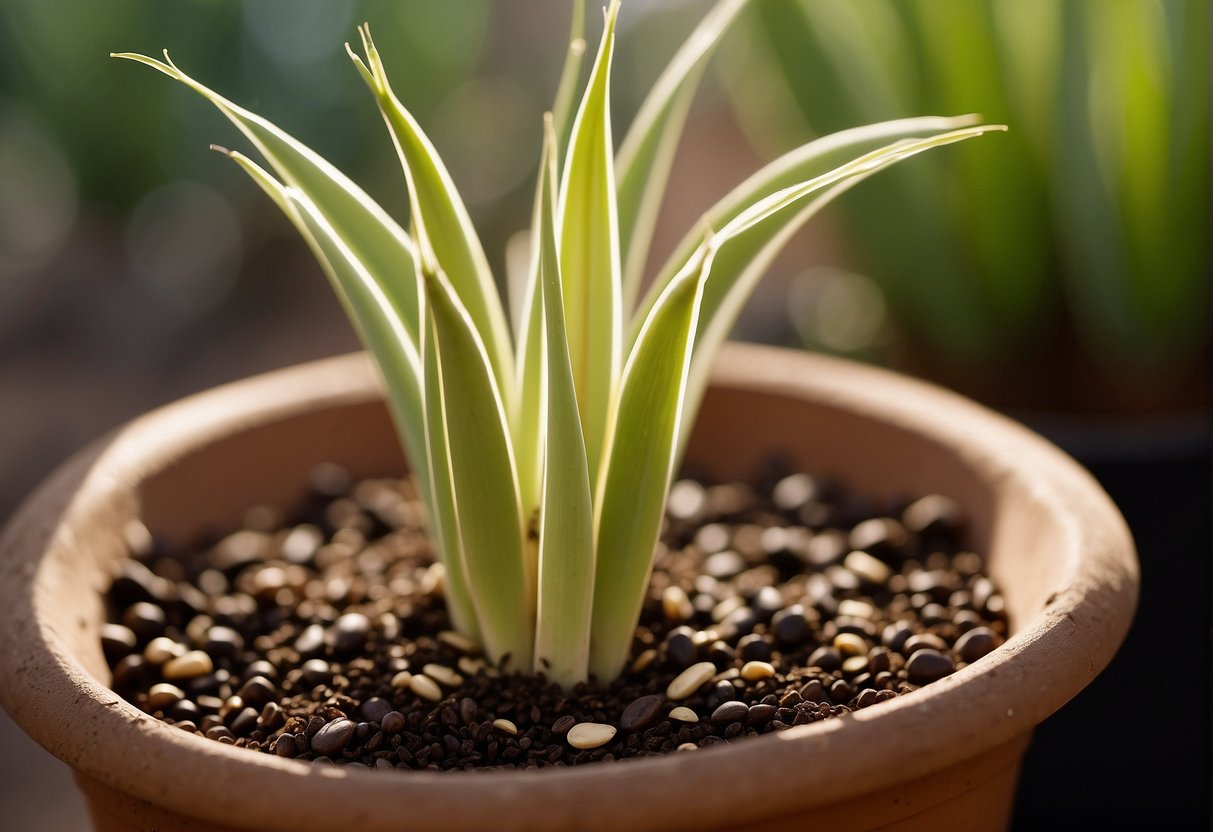
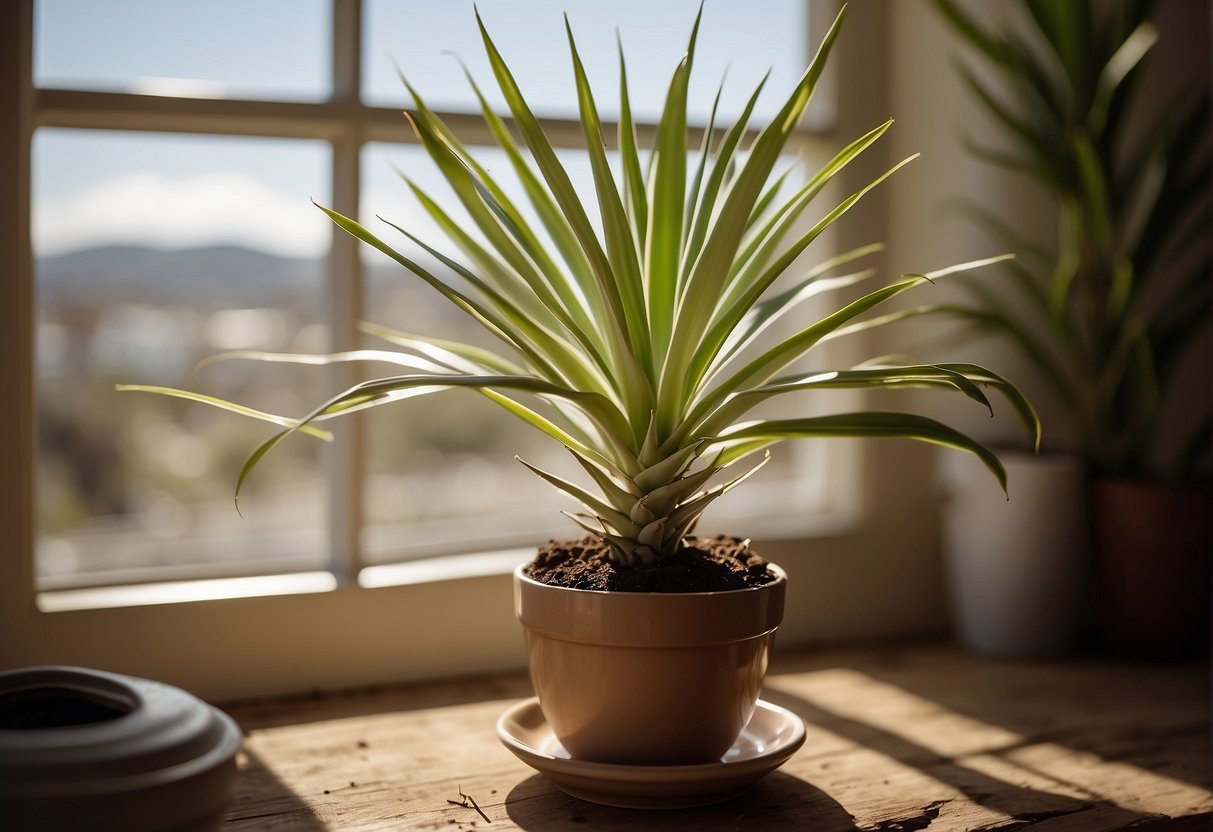
To get started with growing yucca plants, you’ll need to choose the right location and soil. These plants prefer well-draining soil and plenty of sunlight, so make sure to select a spot that gets at least six hours of direct sunlight each day. If you’re planting yucca in a garden, make sure the soil is well-draining and not too moist. If you’re growing yucca indoors, choose a pot with drainage holes and use a well-draining potting mix.
Once your yucca plant is established, it’s important to maintain and care for it properly. Yucca plants are drought-tolerant, so be careful not to overwater them. Allow the soil to dry out completely between waterings, and avoid getting water on the leaves or stem. Yucca plants also benefit from occasional fertilization and pruning to keep them looking their best. With a little bit of attention and care, your yucca plant will thrive for years to come.
Key Takeaways
Yucca plants prefer well-draining soil and plenty of sunlight.
These plants are drought-tolerant and require minimal watering.
Regular fertilization and pruning can help keep yucca plants healthy and looking their best.
Planting and Soil Requirements
Choosing the Right Location
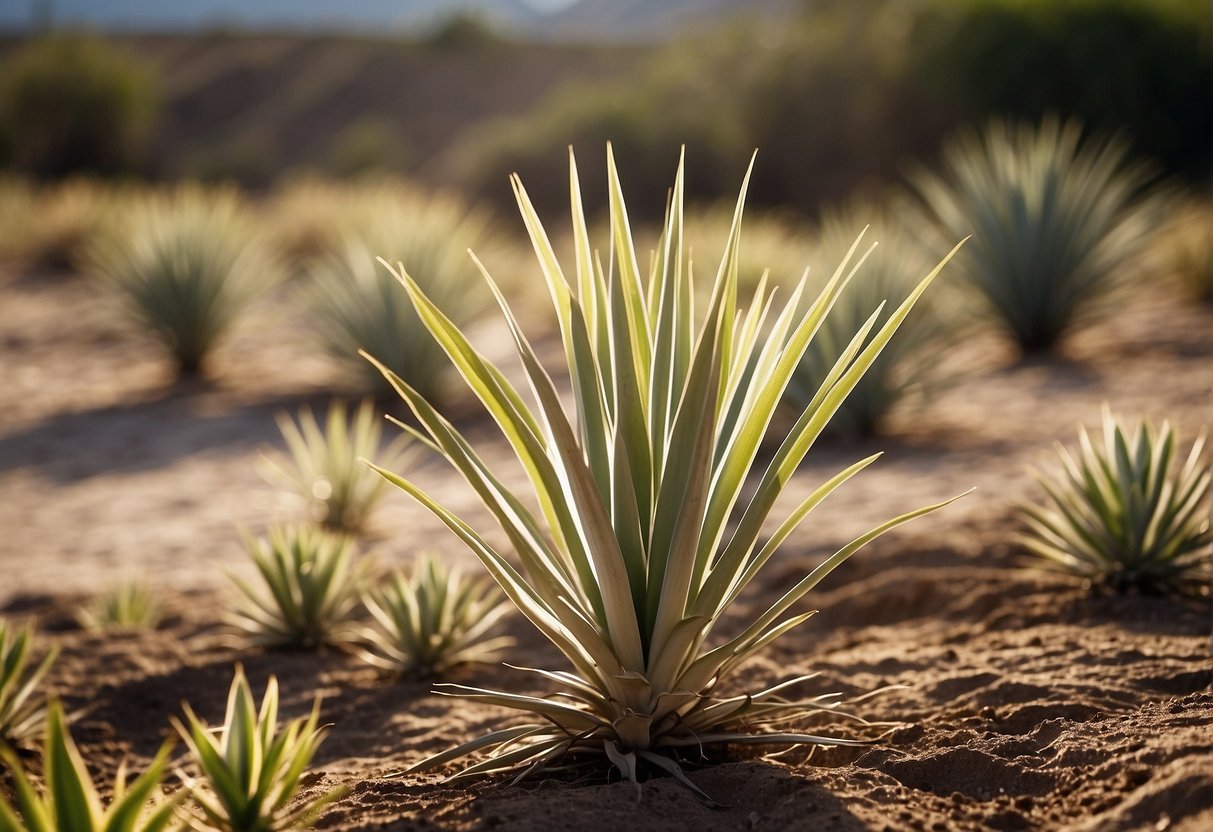
When it comes to planting yucca plants, choosing the right location is crucial. Yucca plants thrive in full sun, so select an area that receives at least 6 hours of direct sunlight each day. Additionally, consider the garden design and landscaping when selecting the location. Yucca plants can add a unique architectural element to a garden, so choose a spot that will showcase their beauty.
Soil Preparation
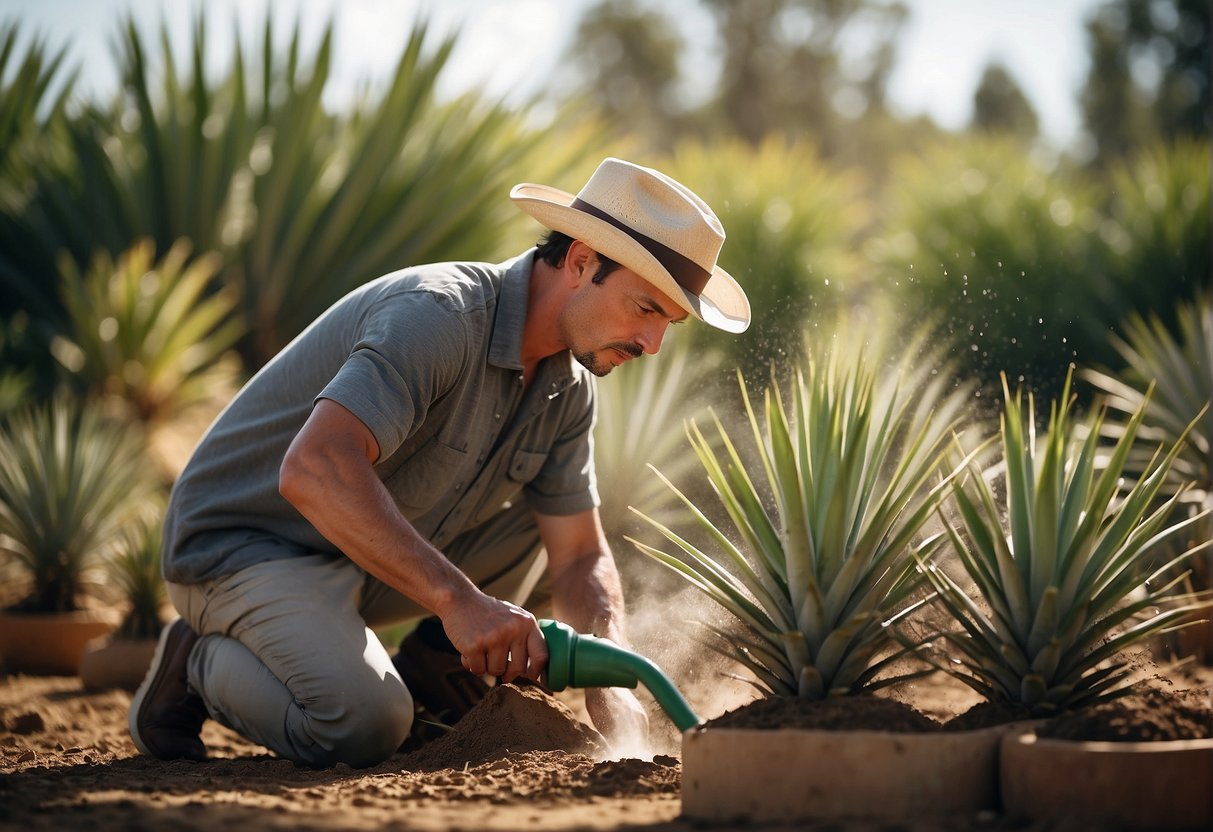
Yucca plants require well-draining, well-drained soil to thrive. Before planting, prepare the soil by adding organic matter such as compost or aged manure. This will help improve soil drainage and nutrient content. If the soil is heavy and clay-like, consider adding sand or perlite to improve drainage.
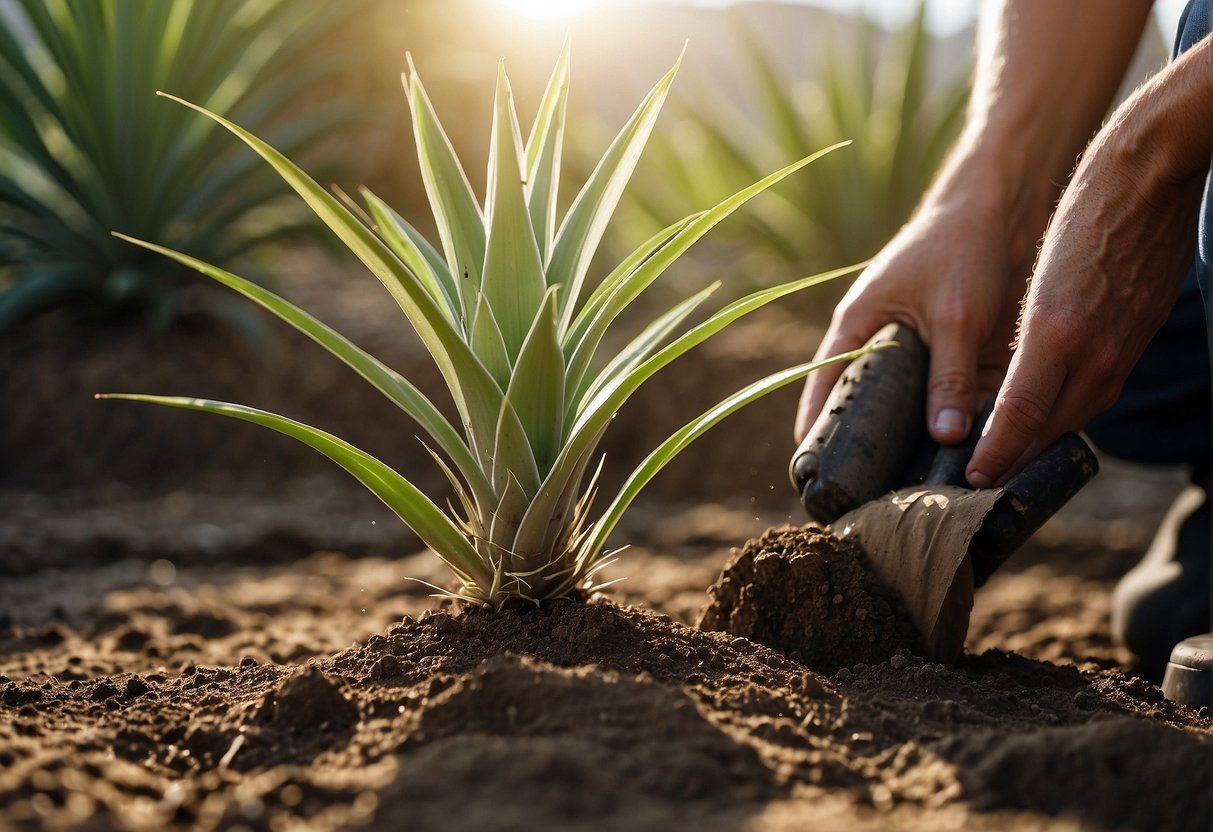
When planting, dig a hole that is slightly larger than the root ball of the yucca plant. Place the plant in the hole and backfill with soil, gently firming the soil around the roots. Water the plant thoroughly after planting to help settle the soil around the roots.
It’s important to note that different yucca species may have slightly different soil requirements. For example, Yucca filamentosa prefers slightly acidic soil, while Yucca aloifolia prefers alkaline soil. Be sure to research the specific requirements of the yucca species you are planting to ensure optimal growth.
Overall, by selecting the right location and preparing the soil properly, you can set your yucca plants up for success and enjoy their beauty for years to come.
Maintenance and Care
Yucca plants are hardy and easy to care for, making them a great addition to any garden or indoor space. Proper maintenance and care are essential to ensure your yucca plant remains healthy and vibrant. Here are some tips to help you care for your yucca plant.
Watering and Feeding
Yucca plants are drought-tolerant and do not require frequent watering. Overwatering can lead to root rot, which can be fatal to the plant. Water your yucca plant sparingly, allowing the soil to dry out completely between waterings. During the growing season, fertilize your yucca plant with a balanced fertilizer once a month to provide the necessary nutrients for healthy growth.
Pruning and Propagation
Pruning your yucca plant is essential to maintain its shape and promote new growth. Use sharp pruning shears to remove dead or damaged leaves and stems. Yucca plants can be propagated through stem cuttings or offsets. To propagate your yucca plant, take a stem cutting or offset and plant it in well-draining soil. Keep the soil moist and place the plant in a bright, sunny location.
Pest and Disease Management
Yucca plants are generally pest and disease-resistant, but they can be affected by mealybugs, scale, and aphids. Regularly inspect your plant for signs of pests and treat them with insecticidal soap or neem oil. Yucca plants can also be affected by root rot, which is caused by overwatering. To prevent root rot, ensure that the soil is well-draining and water your plant sparingly.
By following these tips, you can ensure that your yucca plant remains healthy and vibrant. With proper maintenance and care, your yucca plant will thrive for years to come.
Frequently Asked Questions
What are the ideal conditions for growing a yucca plant indoors?
Yucca plants thrive in bright, indirect sunlight and well-draining soil. They prefer temperatures between 60-80°F (15-27°C) and can tolerate low humidity. It’s important to avoid overwatering your yucca plant as it can lead to root rot.
How should I care for my yucca plant during the winter months outdoors?
Yucca plants are hardy and can tolerate cold temperatures, but they may require some protection during extreme winter weather. It’s best to keep them in a sheltered area and cover them with a frost cloth or blanket if temperatures drop below 20°F (-6°C). Watering should be reduced during the winter to prevent root rot.
What are the common problems faced by indoor yucca plants and how can I prevent them?
Indoor yucca plants are susceptible to spider mites, mealybugs, and scale insects. These pests can be prevented by regularly wiping the leaves with a damp cloth and keeping the plant well-ventilated. Overwatering can also lead to root rot, so it’s important to allow the soil to dry out between waterings.
How often should I water my potted yucca plant?
Yucca plants prefer to be slightly dry, so it’s important to allow the soil to dry out between waterings. In general, it’s best to water your yucca plant once every 1-2 weeks during the growing season and reduce watering during the winter.
What is the proper technique for pruning a yucca plant?
Pruning a yucca plant is best done in the spring or summer. Use clean, sharp shears to remove any dead or damaged leaves. You can also trim the top of the plant to encourage branching. Be sure to wear gloves as the leaves have sharp edges.
Can yucca plants be propagated, and if so, what is the best method?
Yes, yucca plants can be propagated through stem cuttings or by removing offsets from the base of the plant. Stem cuttings should be taken in the spring or summer and allowed to dry out for a few days before planting in well-draining soil. Offsets can be removed and planted in their own pots with fresh soil.
Hi Lovelies ! I made this blog to share my tips about Home Improvement, Children, Pets, Food, Gadgets, Automotive, Health & Beauty, and ways to be frugal while maintaining a natural lifestyle. Interested to be a Guest Blogger on my website? Please email me at: [email protected]