Home » Blog » How to Care for Yucca Plants Inside: Tips and Tricks
How to Care for Yucca Plants Inside: Tips and Tricks
December 28, 2024
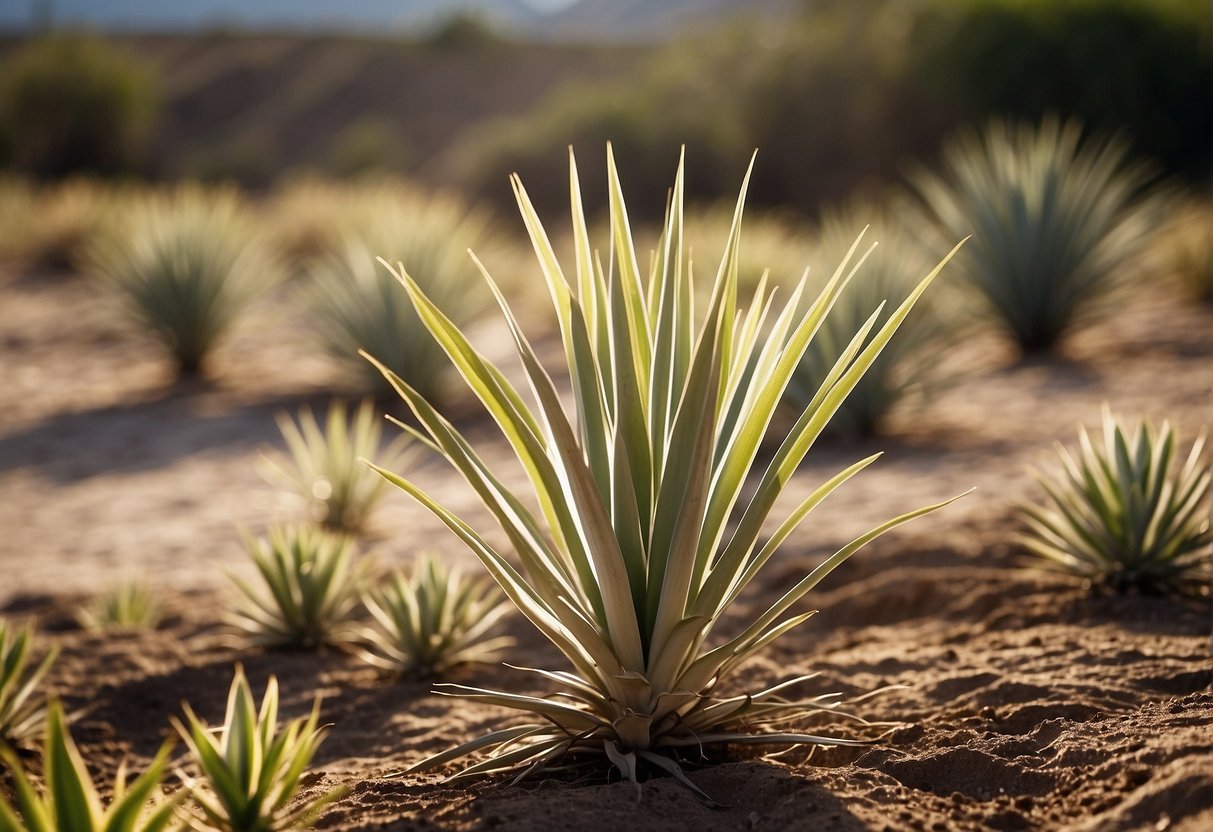
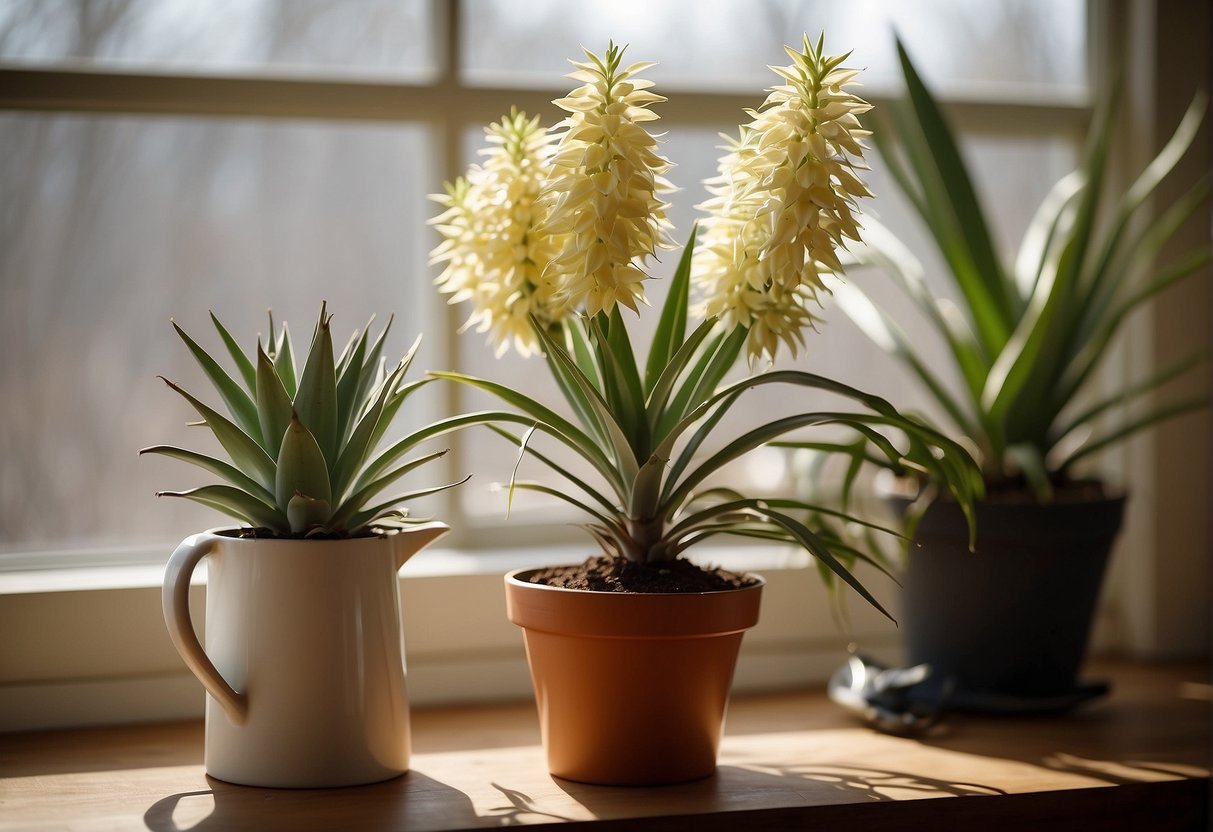
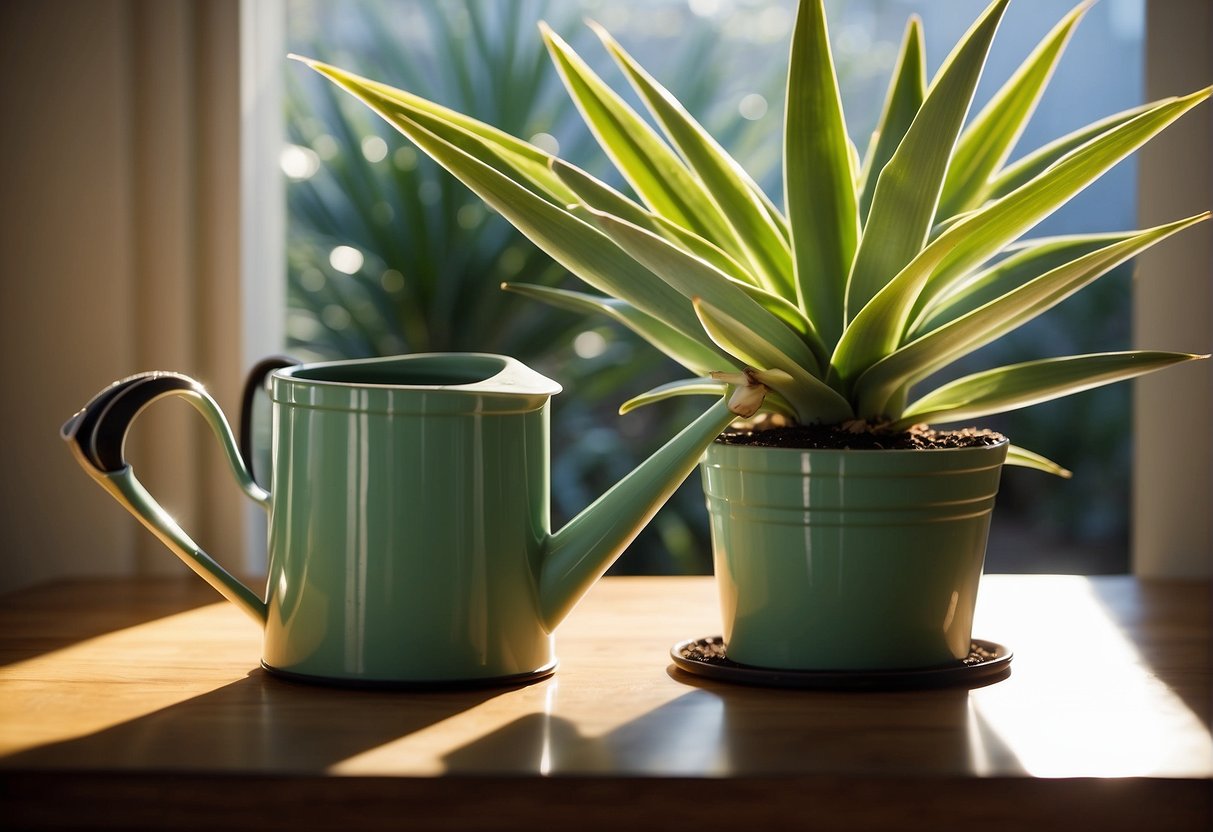
Searching for an indoor plant that is both fashionable and simple to maintain? Consider the yucca plant as an ideal option. Known for their bold looks and durability, these plants are favored by both beginners and seasoned plant enthusiasts. In our guide, we will go through all the essential details regarding how to look after yucca plants indoors, including the best conditions for growth and advice on how to care for them.
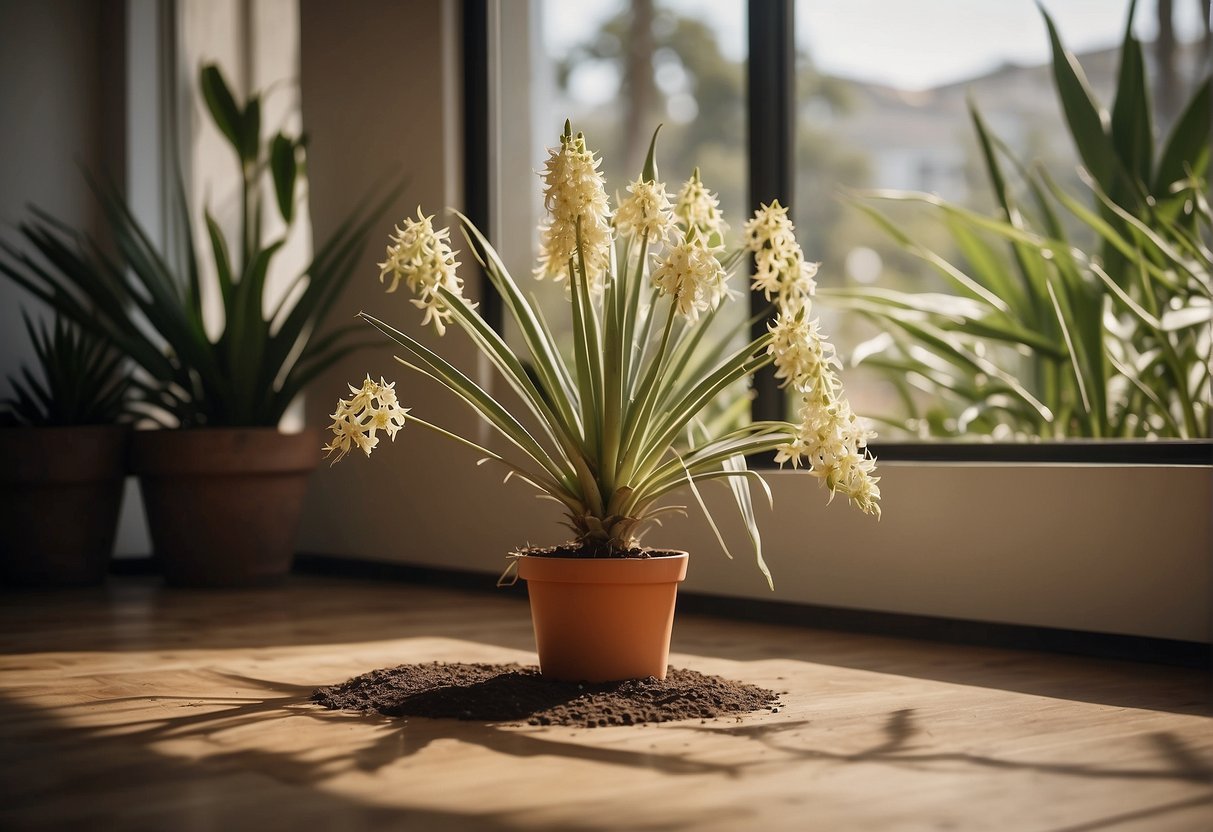
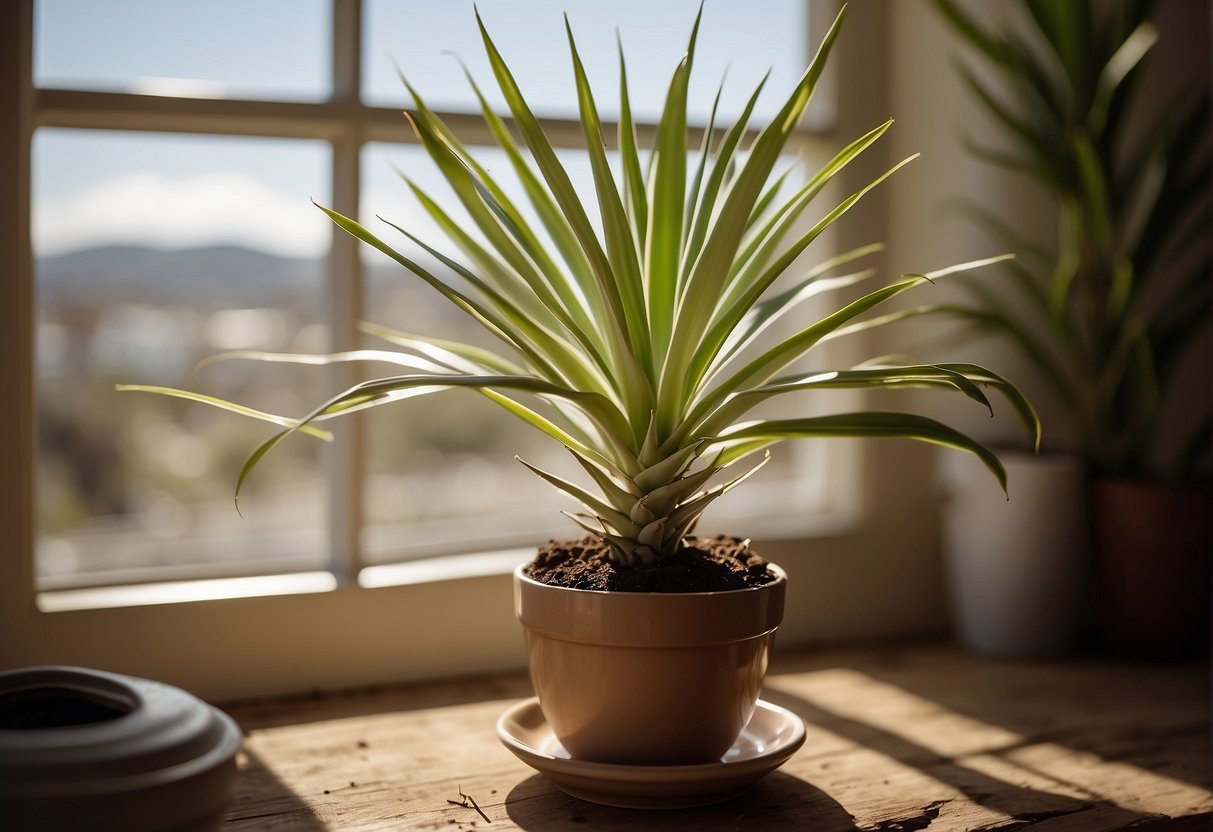
To start, it’s important to understand the optimal growing conditions for your indoor yucca plant. These plants thrive in bright, indirect sunlight, so be sure to place them near a window or in a well-lit area of your home. They also prefer well-draining soil and should be watered sparingly, allowing the soil to dry out between waterings. With the right conditions, your yucca plant should thrive and grow quickly.
Of course, caring for any indoor plant can be a bit of a challenge, especially if you’re new to plant ownership. That’s why we’ve put together this comprehensive guide to help you care for your yucca plant and keep it looking healthy and vibrant. Whether you’re dealing with pest problems or simply trying to figure out the best way to water your plant, we’ve got you covered. Read on to learn more about caring for yucca plants inside.
Key Takeaways
Yucca plants thrive in bright, indirect sunlight and well-draining soil.
Water your yucca plant sparingly, allowing the soil to dry out between waterings.
Regular maintenance and care, including pest control and pruning, can help keep your yucca plant healthy and vibrant.
Optimal Growing Conditions
To ensure that your yucca plant thrives indoors, it’s important to provide it with the optimal growing conditions. Here are some factors to consider:
Light Requirements
Yucca plants prefer bright, indirect light, but they can also tolerate full sun. If you’re growing your yucca plant indoors, make sure it’s placed near a window that receives plenty of natural light. If your yucca plant isn’t getting enough light, its leaves may start to droop or turn yellow.
Soil and Drainage
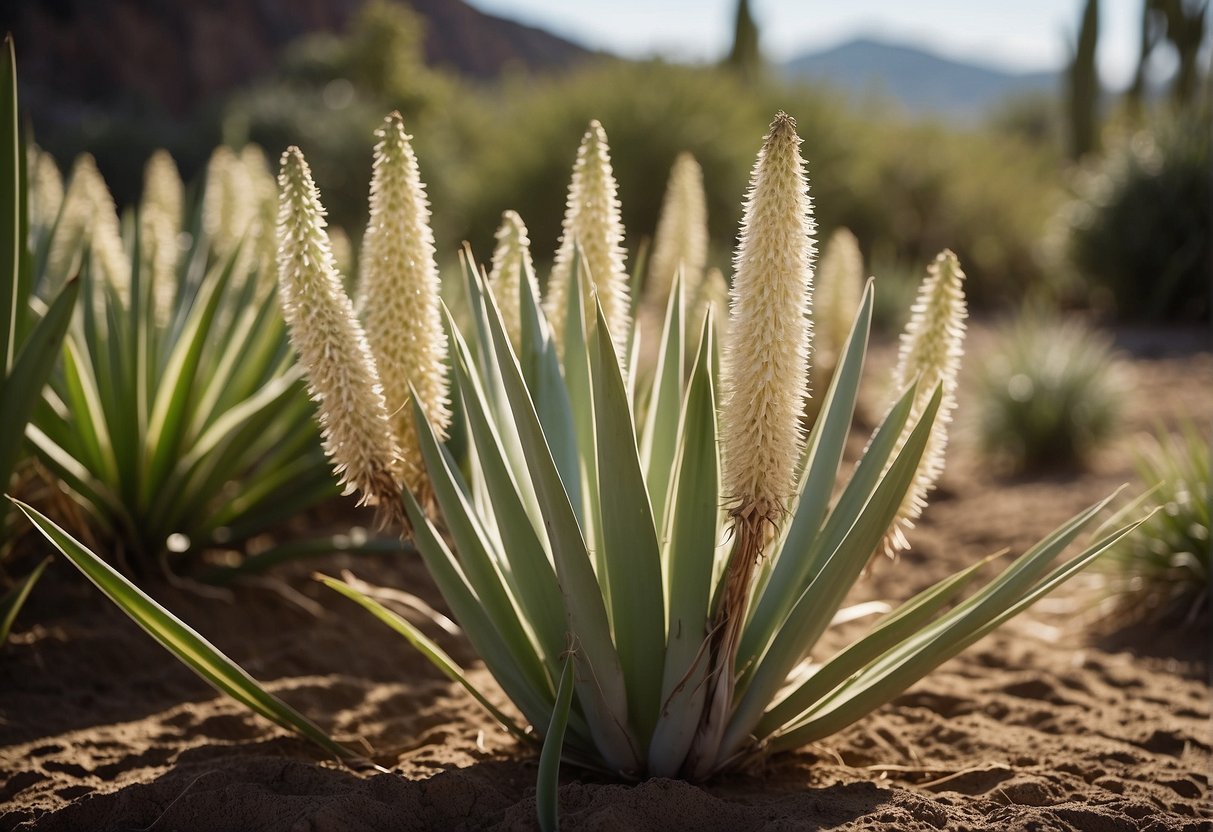
Yucca plants require well-draining soil to prevent root rot. Make sure your pot has drainage holes and use a mixture of sand, perlite, and potting soil to improve drainage. Yucca plants are drought-tolerant, so be careful not to overwater them.
Watering Practices
Water your yucca plant thoroughly, but allow the soil to dry out completely before watering it again. Yucca plants can go several weeks without water, so it’s better to underwater than overwater. Overwatering can lead to root rot and other problems.
Temperature and Humidity
Yucca plants prefer moderate humidity and can tolerate a wide range of temperatures. They can survive in temperatures as low as 30°F and as high as 90°F. However, they prefer temperatures between 60°F and 80°F. Keep your yucca plant away from cold drafts and air conditioning vents.
By providing your yucca plant with the optimal growing conditions, you can ensure that it will thrive indoors. Remember to monitor its light, soil, water, temperature, and humidity levels to keep it healthy and happy.
Maintenance and Care
Caring for your yucca plants inside is not a difficult task, but it requires regular attention. In this section, we will discuss the various aspects of maintenance and care that you need to keep in mind to ensure that your yucca plants remain healthy and vibrant.
Fertilizing and Feeding
Yucca plants do not require frequent fertilization, but they do benefit from occasional feeding. You can use a time-release fertilizer or a liquid fertilizer to nourish your plants. Apply the fertilizer during the growing season, which typically runs from spring to fall. Be sure to follow the instructions on the package carefully to avoid over-fertilizing, which can damage your plants.
Pruning and Shaping
Pruning and shaping your yucca plants is essential to maintain their shape and size. Use clean, sharp pruning shears to remove any dead or damaged leaves or stems. You can also prune your plants to control their height and shape. Yucca plants are relatively slow-growing, so you do not need to prune them frequently. However, if you notice any overcrowding or uneven growth, it is best to prune the affected areas.
Pest and Disease Management
Yucca plants are generally resistant to pests and diseases. However, they can be susceptible to mealybugs, scale, and root rot. Mealybugs and scale can be treated with insecticidal soap or a mixture of water and rubbing alcohol. Root rot can be prevented by ensuring that your plants are not overwatered and that the soil is well-draining. If you notice any signs of fungal disease, such as yellowing or wilting leaves, remove the affected leaves and treat the plant with a fungicide.
Propagation Techniques
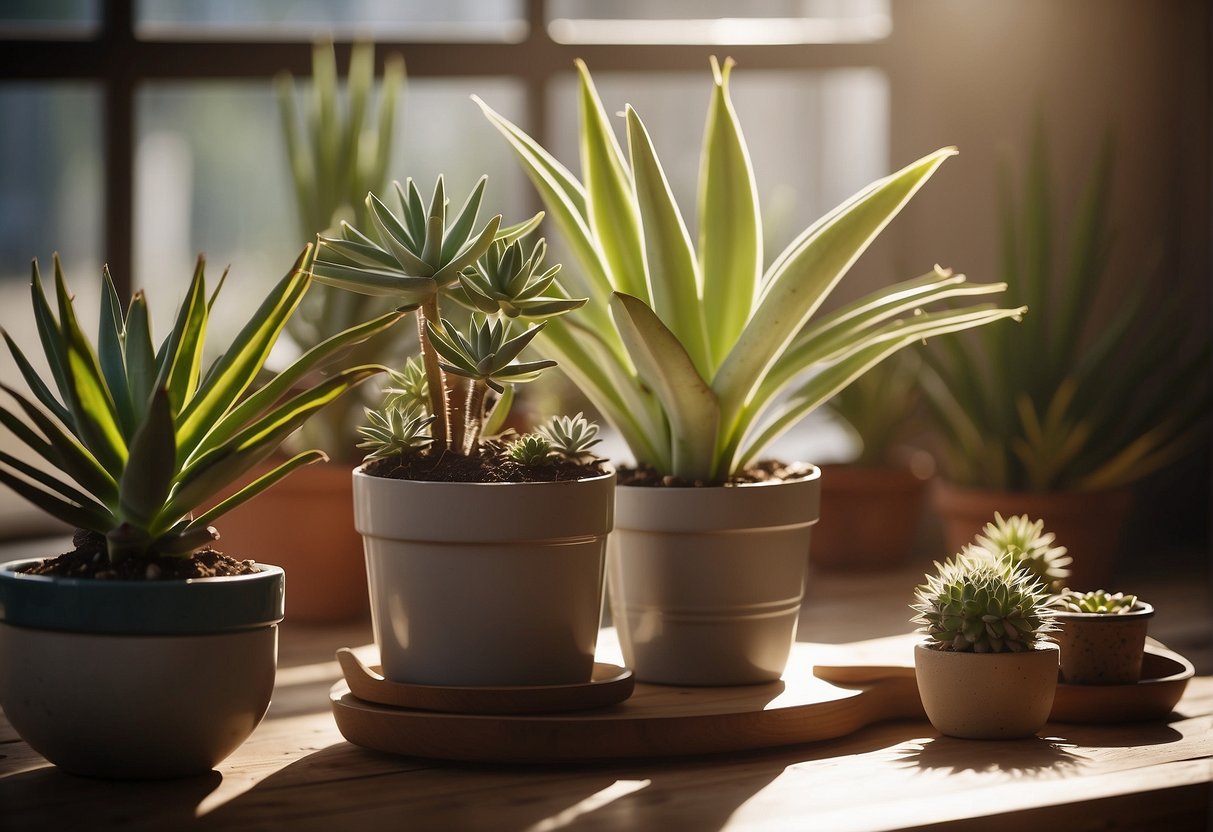
Propagating yucca plants is relatively easy and can be done by stem cuttings or by dividing the plant’s roots. To propagate using stem cuttings, select a healthy stem and cut it at an angle. Allow the cutting to dry for a few days before planting it in a well-draining soil mix. To propagate by dividing the roots, carefully remove the plant from its pot and separate the roots into smaller sections. Plant each section in a separate pot with fresh soil.
By following these maintenance and care tips, you can ensure that your yucca plants remain healthy and vibrant. Remember to check your plants regularly for signs of pests or disease and to provide them with adequate nutrition and pruning as needed. With a little bit of attention, your yucca plants will thrive and add beauty to your indoor space.
Frequently Asked Questions
What is the ideal lighting condition for an indoor yucca plant?
Yucca plants prefer bright, indirect light. Place your indoor yucca near a window that receives plenty of sunlight, but avoid direct sunlight as it can scorch the leaves. If your yucca plant is not getting enough light, its leaves may turn yellow and droop.
How do I identify and treat common pests on indoor yucca plants?
Common pests that can infest yucca plants include spider mites, mealybugs, and scale insects. Look for signs of infestation such as webbing, white cotton-like masses, or small bumps on the leaves. To treat pests, wipe the affected leaves with a damp cloth or use an insecticidal soap.
What are the signs of overwatering in yucca plants, and how can I avoid it?
Overwatering can cause root rot, which can be fatal to yucca plants. Signs of overwatering include yellowing leaves, a mushy stem, and a foul odor. To avoid overwatering, allow the soil to dry out between waterings and ensure proper drainage.
Can you provide tips for fertilizing indoor yucca plants?
Yucca plants do not require frequent fertilization, but you can feed them once a month during the growing season with a balanced fertilizer. Be sure to dilute the fertilizer to half strength and apply it to damp soil.
How should I prune my indoor yucca to maintain its health and appearance?
To maintain the health and appearance of your indoor yucca, prune the dead or yellowing leaves at the base of the stem using clean, sharp shears. You can also trim the stem to control the height of the plant. Avoid pruning more than one-third of the plant at a time.
What steps should I take to repot a yucca plant growing indoors?
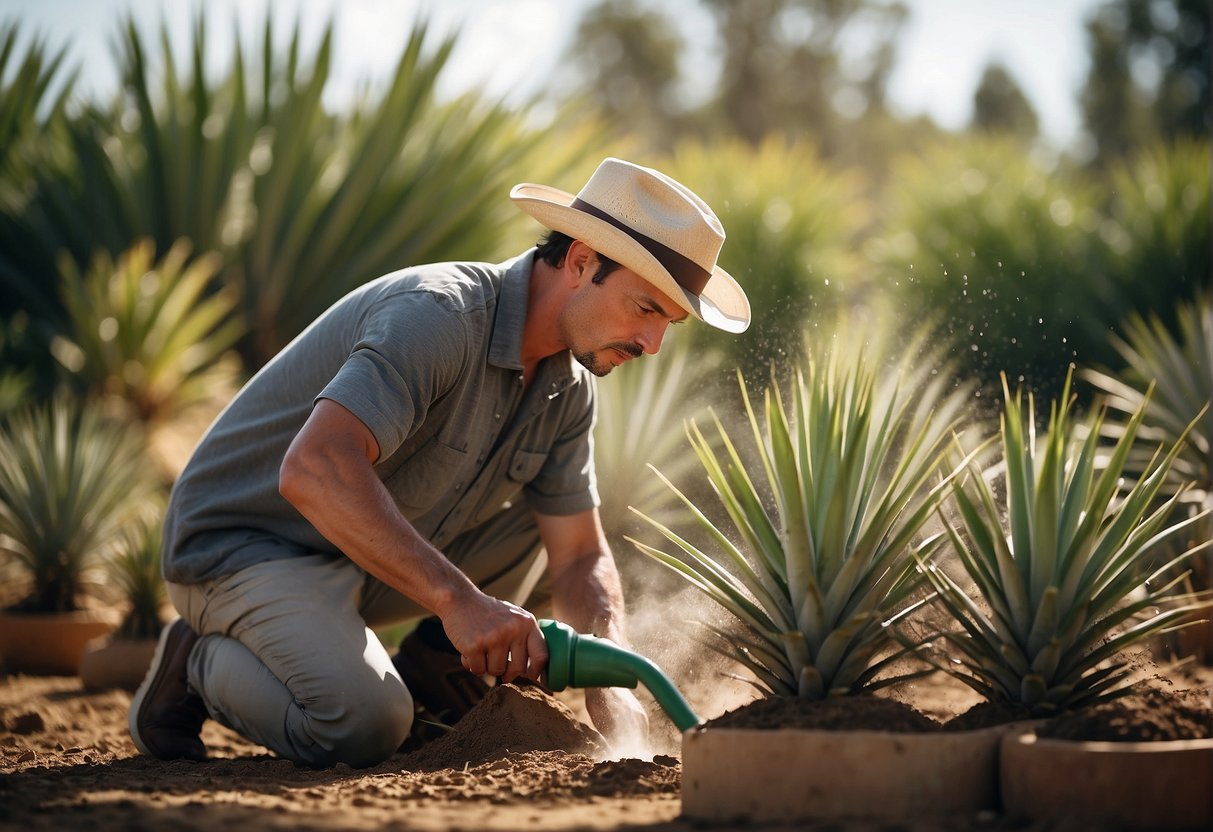
Repot your indoor yucca every two to three years using a well-draining soil mix. Choose a pot that is one size larger than the current pot and ensure it has drainage holes. Gently remove the plant from its current pot and loosen the roots before placing it in the new pot. Fill in with soil and water thoroughly.
Hi Lovelies ! I made this blog to share my tips about Home Improvement, Children, Pets, Food, Gadgets, Automotive, Health & Beauty, and ways to be frugal while maintaining a natural lifestyle. Interested to be a Guest Blogger on my website? Please email me at: [email protected]