Home » Blog » How Do Yucca Plants Spread: A Comprehensive Guide
How Do Yucca Plants Spread: A Comprehensive Guide
December 30, 2024
Yucca plants are favored for both outdoor gardens and indoor settings due to their distinctive look and easy care needs. Yet, when considering incorporating yucca plants into your space, it’s crucial to grasp their proliferation methods. Being aware of the ways in which yucca plants reproduce can assist you in nurturing them more efficiently, while preventing any unforeseen issues.
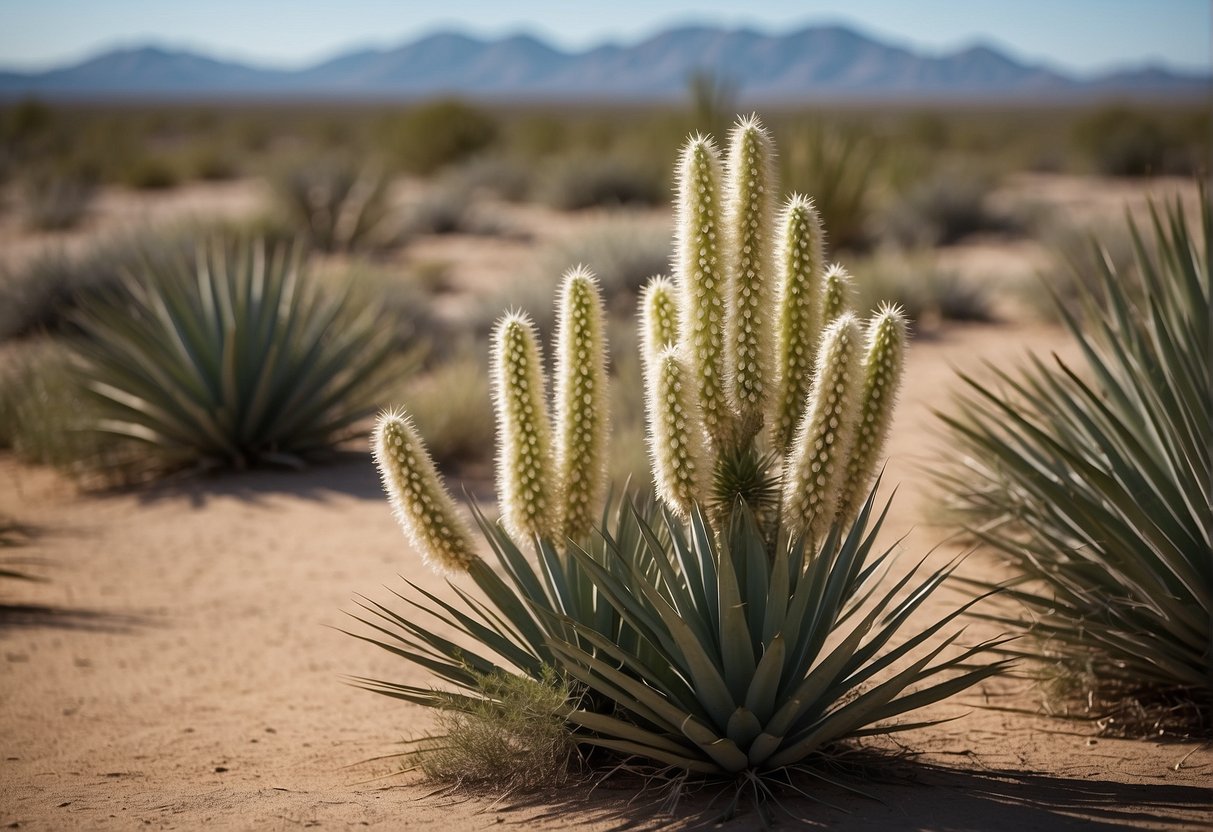
Yucca plants are members of the Asparagaceae family and can be found growing in arid regions throughout the Americas. They are typically slow-growing and can take years to reach their full size. Yucca plants are known for their large, spiky leaves and tall, branching flower stalks. While they are often used as ornamental plants, yucca species also have a variety of practical uses, such as in the production of soap and textiles.
Understanding how yucca plants spread is essential for successful propagation and maintenance. Yuccas are typically propagated by seed or by removing offsets, which are small plants that grow from the base of the parent plant. Proper care and maintenance, such as providing adequate sunlight and watering, can also help yucca plants thrive.
Understanding Yucca Plant Biology
Yucca Species and Varieties
Yuccas are a diverse group of plants that belong to the Agave family. There are around 40-50 species of yuccas, and they vary in size, shape, and color. Some common yucca species include Yucca aloifolia, Yucca filamentosa, and Yucca flaccida. Yucca plants can be evergreen or deciduous, and they can grow as shrubs or rosettes. There are also many yucca cultivars available, with different colors, textures, and flower spikes.
Physical Characteristics and Growth Patterns
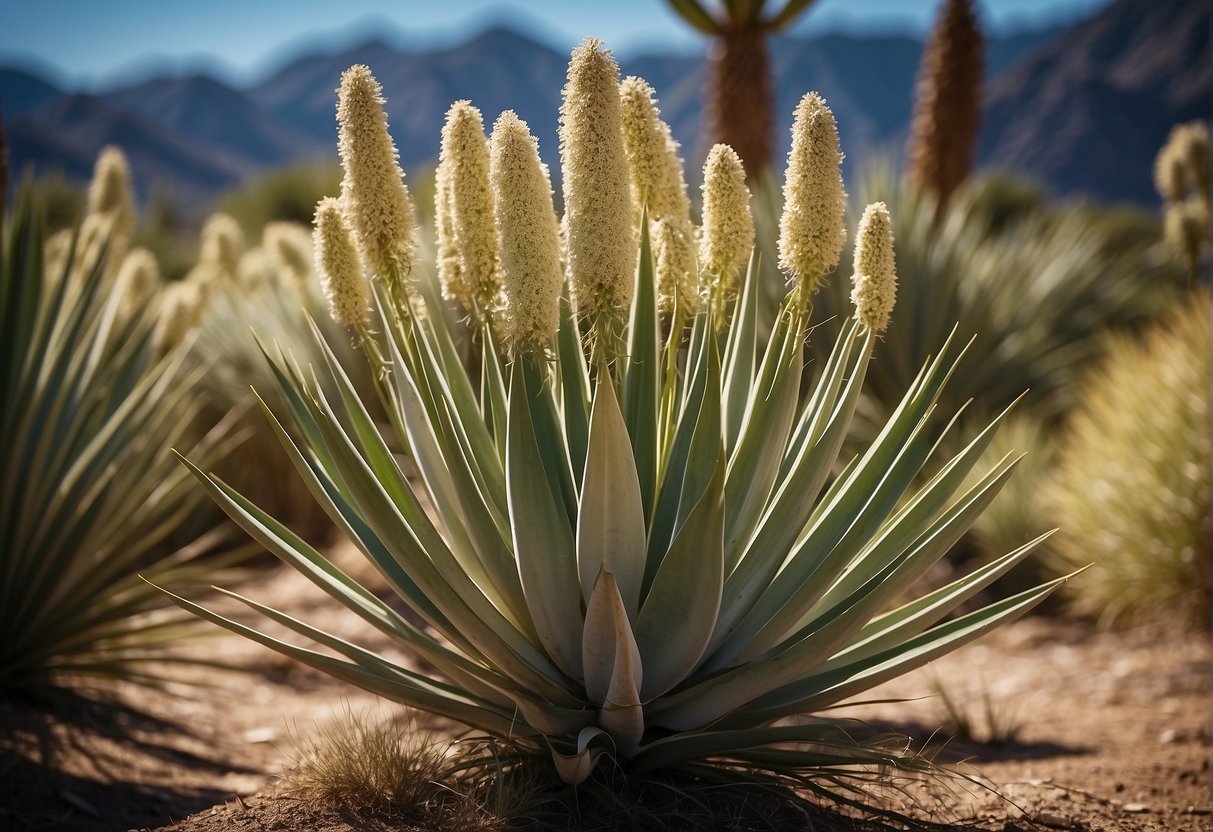
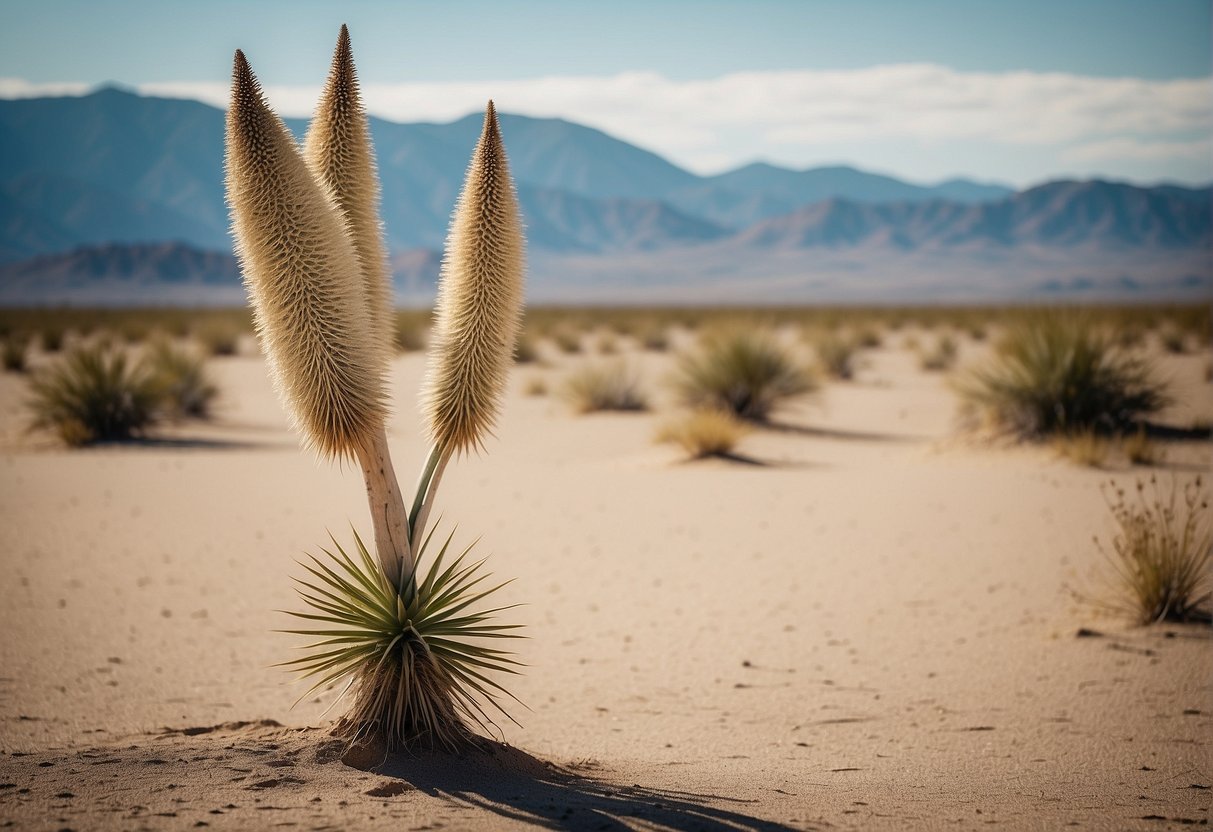
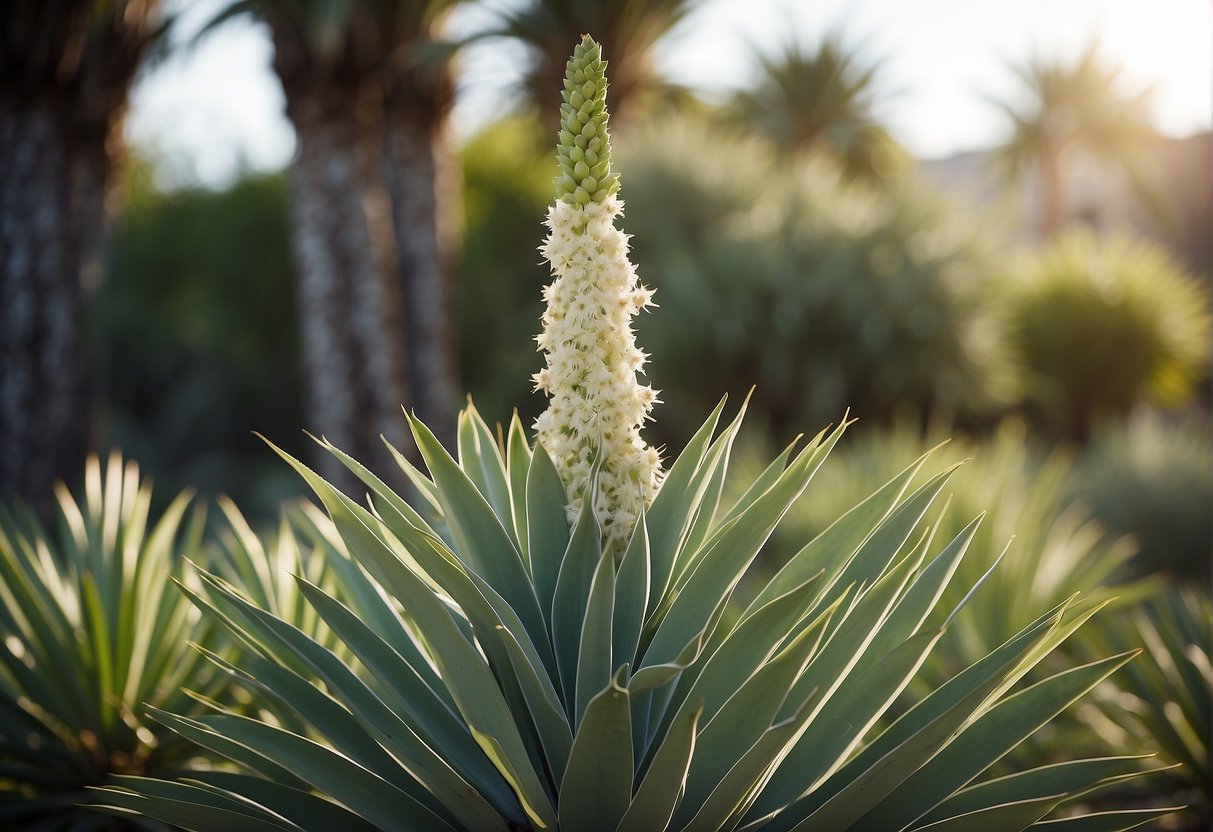
Yuccas are succulent plants, and they have thick, sword-shaped leaves that grow in a rosette pattern. The leaves are usually green or blue-green, but some varieties have variegated foliage. Yuccas can grow up to 30 feet tall, but most species are smaller, around 3-10 feet tall. Yuccas are known for their flower spikes, which can be up to 8 feet tall and are usually white or pink. Yucca flowers are fragrant and attract pollinators like moths and bees.
Optimal Growing Conditions
Yuccas are very versatile plants and can grow in a variety of conditions. They are drought-tolerant and prefer well-draining soil. Yuccas grow best in full sun, but they can also tolerate some shade. Yuccas are hardy plants and can tolerate a range of temperatures, from hot and dry to cold and snowy. Yuccas are perennials and can live for many years with proper care.
In summary, understanding yucca plant biology is essential for growing and caring for these beautiful plants. Yuccas are a diverse group of plants that vary in size, shape, and color. They are succulent plants with thick, sword-shaped leaves and fragrant flowers. Yuccas are very versatile and can grow in a variety of conditions, making them an excellent choice for any garden.
Propagation and Plant Care
Yucca plants are easy to care for and propagate, making them a popular choice for both indoor and outdoor gardening. Here are some tips on how to propagate and care for your yucca plants.
Natural Propagation Methods
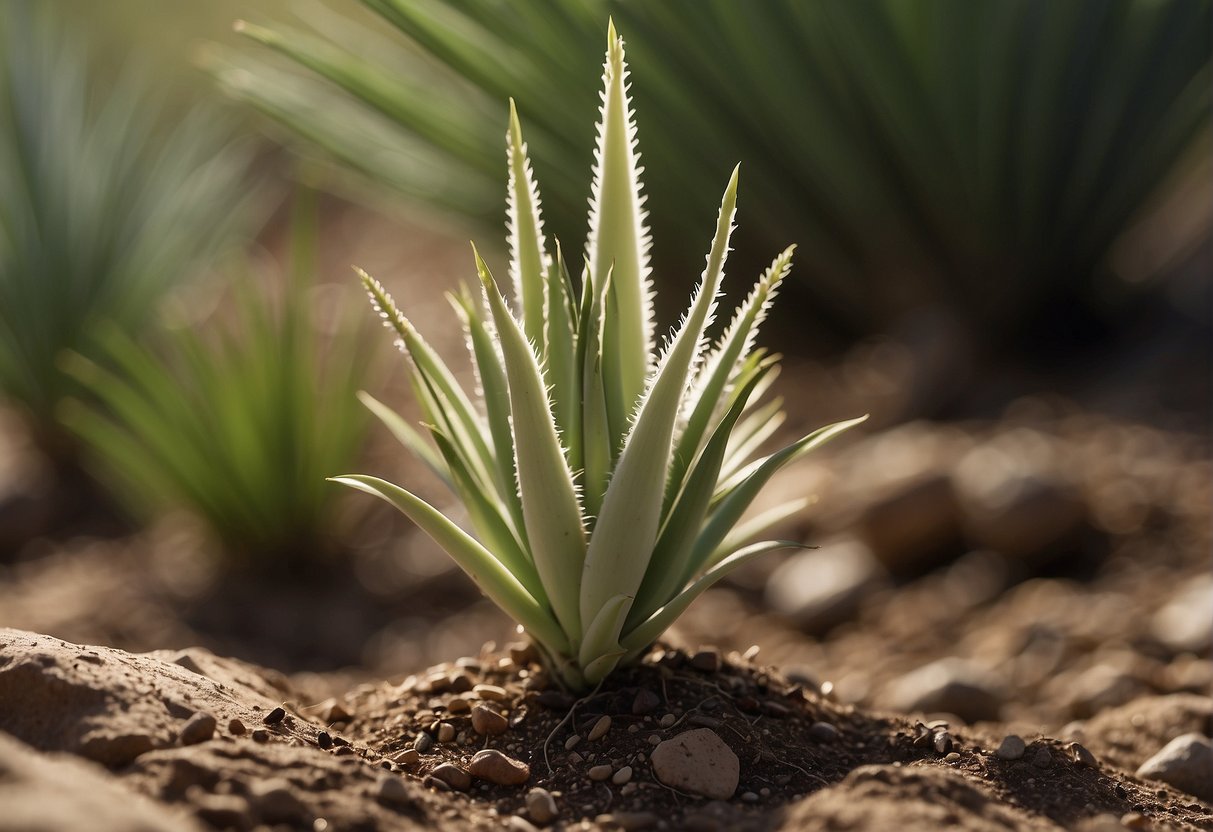
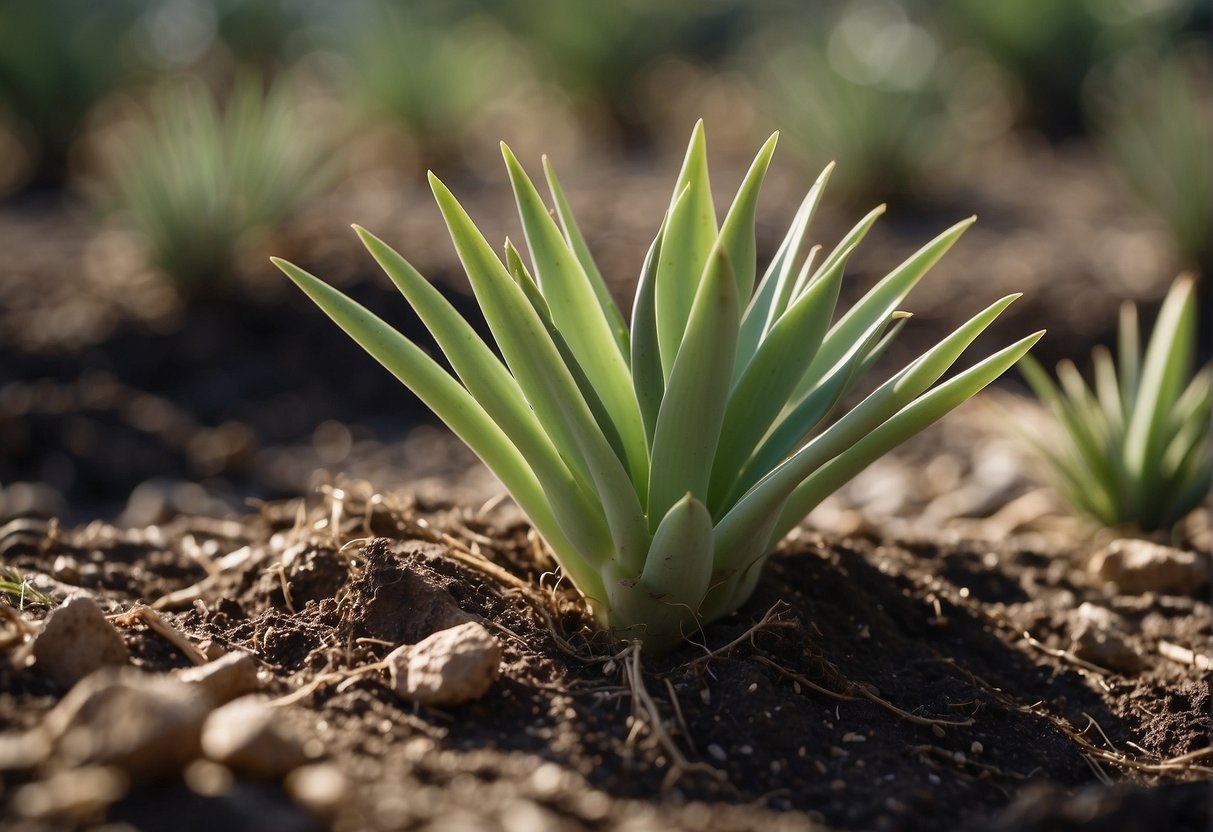
Yucca plants can propagate naturally through offsets or rhizomes. Offsets are small plants that grow at the base of the parent plant and can be separated and replanted. Rhizomes are underground stems that produce new plants. To propagate yucca plants through rhizomes, simply dig up the plant and separate the rhizomes, then replant them in a well-drained soil.
Human-Assisted Propagation Techniques
If you want to propagate yucca plants quickly, you can use human-assisted propagation techniques such as stem cuttings or division. Stem cuttings involve cutting a stem from the parent plant and replanting it in a well-drained soil. Division involves separating the parent plant into smaller sections and replanting them.
Maintaining Plant Health
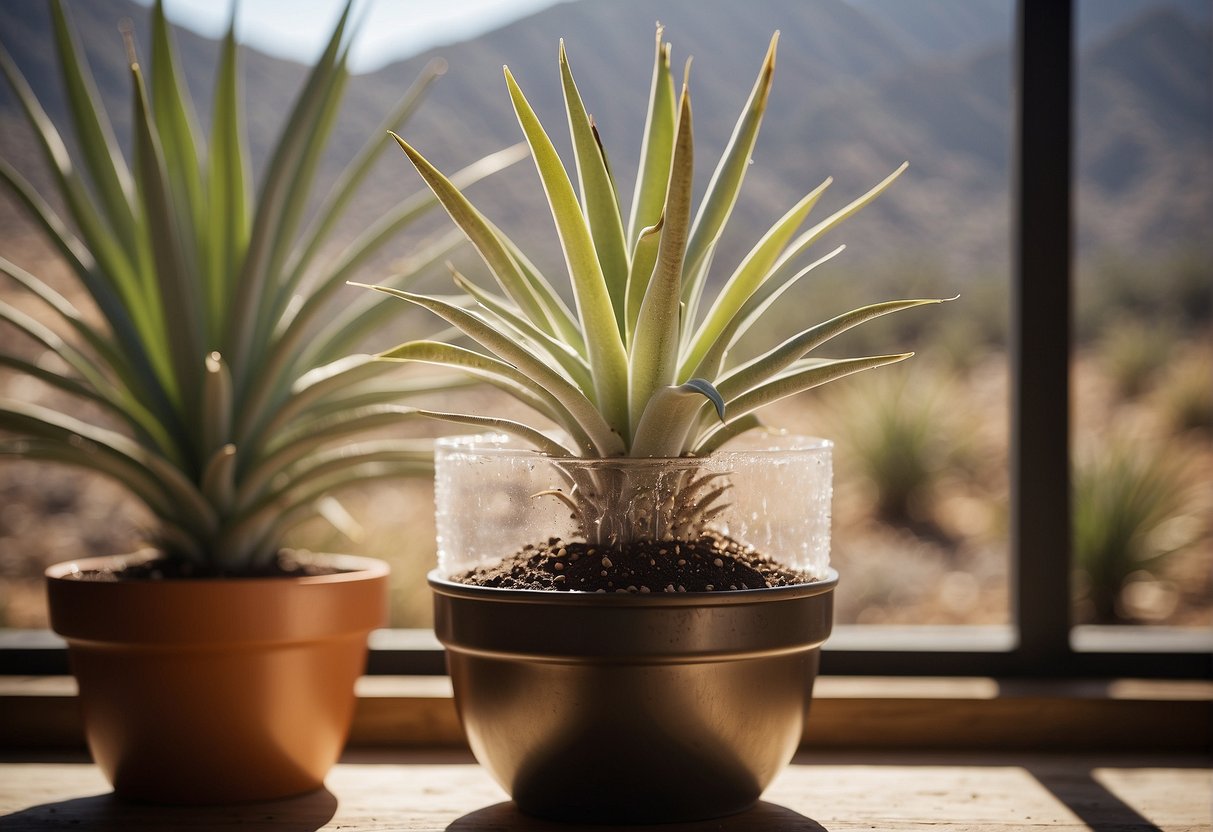
To maintain the health of your yucca plant, ensure that it receives adequate sunlight and water. Yucca plants are drought-tolerant and prefer well-drained soil, so be careful not to overwater them. If you are growing yucca plants indoors, ensure that they receive enough sunlight or use grow lights to supplement their light needs.
Yucca plants are generally easy to care for and do not require frequent fertilization. However, if you notice yellow leaves or other signs of nutrient deficiencies, you can fertilize your plant with a balanced fertilizer.
Yucca plants are also prone to certain pests and diseases such as aphids, mealybugs, scale insects, and root rot. To prevent these problems, ensure that your plant is planted in well-drained soil and avoid overwatering. If you notice any pests or diseases, treat them immediately with neem oil or other appropriate treatments.
In conclusion, yucca plants are easy to propagate and care for, making them an excellent choice for both indoor and outdoor gardening. With the right care and maintenance, your yucca plant will thrive and add a touch of cream-colored beauty to your garden.
Frequently Asked Questions
What methods do yucca plants use to propagate?
Yucca plants can propagate through both sexual and asexual means. The most common method of propagation is through seed dispersal, which occurs when the plant produces flowers that eventually turn into fruit containing seeds. Additionally, yucca plants can propagate through offshoots, or pups, which grow from the base of the plant and can be separated and replanted.
Can yucca plants be grown from cuttings, and if so, how?
Yes, yucca plants can be propagated through stem cuttings. To do so, take a cutting from the stem of the plant, let it dry out for a few days, and then plant it in well-draining soil. It is important to keep the soil moist and in a warm, sunny location until the cutting has taken root.
What is the process for planting yucca seeds?
To plant yucca seeds, first collect the seeds from the plant’s fruit. Then, prepare a well-draining soil mix and plant the seeds about 1/4 inch deep. Keep the soil moist and in a warm, sunny location until the seeds germinate.
Are yucca plants considered invasive species in certain regions?
Yes, some species of yucca plants, such as the Spanish dagger and the Adam’s needle, are considered invasive in certain regions. They can quickly spread and outcompete native plant species.
What are the challenges of removing yucca plants once established?
Yucca plants have deep, extensive root systems, which can make them difficult to remove once established. Additionally, the plant’s sharp leaves and spines can make removal a painful and time-consuming process.
How can you effectively manage the growth of yucca plants?
To manage the growth of yucca plants, it is important to regularly prune and remove any offshoots or dead leaves. Additionally, planting yucca plants in containers or in designated areas can help prevent them from spreading uncontrollably.
Hi Lovelies ! I made this blog to share my tips about Home Improvement, Children, Pets, Food, Gadgets, Automotive, Health & Beauty, and ways to be frugal while maintaining a natural lifestyle. Interested to be a Guest Blogger on my website? Please email me at: [email protected]