Home » Blog » Where to Buy Pink Yucca Plants: A Guide to Finding Your Perfect Plant
Where to Buy Pink Yucca Plants: A Guide to Finding Your Perfect Plant
December 30, 2024
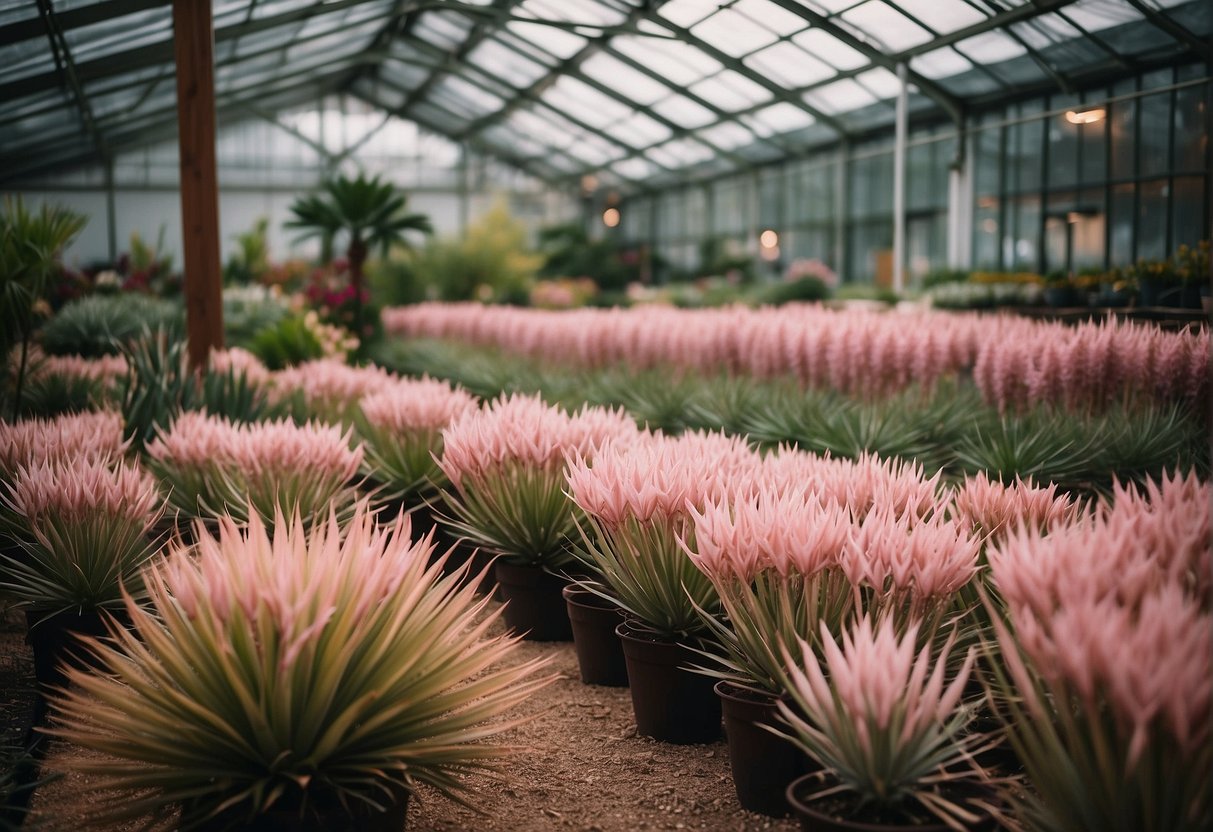
Wanting to introduce a splash of vibrancy to your outdoor space? Consider the charming pink yucca plants. Alternatively known as Hesperaloe parviflora, these natives of Texas and New Mexico offer a distinctive choice that can thrive in diverse weather conditions. With their narrow leaves and towering pink blooms, they are sure to enhance the beauty of any garden setting.
If you’re in the market for pink yucca plants, there are a few things to keep in mind. First and foremost, it’s important to identify the right type of plant for your specific needs. There are several varieties of yuccas, but not all of them produce pink flowers. Additionally, some species may be better suited to certain climates or growing conditions than others.
When it comes to caring for pink yucca plants, there are a few key factors to consider. These plants thrive in well-draining soil and require minimal watering once established. They are also relatively low-maintenance and can tolerate a range of temperatures and weather conditions. With proper care, your pink yucca plants can provide years of beauty and enjoyment in your garden.
Key Takeaways
When buying pink yucca plants, make sure to identify the right type for your needs.
Pink yucca plants require well-draining soil and minimal watering once established.
With proper care, pink yucca plants can thrive in a variety of climates and provide long-lasting beauty to your garden.
Identifying the Right Pink Yucca Plant
If you’re looking to buy a pink yucca plant, it’s important to know how to identify the right one. Here are some key factors to consider:
Species Overview
There are several species of yucca plants, but the pink yucca (Hesperaloe parviflora) is the one you’re looking for. This species is native to the southwestern United States and Mexico and is known for its stunning pink flowers.
Physical Characteristics
The pink yucca plant has a unique appearance that sets it apart from other yucca species. Here are some physical characteristics to look for:
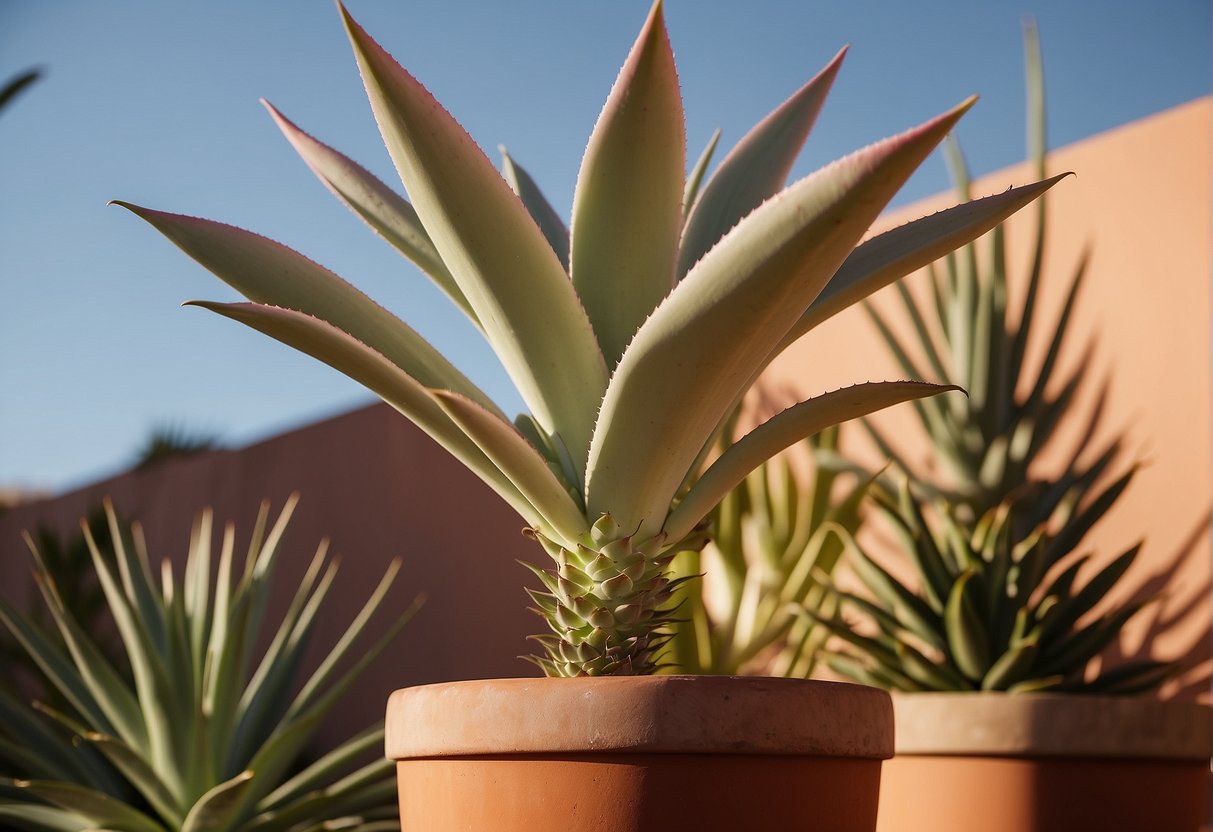
Foliage: The leaves of the pink yucca are long and narrow, with a slightly curved shape. They are usually a bluish-green color and have a smooth texture.
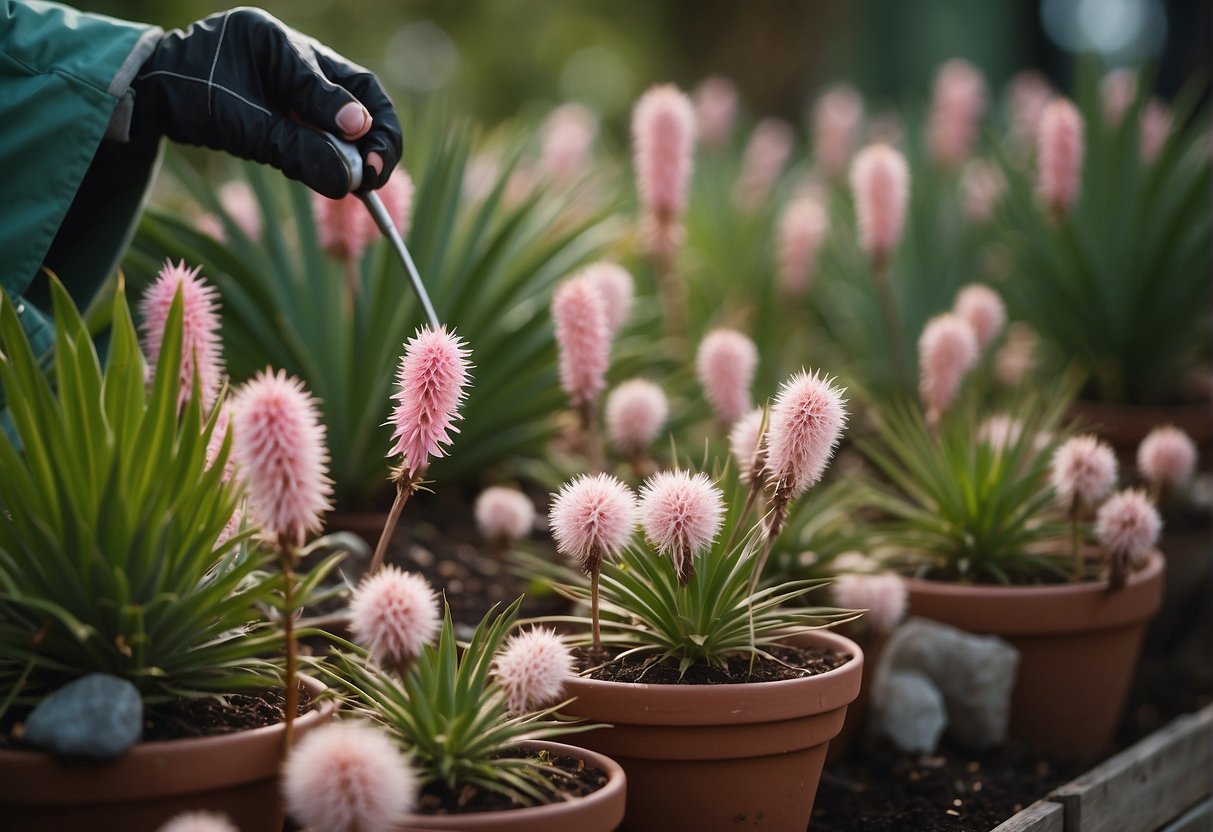
Flowers: The pink yucca produces tall spikes of pink flowers that bloom in the spring and summer. The flowers are tubular in shape and have a slightly curved appearance.
Other colors: While the pink yucca is known for its pink flowers, it’s worth noting that some plants may produce flowers in other colors, such as white, blue, gold, or cream.
Variegated leaves: Some pink yucca plants have variegated leaves, which means they have stripes or patterns of different colors. This can add visual interest to your plant.
Rosette form: The pink yucca grows in a rosette form, which means the leaves radiate out from a central point. This gives the plant a symmetrical appearance.
Curly threads: The pink yucca may have curly threads at the tips of its leaves. These threads are a natural part of the plant and can add texture to your garden.
By keeping these characteristics in mind, you’ll be able to identify the right pink yucca plant for your needs.
Caring for Pink Yucca Plants
If you’re looking to add a pop of color to your garden, pink yucca plants are a great choice. These drought-tolerant plants are easy to care for and can thrive on neglect. Here are some tips for caring for your pink yucca plants.
Optimal Growing Conditions
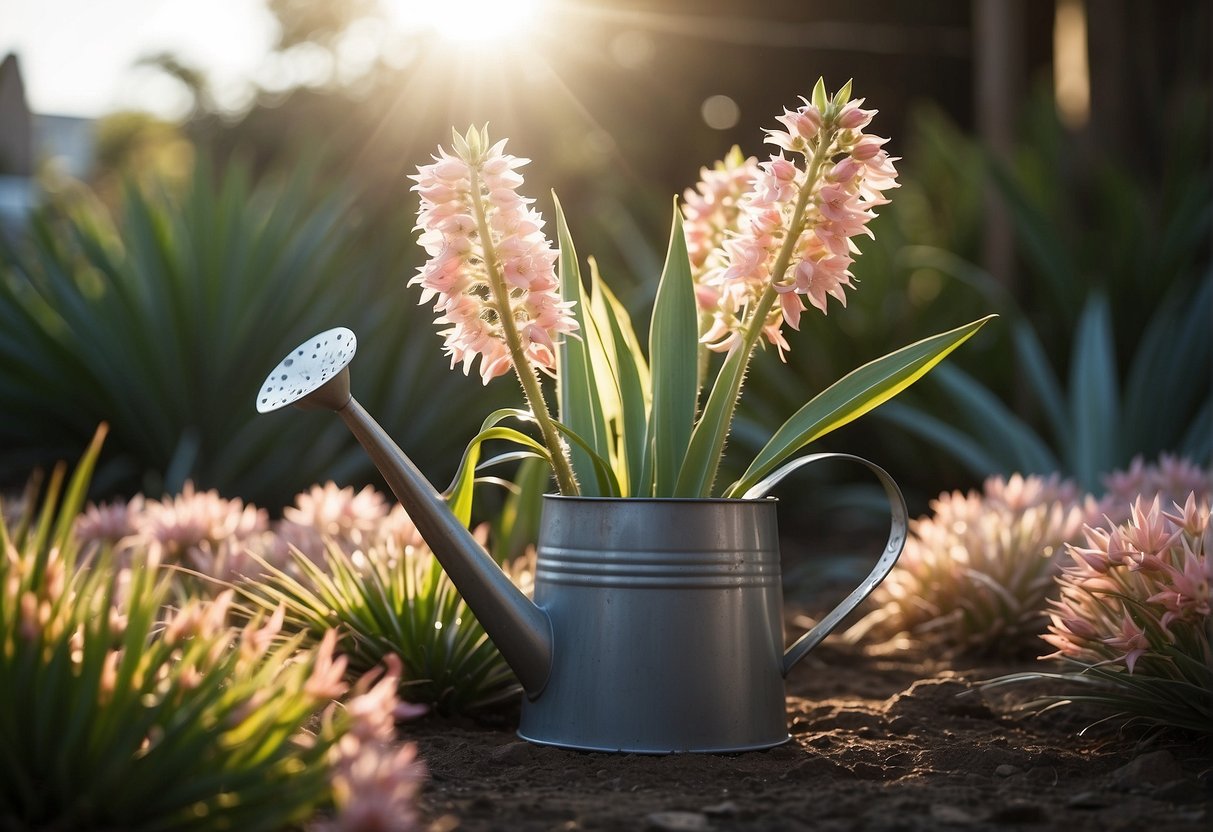
Pink yucca plants prefer well-drained soil and full sun. They can tolerate drought and don’t require much watering. In fact, overwatering can lead to root rot. Fertilizer is not necessary, but you can use a balanced fertilizer once a year in the spring.
Maintenance and Pruning
Pink yucca plants require very little maintenance. They don’t need to be pruned unless you want to remove dead or damaged leaves. This can be done at any time of the year. However, if you want to encourage more blooms, you can cut back the flower stalks after they have finished blooming.
Pest Management
Pink yucca plants are generally pest-free, but they can be susceptible to agave plant bugs, aphids, and mealybugs. If you notice any of these pests, you can use an insecticidal soap to control them. However, it’s important to avoid using pesticides that can harm beneficial insects.
Overall, pink yucca plants are a low-maintenance and drought-tolerant option for adding color to your garden. With the right growing conditions and minimal care, they can thrive for years to come.
Frequently Asked Questions
What are the best online stores for purchasing pink yucca plants?
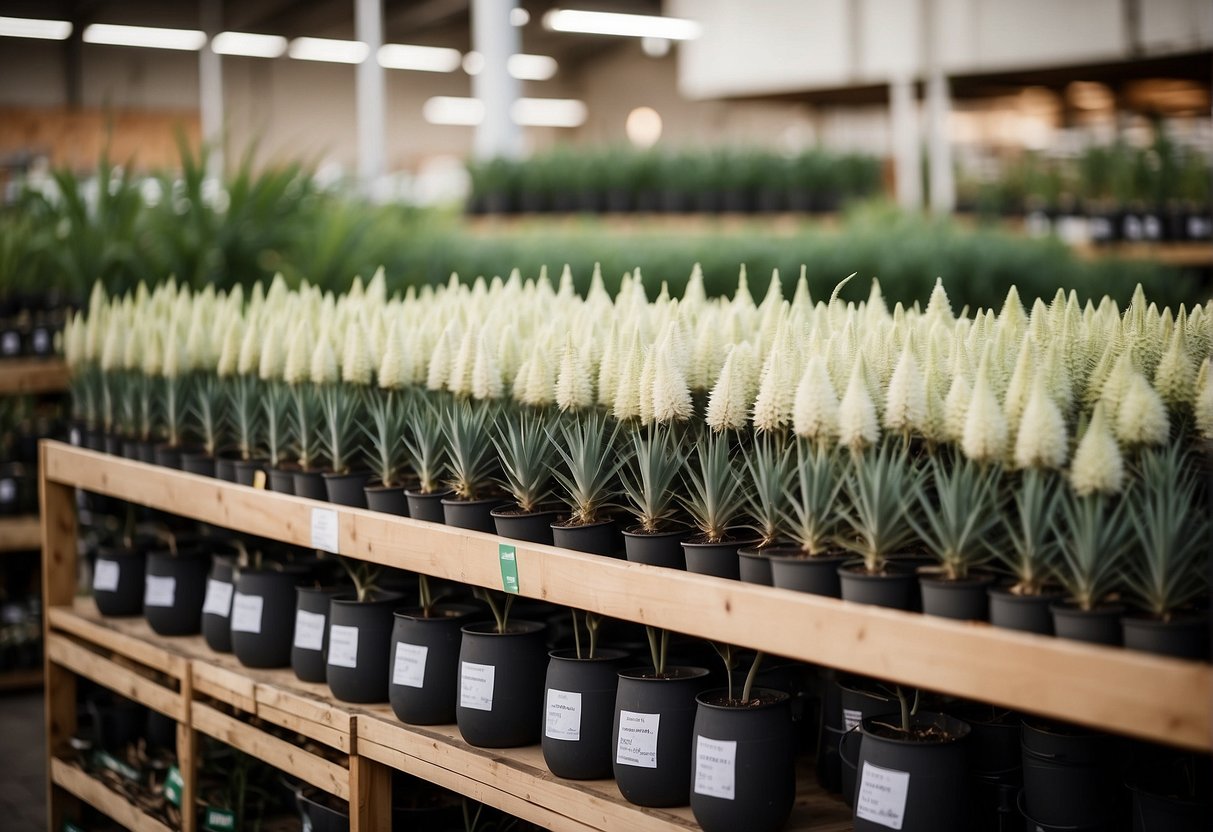
When it comes to buying pink yucca plants online, some of the best options include Etsy, Amazon, and Home Depot. These stores offer a wide range of pink yucca plants from different sellers, allowing you to compare prices and quality.
Which local nurseries stock pink yucca plants?
If you prefer to buy your pink yucca plants in person, you can check with your local nurseries. Some of the nurseries that stock pink yucca plants include Shades of Texas Nursery, The Great Outdoors Nursery, and Barton Springs Nursery.
How can I identify nurseries that sell pink yucca plants in Texas?
You can easily identify nurseries that sell pink yucca plants in Texas by doing a quick search online. You can also check with your local garden clubs or horticultural societies for recommendations.
What are the key care tips for maintaining a healthy pink yucca plant?
Pink yucca plants are low-maintenance and easy to care for. They require well-draining soil, full sun exposure, and occasional watering. It’s important to avoid overwatering and fertilizing, as this can lead to root rot and other issues.
How can one distinguish between a pink yucca plant and similar species?
Pink yucca plants can be distinguished from similar species by their pink flowers, sword-shaped leaves, and compact growth habit. Other yucca species may have white or yellow flowers, wider leaves, or a more sprawling growth habit.
What is the expected growth size of a pink yucca plant?
Pink yucca plants typically grow to be 2-3 feet tall and wide. However, this can vary depending on the growing conditions and the specific cultivar. It’s important to choose a planting location that allows for adequate space for growth.
Hi Lovelies ! I made this blog to share my tips about Home Improvement, Children, Pets, Food, Gadgets, Automotive, Health & Beauty, and ways to be frugal while maintaining a natural lifestyle. Interested to be a Guest Blogger on my website? Please email me at: [email protected]