Home » Blog » Where to Buy Butterfly Milkweed Plants: A Guide to Finding the Perfect Source
Where to Buy Butterfly Milkweed Plants: A Guide to Finding the Perfect Source
December 26, 2024
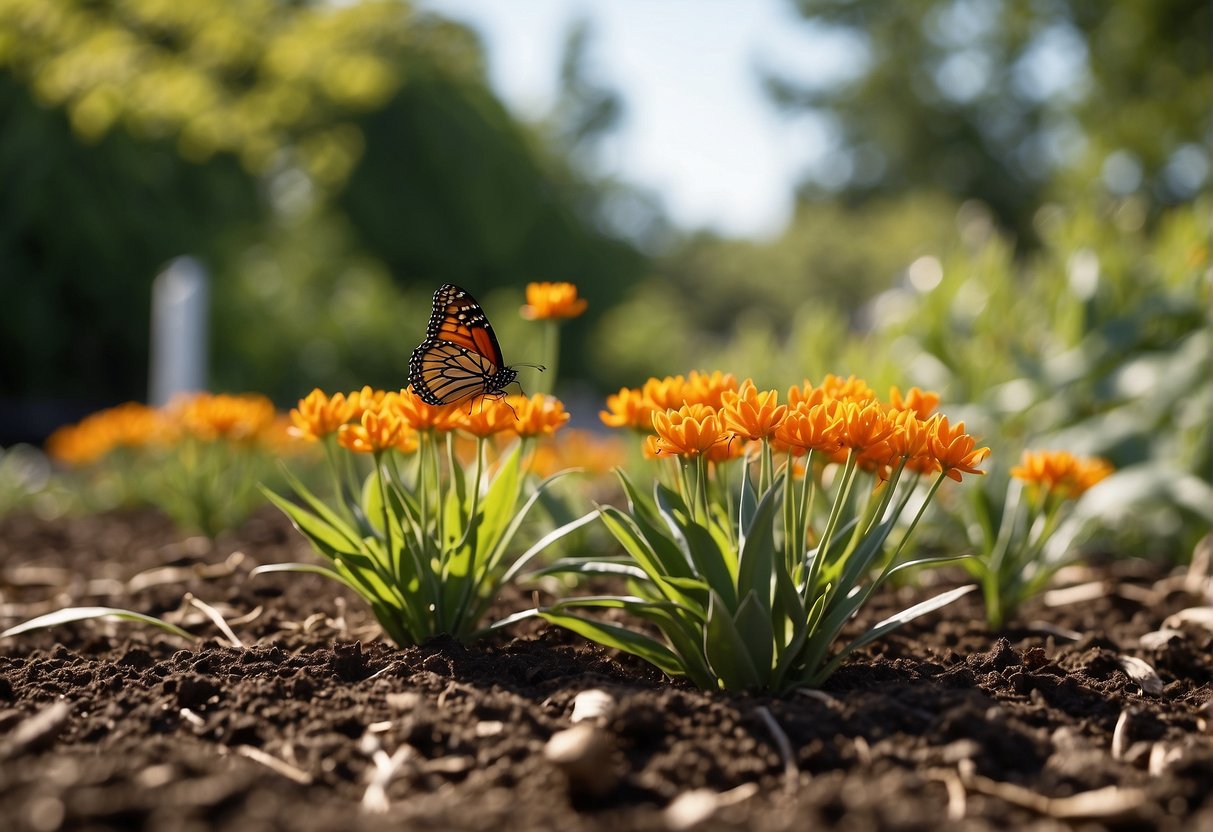
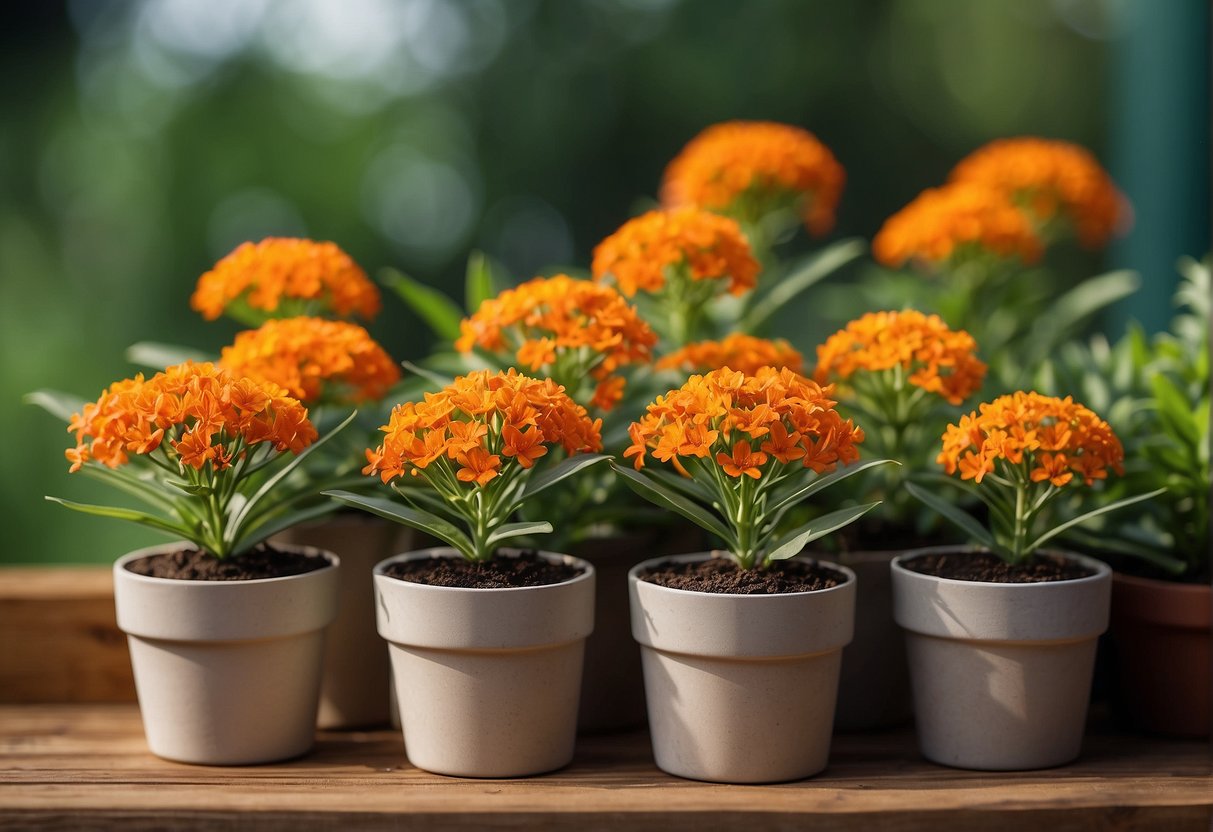
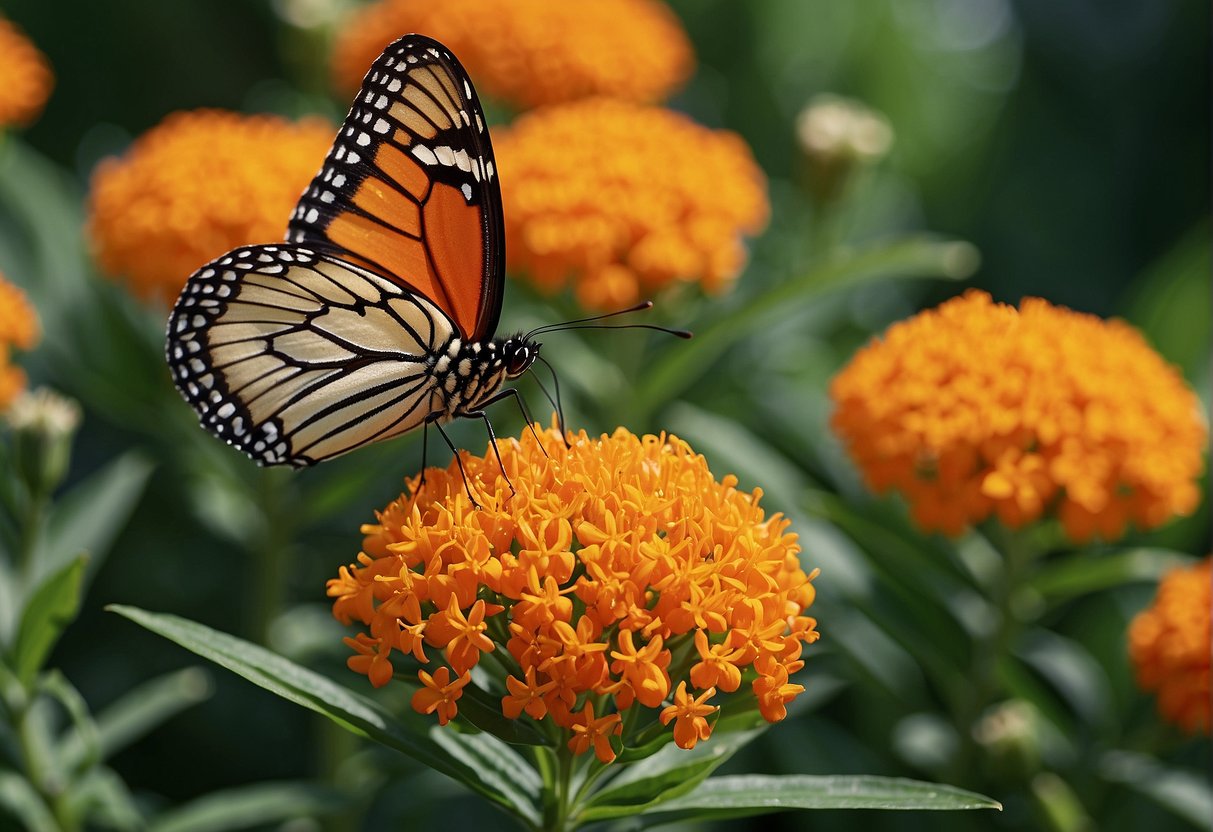
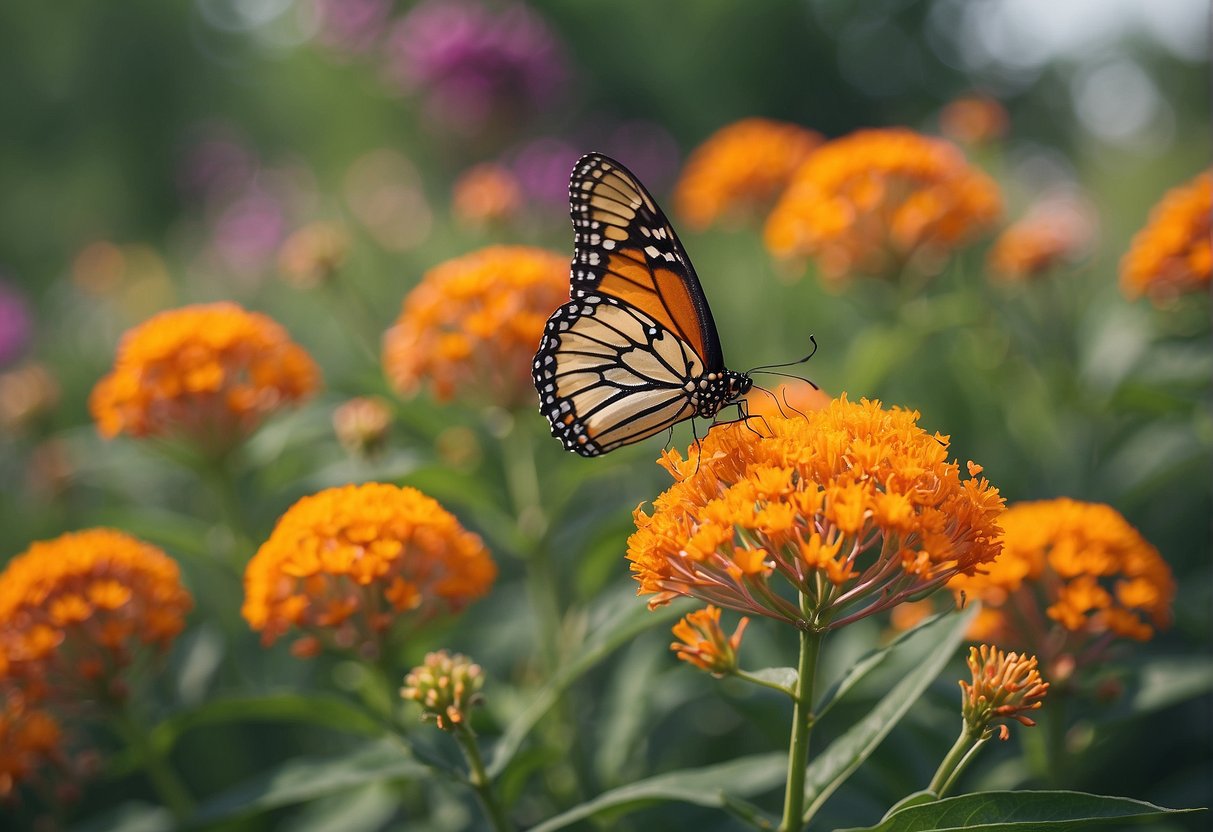
Should you wish to infuse your garden with vibrant hues while aiding monarch butterfly conservation, butterfly milkweed stands out as a stellar option. Known scientifically as Asclepias tuberosa, this indigenous wildflower blooms with vivid orange petals that lure in monarch butterflies. Nonetheless, locating a dependable vendor for these flowers often proves to be tricky.
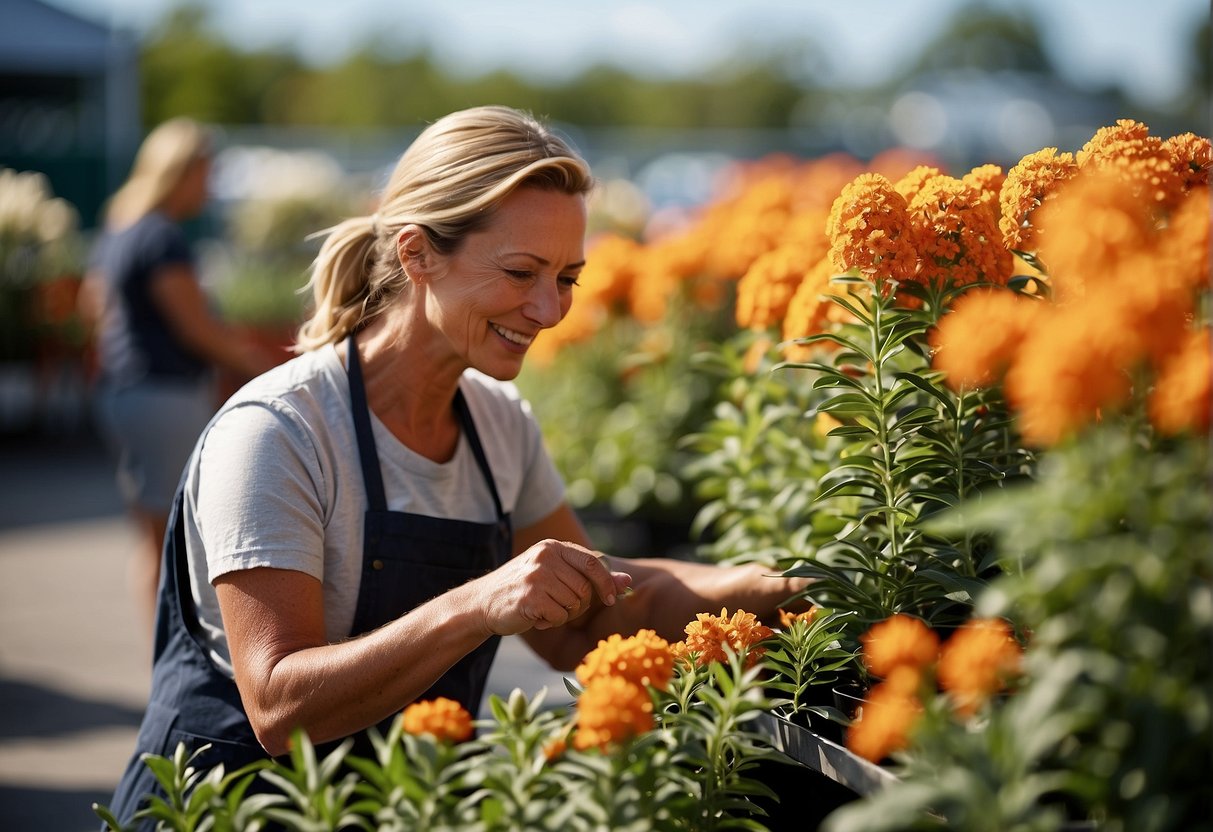
Fortunately, there are several options available for purchasing butterfly milkweed plants. Many local nurseries and garden centers carry milkweed plants, so it’s worth checking with your nearest plant retailer. Additionally, there are several online retailers that specialize in native wildflowers and milkweed plants.
When purchasing butterfly milkweed plants, it’s important to consider the plant’s cultivation and care requirements. Butterfly milkweed prefers well-draining soil and full sun, and it’s important to avoid overwatering the plant. With proper care, butterfly milkweed can thrive in a variety of garden settings and provide a vital source of food for monarch butterflies.
Key Takeaways
Butterfly milkweed is a native wildflower that can add color to your garden while supporting the monarch butterfly population.
Local nurseries and garden centers, as well as online retailers, are reliable sources for purchasing butterfly milkweed plants.
Proper care and cultivation of butterfly milkweed is important for the plant’s health and ability to attract monarch butterflies.
Where to Purchase Butterfly Milkweed
If you’re looking to add butterfly milkweed (Asclepias tuberosa) to your garden, there are several options available to you. Here are some of the best places to purchase this beautiful native plant.
Online Retailers
One of the easiest ways to purchase butterfly milkweed is through an online retailer. Many nurseries and garden centers have websites where you can browse and purchase plants. Some popular online retailers include:
Prairie Moon Nursery: This Wisconsin-based nursery specializes in native plants and offers a wide variety of milkweed species, including butterfly milkweed.
American Meadows: This online retailer offers a range of plants, including butterfly milkweed, as well as seeds and gardening supplies.
High Country Gardens: This New Mexico-based nursery offers a selection of native and drought-tolerant plants, including butterfly milkweed.
When purchasing plants online, be sure to check the shipping policies and estimated delivery times. Some retailers may only offer pre-orders or have limited availability during certain times of the year.
Local Nurseries and Garden Centers
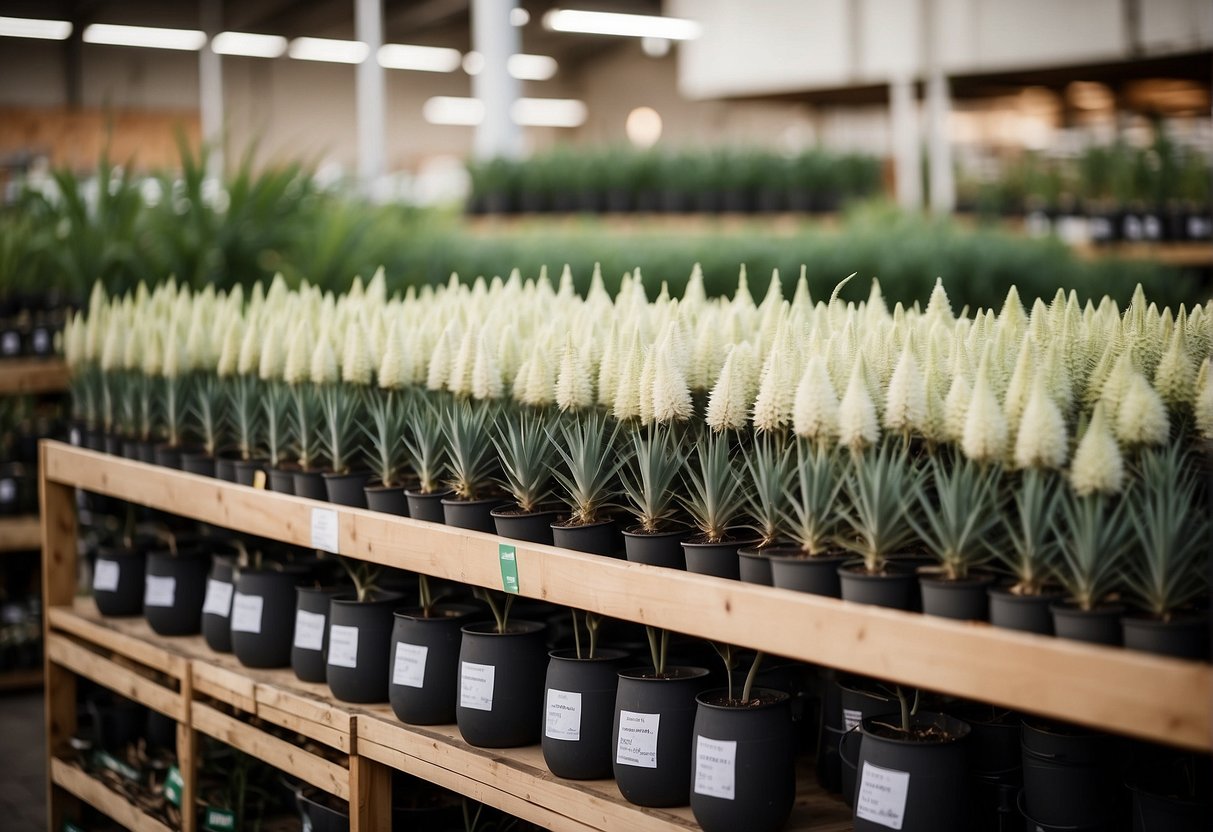
If you prefer to see and touch the plants before purchasing, consider visiting a local nursery or garden center. Many of these businesses carry butterfly milkweed, especially those that specialize in native plants. Some states with a high demand for butterfly milkweed include:
California (CA)
Colorado (CO)
Hawaii (HI)
Idaho (ID)
Iowa (IA)
Maine (ME)
Michigan (MI)
Missouri (MO)
Nebraska (NE)
North Dakota (ND)
Oregon (OR)
Utah (UT)
Washington (WA)
Wisconsin (WI)
Be sure to call ahead to check availability and pricing before making the trip.
Native Plant Sales and Non-Profit Organizations
Many non-profit organizations and conservation groups hold native plant sales throughout the year. These events are a great way to support local organizations and purchase native plants, including butterfly milkweed. Some organizations to check out include:
The Xerces Society: This non-profit organization focuses on invertebrate conservation and offers a variety of resources for gardeners looking to support pollinators.
The Wildflower Center: Based in Texas, this organization offers a range of resources for gardeners and hosts an annual native plant sale.
Your state’s native plant society: Many states have organizations dedicated to promoting the use of native plants. These organizations often hold plant sales and provide resources for gardeners.
State-Specific Recommendations
Each state has its own unique climate and growing conditions, so it’s always a good idea to check with local experts for recommendations on where to purchase butterfly milkweed. Some state-specific resources to consider include:
The California Native Plant Society
The Colorado Native Plant Society
The Florida Native Plant Society
The Illinois Native Plant Society
The New Jersey Native Plant Society
The New York Botanical Garden
The Pennsylvania Native Plant Society
The Tennessee Native Plant Society
By purchasing butterfly milkweed from reputable sources, you can help support pollinators and add a beautiful native plant to your garden.
Cultivation and Care for Milkweed Plants
Milkweed plants are essential for the survival of monarch butterflies, as they serve as the only host plant for monarch caterpillars. If you’re looking to plant milkweed in your garden or landscape, it’s important to understand the proper cultivation and care techniques to ensure a healthy and thriving population.
Planting Guidelines
When planting milkweed, it’s important to consider the growing conditions and habitat preferences of the species you choose. Most milkweed species prefer full sun and well-drained soil, and some are drought-tolerant, making them ideal for arid environments.
It’s also important to plant milkweed in an area that is free from pesticides and herbicides, as these chemicals can be toxic to both milkweed and the insects that rely on it for survival.
Maintaining a Healthy Milkweed Population
To maintain a healthy milkweed population, it’s important to monitor for pests and diseases and take appropriate action when necessary. Some common pests that can affect milkweed include aphids and milkweed bugs, which can be controlled using natural predators or insecticidal soap.
It’s also important to avoid over-fertilizing milkweed, as this can lead to excessive growth and reduced nectar production, which is essential for supporting pollinators like bees and butterflies.
Supporting Monarch Butterflies
In addition to providing food for monarch caterpillars, milkweed also serves as a valuable nectar source for adult monarch butterflies. To support monarchs and other pollinators, it’s important to plant a variety of nectar-rich plants in your landscape, including both native and non-native species.
Environmental Considerations
When planting milkweed, it’s important to consider the potential impact on the surrounding environment. Some milkweed species, such as butterfly weed and swamp milkweed, can spread aggressively and may not be suitable for small or confined spaces.
It’s also important to be aware of the potential risks associated with milkweed, including the spread of OE (Ophryocystis elektroscirrha), a parasite that can be harmful to monarch caterpillars. To minimize the risk of OE, it’s important to plant native milkweeds and avoid the use of pesticides and herbicides in the surrounding area.
By following these guidelines and taking a proactive approach to milkweed cultivation and care, you can help support a healthy and thriving population of monarch butterflies and other important pollinators in your community.
Frequently Asked Questions
What are the best online retailers for purchasing butterfly milkweed plants?
There are several reputable online retailers that offer butterfly milkweed plants for purchase. Some popular options include Prairie Moon Nursery, American Meadows, and High Country Gardens. Be sure to read reviews and compare prices before making a purchase.
How can I find local nurseries that sell butterfly milkweed?
You can search for local nurseries that sell butterfly milkweed by using online plant databases such as PlantNative or by contacting your local garden center or nursery. Additionally, you can check with your local chapter of the Native Plant Society or Master Gardener Association for recommendations.
What is the ideal season to plant butterfly milkweed?
The ideal time to plant butterfly milkweed is in the spring, after the last frost has passed. This will allow the plant to establish its roots before the hot summer months. However, fall planting is also an option in areas with mild winters.
Is butterfly milkweed a perennial plant?
Yes, butterfly milkweed is a perennial plant. It will die back in the winter and reemerge in the spring. It can live for several years and will self-seed if allowed to do so.
What are the most suitable conditions for planting milkweed to attract butterflies?
Butterfly milkweed prefers full sun and well-drained soil. It can tolerate a range of soil types, including clay and sandy soils. Adding compost or other organic matter to the soil can improve drainage and fertility. It is also important to avoid using pesticides or herbicides near the plant, as these can harm butterflies and other pollinators.
Can I purchase milkweed plants specifically for butterfly conservation?
Yes, there are several organizations that offer milkweed plants specifically for butterfly conservation. The Xerces Society, Monarch Watch, and the National Wildlife Federation are just a few examples. These plants are often grown without the use of pesticides and are specifically selected to support butterfly populations.
Hi Lovelies ! I made this blog to share my tips about Home Improvement, Children, Pets, Food, Gadgets, Automotive, Health & Beauty, and ways to be frugal while maintaining a natural lifestyle. Interested to be a Guest Blogger on my website? Please email me at: [email protected]