Home » Blog » Where to Plant Beautyberry: Tips and Recommendations
Where to Plant Beautyberry: Tips and Recommendations
December 26, 2024
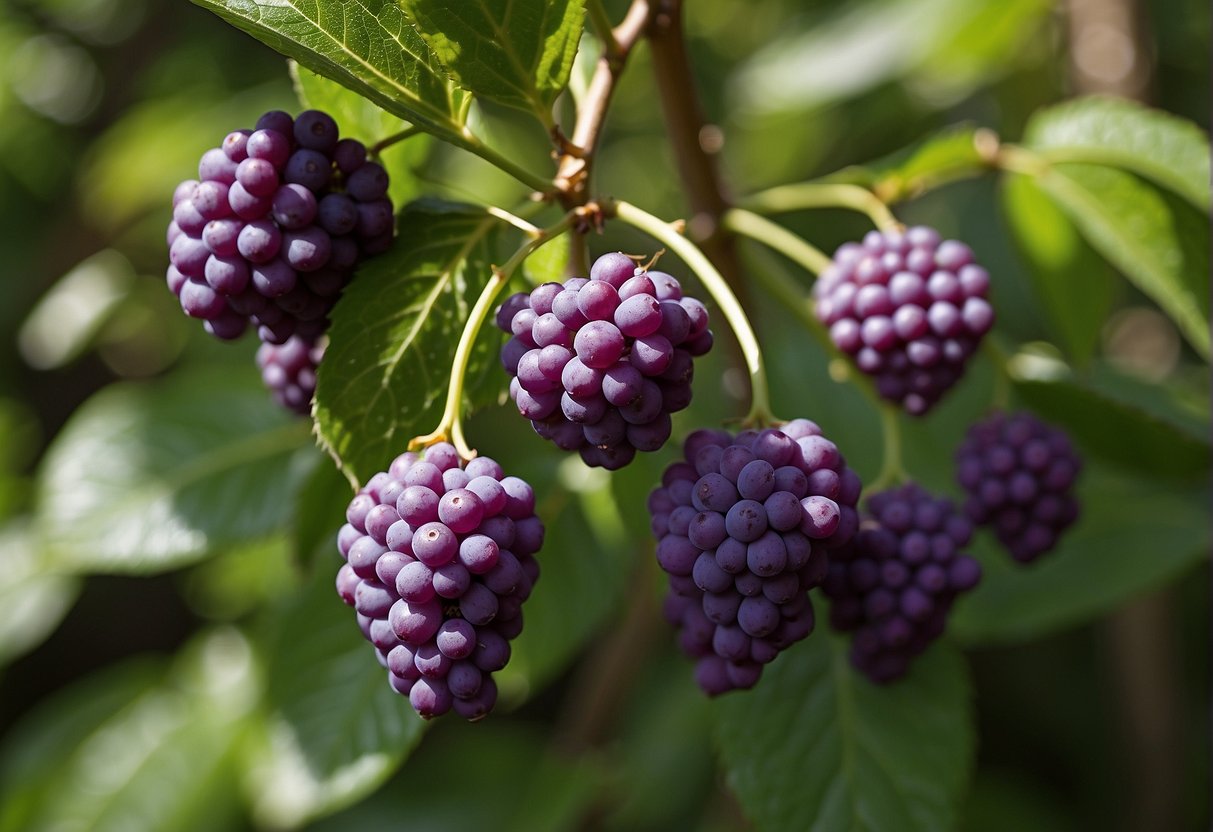
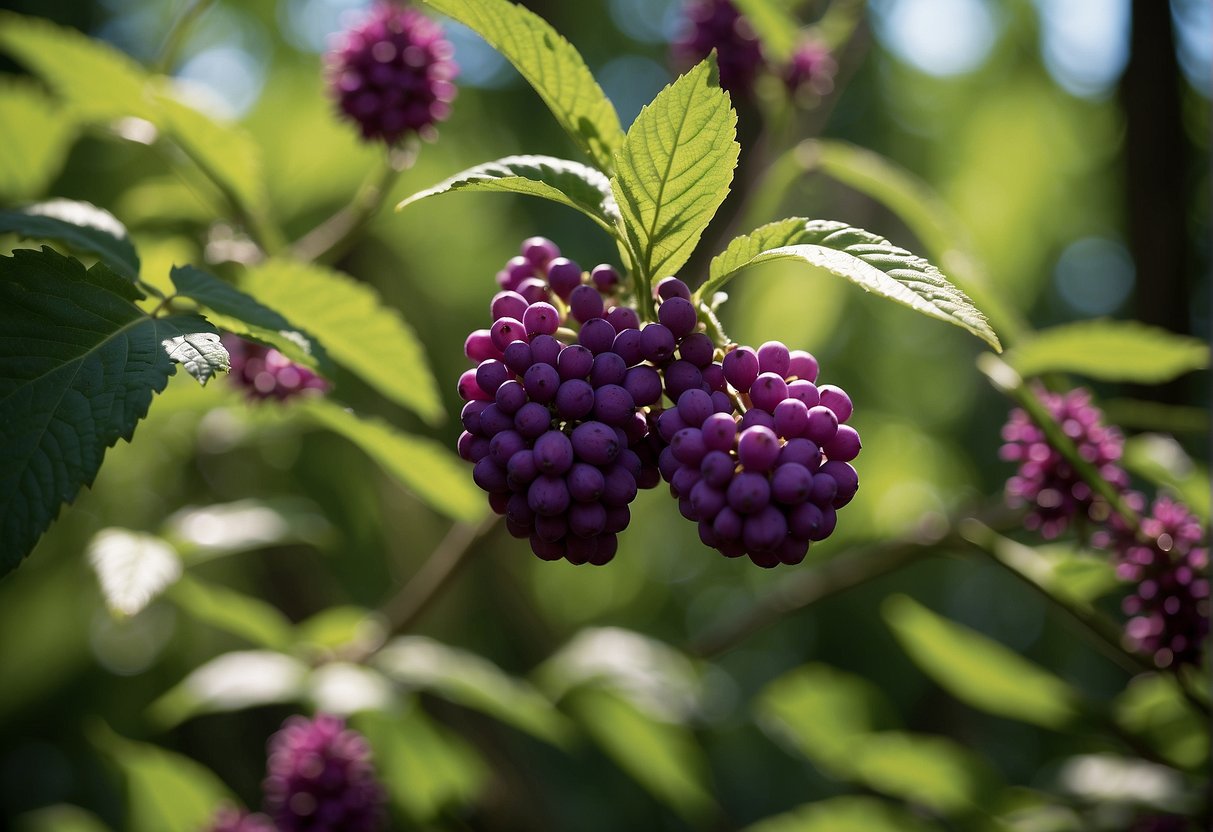
If you are in search of a bush that offers both aesthetic appeal and practicality, consider the beautyberry (Callicarpa). This indigenous species stands out with its vibrant purple berries which emerge in the late summer and autumn, earning it favor among both gardening enthusiasts and professional landscapers. However, finding the ideal location to plant beautyberry for optimal growth can be a key consideration. The following guidelines are designed to assist you in successfully integrating this plant into your garden or landscape.
Understanding Beautyberry Basics
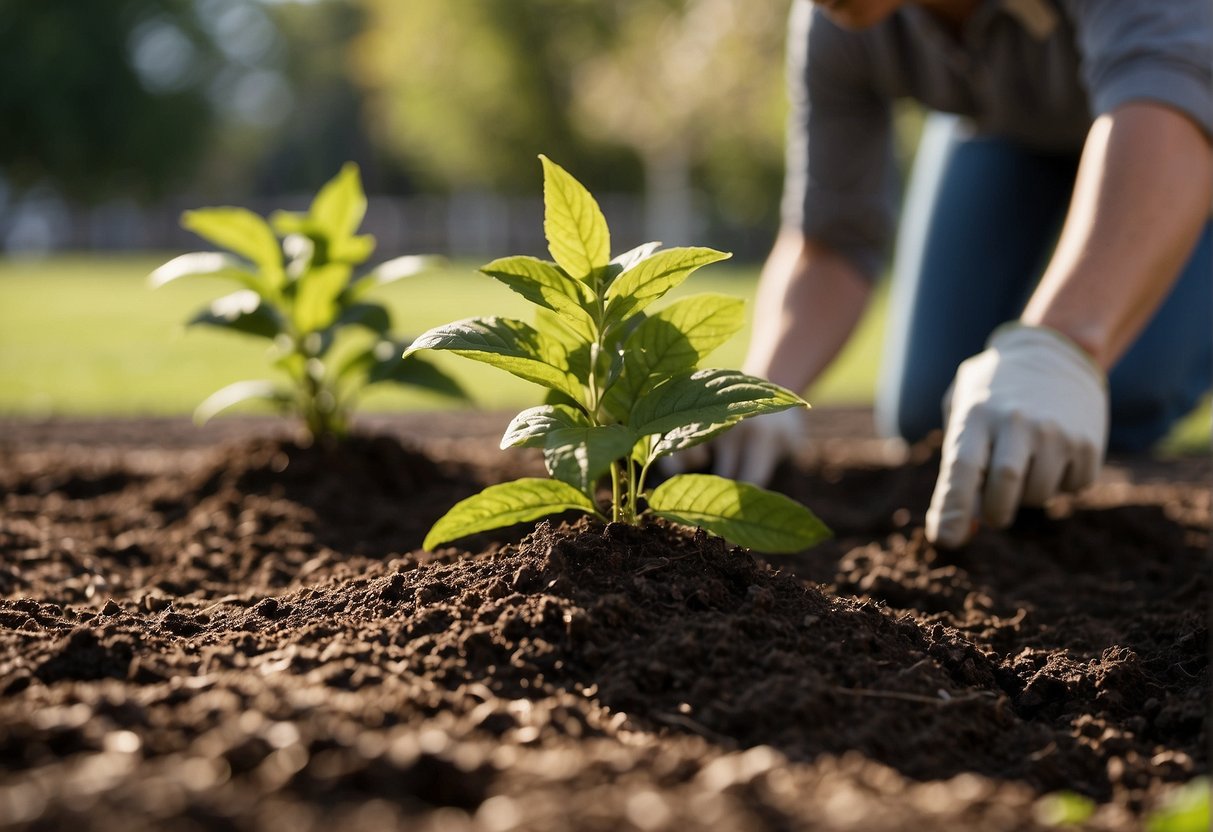
Before you start planting beautyberry, it’s important to understand the plant’s basic needs. Beautyberry prefers well-drained soil and partial shade, although it can also tolerate full sun in cooler climates. It is also fairly low-maintenance, making it a great choice for busy gardeners. Once you have a good grasp of these basics, you can move on to designing with beautyberry in mind.
Designing with Beautyberry
Beautyberry is a versatile plant that can be used in a variety of ways in your garden or landscape. It works well as a border plant, a screen or hedge, or even as a specimen plant. You can also plant beautyberry in a mixed border with other native plants to create a naturalistic look. With a little creativity, you can easily incorporate beautyberry into your existing landscape design.
Key Takeaways
Beautyberry prefers well-drained soil and partial shade, although it can also tolerate full sun in cooler climates.
Beautyberry is a versatile plant that can be used in a variety of ways in your garden or landscape.
With a little creativity, you can easily incorporate beautyberry into your existing landscape design.
Understanding Beautyberry Basics
Beautyberry is a deciduous shrub that produces clusters of purple berries in the fall and winter. It is also known for its pink flowers in the summer and its foliage in the spring. There are several types of beautyberry, including the American beautyberry (Callicarpa americana) and the Japanese beautyberry (C. dichotoma).
Botanical Profile
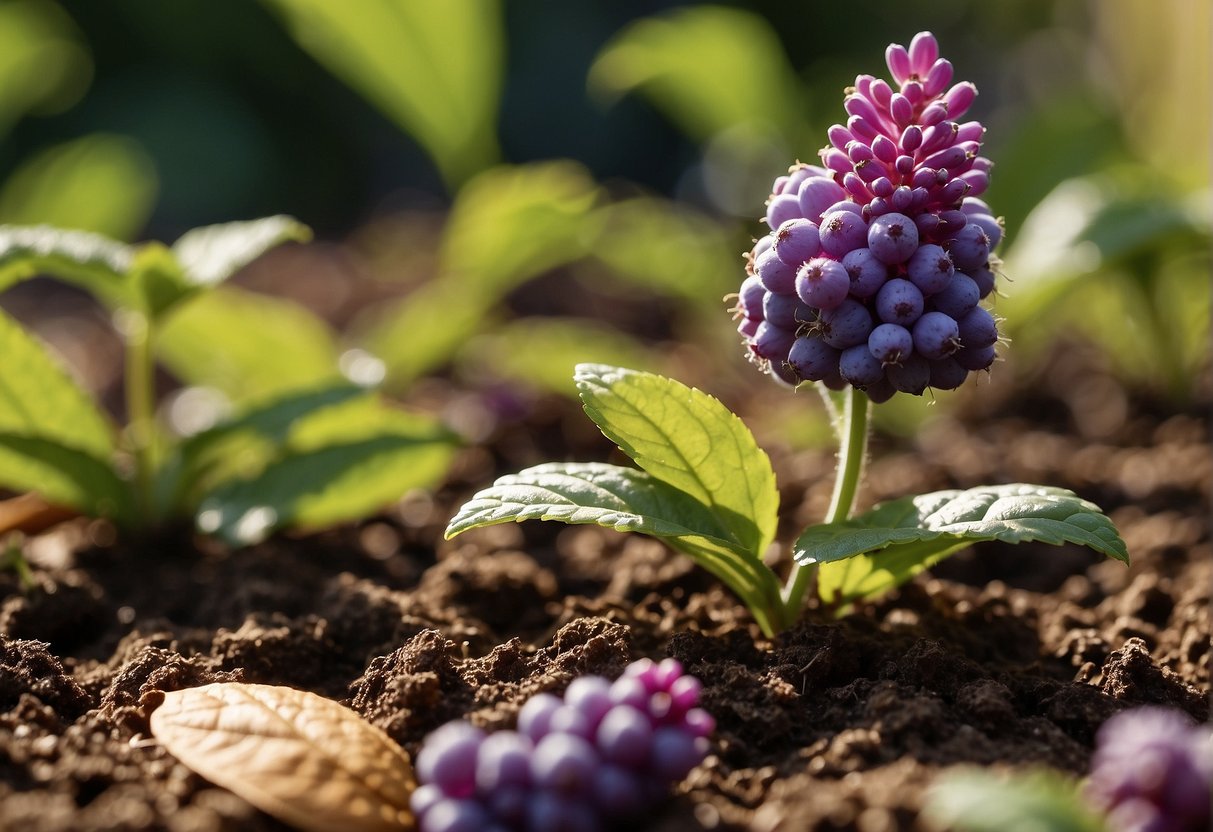
Beautyberry is a shrub that can grow up to 6 feet in height and 6 feet in width. It has green leaves that are 2-5 inches long and 1-3 inches wide. The flowers are pink and bloom in the summer, while the berries are purple and appear in the fall and winter.
Planting Requirements
Beautyberry prefers well-drained soil with a pH between 6.0 and 7.5. It can tolerate a range of soil types, including moist, dry, and average soils. It is also drought-tolerant and can grow in full sun, part sun, or part shade.
Preferred Conditions
Beautyberry prefers a humid climate and is hardy in USDA hardiness zones 6-10. It can tolerate temperatures as low as -10°F and as high as 100°F. It also prefers good drainage and organic matter in the soil.
Growth and Care
Beautyberry is a low-maintenance plant that requires little pruning. It produces new growth in the spring and should be fertilized with a balanced fertilizer in the early spring. It also requires regular watering during the growing season.
Propagation Techniques
Beautyberry can be propagated from seed or stem cuttings. Softwood cuttings should be taken in the early summer, while hardwood cuttings should be taken in the late fall or winter.
Pests and Problems
Beautyberry is generally free of pests and diseases. However, it can be susceptible to root rot if planted in poorly-drained soil.
Wildlife Interactions
Beautyberry is a popular plant for birds and animals. It attracts butterflies and songbirds, while repelling mosquitoes. The American robin, armadillos, foxes, opossums, squirrels, raccoons, and deer are all known to eat the berries.
Designing with Beautyberry
If you are planning to add a splash of color to your garden, then consider planting beautyberry (Callicarpa americana). This deciduous shrub is native to North America and is commonly found in the southeastern United States. Here are some tips on how to design your garden with beautyberry.
Landscape Uses
Beautyberry is a versatile plant that can be used in a variety of landscape settings. It can be used as a specimen plant to highlight a particular area of your garden or as a mass planting to create a bold statement. Beautyberry can also be used to create a naturalistic look in a woodland garden or to add winter interest to your landscape.
Companion Planting
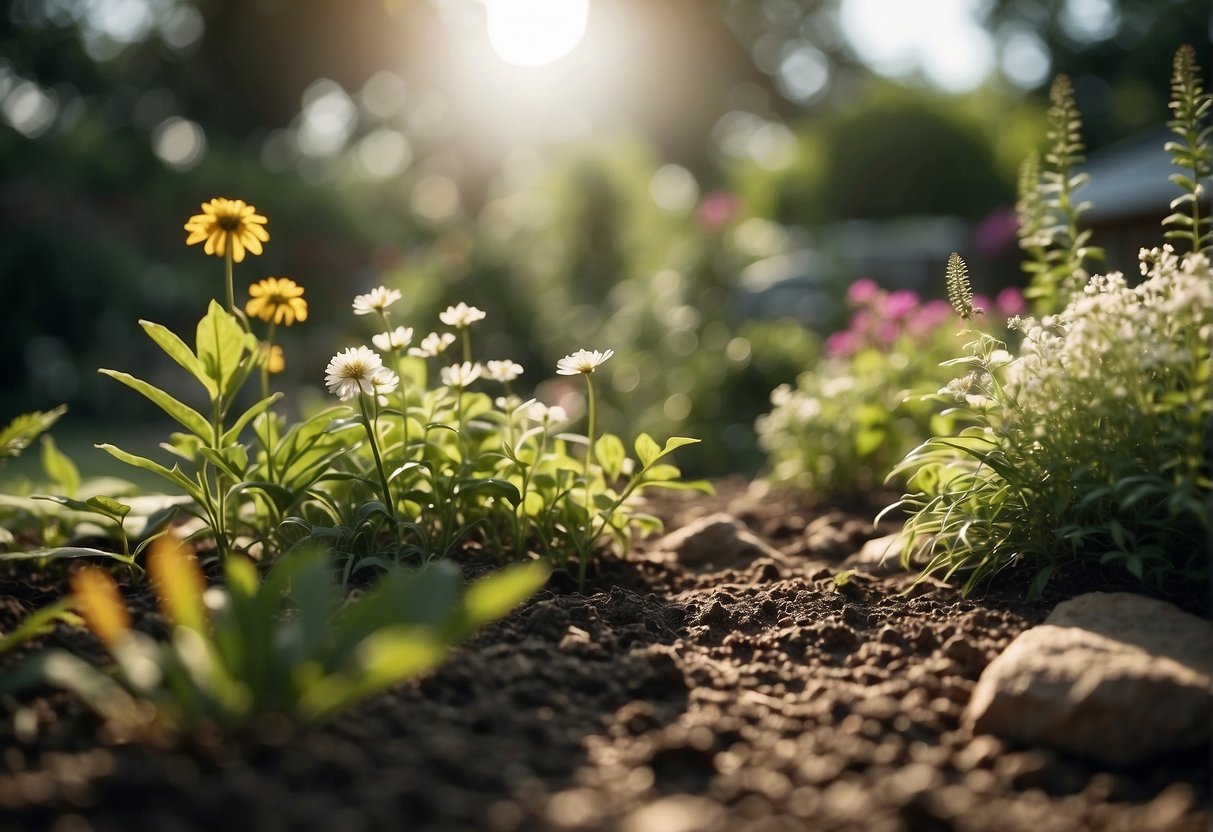
Beautyberry can be paired with a variety of plants to create a stunning display. It looks great when planted with other native shrubs such as oakleaf hydrangea (Hydrangea quercifolia) or winterberry (Ilex verticillata). Beautyberry also pairs well with perennials such as coneflower (Echinacea purpurea) or black-eyed Susan (Rudbeckia hirta).
Aesthetic Appeal
Beautyberry is prized for its clusters of purple berries that form in late summer and fall. The berries are a favorite of birds and can add a pop of color to your garden. Beautyberry also has attractive foliage with green leaves that turn yellow in the fall. Some cultivars have white or violet flowers that bloom in the summer, adding even more interest to the plant.
When planting beautyberry, it is important to consider its spacing and bloom time. Beautyberry prefers well-drained soil and full sun to partial shade. It is self-fertile, but cross-pollination can increase fruit production. Pruning is not necessary, but can be done in early spring to maintain its shape.
In conclusion, beautyberry is an excellent choice for gardeners looking to add color and interest to their landscape. With its weeping form and beautiful clusters of purple berries, it is sure to be a standout in any garden.
Frequently Asked Questions
What is the ideal climate zone for cultivating beautyberry plants?
Beautyberry plants thrive in warm and humid climates. They are native to the southeastern United States, but can also grow in other regions with similar climates. They can tolerate some cold, but they prefer temperatures above freezing. In general, beautyberry does well in USDA hardiness zones 7 through 11.
How much sunlight is required for optimal beautyberry growth?
Beautyberry plants prefer partial shade to full sun. They can grow in full shade, but they will produce fewer berries. In areas with hot summers, it is best to plant beautyberry in a location that receives some afternoon shade to protect the leaves from scorching.
What soil conditions favor the growth of beautyberry shrubs?
Beautyberry plants prefer well-drained soil that is rich in organic matter. They can tolerate a wide range of soil types, including sandy, loamy, and clay soils. However, they do not like wet feet, so it is important to avoid planting them in areas with poor drainage.
Can beautyberry thrive in cold weather regions?
Beautyberry plants are not well-suited for cold weather regions. They can tolerate some cold, but they prefer temperatures above freezing. In areas with cold winters, it is best to plant beautyberry in a protected location, such as near a south-facing wall or in a sheltered area.
What spacing should be considered when planting beautyberry?
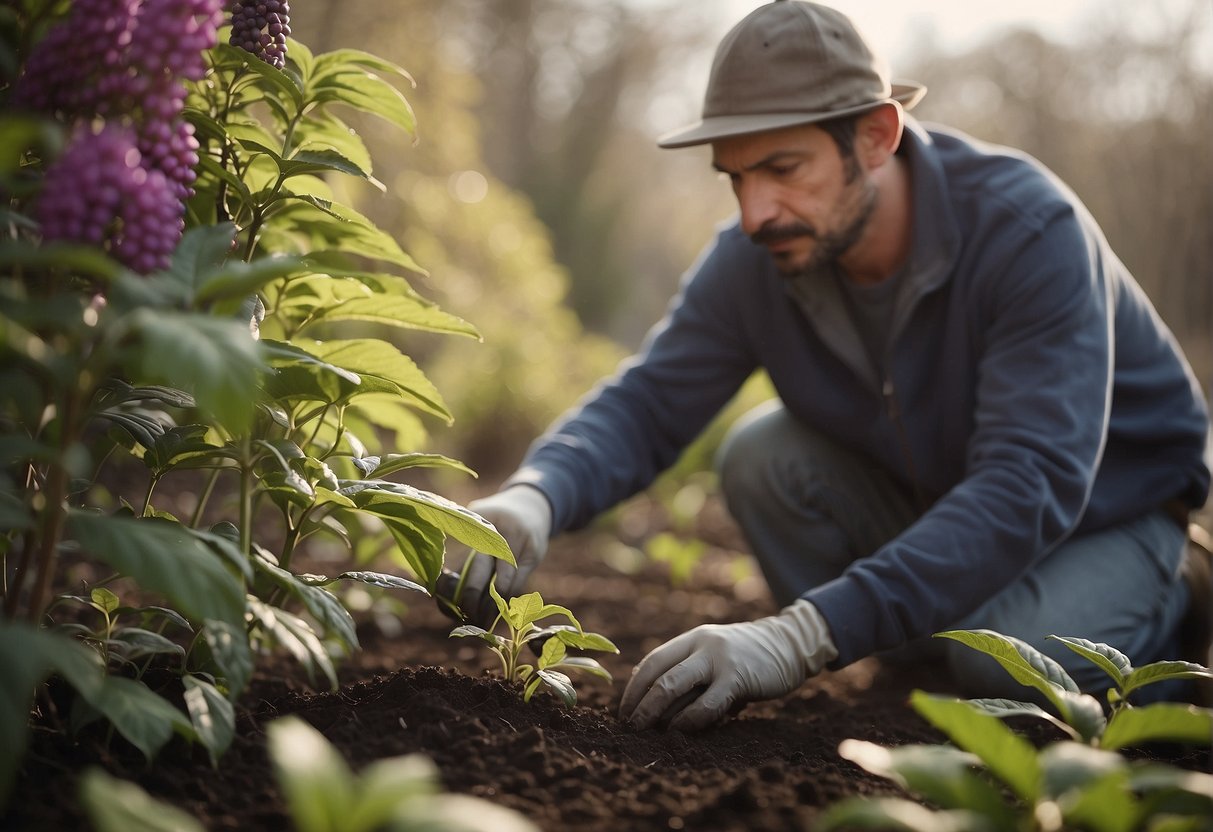
When planting beautyberry, it is important to give each plant enough space to grow and spread. Beautyberry plants can grow up to 6 feet tall and wide, so it is best to space them at least 6 feet apart. This will ensure that each plant has enough room to grow and produce berries.
How can beautyberry be effectively incorporated into a garden design?
Beautyberry is a versatile plant that can be used in a variety of garden designs. It can be planted as a specimen plant, used in a mixed border, or planted in a mass for a dramatic effect. It also pairs well with other native plants, such as coneflower and black-eyed Susan. When designing with beautyberry, it is important to consider its size and color, as well as its growth habit and cultural requirements.
Hi Lovelies ! I made this blog to share my tips about Home Improvement, Children, Pets, Food, Gadgets, Automotive, Health & Beauty, and ways to be frugal while maintaining a natural lifestyle. Interested to be a Guest Blogger on my website? Please email me at: [email protected]