Home » Blog » Where to Plant American Beautyberry: Tips and Guidelines
Where to Plant American Beautyberry: Tips and Guidelines
December 27, 2024
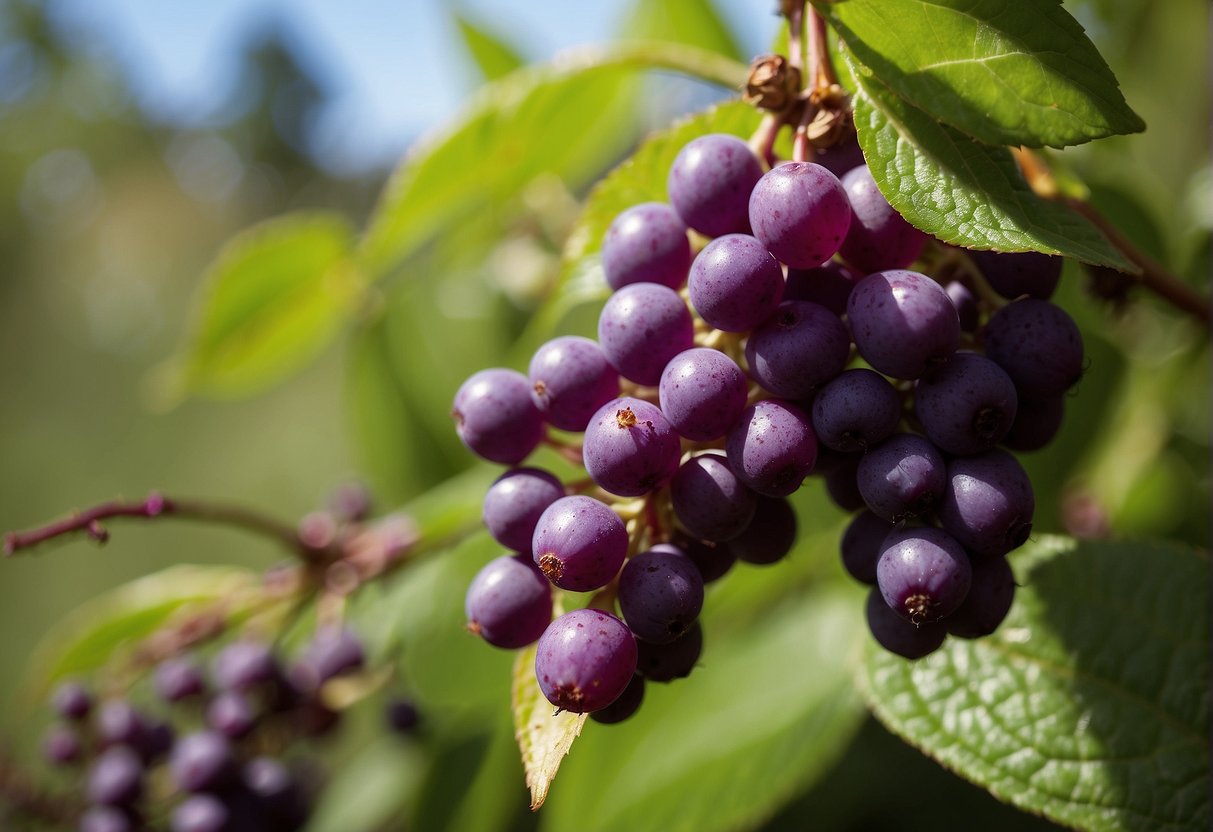
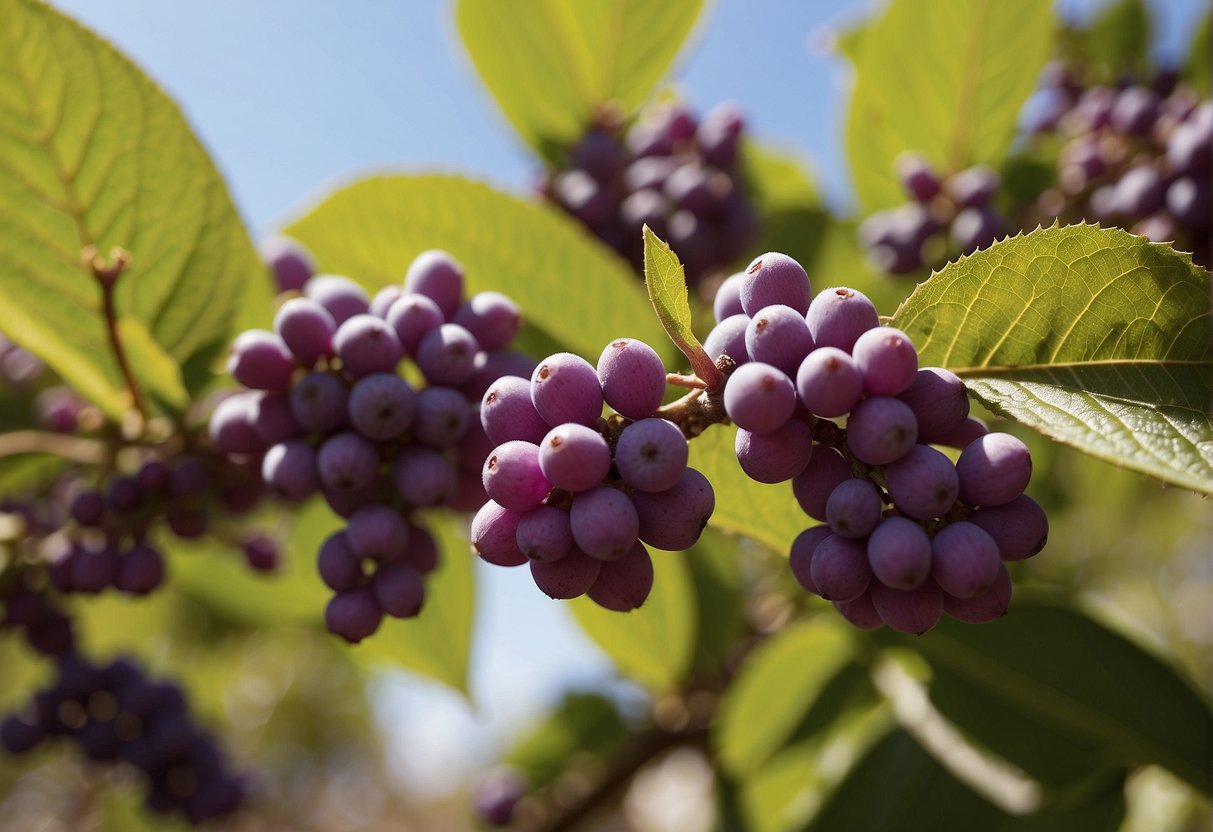
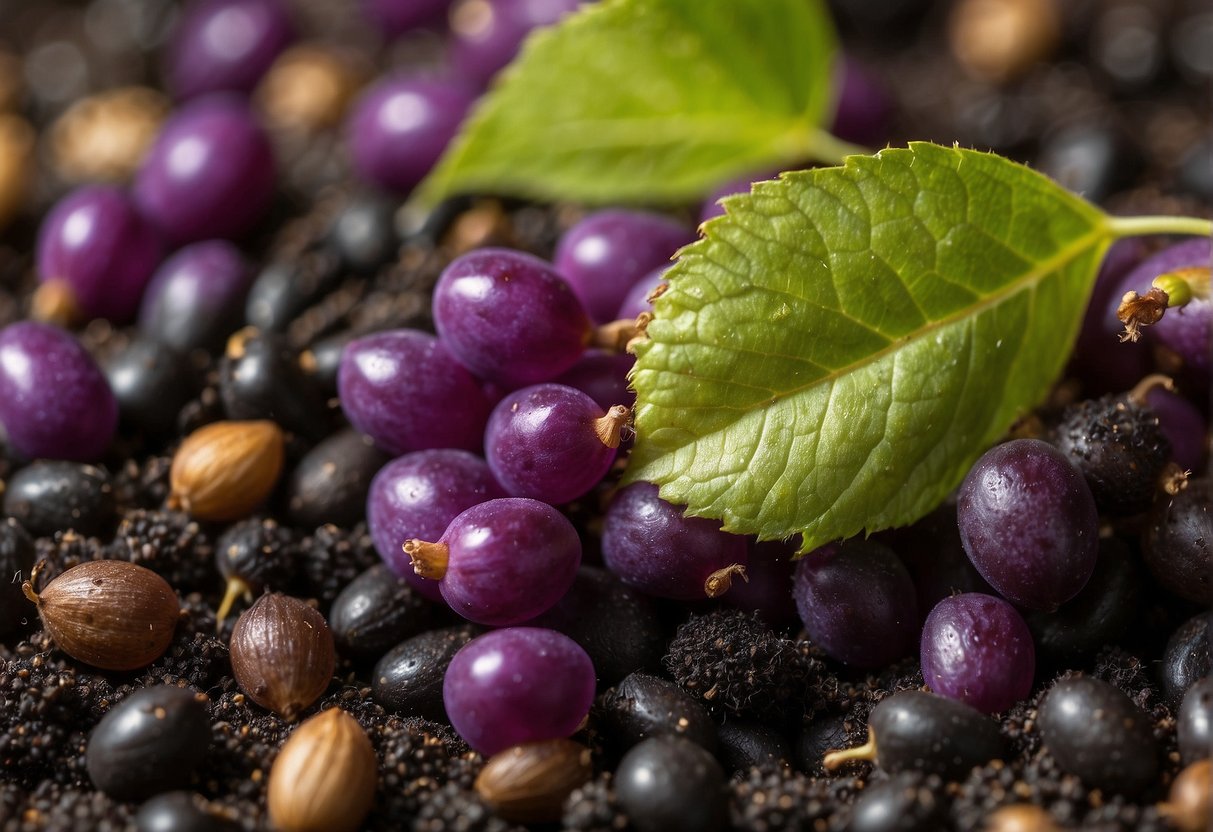
Should you be on the hunt for an eye-catching bush that could bring a splash of color to your yard, consider the American beautyberry (Callicarpa americana). This leaf-shedding bush is celebrated for its vivid purple berries, which form clusters around its branches. It’s not only a treat for the eyes but also serves as an excellent food source for birds and various animals. This article will guide you on the ideal locations to plant the American beautyberry, ensuring you fully benefit from this remarkable plant.
Choosing the right location is key when it comes to planting American beautyberry. This shrub prefers a spot with partial shade to full sun, and it can grow in a variety of soil types, including sandy, loamy, and clay soils. It’s important to make sure the soil is well-draining, as American beautyberry doesn’t like to sit in water. Keep in mind that this shrub can grow up to 6 feet tall and wide, so make sure you have enough space for it to thrive.
Planting and caring for American beautyberry is relatively easy. You can plant it in the spring or fall, and it’s best to water it regularly for the first few months after planting to help it establish its roots. Once it’s established, you can cut back on watering, as this shrub is drought-tolerant. American beautyberry doesn’t require much pruning, but you can trim it back in the late winter or early spring to promote new growth. With a little bit of care, your American beautyberry can thrive for years to come.
Key Takeaways
American beautyberry is a visually appealing shrub that can add color to your garden.
When planting American beautyberry, choose a spot with partial shade to full sun and well-draining soil.
Plant and care for American beautyberry by watering it regularly for the first few months, trimming it back in the late winter or early spring, and giving it enough space to grow.
Choosing the Right Location
When it comes to planting American Beautyberry, choosing the right location is crucial for its growth and survival. Here are some factors to consider when selecting the ideal spot for your Beautyberry plant.
Sunlight and Shade Requirements
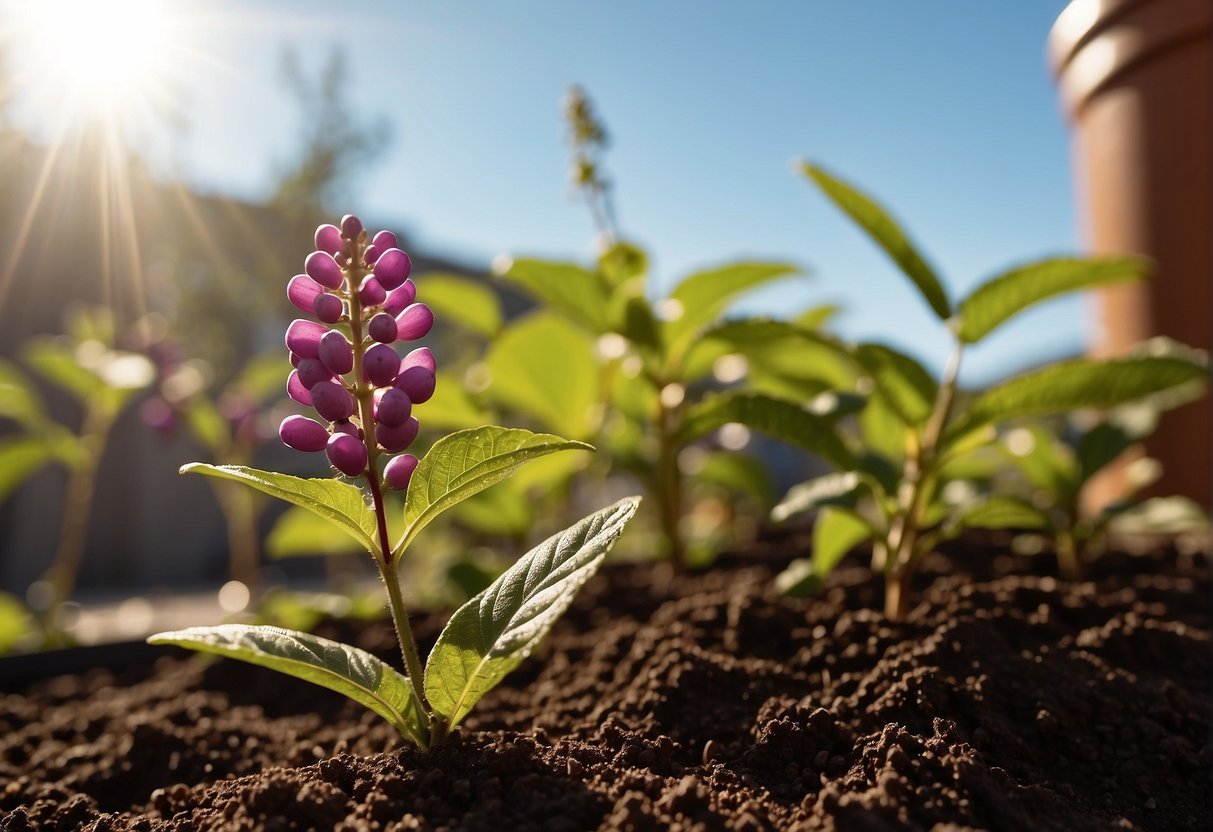
American Beautyberry thrives in full sun to partial shade. It prefers at least four hours of direct sunlight per day, but it can also grow in areas with dappled shade. If you plan to plant your Beautyberry in an area with full sun, make sure to provide some shade during the hottest part of the day to prevent leaf scorch.
Soil Conditions and Drainage
American Beautyberry grows well in well-drained soil with a pH level between 6.0 and 7.5. It can tolerate a wide range of soil types, including clay soil, as long as the soil is well-draining. If you have heavy clay soil, consider amending it with organic matter to improve drainage.
It’s important to ensure that your Beautyberry plant has adequate drainage to prevent root rot. If you’re planting in an area with poor drainage, consider creating a raised bed or adding drainage tiles to redirect excess water away from the plant’s roots.
Remember to test your soil before planting to determine its pH level and nutrient content. This will help you determine if any amendments are necessary to provide optimal growing conditions for your Beautyberry plant.
By considering the sunlight and shade requirements, as well as the soil conditions and drainage, you can choose the perfect location for your American Beautyberry plant. With the right care and attention, your Beautyberry will thrive and provide you with beautiful berries year after year.
Planting and Caring for American Beautyberry
If you are planning to grow American Beautyberry, it is important to know the right planting and caring techniques to ensure the plant thrives. Here are some tips to help you get started.
Planting Time and Techniques
American Beautyberry can be planted any time of the year, but it is best to plant them in the fall or early spring. When planting, choose a spot that receives partial shade or filtered sunlight. The plant prefers well-drained soil with a pH range of 5.5 to 6.5.
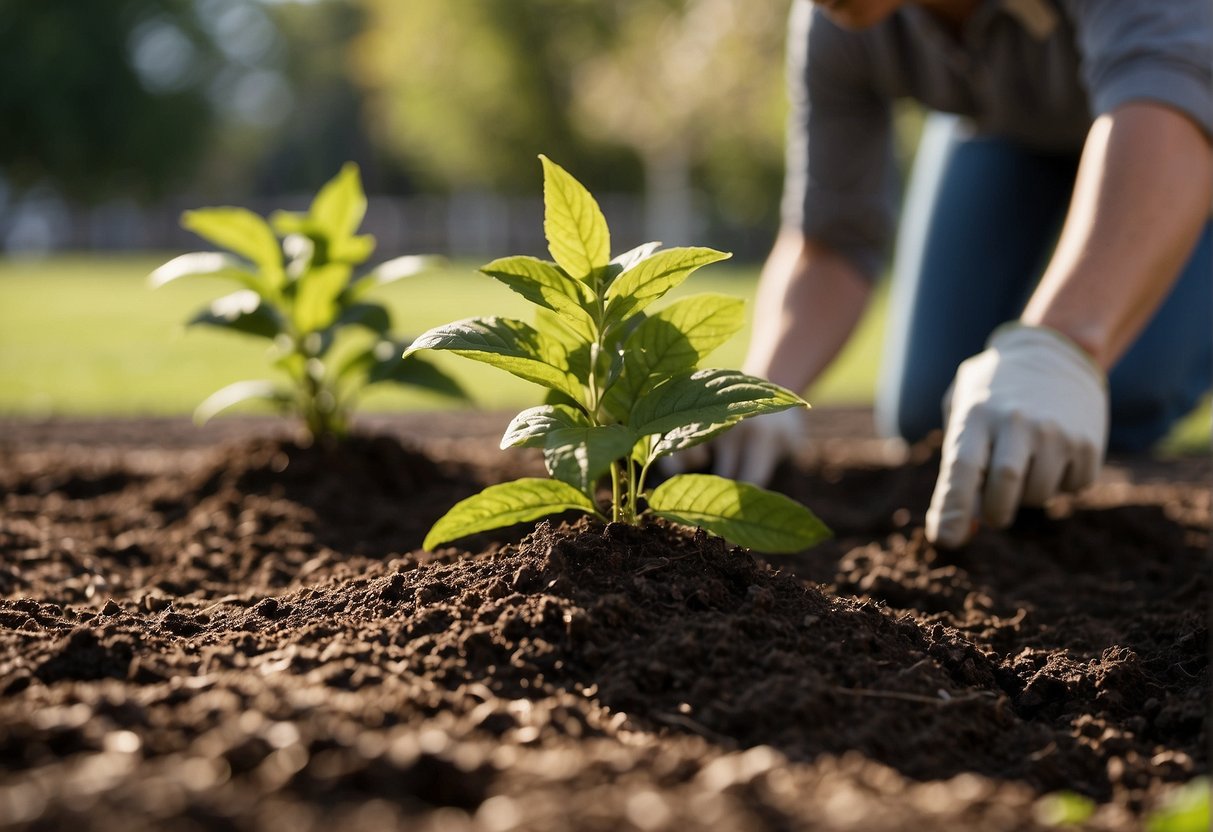
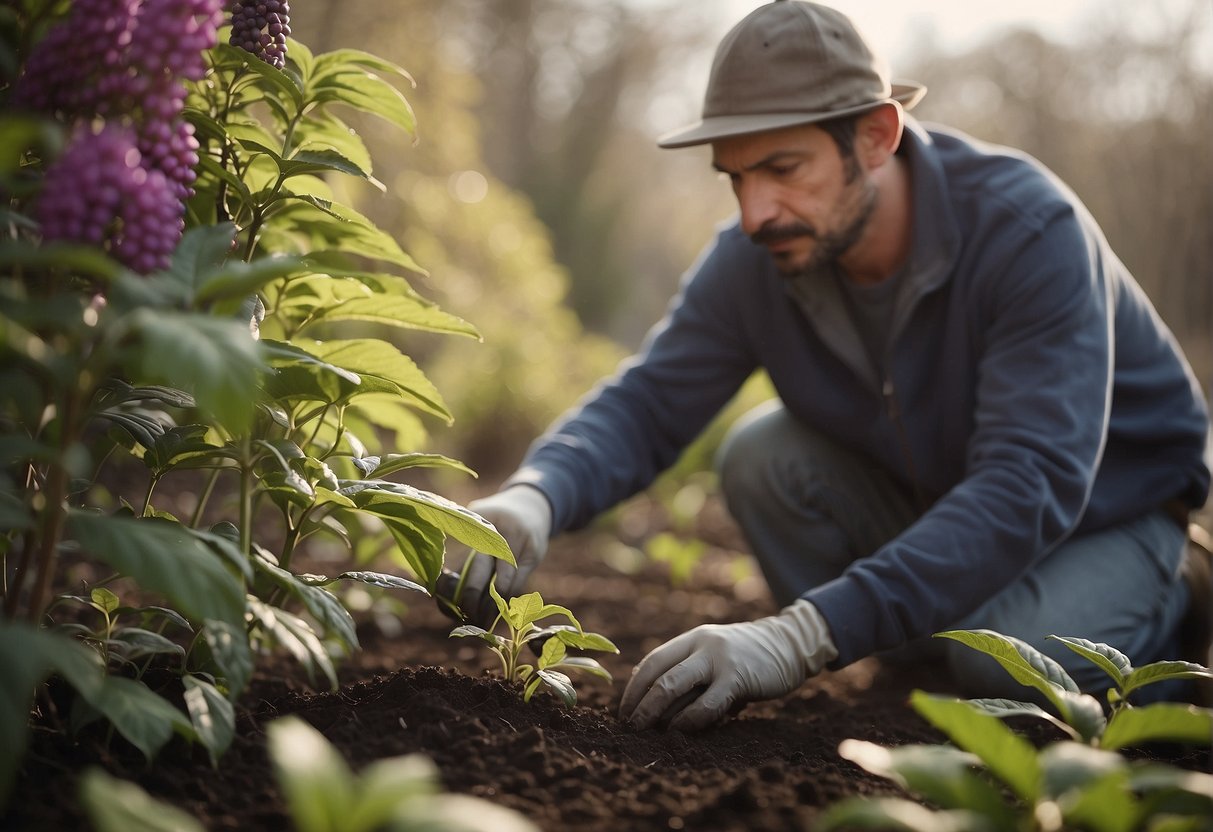
To plant, dig a hole that is slightly larger than the root ball. Make sure the hole is deep enough to cover the root ball completely. Add some organic matter to the soil and mix it well. Place the plant in the hole and backfill with soil. Water the plant thoroughly.
Watering and Mulching
American Beautyberry requires regular watering, especially during the first year of growth. Water the plant deeply once a week and make sure the soil is moist but not waterlogged. Mulching around the plant can help retain moisture and suppress weeds. Use a 2-3 inch layer of organic mulch such as pine straw or shredded leaves.
Pruning and Maintenance
American Beautyberry requires minimal pruning. You can prune the plant in the late winter or early spring before new growth appears. Cut back any dead or damaged branches and thin out any overcrowded growth.
To maintain the health of the plant, fertilize it once a year in the early spring with a balanced fertilizer. You can also propagate American Beautyberry by taking cuttings in the early summer and rooting them in a rooting hormone.
By following these simple planting and caring techniques, you can enjoy the beauty and benefits of American Beautyberry in your garden.
Frequently Asked Questions
What are the ideal growing conditions for American beautyberry?
American beautyberry thrives in a variety of growing conditions. It prefers moist, well-drained soil and partial shade. However, it can tolerate full sun and drought conditions as well. The plant is adaptable to different soil types, but it prefers slightly acidic soil.
How much sunlight is required for optimal American beautyberry growth?
American beautyberry prefers partial shade but can tolerate full sun. It can grow in areas with as little as four hours of direct sunlight per day. However, too much direct sunlight can cause the leaves to wilt and the plant to dry out.
What soil type is best suited for American beautyberry plants?
American beautyberry is adaptable to different soil types, but it prefers slightly acidic soil. It can grow in sandy, loamy, or clay soils. However, the soil must be well-drained to prevent waterlogging.
Can American beautyberry thrive in colder climates?
American beautyberry is hardy in USDA zones 7 through 11. It can survive mild winters, but it may die back to the ground in colder climates. It is best to protect the plant from frost and cold winds.
How do you manage American beautyberry invasiveness?
American beautyberry is not considered invasive. However, it can spread by seed or root suckers. To prevent unwanted spread, remove the flowers before they produce seeds. Additionally, remove any root suckers that appear outside of the desired planting area.
What is the recommended spacing for planting American beautyberry shrubs?
American beautyberry shrubs should be spaced 4 to 6 feet apart. This spacing allows the shrubs to grow and spread without crowding each other. It also provides enough space for air circulation, which prevents disease and pest problems.
Hi Lovelies ! I made this blog to share my tips about Home Improvement, Children, Pets, Food, Gadgets, Automotive, Health & Beauty, and ways to be frugal while maintaining a natural lifestyle. Interested to be a Guest Blogger on my website? Please email me at: [email protected]