Home » Blog » How to Grow American Beautyberry: Tips and Techniques
How to Grow American Beautyberry: Tips and Techniques
December 27, 2024
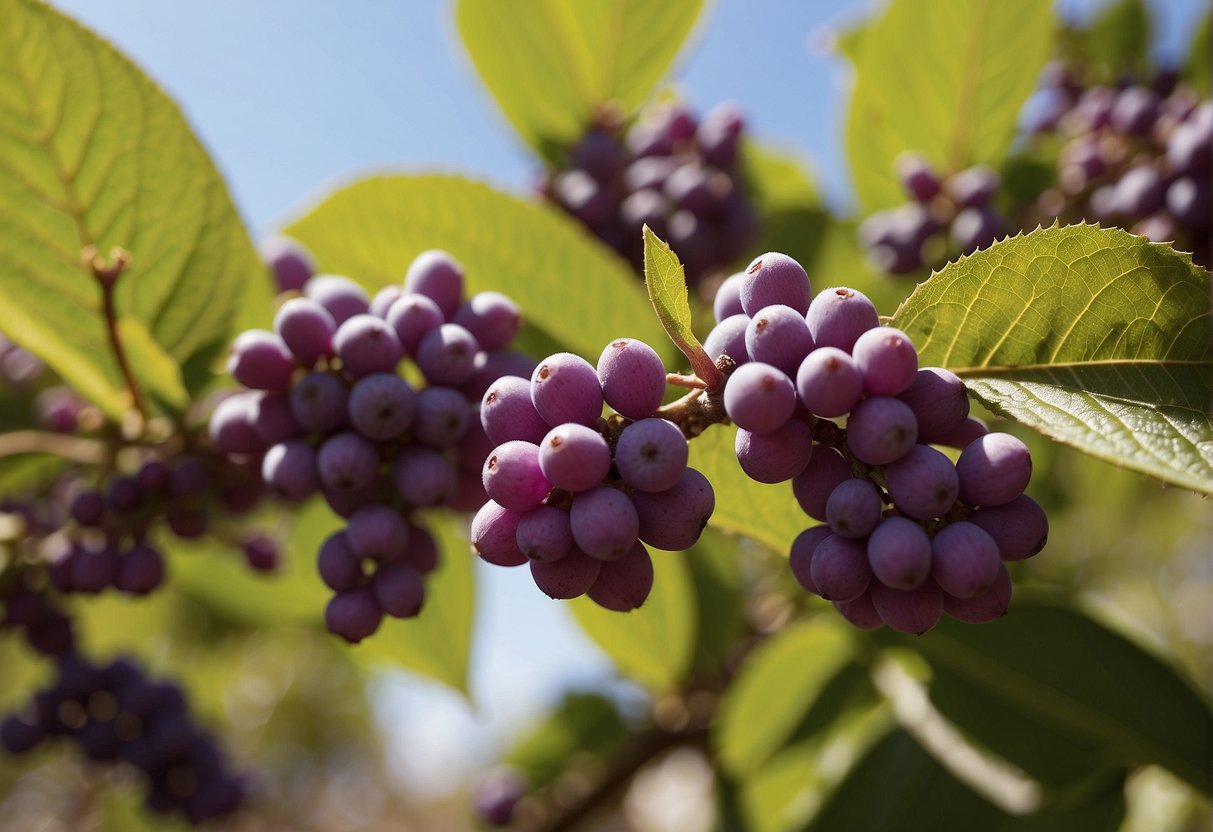
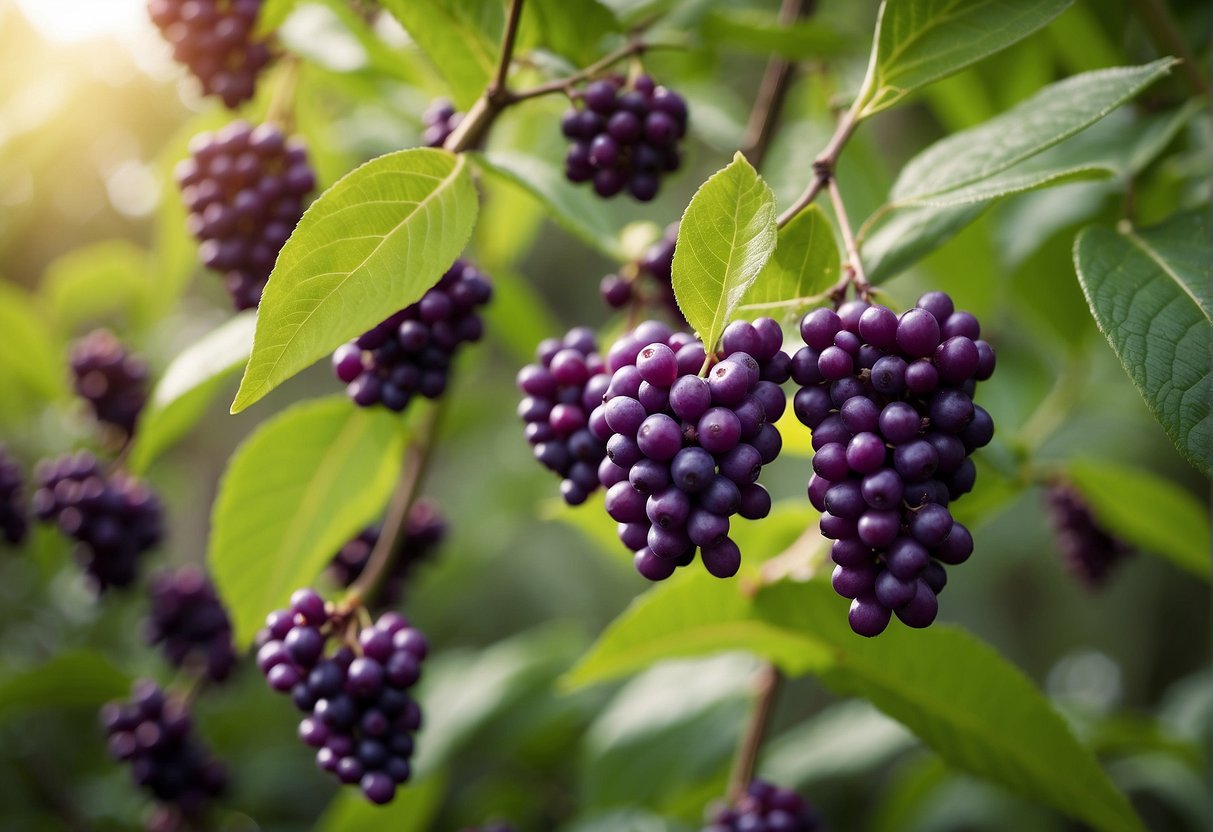
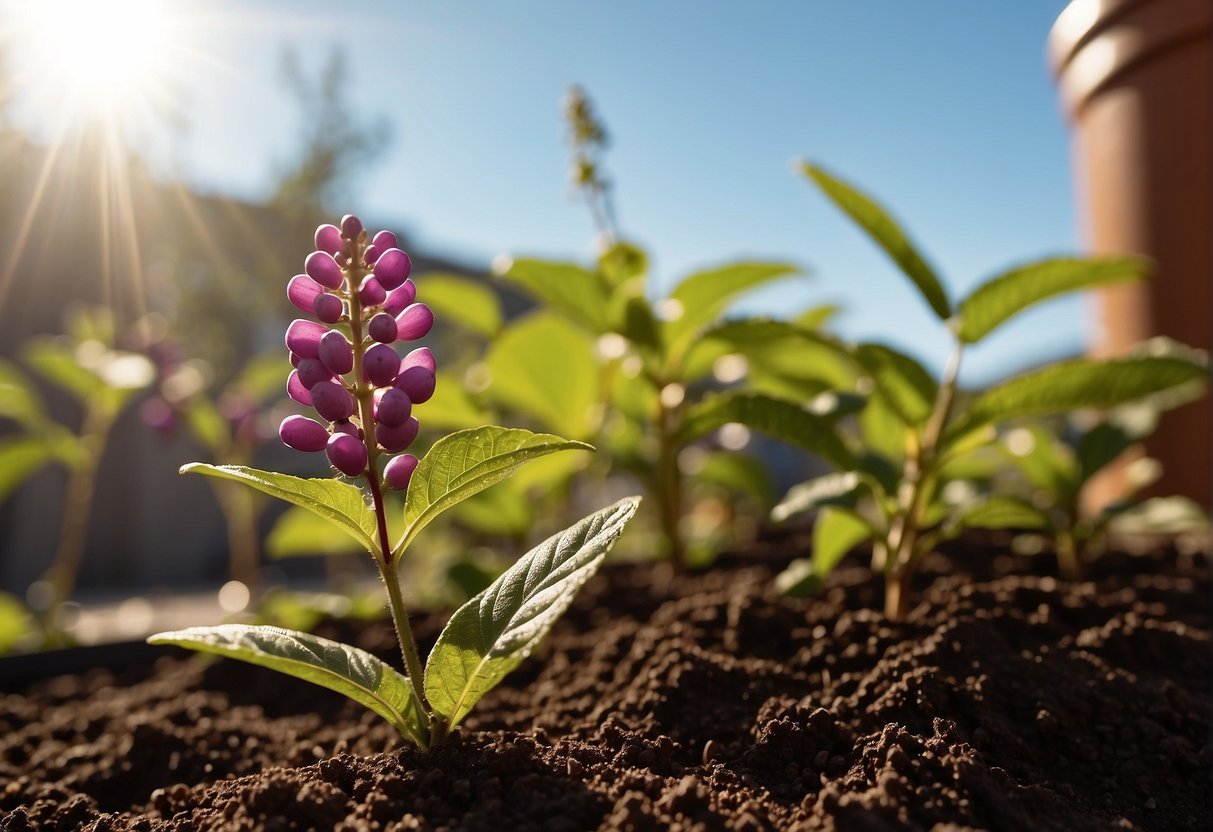
Adding an American Beautyberry plant to your garden is an excellent method to introduce a pop of color and intrigue. Originating from the southeastern regions of the United States, this deciduous bush captivates with its vivid purple berries that emerge in autumn. Should you desire a plant that requires minimal upkeep and draws birds and various wildlife to your outdoor space, the American Beautyberry is an outstanding selection.
Cultivating and caring for American Beautyberry is relatively easy, making it a great option for gardeners of all skill levels. With the right soil, water, and sunlight, your beautyberry shrub will flourish and provide years of enjoyment. In this article, we’ll cover everything you need to know to successfully grow and care for American Beautyberry, including the best varieties and related species to consider.
Key Takeaways
American Beautyberry is a great choice for adding color and interest to your garden.
Cultivating and caring for this native shrub is relatively easy.
By following our tips for cultivation and care, you can enjoy the beauty of American Beautyberry for years to come.
Cultivation and Care
Growing American beautyberry is a rewarding experience that requires minimal effort. With the right growing conditions and care, the shrub can thrive and produce beautiful purple or white berries that attract wildlife to your garden. Here are some tips on how to cultivate and care for American beautyberry:
Optimal Growing Conditions
American beautyberry thrives in full sun to part shade and prefers well-drained soil with a pH range of 5.5 to 7.5. It is hardy in USDA zones 6 to 10 and can tolerate temperatures as low as -10°F. The shrub can grow up to 6 feet tall and wide, so make sure to plant it in a location with enough space to accommodate its mature size.
Planting and Propagation
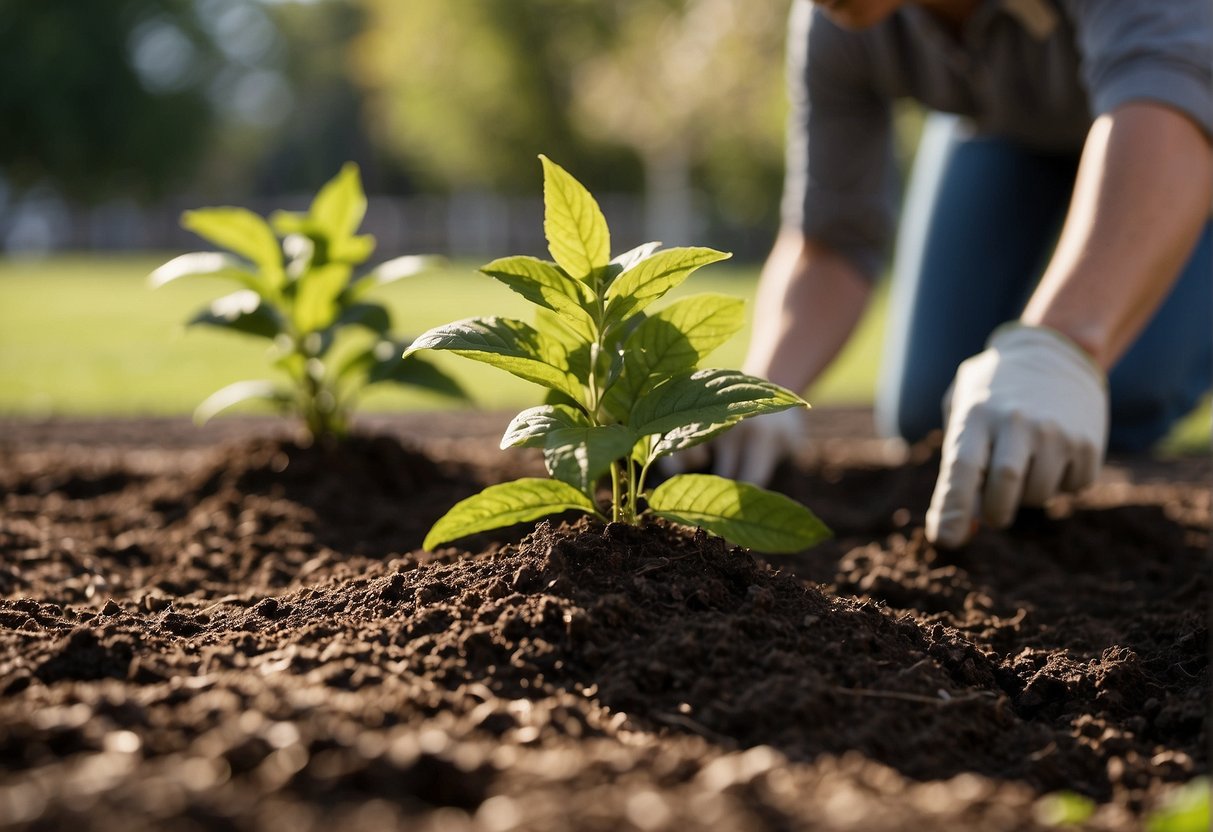
The best time to plant American beautyberry is in early spring or summer. You can propagate the shrub through softwood cuttings or by planting seeds. When planting, make sure to dig a hole that is twice as wide as the root ball and mix compost into the soil. Water the plant thoroughly after planting and keep the soil moist until the shrub is established.
Pruning and Maintenance
American beautyberry requires minimal pruning and maintenance. You can prune the shrub in late winter or early spring to remove any dead or damaged branches and encourage new growth. Fertilize the shrub in late winter or early spring with a balanced fertilizer to promote healthy growth and berry production. Watch out for pests and diseases such as leaf spot and mosquito infestations.
Seasonal Care and Challenges
American beautyberry is drought-tolerant and can withstand periods of rain. During the fall and winter, the shrub will lose its leaves and become dormant. In the spring, new growth will emerge, and the shrub will bloom with small, pink flowers. The berries will ripen in late summer and attract birds, butterflies, and other wildlife to your garden.
Wildlife Interaction and Benefits
American beautyberry is a wildlife-friendly shrub that provides food and shelter for birds, butterflies, and other animals. The purple berries are a food source for songbirds, deer, foxes, raccoons, squirrels, and opossums. The shrub’s arching branches and clusters of berries also make it an attractive addition to any garden.
Landscape Design and Usage
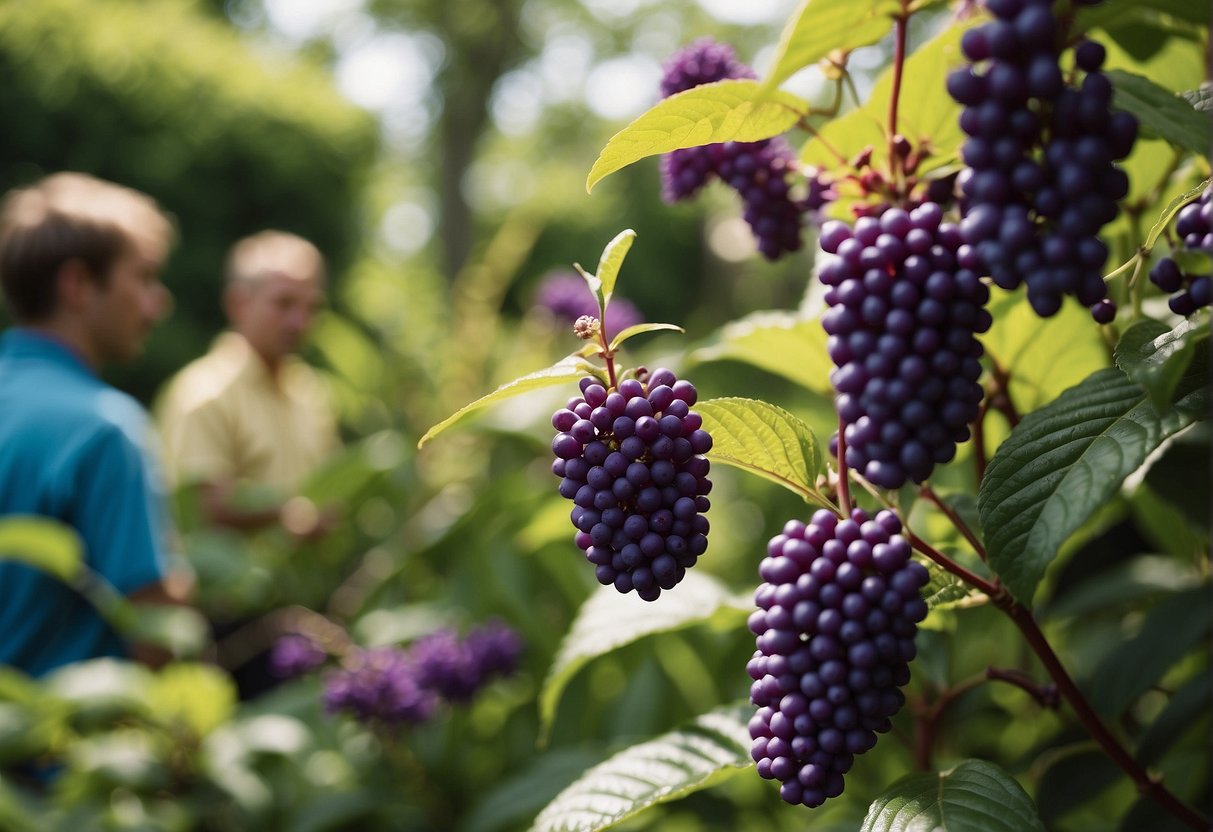
American beautyberry is a versatile shrub that can be used in borders, gardens, mass plantings, and woodland settings. Its purple or white berries add color and interest to any landscape, and its mature size and arching branches make it an excellent choice for a pollinator garden. You can also use American beautyberry in cut flower arrangements or as a natural insect repellent.
Varieties and Related Species
If you are interested in growing beautyberry, you should know that there are different species and cultivars available. Let’s take a closer look at some of them:
Different Species of Beautyberry
The Callicarpa genus includes several species of beautyberry, such as the Japanese beautyberry (C. japonica) and the French mulberry (C. dichotoma). However, the most common species in North America is the American beautyberry (C. americana). This native plant is found in the southeastern United States and is known for its striking purple berries.
Choosing the Right Beautyberry
When selecting a beautyberry plant, you should consider the bloom time, sunlight, and soil conditions. American beautyberry prefers partial shade, but it can also grow in full sun. It is a member of the Lamiaceae family, which includes plants like mint and sage. This means that it prefers well-drained soil that is rich in organic matter.
If you live in Texas, you may want to consider the cultivar ‘Lactea’, which is known for its white berries. Other cultivars include ‘Welch’s Pink’ and ‘Issai’, which have pink and lavender berries, respectively.
Overall, beautyberry is a great addition to any garden. With its vibrant berries and easy-to-grow nature, it is sure to be a hit with both humans and wildlife.
Frequently Asked Questions
What are the ideal conditions for germinating American Beautyberry seeds?
To germinate American Beautyberry seeds, you will need to provide them with a warm and moist environment. The ideal temperature range for germination is between 70 to 85°F (21 to 29°C). You can start by soaking the seeds in water for 24 hours before planting them in a seed-starting mix. Cover the seeds with a thin layer of soil and keep the soil consistently moist until the seeds germinate, which can take up to 3 weeks.
Can American Beautyberry thrive in a water-based, soil-less environment?
American Beautyberry prefers well-draining soil, but it can also grow in a water-based, soil-less environment such as hydroponics. However, you will need to provide the plant with a balanced nutrient solution and ensure that the roots do not sit in stagnant water. It is also important to ensure that the plant receives adequate light and air circulation.
What is the proper technique for propagating American Beautyberry from cuttings?
The best time to take cuttings from American Beautyberry is in late winter or early spring before new growth begins. Take 4 to 6-inch (10 to 15 cm) stem cuttings from the current season’s growth and remove the leaves from the lower half of the stem. Dip the cut end of the stem in rooting hormone and plant it in a well-draining soil mix. Keep the soil moist and provide the cutting with bright, indirect light until it roots, which can take up to 8 weeks.
How much space is required to cultivate a healthy American Beautyberry plant?
American Beautyberry can grow up to 6 feet (1.8 m) tall and wide, so it requires a lot of space to grow. It is best to plant the shrub in a location where it can spread out and receive full sun to partial shade. The plant can also be pruned to maintain its shape and size.
What are the common issues faced when growing American Beautyberry and how to address them?
American Beautyberry is generally a low-maintenance plant, but it can be susceptible to fungal diseases such as leaf spot and powdery mildew. To prevent these diseases, ensure that the plant has adequate air circulation and avoid overhead watering. Insects such as spider mites and scale can also infest the plant, but they can be controlled with insecticidal soap or neem oil.
Is American Beautyberry suitable for growth in colder climates such as zones 4 and 5?
American Beautyberry is native to the southeastern United States and is hardy in USDA zones 6 to 10. It may be possible to grow the plant in colder climates such as zones 4 and 5, but it will require winter protection such as mulching and covering the plant with burlap. It is also important to ensure that the plant receives adequate sunlight and is planted in a protected location.
Hi Lovelies ! I made this blog to share my tips about Home Improvement, Children, Pets, Food, Gadgets, Automotive, Health & Beauty, and ways to be frugal while maintaining a natural lifestyle. Interested to be a Guest Blogger on my website? Please email me at: [email protected]