Home » Blog » How to Preserve Beautyberry: Tips and Techniques
How to Preserve Beautyberry: Tips and Techniques
December 27, 2024
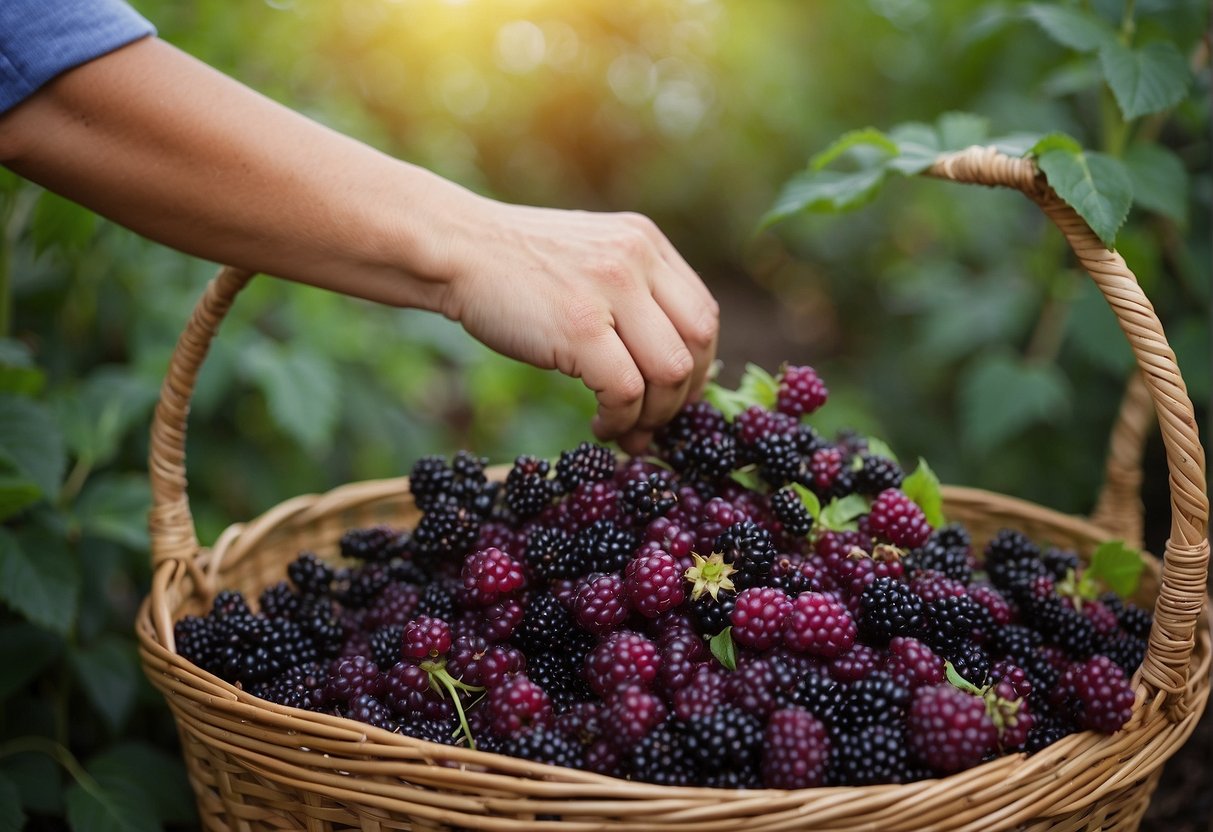
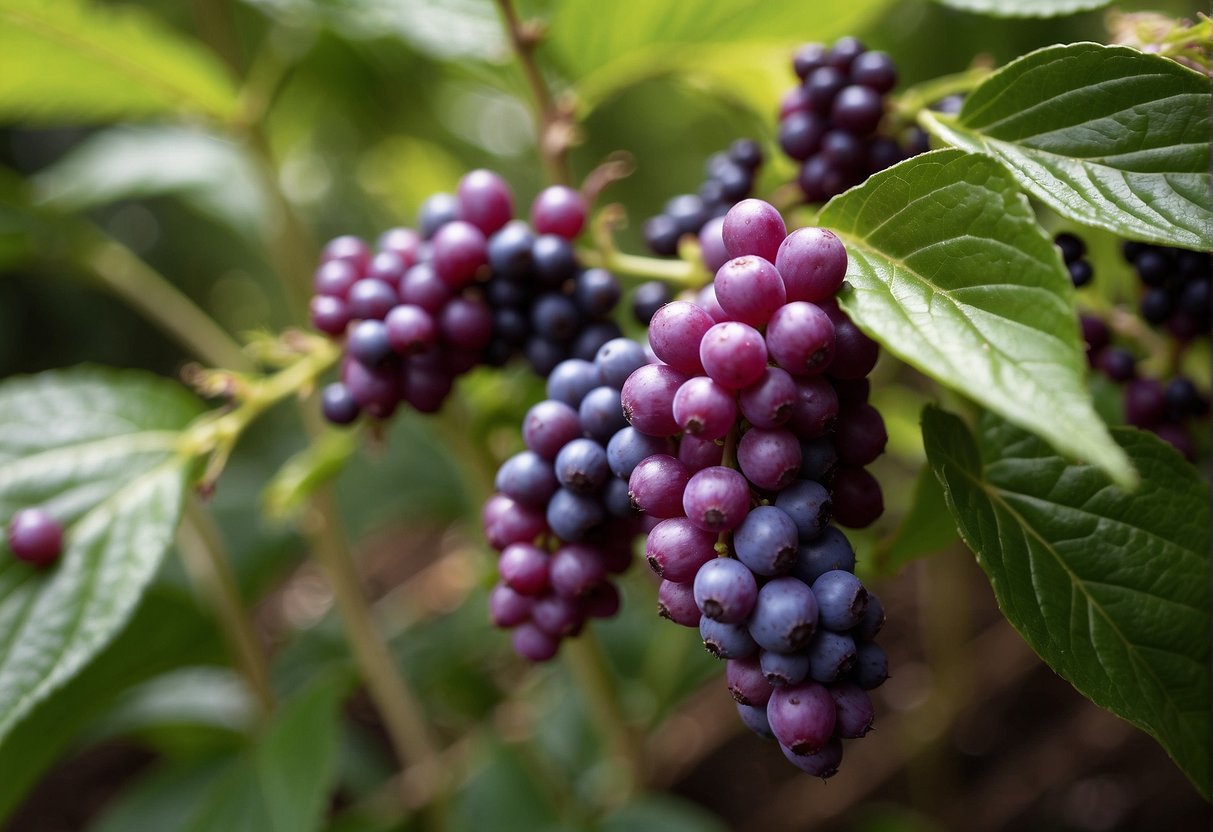
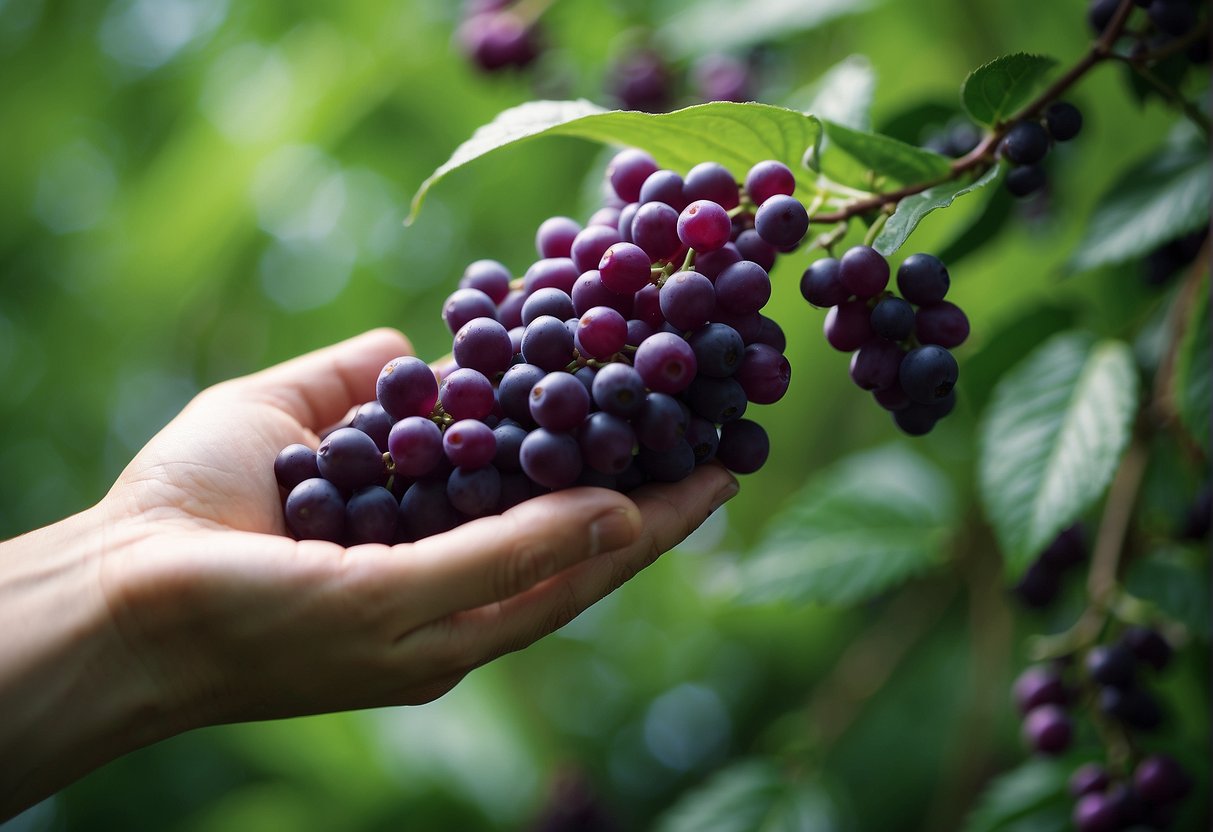
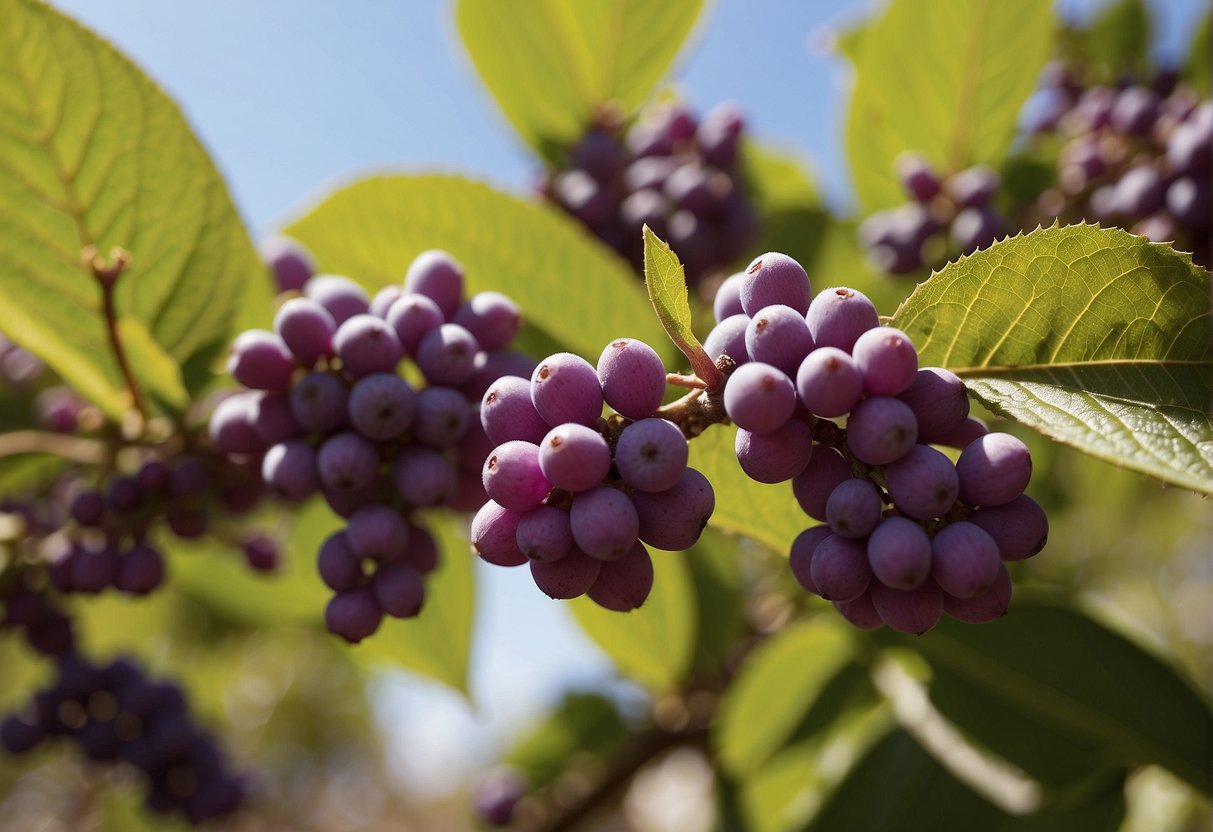
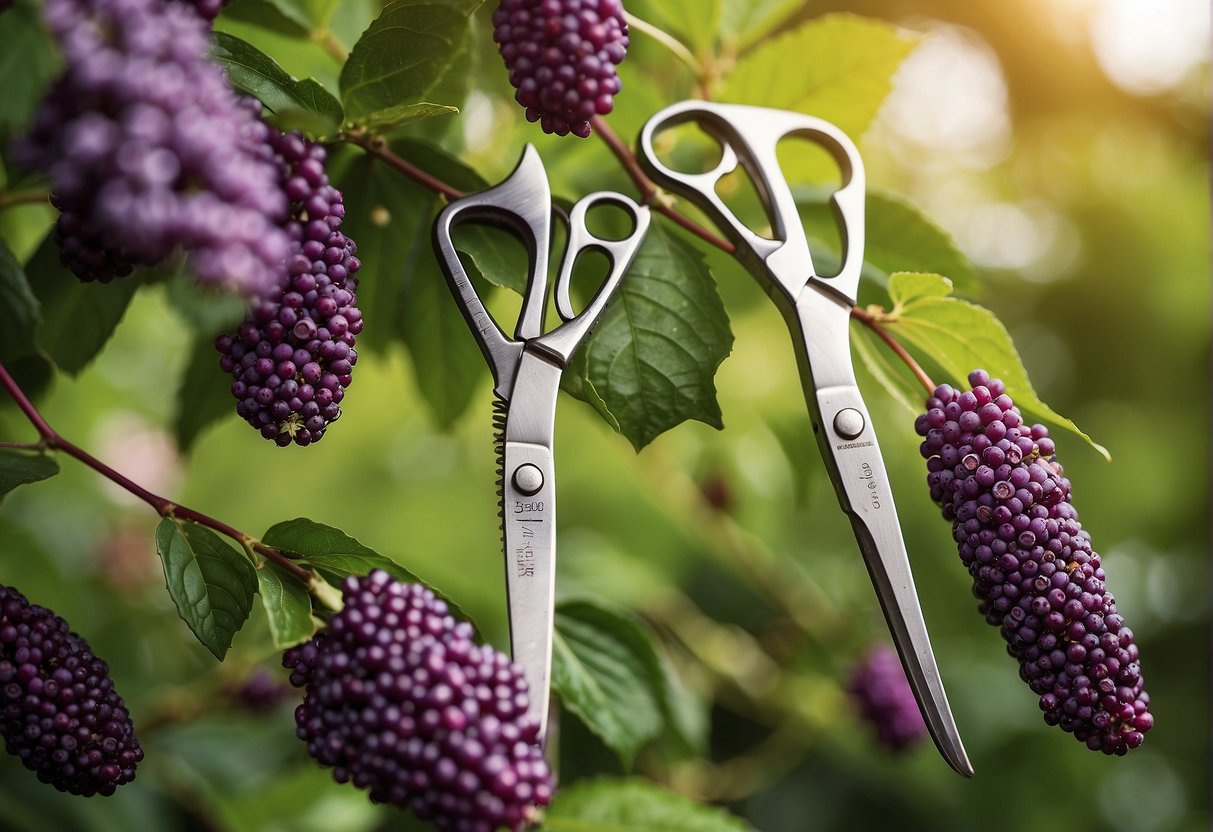
Maintaining the vivid hues and distinctive feel of beautyberry throughout the year is an excellent strategy. If you’re blessed with a surplus of beautyberries in your yard or have sourced some from a nearby farmers’ market, keeping them preserved allows you to fully appreciate the aesthetic appeal of this plant. In our discussion, we’ll dive into the fundamentals of preserving beautyberry, touching on aspects like its growth and care, methods of propagation, and answers to common queries.
Cultivation and Care: Before you start preserving beautyberries, it’s important to understand how to cultivate and care for them. American beautyberry, also known as Callicarpa americana, is a deciduous shrub that is native to the southeastern United States. It prefers full sun to partial shade and moist, well-drained soil. Regular watering and fertilization can help promote healthy growth and vibrant colors. Pruning is also important to maintain the shape and size of the plant.
Propagation and Growth: Beautyberries can be propagated through stem cuttings or seeds. Stem cuttings should be taken in the spring or early summer and rooted in a well-drained potting mix. Seeds can be collected from mature berries in the fall and sown in the spring. Once established, beautyberries can grow up to 6 feet tall and wide. Regular pruning can help control their size and shape.
Frequently Asked Questions: Preserving beautyberries can be a fun and rewarding activity, but it can also raise some questions. How long do preserved beautyberries last? What are the best methods for preserving them? Can beautyberries be used in cooking and baking? We’ll answer these and other frequently asked questions in this article.
Key Takeaways
Beautyberries can be preserved to enjoy their vibrant colors and unique texture all year round.
Cultivation and care, propagation and growth, and frequently asked questions are important aspects to consider when preserving beautyberries.
Beautyberries can be propagated through stem cuttings or seeds, and can be used in cooking and baking.
Cultivation and Care
Planting and Soil Requirements
Beautyberry shrubs are easy to grow and maintain. They thrive in well-drained soil with a pH range of 5.5 to 6.5. If your soil is nutrient-poor, amend it with organic matter such as compost or aged manure before planting. Beautyberry shrubs prefer partial shade but can also tolerate full sun. When planting, make sure to space the shrubs at least 4 to 6 feet apart to allow for proper growth and air circulation.
Watering and Fertilization
During the summer months, beautyberry shrubs require regular watering to keep the soil moist. However, be careful not to overwater as this can lead to root rot. Fertilize the shrubs in the spring with a balanced fertilizer, following the manufacturer’s instructions. You can also add a layer of mulch around the base of the shrubs to help retain moisture and suppress weeds.
Pruning and Maintenance
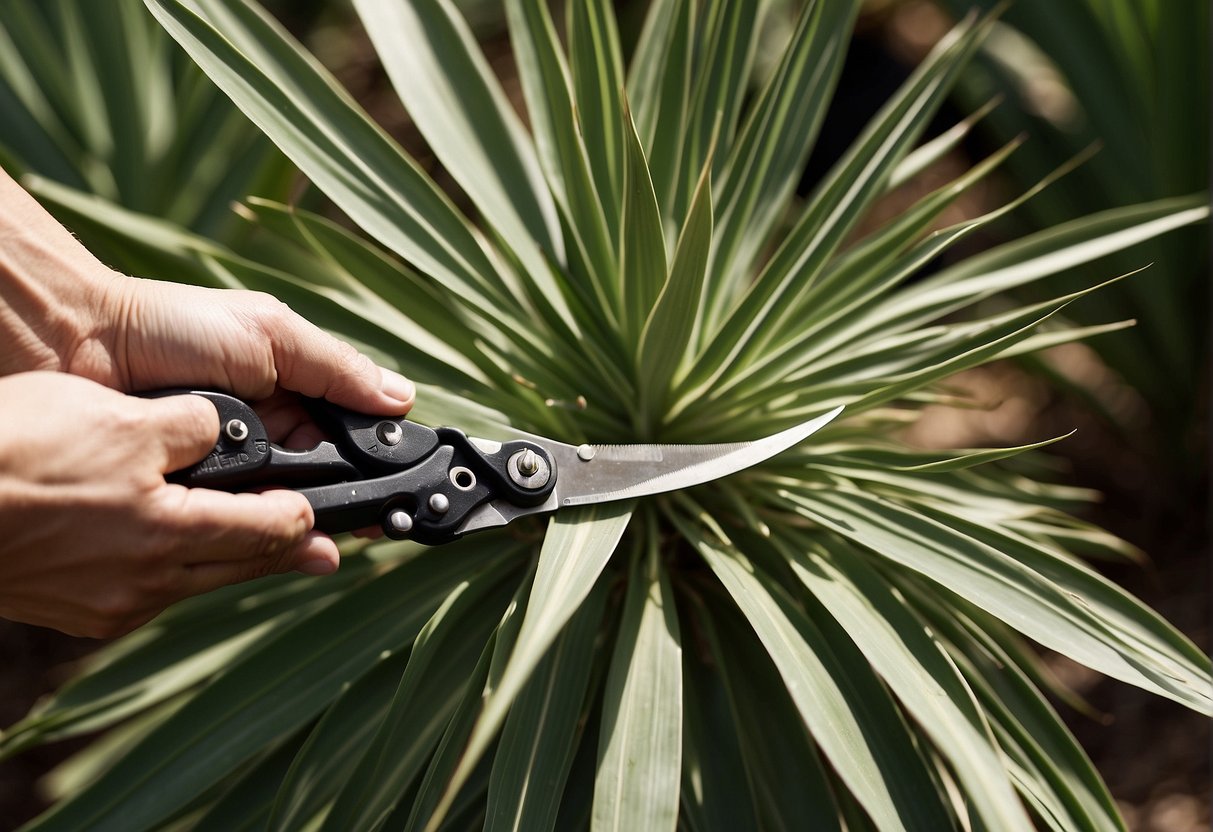
Beautyberry shrubs require minimal pruning and maintenance. In late winter, prune the shrubs to remove any dead or damaged branches. This will encourage new growth and promote a fuller, healthier shrub. If you want to control the height of the shrub, prune it back to the desired size in the late winter or early spring. Beautyberry shrubs are generally pest and disease-resistant, but keep an eye out for common garden pests such as aphids or spider mites. If you notice any signs of infestation, treat the shrubs with an appropriate insecticide or fungicide.
Propagation and Growth
If you want to propagate beautyberry, you have two main options: seed propagation or cuttings and division. Both methods have their own advantages and disadvantages, so it’s important to choose the one that best suits your needs.
Seed Propagation
If you decide to propagate beautyberry from seed, you should start in the late spring or early summer. First, you need to collect mature seeds from a healthy plant. Then, you can sow them in seedling trays filled with potting mix. Make sure to keep the soil moist and warm, and the seeds should germinate within a few weeks.
Once the seedlings are large enough, you can transplant them into individual pots or directly into the ground. Keep in mind that beautyberry can take several years to reach its mature size, so be patient and give it plenty of time to grow.
Cuttings and Division
Another option for propagating beautyberry is to take stem cuttings in the summer or fall. Softwood cuttings tend to be more successful than hardwood cuttings, so make sure to choose young, healthy stems. Dip the cuttings in rooting hormone and plant them in potting mix. Keep the soil moist and warm, and the cuttings should root within a few weeks.
If you already have a mature beautyberry plant, you can also propagate it through division. Simply dig up the plant and carefully separate the roots into smaller sections. Replant each section in a new location, and make sure to water it regularly until it becomes established.
No matter which method you choose, propagating beautyberry can be a rewarding experience. With a little patience and care, you can create a beautiful and thriving garden filled with these stunning plants.
Frequently Asked Questions
What is the best method for drying beautyberries for later use?
To dry beautyberries, harvest them when they are fully ripe and remove the stems. Wash the berries and pat them dry with a towel. Spread the berries out on a baking sheet or tray and place them in a warm, dry location with good air circulation. Turn the berries occasionally to ensure even drying. It may take several days for the berries to dry completely. Once the berries are dry, store them in an airtight container in a cool, dry location.
How can one make beautyberry jelly without adding pectin?
Beautyberries are naturally high in pectin, so it is not necessary to add additional pectin when making jelly. To make beautyberry jelly, wash the berries and place them in a large pot with enough water to cover them. Bring the berries to a boil and then reduce the heat to a simmer. Cook the berries for 20-30 minutes, stirring occasionally. Strain the juice through a fine mesh strainer or cheesecloth and measure the juice. For every cup of juice, add one cup of sugar. Bring the mixture to a boil and cook until the jelly reaches the desired consistency. Skim off any foam that forms on the surface of the jelly and then pour it into sterilized jars.
Is it possible to freeze beautyberries for long-term preservation?
Yes, beautyberries can be frozen for long-term preservation. To freeze beautyberries, wash the berries and pat them dry with a towel. Remove the stems and place the berries in a single layer on a baking sheet or tray. Place the tray in the freezer and freeze the berries until they are solid. Once the berries are frozen, transfer them to an airtight container or freezer bag and store them in the freezer.
What are the steps to create beautyberry wine?
To make beautyberry wine, harvest the berries when they are fully ripe and remove the stems. Wash the berries and place them in a large pot with enough water to cover them. Bring the berries to a boil and then reduce the heat to a simmer. Cook the berries for 20-30 minutes, stirring occasionally. Strain the juice through a fine mesh strainer or cheesecloth and measure the juice. For every gallon of juice, add 2-3 pounds of sugar and one packet of wine yeast. Pour the mixture into a sterilized fermenting vessel and allow it to ferment for several weeks. Once the wine has finished fermenting, transfer it to sterilized bottles and cork them.
Can beautyberries be used as cut flowers, and how should they be preserved?
Yes, beautyberries can be used as cut flowers. To preserve them, cut the stems at an angle and place them in a vase with fresh water. Change the water every few days and trim the stems at an angle each time to help the flowers absorb water. Beautyberries can also be dried and used in dried floral arrangements.
How do you prepare beauty berry tea from fresh berries?
To prepare beautyberry tea, harvest the berries when they are fully ripe and remove the stems. Wash the berries and place them in a large pot with enough water to cover them. Bring the berries to a boil and then reduce the heat to a simmer. Cook the berries for 20-30 minutes, stirring occasionally. Strain the juice through a fine mesh strainer or cheesecloth and discard the solids. Serve the tea hot or cold, sweetened with honey or sugar if desired.
Hi Lovelies ! I made this blog to share my tips about Home Improvement, Children, Pets, Food, Gadgets, Automotive, Health & Beauty, and ways to be frugal while maintaining a natural lifestyle. Interested to be a Guest Blogger on my website? Please email me at: [email protected]