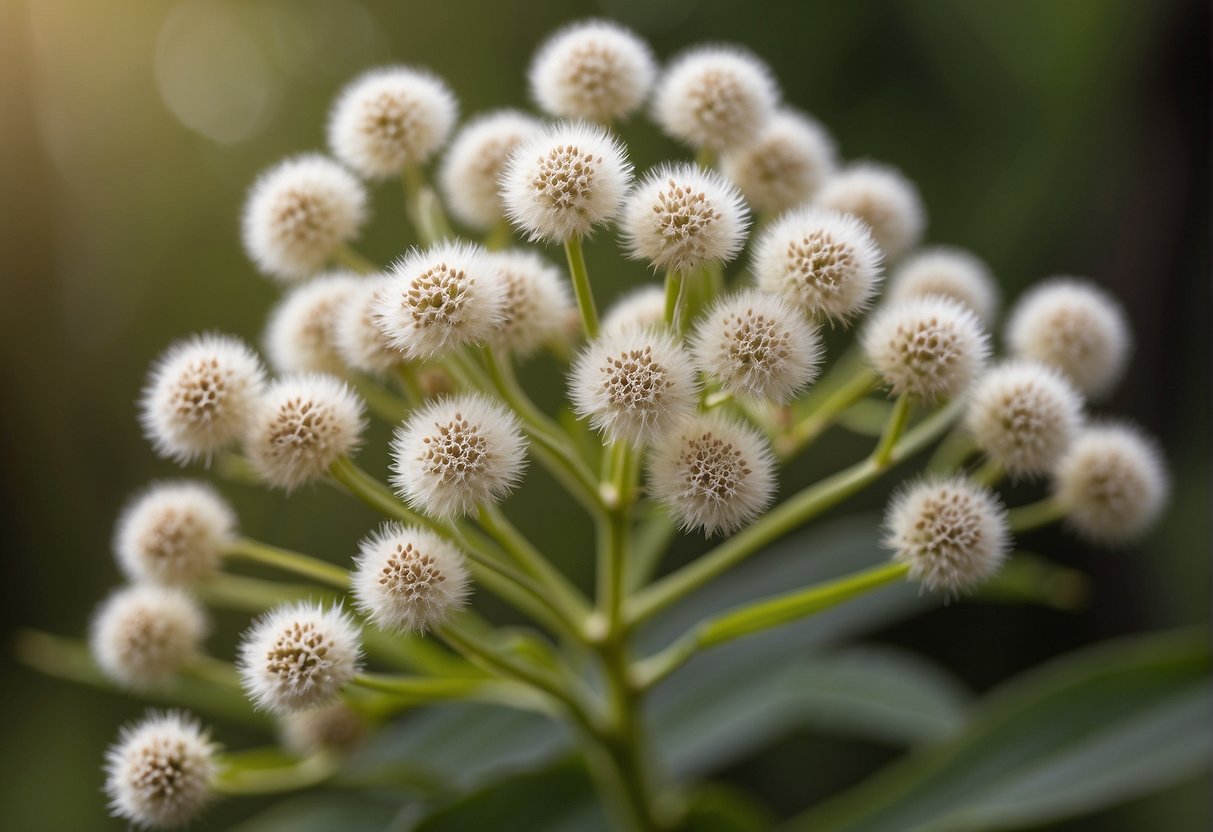

Interested in incorporating butterfly milkweed plants into your garden? You’ve hit the jackpot! Butterfly milkweed is a favored and simple-to-cultivate type of milkweed, ideal for inviting monarch butterflies into your garden. This guide will delve into where to locate butterfly milkweed plants and offer advice on how to choose, grow, and maintain them.

When it comes to selecting the right milkweed species for your garden, butterfly milkweed is a great choice. Not only is it a beautiful and colorful plant, but it also provides essential habitat for monarch butterflies, whose populations have been declining in recent years. Whether you’re an experienced gardener or a novice, butterfly milkweed is a great way to support these iconic insects and add some beauty to your outdoor space.
So where can you find butterfly milkweed plants? In the next section, we’ll explore some of the best places to look for them, including nurseries, online retailers, and local conservation organizations. We’ll also provide some guidance on what to look for when selecting plants and how to care for them once you bring them home.
Selecting the Right Milkweed Species
When it comes to selecting the right milkweed species for your garden, it’s important to consider a few key factors. Native milkweeds are always a great choice, as they are adapted to the local climate and provide essential habitat for monarch butterflies. Additionally, perennial varieties are ideal, as they will return year after year and require less maintenance than annuals.
Understanding Native Milkweeds
Native milkweeds are those species that are naturally found in your region. These plants have evolved alongside local wildlife and are well-suited to the local climate and soil conditions. Some common native milkweeds include common milkweed, swamp milkweed, butterfly weed, showy milkweed, whorled milkweed, and purple milkweed.
When selecting a native milkweed species, it’s important to consider the growing conditions in your area. Some species, like swamp milkweed, prefer moist soils, while others, like butterfly weed, can tolerate dry conditions. By choosing a species that is well-suited to your region, you’ll be more likely to have success with your milkweed planting.
Popular Milkweed Varieties for Gardens
In addition to native milkweeds, there are also several popular milkweed varieties that are well-suited to gardens. These species have been bred for their ornamental value and are often more compact than their wild counterparts. Some popular milkweed varieties for gardens include:
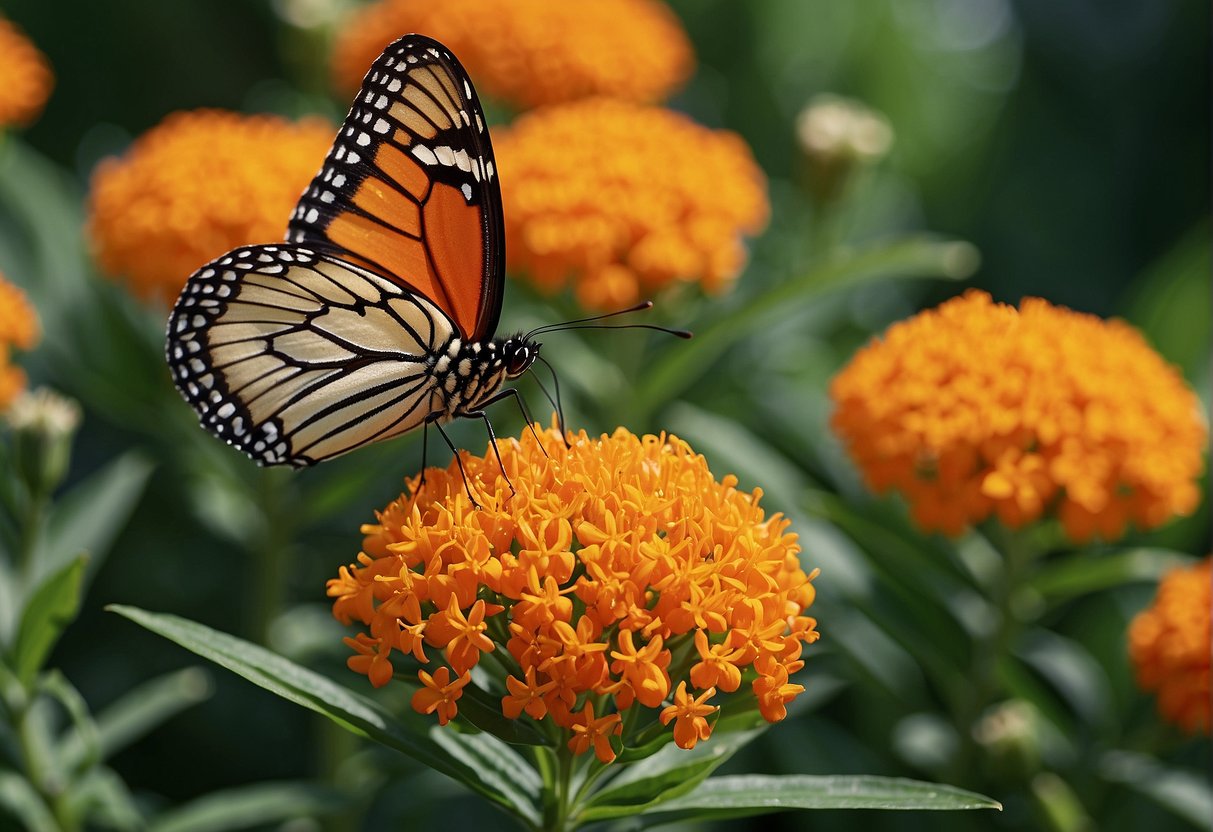
- Butterfly weed (Asclepias tuberosa): This species is prized for its bright orange flowers and compact growth habit. It prefers well-drained soil and full sun.
- Showy milkweed (Asclepias speciosa): This species has large, pinkish-purple flowers and can grow up to 4 feet tall. It prefers well-drained soil and full sun.
- Whorled milkweed (Asclepias verticillata): This species has small, white flowers and a bushy growth habit. It prefers well-drained soil and full sun.
By selecting the right milkweed species for your garden, you can create a beautiful and beneficial habitat for monarch butterflies and other pollinators. Whether you choose a native species or a popular garden variety, be sure to provide plenty of sunlight and well-drained soil for optimal growth.
Cultivation and Care of Milkweed Plants
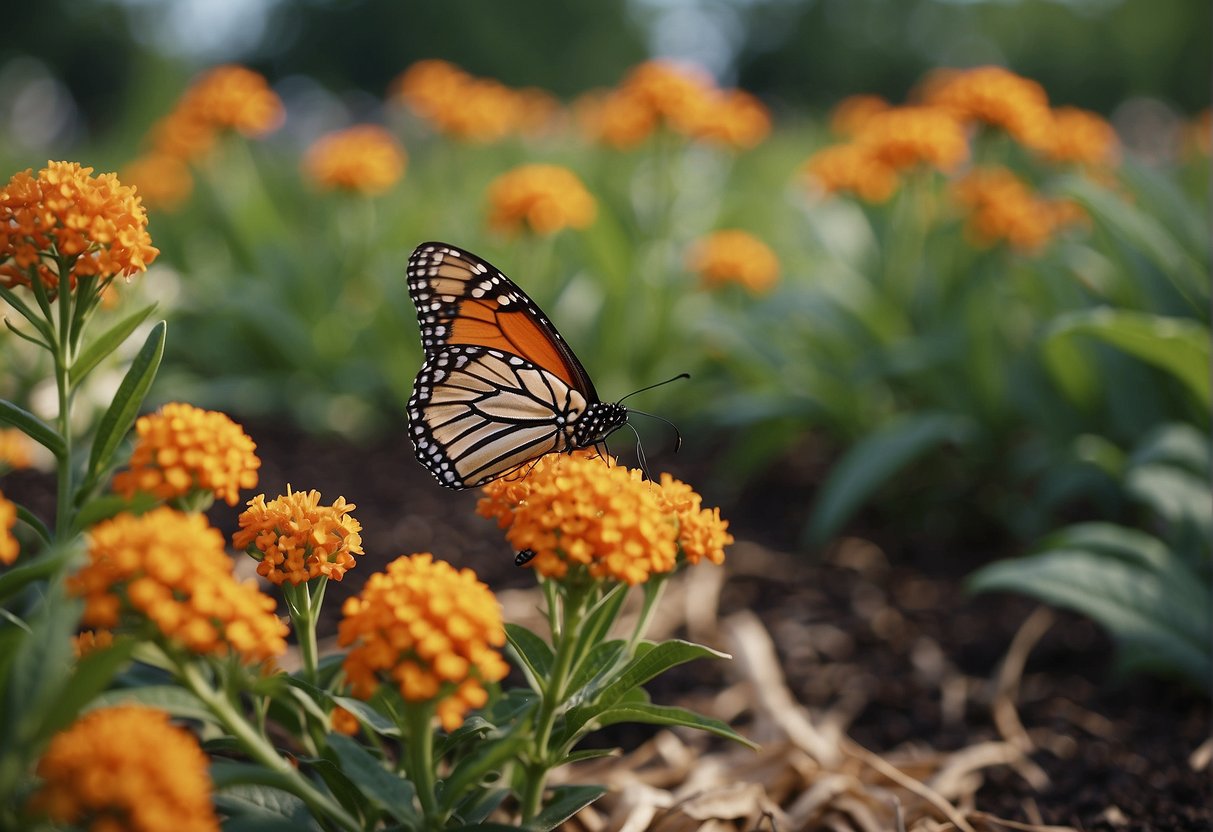
If you’re looking to add butterfly milkweed plants to your garden, it’s important to understand how to properly cultivate and care for them. Here are some tips to help you get started.
Sowing Milkweed Seeds and Stratification
Milkweed seeds can be sown either in the spring or fall, depending on your preference. However, it’s important to note that milkweed seeds require a process called stratification in order to germinate properly. This involves chilling the seeds in the refrigerator for a few weeks before planting.
When planting the seeds, make sure to choose a sunny location with well-draining soil. Plant the seeds about 1/4 inch deep and keep the soil moist until the seedlings emerge.
Planting and Managing Milkweed Growth
Once your milkweed plants have reached a suitable size, they can be transplanted to their permanent location in your garden. It’s important to wait until the danger of frost has passed before transplanting.
Milkweed plants require regular watering, especially during hot and dry periods. They also benefit from fertilization with a balanced, all-purpose fertilizer in the spring.
To promote healthy growth and blooming, it’s important to manage the size of your milkweed plants. This can be done by cutting back the stems in the fall after the plant has finished blooming.
Protecting Milkweed from Pests and Disease
Milkweed plants are a favorite of many pests, including milkweed bugs and aphids. If you notice an infestation, it’s important to act quickly to prevent damage to the plant.
One option is to use pesticides, but it’s important to choose a product that is safe for milkweed plants and won’t harm beneficial insects. Alternatively, you can try using natural methods such as introducing predators like ladybugs or planting companion plants that repel pests.
It’s also important to be aware of the potential for invasive species to take over your garden. When selecting milkweed plants, choose native varieties that are well-suited to your region and won’t pose a threat to other plants in your garden.
Frequently Asked Questions

Where can I find butterfly milkweed plants for sale online?
There are several online retailers that sell butterfly milkweed plants, including Amazon, Etsy, and Monarch Watch. You can also check with local nurseries and garden centers to see if they offer online ordering.
How can I locate nurseries that sell butterfly milkweed plants?
You can search for nurseries in your area that specialize in native plants or pollinator-friendly plants. You can also check with your local extension office or garden club for recommendations.
What is the best time of year to plant butterfly milkweed?
Butterfly milkweed should be planted in the spring or early summer, after the danger of frost has passed. This will give the plants time to establish roots before the hot summer months.
Are there any perennial traits of butterfly milkweed I should be aware of?
Butterfly milkweed is a perennial plant, which means it will come back year after year. It is also a host plant for monarch butterflies, meaning that it is the only plant that monarch caterpillars will eat.
How can I ensure the milkweed I purchase is suitable for monarch butterflies?
Look for milkweed plants that are labeled as “monarch-friendly” or “monarch-safe”. These plants have not been treated with pesticides that could harm monarchs. You can also check with the retailer or nursery to make sure the plants have not been treated with harmful chemicals.
What are the ideal conditions for planting butterfly milkweed to attract butterflies?
Butterfly milkweed prefers well-drained soil and full sun. It can tolerate some drought, but should be watered regularly during dry spells. Planting a variety of nectar-rich flowers nearby can also help attract butterflies to your garden.