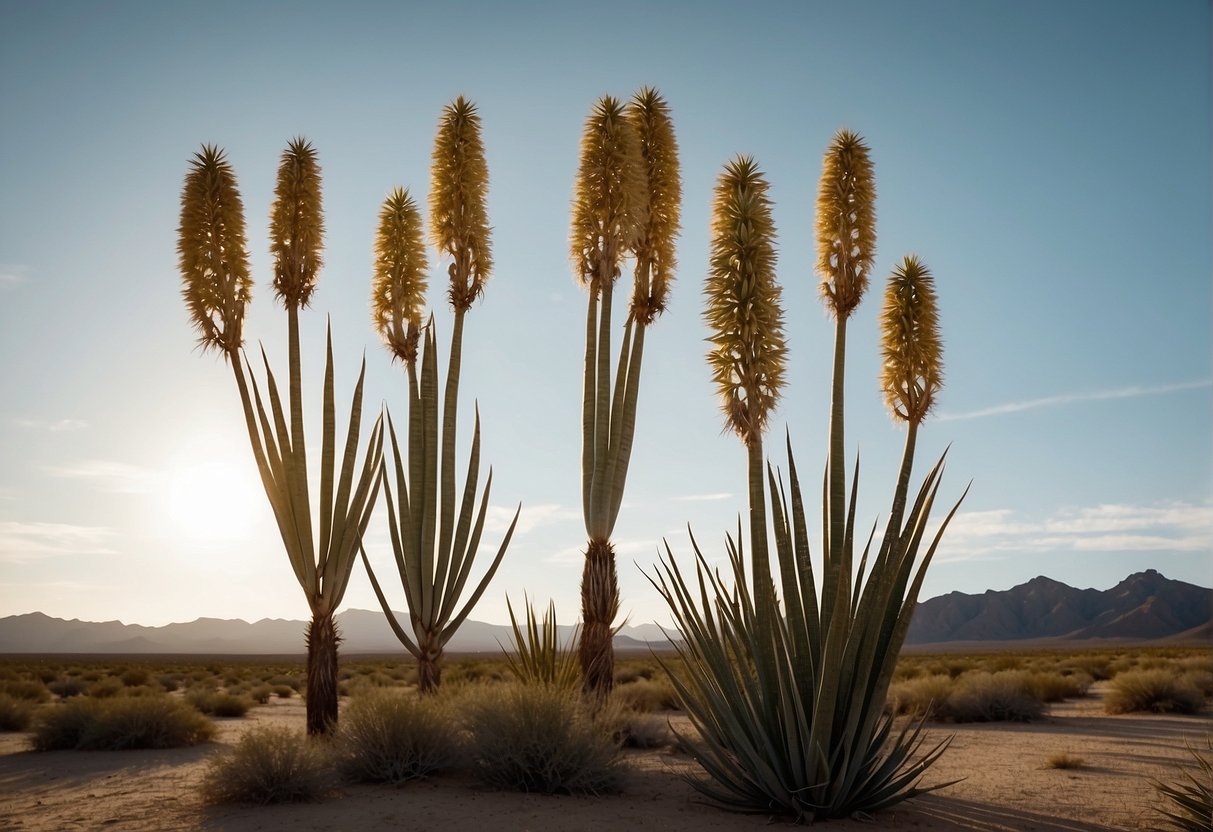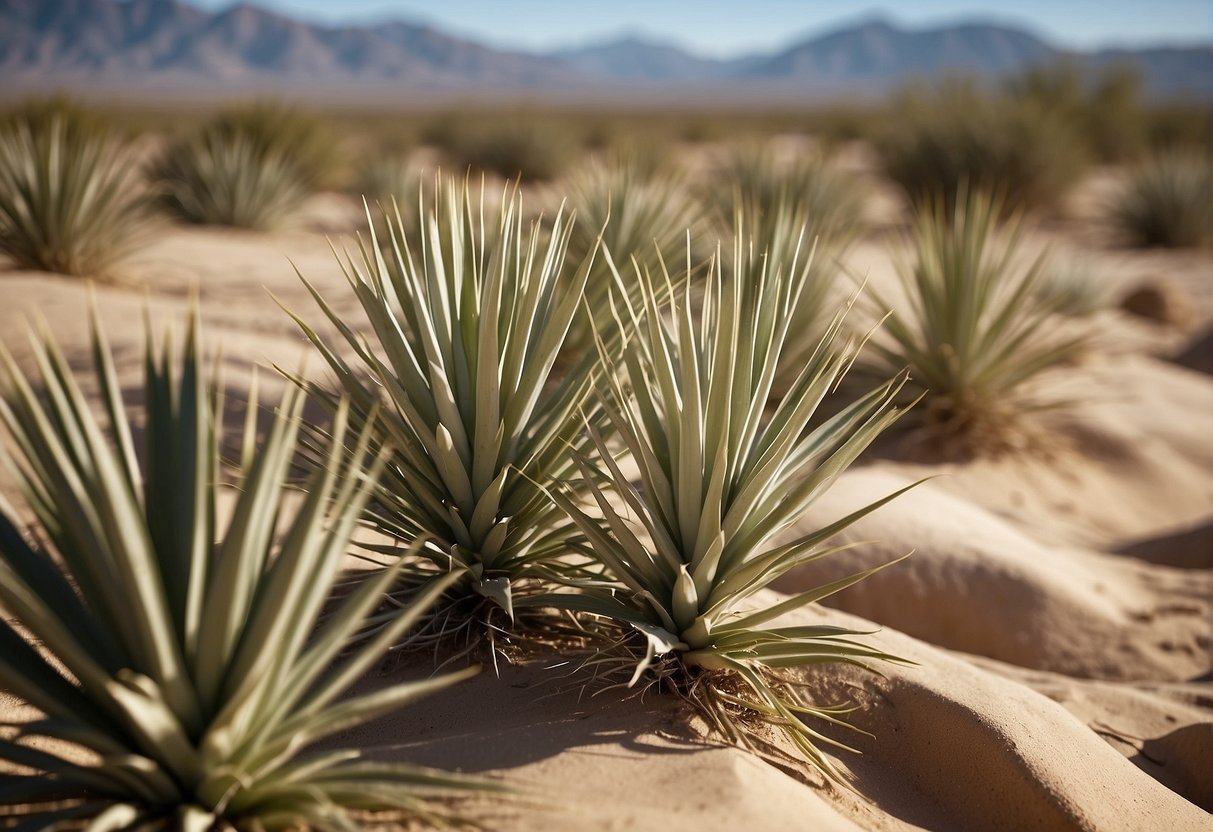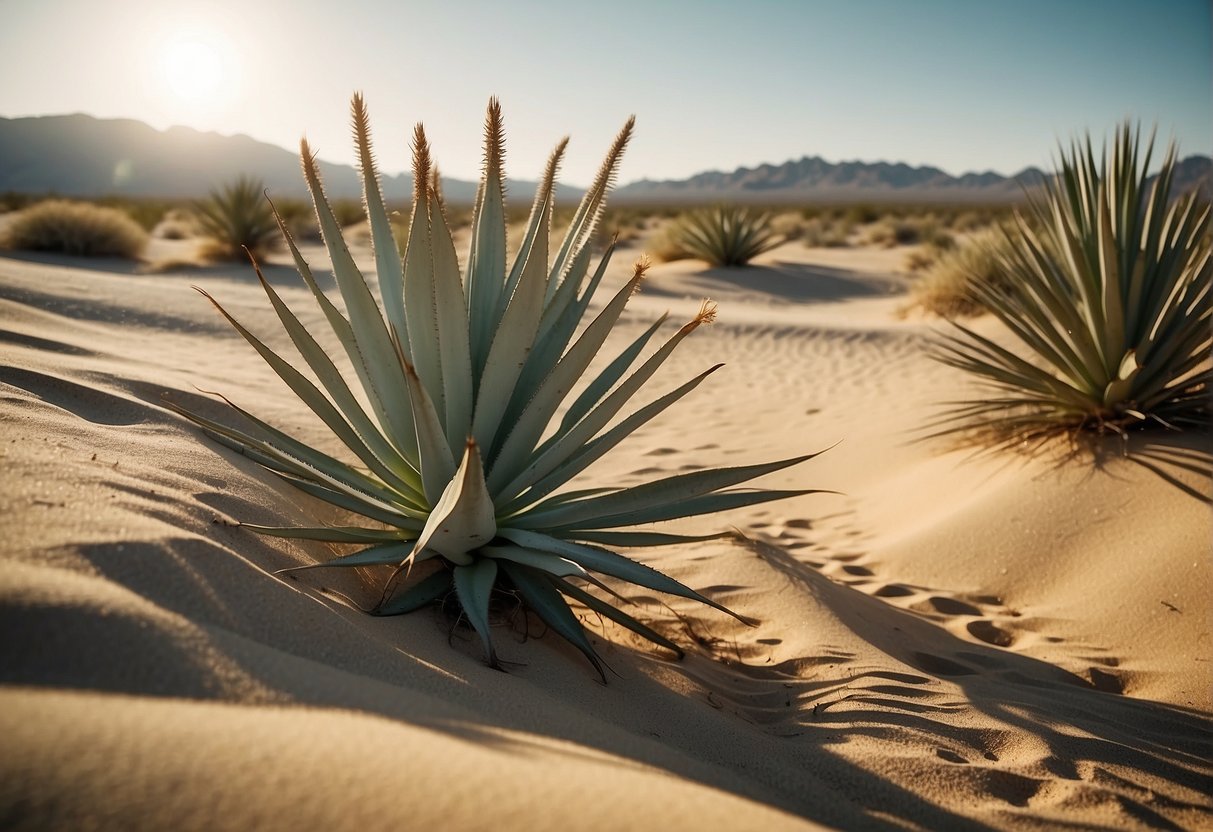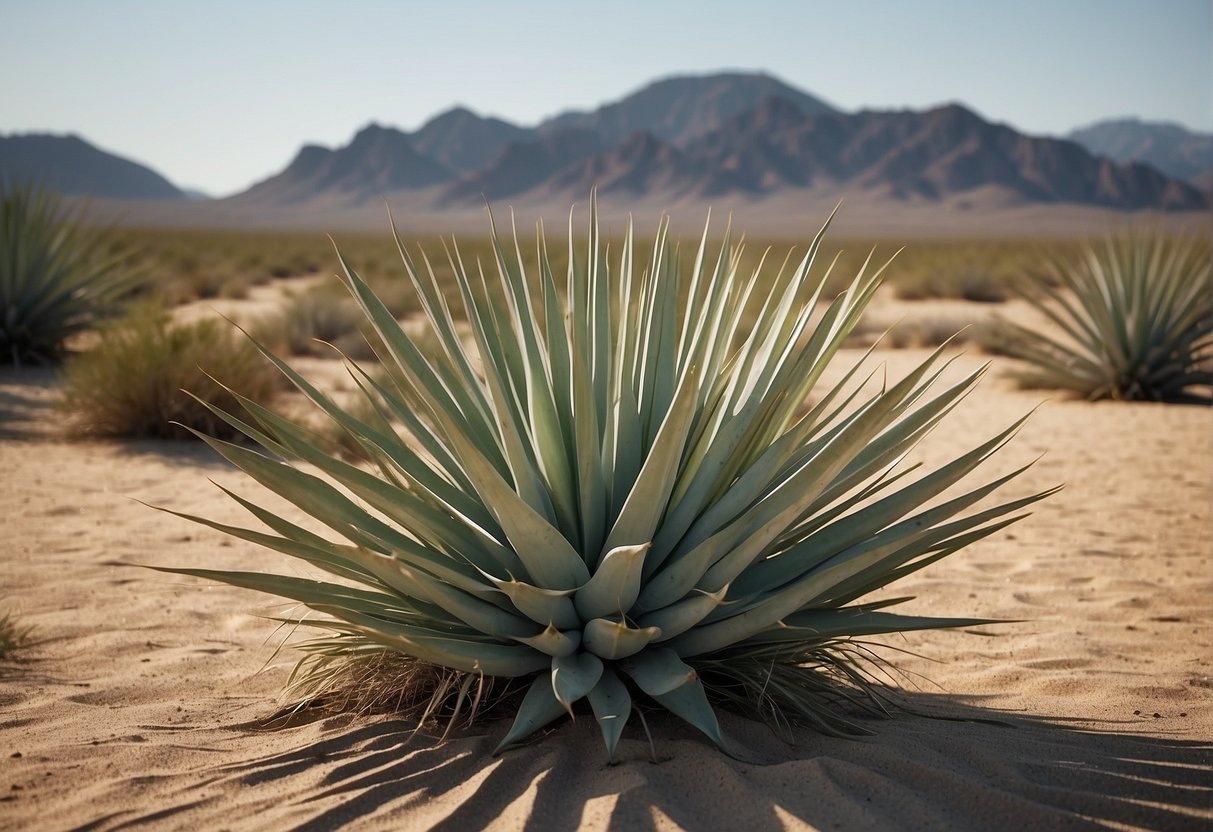

If you reside in a desert region, you might be curious about which plants can accompany the desert yucca elata. Known as the soaptree yucca, this indigenous plant is resilient and drought-resistant, flourishing in arid and high-temperature environments. This article aims to investigate various plants that can be paired with yucca elata to establish an attractive and eco-friendly desert garden.
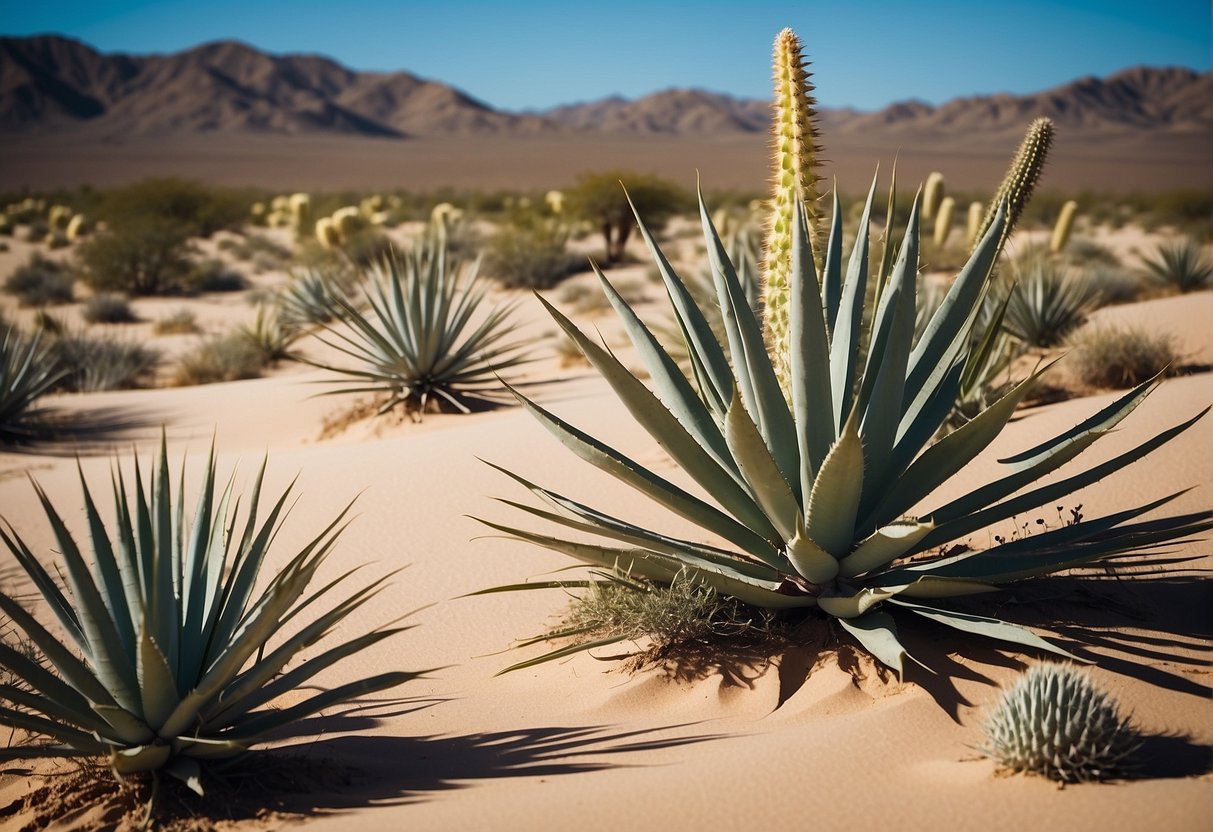
Planting and growing yucca elata can be a rewarding experience, but it’s important to choose the right plants to complement this species. Some good options include desert marigold, desert willow, and creosote bush. These plants are also native to the desert and can help create a diverse and resilient ecosystem.
Ecological Significance and Uses
Aside from their aesthetic appeal, plants like yucca elata and its companions play an important role in the desert ecosystem. They provide food and habitat for a variety of animals, including insects, birds, and small mammals. Additionally, yucca elata has been used by indigenous peoples for centuries for its medicinal properties. By planting these species, you can help support local biodiversity and preserve the cultural heritage of the region.
Key Takeaways
- Yucca elata is a hardy and drought-tolerant plant that can thrive in desert conditions.
- Choosing the right plants to complement yucca elata can help create a diverse and sustainable desert landscape.
- Planting native species like yucca elata and its companions can support local biodiversity and preserve cultural heritage.
Planting and Growing Yucca Elata
Choosing the Right Location
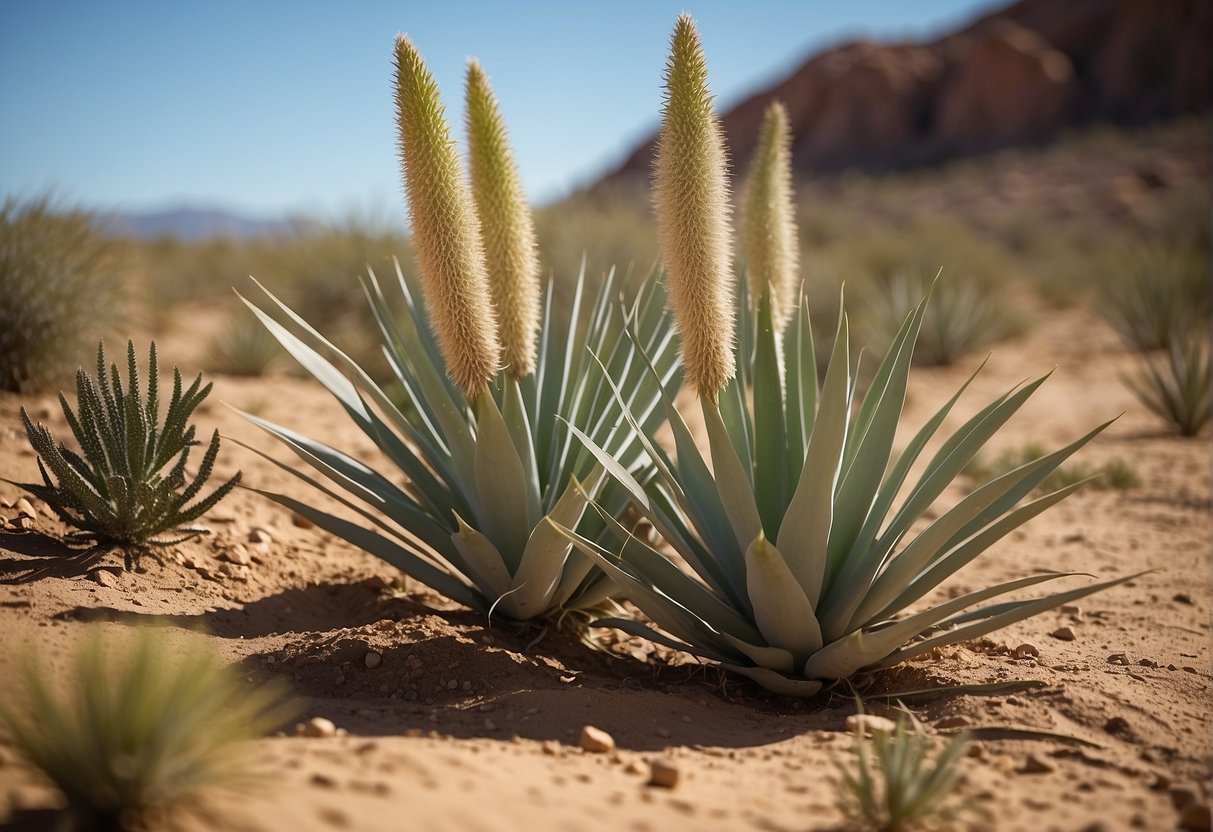
When planting Yucca Elata, it is important to choose a location that receives full sun. This plant thrives in arid environments and is commonly found in desert grasslands. It can tolerate temperature fluctuations and is well-suited for low maintenance gardening.
Soil Requirements and Preparation
Yucca Elata prefers well-draining soil that is slightly alkaline. Before planting, it is important to prepare the soil by removing any weeds or debris. You can also amend the soil with sand or gravel to improve drainage. Avoid planting in heavy clay soil as it can retain too much moisture and lead to root rot.
Planting Techniques
When planting Yucca Elata, dig a hole that is slightly larger than the root ball. Gently remove the plant from its container and loosen any tangled roots. Place the plant in the hole and backfill with soil, pressing down firmly to eliminate any air pockets. Water thoroughly after planting.
Watering and Maintenance
Yucca Elata is drought-tolerant and requires minimal watering once established. Water deeply once a week during the first growing season to encourage root growth. After that, water only during extended dry periods. Avoid overwatering as this can lead to root rot.
Yucca Elata is a slow-growing plant and requires minimal maintenance. Remove any dead or damaged leaves as needed. Fertilization is not necessary, but you can apply a balanced fertilizer in the spring if desired.
In conclusion, Yucca Elata is a hardy plant that is well-suited for arid environments. With proper planting and care, you can enjoy this unique plant for years to come.
Ecological Significance and Uses
Role in the Ecosystem
Yucca elata plays an important role in the desert ecosystem. Its flowers provide nectar for pollinators, especially the yucca moth, which is the primary pollinator of the plant. The white, bell-shaped flowers of the yucca elata are also a source of food for wildlife, including birds and small mammals. The plant’s seeds are an important food source for desert animals as well.
Cultural and Practical Uses
Yucca elata has a long history of use by indigenous peoples. The plant’s fibers can be used to make rope, baskets, and other woven items. The roots of the plant contain saponins, which can be used to make soap and shampoo. The seeds of the plant are edible and can be ground into a flour for baking.
Landscaping and Ornamental Value
Yucca elata is a popular plant for landscaping in arid regions due to its hardiness and unique appearance. Its tall, slender trunk and spiky leaves make it a striking addition to any desert garden. The plant’s wildflower-like blooms add a splash of color to the landscape in the spring. Yucca elata is also commonly used in xeriscaping, as it requires little water once established.
In summary, Yucca elata is a versatile plant with ecological, cultural, and practical uses. Its importance in the desert ecosystem cannot be overstated, and its unique appearance and hardiness make it a valuable addition to any arid landscape.
Frequently Asked Questions
What companion plants thrive alongside Yucca elata in desert environments?
Yucca elata is often found growing alongside other desert plants such as creosote bush, mesquite trees, and various cacti species. Other suitable companion plants include agave, ocotillo, and desert willow. These plants can help create a diverse and resilient ecosystem that supports a range of wildlife.
How does the Soaptree Yucca adapt to survive in arid conditions?
The Soaptree Yucca has several adaptations that allow it to thrive in arid conditions. Its long, fibrous roots can reach deep into the soil to access water sources, and its leaves are narrow and waxy to reduce water loss through transpiration. Additionally, the yucca’s ability to store water in its trunk and leaves allows it to survive extended periods of drought.
What are the growth rate and mature size of Yucca elata?
Yucca elata is a slow-growing plant, typically reaching a mature height of 15-20 feet after several decades. Its trunk can grow up to 1 foot in diameter, and its leaves can reach lengths of up to 3 feet. However, growth rates can vary depending on environmental conditions such as soil quality, water availability, and temperature.
For what purposes is Yucca elata commonly utilized?
Yucca elata has a range of traditional and modern uses. Historically, Native American tribes used the plant for food, fiber, and medicine. Today, the plant is valued for its ornamental qualities and is commonly used in xeriscaping and desert landscaping. Additionally, the plant’s fibrous leaves can be used to make cordage and baskets.
Which hardiness zones are suitable for cultivating Yucca elata?
Yucca elata is native to the Chihuahuan and Sonoran deserts of the southwestern United States and northern Mexico. It is well adapted to hot, dry climates and can tolerate temperatures as low as 0°F. The plant is suitable for cultivation in USDA hardiness zones 7-11.
What are the distinct physical characteristics of the Soaptree Yucca?
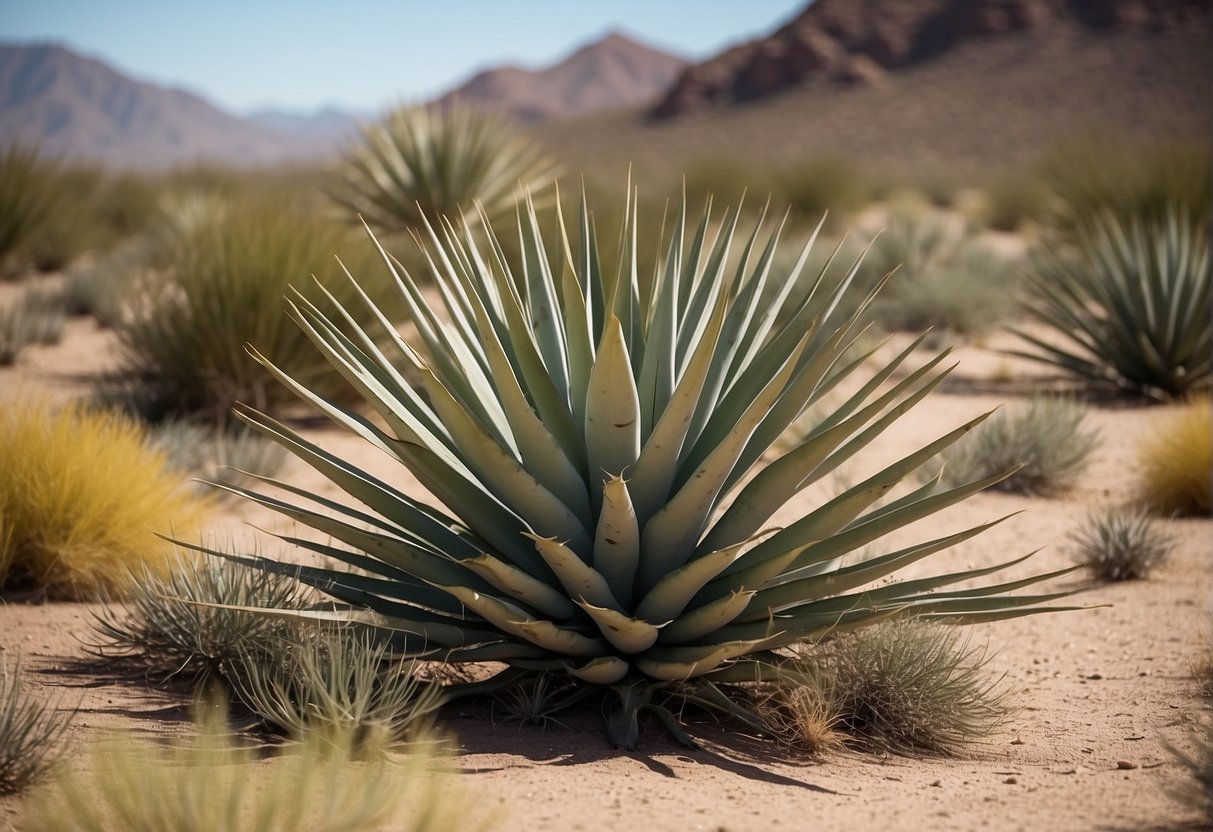
The Soaptree Yucca is a large, tree-like yucca with a single trunk and a crown of narrow, sword-shaped leaves. The leaves are blue-green in color and can grow up to 3 feet in length. The plant produces a tall, branching flower stalk that can reach heights of up to 20 feet. The flowers are white and bell-shaped, and the plant produces a fruit that is edible but not commonly consumed.