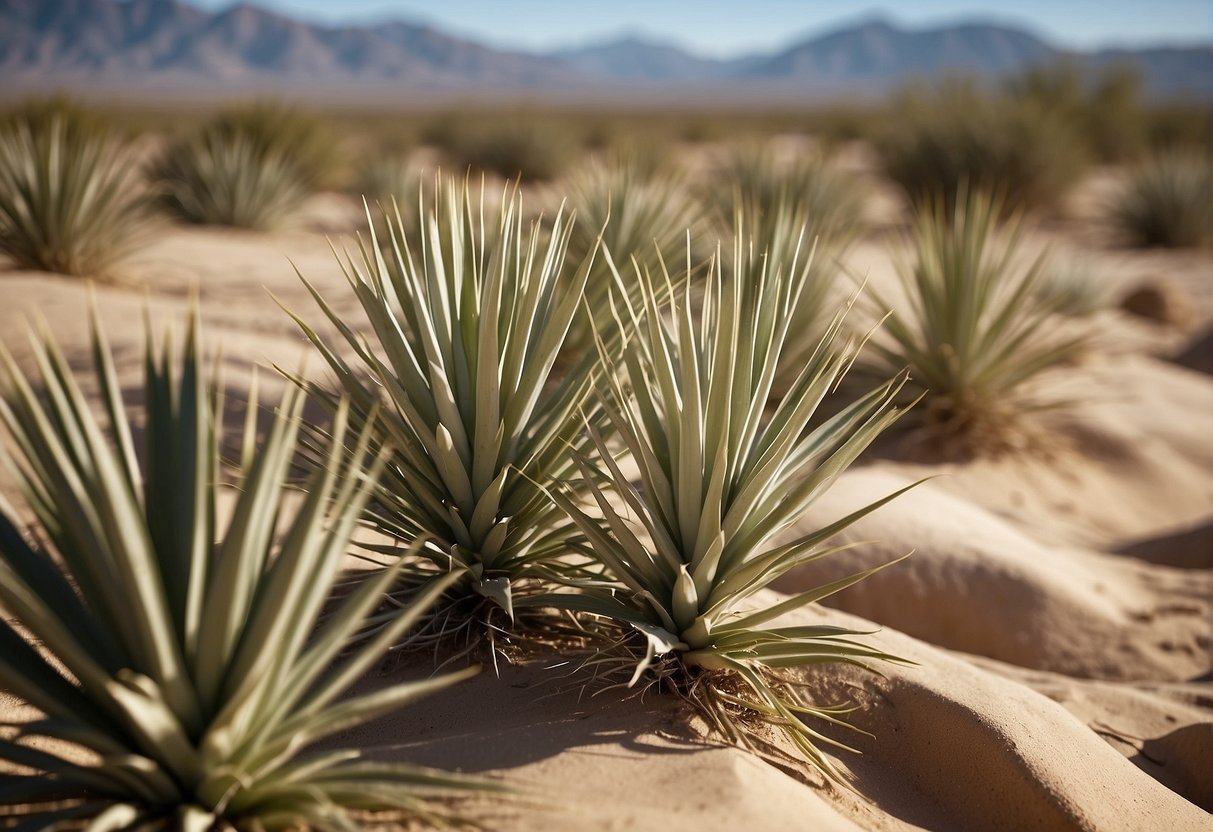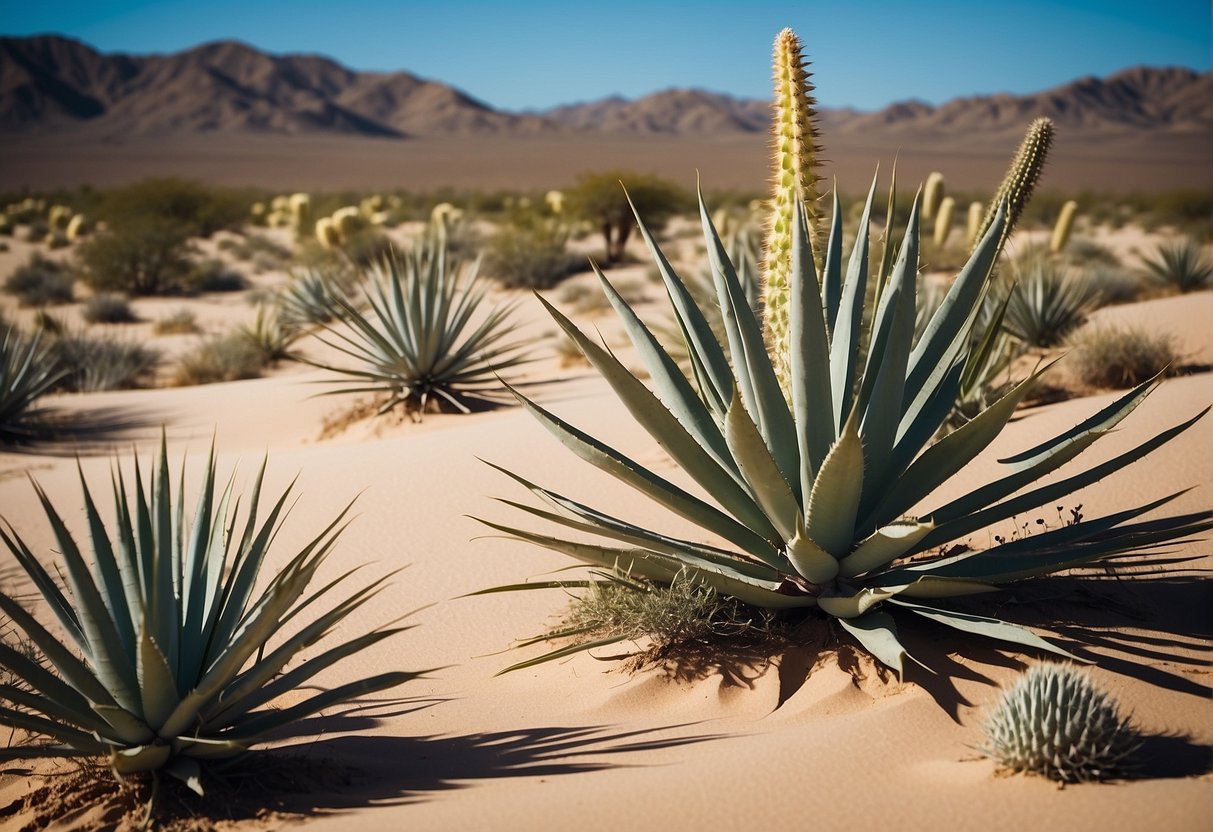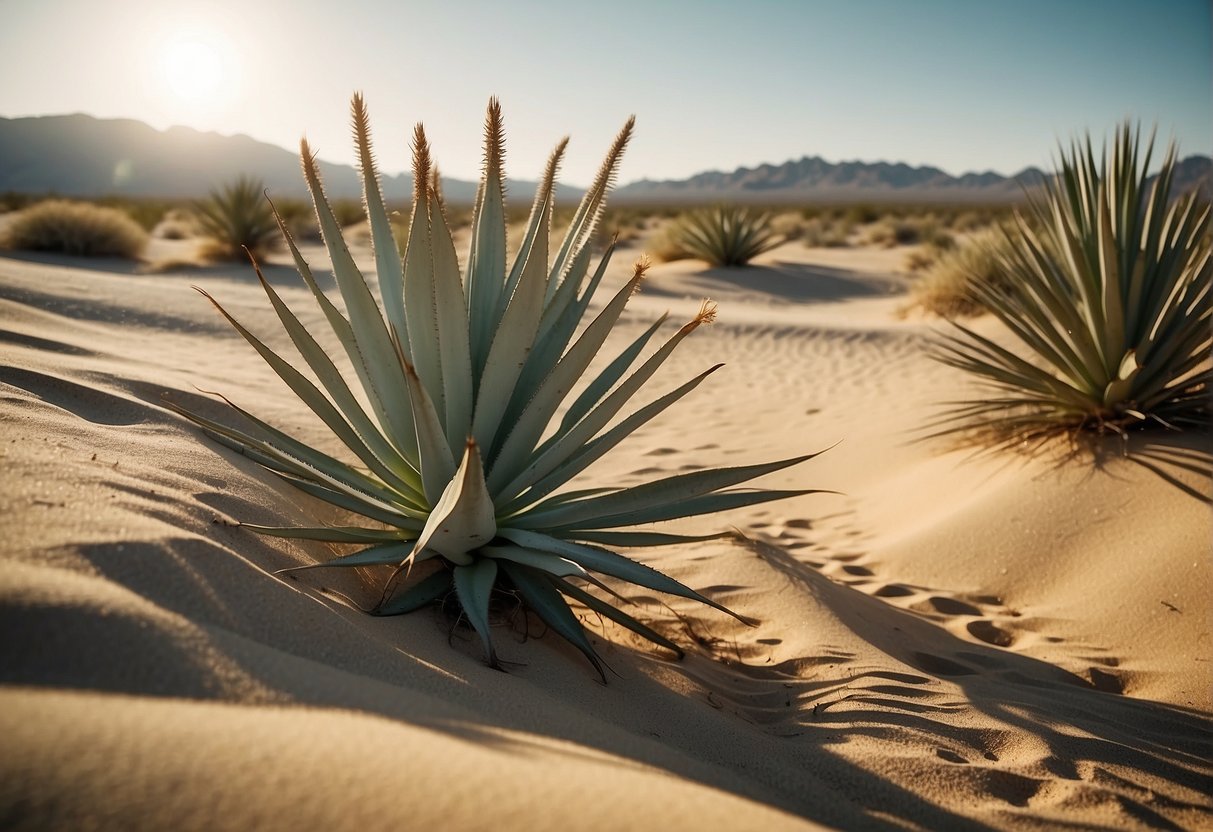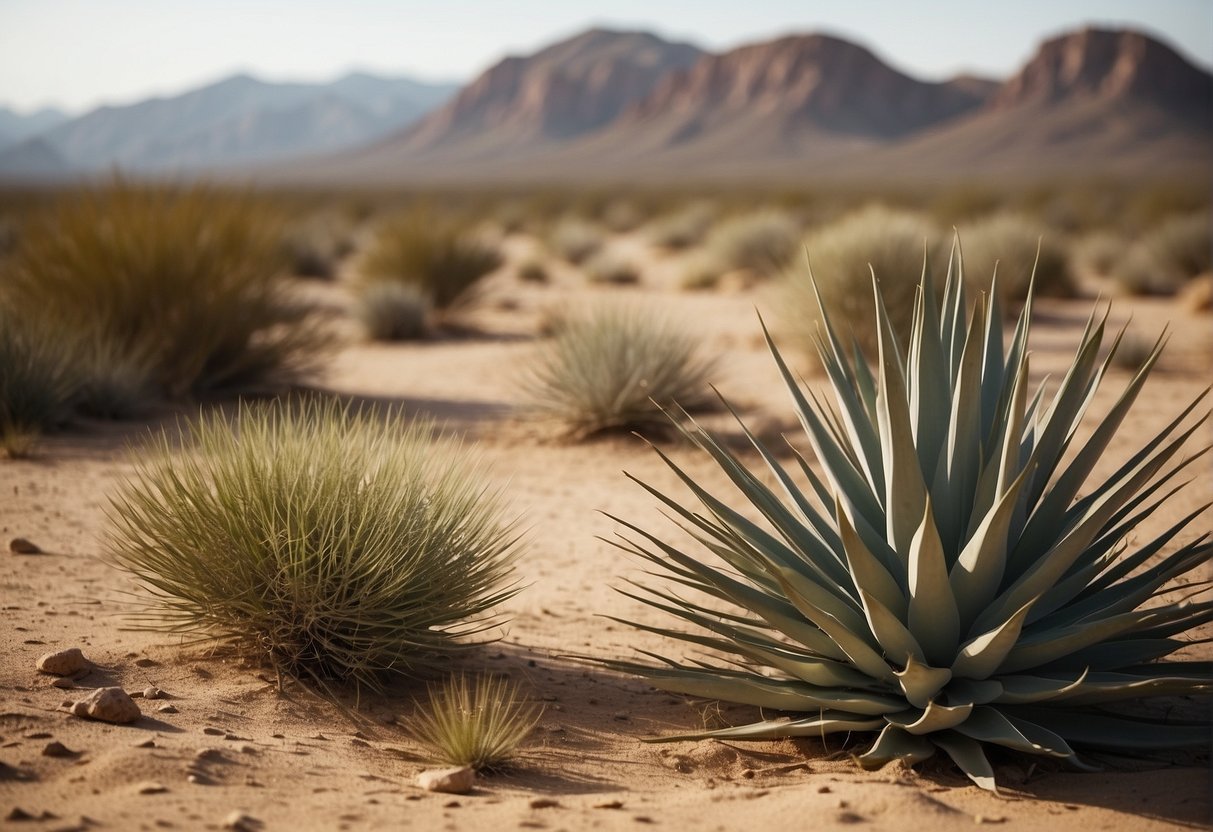

Living in the desert is a challenging task, yet the yucca plant has become adept at surviving in desert conditions. Thanks to its special anatomical features and ways of reproduction, the yucca plant flourishes in some of the toughest climates on the planet. This article will explore how the yucca plant manages to endure the harsh desert environment and the methods it uses for reproduction and growth.
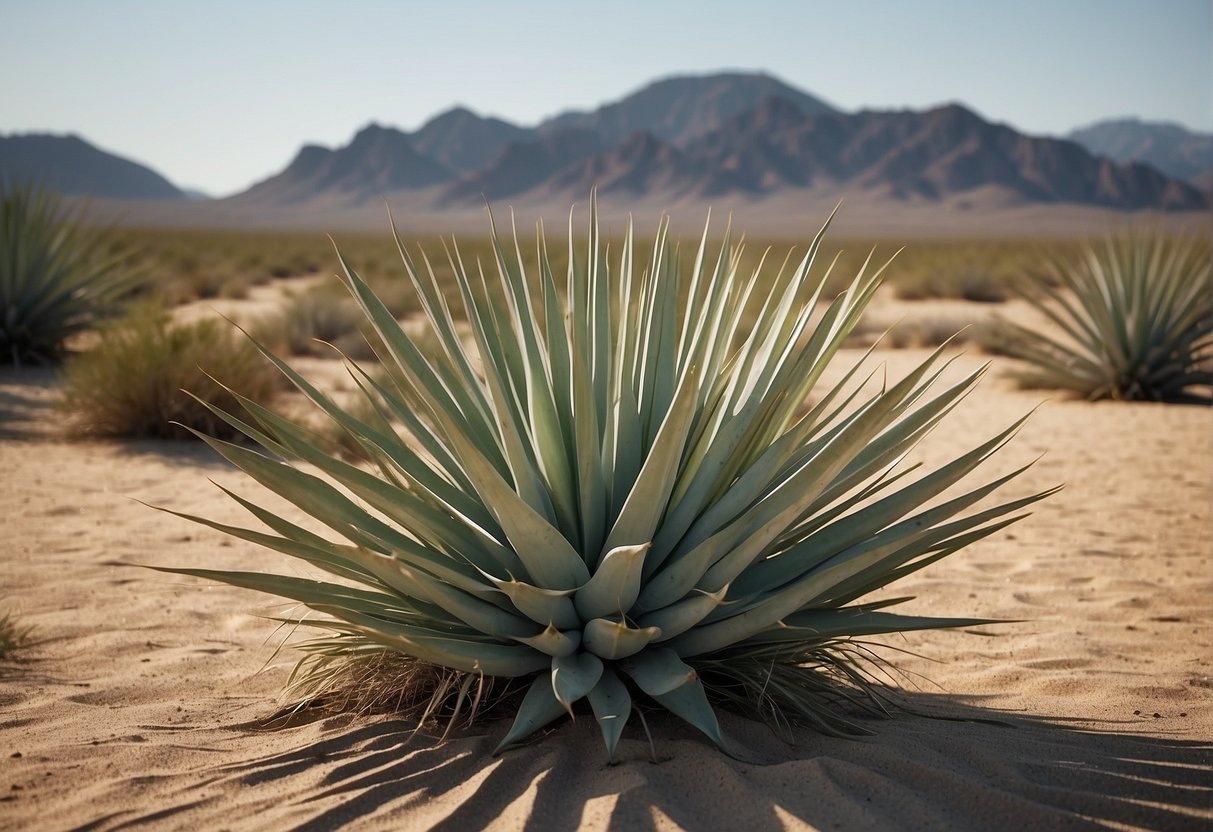
One of the most striking features of the yucca plant is its ability to survive in the desert with very little water. The yucca plant has evolved several anatomical adaptations to help it conserve water, such as its thick, waxy leaves that reduce water loss through transpiration. Additionally, yucca plants have a unique root system that allows them to absorb water from deep beneath the ground, where other plants cannot reach.
The yucca plant’s reproductive strategies are also fascinating. Unlike most plants, which rely on pollinators to spread their pollen, yucca plants have a symbiotic relationship with yucca moths. The yucca moth lays its eggs in the yucca plant’s flowers and then pollinates the plant as it does so. In return, the yucca plant provides a home for the moth’s larvae to develop. This unique relationship is just one of the many ways that the yucca plant has adapted to survive in the desert.
Key Takeaways
- The yucca plant has several anatomical adaptations that allow it to conserve water in the desert.
- The yucca plant has a unique reproductive strategy that involves a symbiotic relationship with yucca moths.
- By understanding the yucca plant’s adaptations and strategies, we can gain insights into how plants can survive in extreme environments.
Anatomical Adaptations
Yucca plants have evolved several anatomical adaptations that enable them to survive in the harsh desert environment. These adaptations include water conservation strategies and structural features for survival.
Water Conservation Strategies
Yucca plants have developed several water conservation strategies to survive in the arid desert environment. One of these strategies is the presence of leaves with a waxy coating, which helps to reduce water loss through transpiration. The waxy coating also reflects sunlight, reducing the amount of heat absorbed by the plant.
Another water conservation strategy employed by yucca plants is the development of deep, extensive root systems. These roots are capable of reaching deep into the soil to access water reserves that are not available to other plants. Yucca plants are also capable of storing water in their stems, trunks, and rosettes, which enables them to survive long periods of drought.
Structural Features for Survival
Yucca plants have several structural features that help them to survive in the desert. One of these features is their trunk, which is capable of storing water. The trunk also provides structural support to the plant, enabling it to grow tall and withstand high winds.
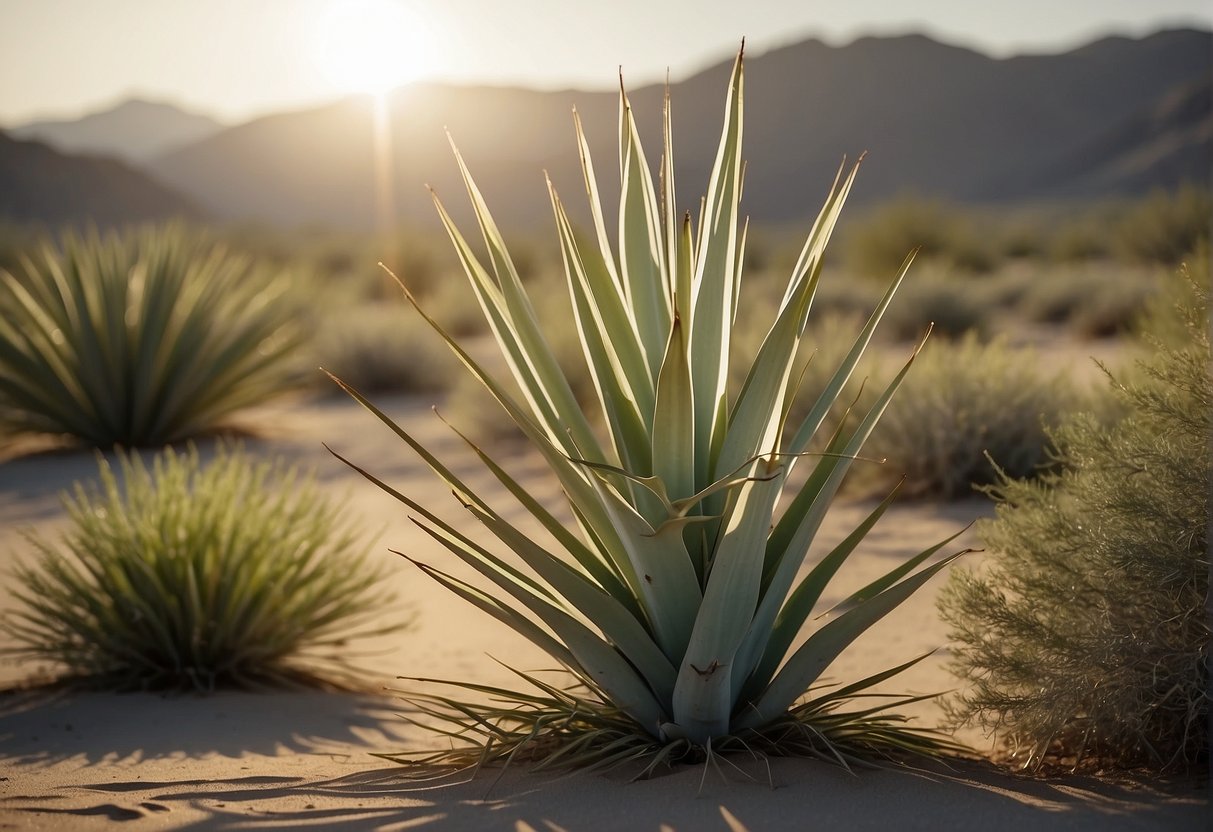
Yucca plants also have foliage that is adapted to the desert environment. The leaves are often green and narrow, which helps to reduce water loss through transpiration. The leaves are also often arranged in a rosette pattern, which helps to trap moisture and prevent it from evaporating into the air.
In conclusion, yucca plants have evolved several anatomical adaptations that enable them to survive in the harsh desert environment. These adaptations include water conservation strategies and structural features for survival. By employing these adaptations, yucca plants are able to thrive in the arid desert environment and provide important ecological benefits as a native species.
Reproductive Strategies
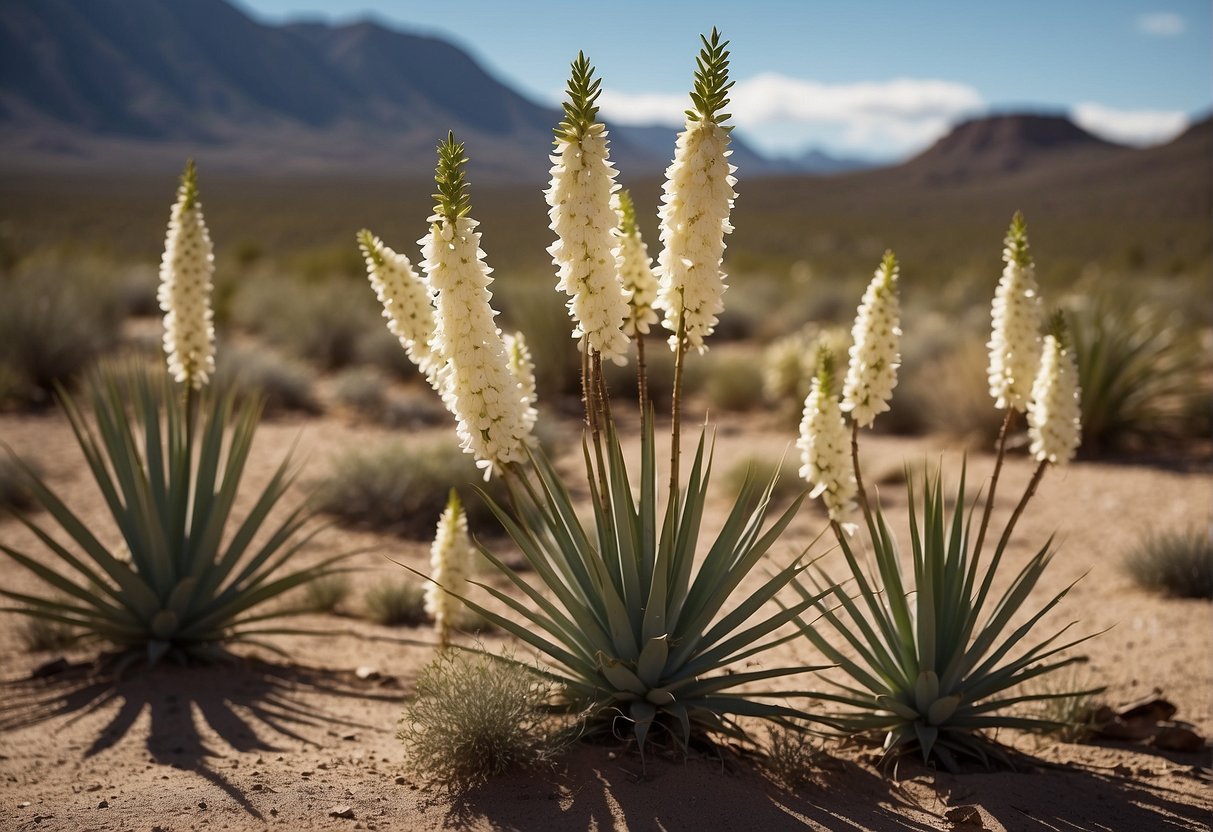
Yucca plants have developed several reproductive strategies that allow them to survive in the harsh desert environment. Understanding these strategies can help you successfully propagate and care for your yucca plants.
Pollination and Seed Dispersal
Yucca plants rely on yucca moths for pollination and seed dispersal. The female yucca moth collects pollen from the yucca plant’s flower and then lays her eggs inside the flower’s ovary. As the eggs hatch, the larvae feed on some of the developing seeds, ensuring that there will be enough seeds left for the plant to reproduce.
Once the seeds are mature, the yucca moth larvae leave the flower and burrow into the ground to pupate. As they do so, they carry some of the yucca plant’s seeds with them, helping to disperse them throughout the desert.
Propagation Methods
If you want to propagate your yucca plant, there are a few methods you can use. One common method is to take offsets, which are small plants that grow from the base of the parent plant. To do this, simply dig up the offset and replant it in a new location.
Another method is to take cuttings from the parent plant. To do this, use a sharp, clean knife to cut a section of stem from the parent plant. Then, let the cutting dry out for a few days before planting it in well-draining soil.
Finally, yucca plants can also be propagated from seed. To do this, collect mature seeds from the parent plant and plant them in well-draining soil. Keep the soil moist and warm, and the seeds should germinate within a few weeks.
By understanding yucca plants’ reproductive strategies, you can successfully propagate and care for these hardy desert plants in your own garden.
Frequently Asked Questions
What adaptations allow yucca plants to thrive in arid environments?
Yucca plants have several adaptations that allow them to survive in arid environments. These adaptations include their ability to store water in their thick, fleshy leaves, stems, and roots. Additionally, their leaves are covered in a thick, waxy coating that helps to reduce water loss through transpiration. Their deep root systems also allow them to access water that is located deep underground.
How do yucca plants obtain moisture for survival in the desert?
Yucca plants obtain moisture from several sources in the desert. They are able to absorb water through their roots from the soil, even when the soil is dry. They also have the ability to absorb moisture from the air through their leaves. In addition, some species of yucca plants have a symbiotic relationship with yucca moths, which help to pollinate the plants and also lay their eggs inside the yucca flowers. The larvae of the yucca moths then feed on the developing seeds, providing a source of moisture for the growing yucca plant.
In what ways do yucca plants conserve water?
Yucca plants conserve water in several ways. As mentioned earlier, their leaves are covered in a thick, waxy coating that helps to reduce water loss through transpiration. They also have the ability to close their stomata during the hottest part of the day to further reduce water loss. Additionally, their deep root systems allow them to access water that is located deep underground, and they are able to store water in their thick, fleshy leaves, stems, and roots.
What role do yucca plants play in the desert ecosystem?
Yucca plants play an important role in the desert ecosystem. They provide food and shelter for a variety of animals, including yucca moths, which are important pollinators for the plants. Additionally, their deep root systems help to stabilize the soil, preventing erosion. Yucca plants also have medicinal properties and have been used by indigenous peoples for centuries to treat a variety of ailments.
How do yucca plants cope with extreme desert temperatures?
Yucca plants have several adaptations that allow them to cope with extreme desert temperatures. As mentioned earlier, they are able to store water in their thick, fleshy leaves, stems, and roots, which helps to keep them cool. They also have the ability to close their stomata during the hottest part of the day to reduce water loss and conserve energy. Additionally, some species of yucca plants have a shallow root system that allows them to access water near the surface, where it may be cooler.
What are the behavioral adaptations of soaptree yucca in desert conditions?
Soaptree yucca has several behavioral adaptations that allow it to survive in desert conditions. The plant is able to adjust the angle of its leaves to reduce exposure to the sun, which helps to keep it cool. It also has the ability to grow in a way that maximizes its exposure to the sun during the cooler parts of the day, which allows it to photosynthesize more efficiently. Additionally, soaptree yucca has the ability to shed its leaves during times of drought to conserve water.