Home » Blog » What Is Beautyberry Good For? A Comprehensive Guide to Its Benefits
What Is Beautyberry Good For? A Comprehensive Guide to Its Benefits
December 26, 2024
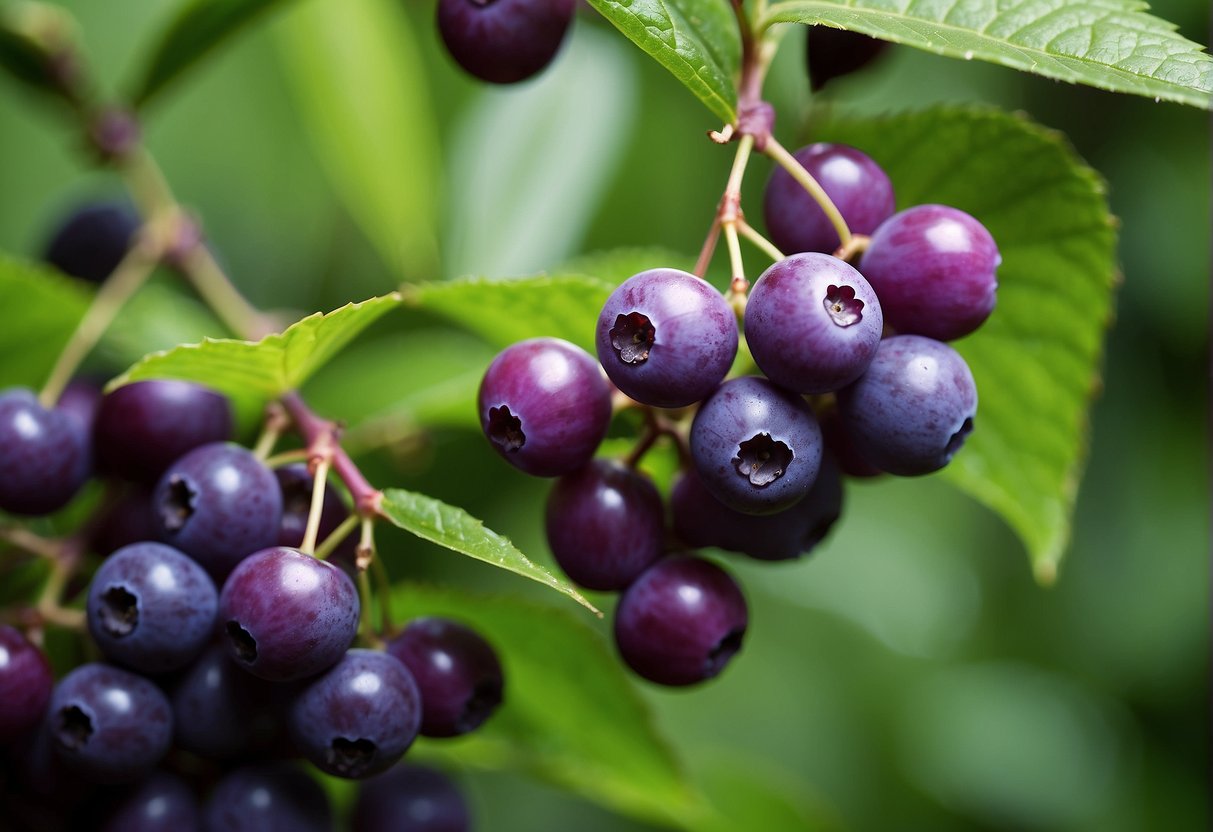
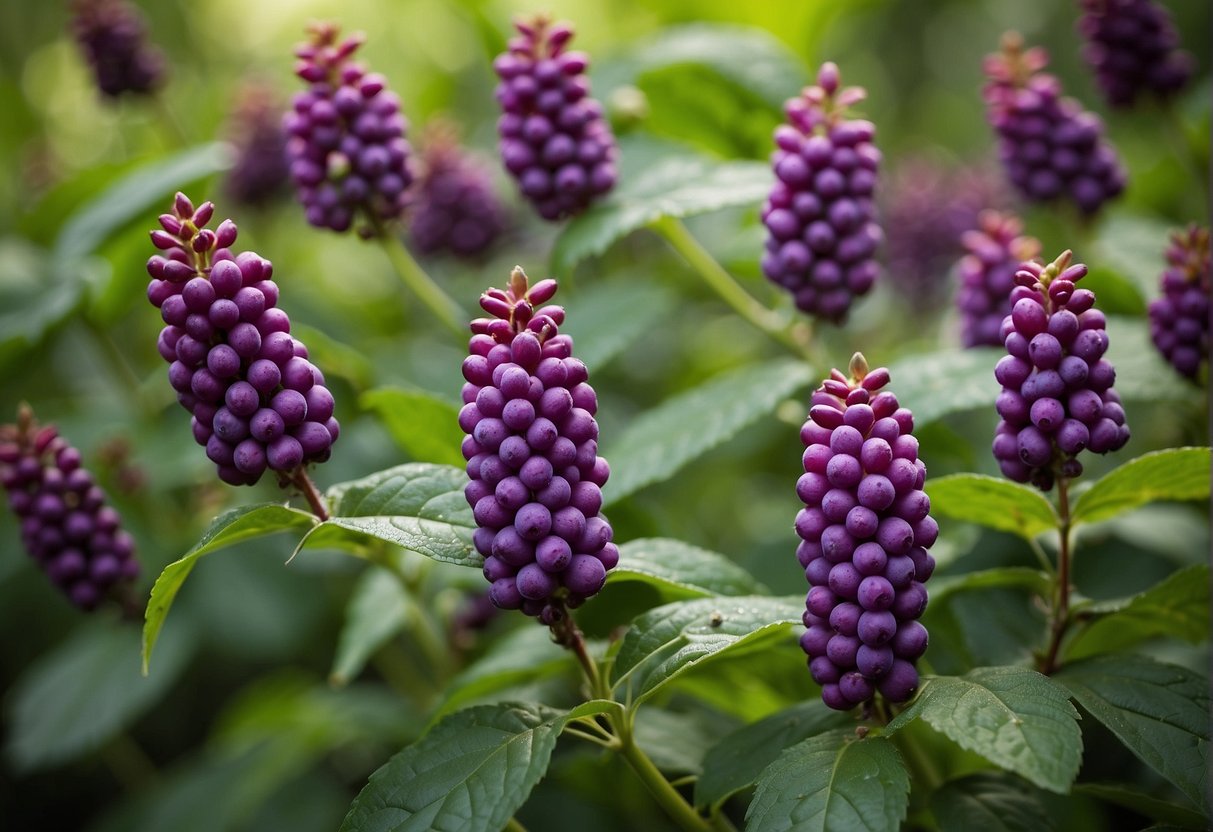
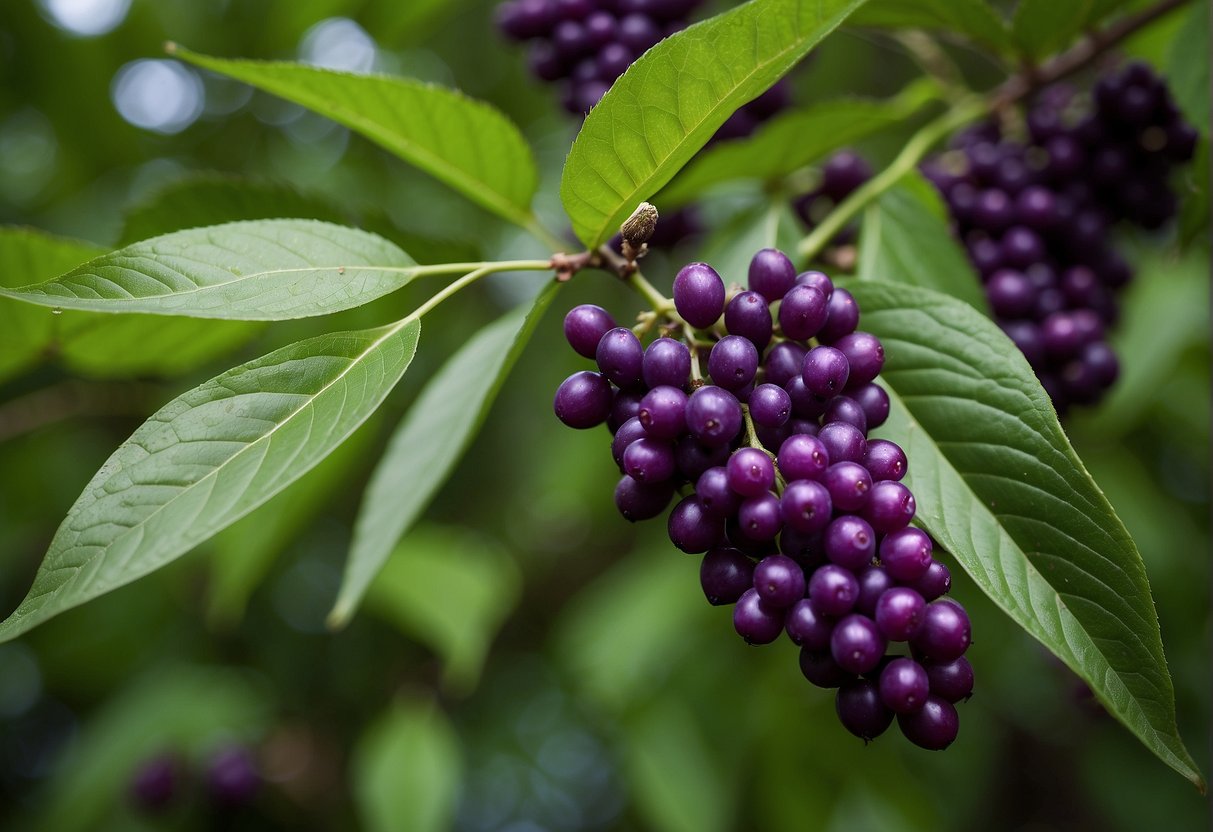
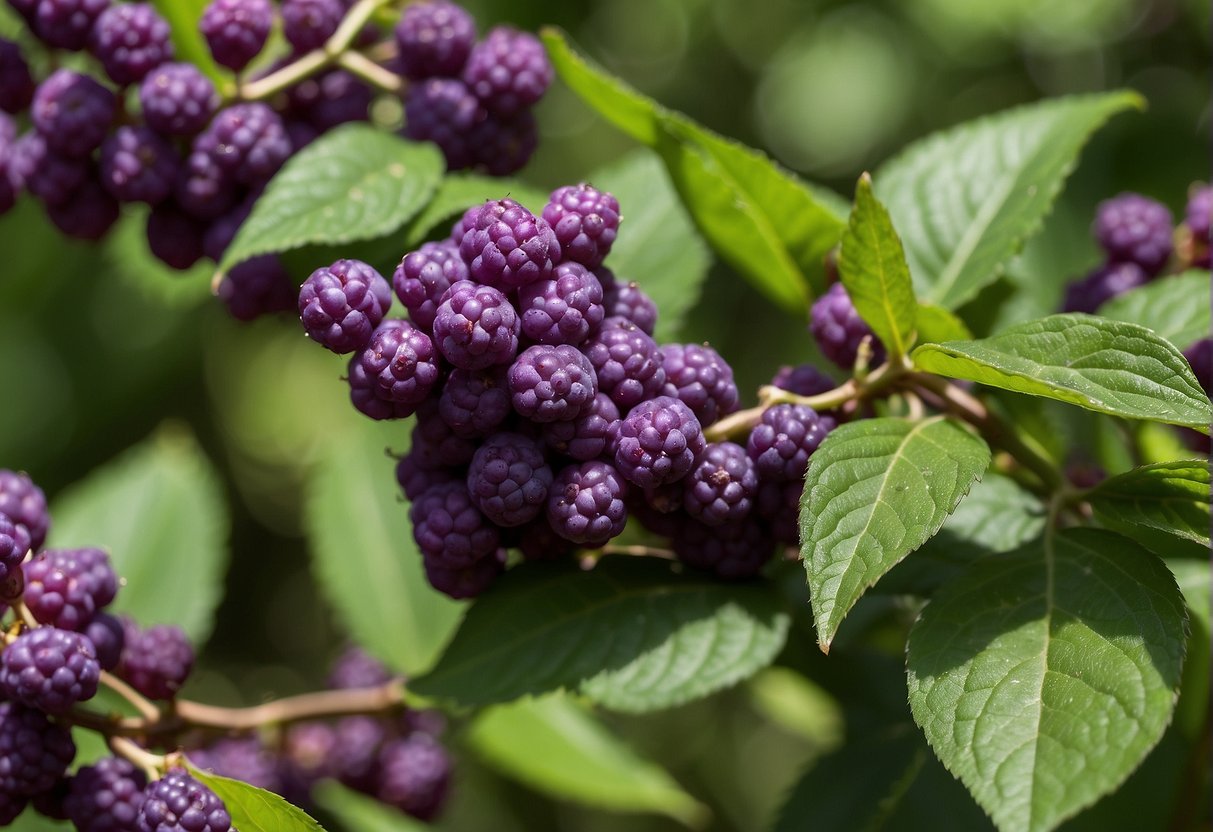
Should you be in search of a plant that is not only aesthetically pleasing but also practical, your search ends with the beautyberry. Referred to as the American beautyberry or by its scientific name, Callicarpa Americana, this shrub originates from the southeastern region of the United States and is celebrated for its vivid purple berries that cluster along its branches. However, the beautyberry offers more than mere visual appeal – it boasts a range of applications and advantages that render it an excellent choice for incorporation into any garden.
One of the most popular uses for beautyberry is as a natural insect repellent. The leaves and stems of the plant contain compounds that are effective at repelling mosquitoes, ticks, and other pests. In fact, some studies have shown that beautyberry is just as effective as DEET, the chemical insect repellent found in many commercial products. But beautyberry is not just useful for keeping bugs at bay – it also has a number of other benefits, from its medicinal properties to its ecological value.
Key Takeaways
Beautyberry is a versatile plant with a variety of uses and benefits.
It is a natural insect repellent that is just as effective as DEET.
Beautyberry is a hardy shrub that is easy to grow and maintain. Here are some tips on how to cultivate and care for your beautyberry plant.
Planting and Growing Conditions
Beautyberry is native to the southeastern United States and is well adapted to a wide range of growing conditions. It grows best in full sun to partial shade and prefers well-drained soil with a pH between 5.5 and 7.5. Beautyberry is drought-tolerant and can grow in a variety of soil types.
When planting beautyberry, make sure to space the plants at least 4 to 6 feet apart to allow for their mature size. Beautyberry can grow up to 6 feet tall and wide, so it’s important to give them plenty of room to spread out.
Maintenance and Pruning
Beautyberry requires minimal maintenance once established. Water the plant regularly during the first growing season to help it establish a strong root system. After that, beautyberry is drought-tolerant and can tolerate periods of dry weather.
Prune beautyberry in late winter or early spring to remove any dead or damaged branches. This will help promote new growth and improve the plant’s overall health. Beautyberry can also be pruned to maintain its shape and size.
Propagation Methods
Beautyberry can be propagated from seed or stem cuttings. To propagate from seed, collect the berries in the fall and remove the pulp. Plant the seeds in a well-draining soil mix and keep them moist until they germinate.
To propagate from stem cuttings, take 4 to 6-inch cuttings from the tips of the branches in the summer. Dip the cuttings in rooting hormone and plant them in a well-draining soil mix. Keep the soil moist and the cuttings in partial shade until they root.
By following these simple tips, you can enjoy the beauty and benefits of beautyberry in your garden.
Ecological Benefits and Uses
Wildlife Support and Habitat
Beautyberry is a native plant to North America, and it is well-known for its small flowers and clusters of white or purple berries. These fruits are an important food source for birds and other wildlife, especially in the southeastern United States. The berries ripen in August and can be used to make beautyberry jelly or wine.
Insects, including mosquitoes and ticks, are repelled by the beautyberry plant. The leaves and fruits of the plant have been used for centuries as a natural insect repellent. The plant is also a great addition to a pollinator garden, as it attracts a variety of pollinators such as bees and butterflies.
Ornamental Value and Landscaping
Beautyberry is a popular ornamental plant due to its attractive foliage and berries. The plant can be grown in gardens, and it is an excellent addition to a winter garden. The mature size of the plant is around 4-6 feet tall and wide, and it blooms in late summer to early fall. The flower color is usually pink or white, but there is a cultivar known as “Welch’s Pink” that has pink flowers.
Beautyberry can be propagated through seeds or by taking cuttings. It is a low-maintenance plant that is tolerant of different soil types and can grow in both sun and shade. It is also a great plant to use in thickets or naturalized areas, as it provides food and habitat for wildlife.
Beautyberry in Traditional and Home Remedies
Beautyberry has been used for centuries in traditional and home remedies. The plant has been used to treat a variety of ailments, including fever, colic, and rheumatism. The leaves and stems of the plant are edible, and they can be used in salads or cooked like spinach.
It is important to note that some people may have an allergic reaction to the plant, so it is best to test a small amount before consuming. The plant has also been used as a natural bug repellent, and it is a popular ingredient in homemade insect repellent sprays.
Overall, beautyberry is a versatile plant that provides ecological benefits and has a variety of uses. Whether you are looking to attract wildlife to your garden or use the plant in traditional remedies, beautyberry is a great addition to any landscape.
Frequently Asked Questions
What are the skin benefits of beautyberry?
Beautyberry is known for its anti-inflammatory properties, which can help soothe irritated skin. It also contains antioxidants that can protect the skin from damage caused by free radicals. Some people use beautyberry extract or oil as a natural remedy for acne, eczema, and other skin conditions.
What are the medicinal uses of beautyberry?
Beautyberry has a long history of use in traditional medicine. It has been used to treat a variety of ailments, including fever, dysentery, and rheumatism. Some studies suggest that beautyberry may have antimicrobial and antiviral properties, which could make it useful in treating infections.
What are the reputed magical properties of beautyberry?
In some cultures, beautyberry is believed to have magical properties. It is said to bring good luck and ward off evil spirits. Some people also use it in love spells or to enhance their psychic abilities.
Can beautyberry be used to make tea, and if so, what are the benefits?
Yes, beautyberry leaves can be used to make tea. The tea is said to have a pleasant, fruity flavor and may have some health benefits. Beautyberry tea is believed to help boost the immune system and reduce inflammation.
How do you make jelly from beautyberry?
To make beautyberry jelly, you will need to gather the berries and cook them down with sugar and pectin. The resulting jelly is a beautiful shade of purple and has a sweet, tangy flavor. Some people also add spices like cinnamon or cloves to give it extra flavor.
Is the beautyberry plant effective as a mosquito repellent?
Some people believe that beautyberry leaves can be used as a natural mosquito repellent. However, there is limited scientific evidence to support this claim. It is always a good idea to use a proven insect repellent when spending time outdoors.
Hi Lovelies ! I made this blog to share my tips about Home Improvement, Children, Pets, Food, Gadgets, Automotive, Health & Beauty, and ways to be frugal while maintaining a natural lifestyle. Interested to be a Guest Blogger on my website? Please email me at: [email protected]