Home » Blog » What Yucca Plants Bring to Your Garden: Benefits and Uses
What Yucca Plants Bring to Your Garden: Benefits and Uses
December 31, 2024
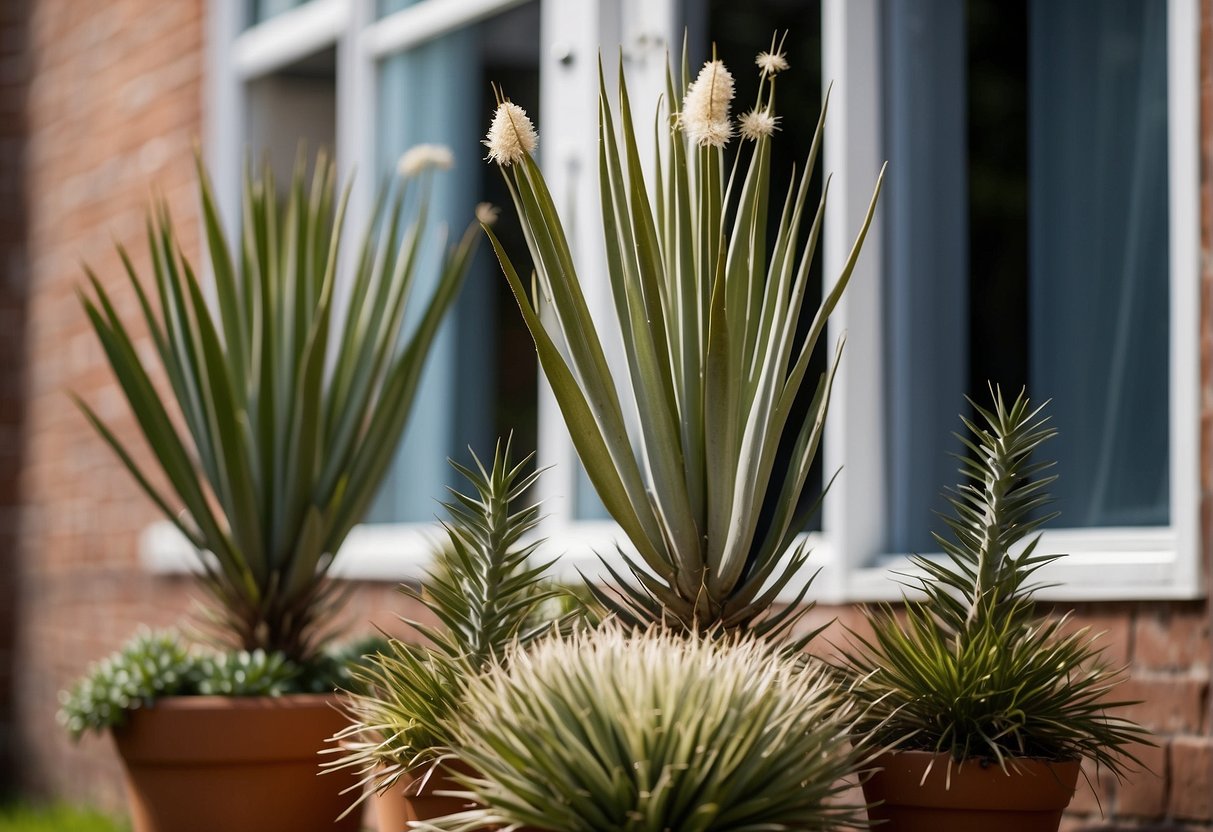
Yucca plants have garnered favor amongst both gardeners and landscapers, and rightfully so. These adaptable plants do more than just enhance the beauty of your garden; they also offer various environmental advantages. This article will delve into everything yucca plants bring to your garden, covering their growth, maintenance, and numerous applications.
Cultivating and caring for yucca plants is relatively easy, making them a great choice for both beginner and experienced gardeners. They thrive in well-draining soil and require little water, making them a low-maintenance option for those who don’t want to spend a lot of time tending to their garden. Yucca plants also come in a variety of sizes and shapes, making them a versatile choice for garden design.
In addition to their aesthetic value, yucca plants offer a range of environmental benefits. They are known for their ability to purify the air, removing harmful pollutants and toxins. They also attract a variety of wildlife, including birds and butterflies, making them a great choice for those who want to create a more eco-friendly garden.
Key Takeaways
Yucca plants are easy to cultivate and care for, making them a great choice for low-maintenance gardens.
Yucca plants offer a range of environmental benefits, including air purification and wildlife attraction.
Yucca plants come in a variety of sizes and shapes, making them a versatile choice for garden design.
Cultivation and Care
Planting and Soil Requirements
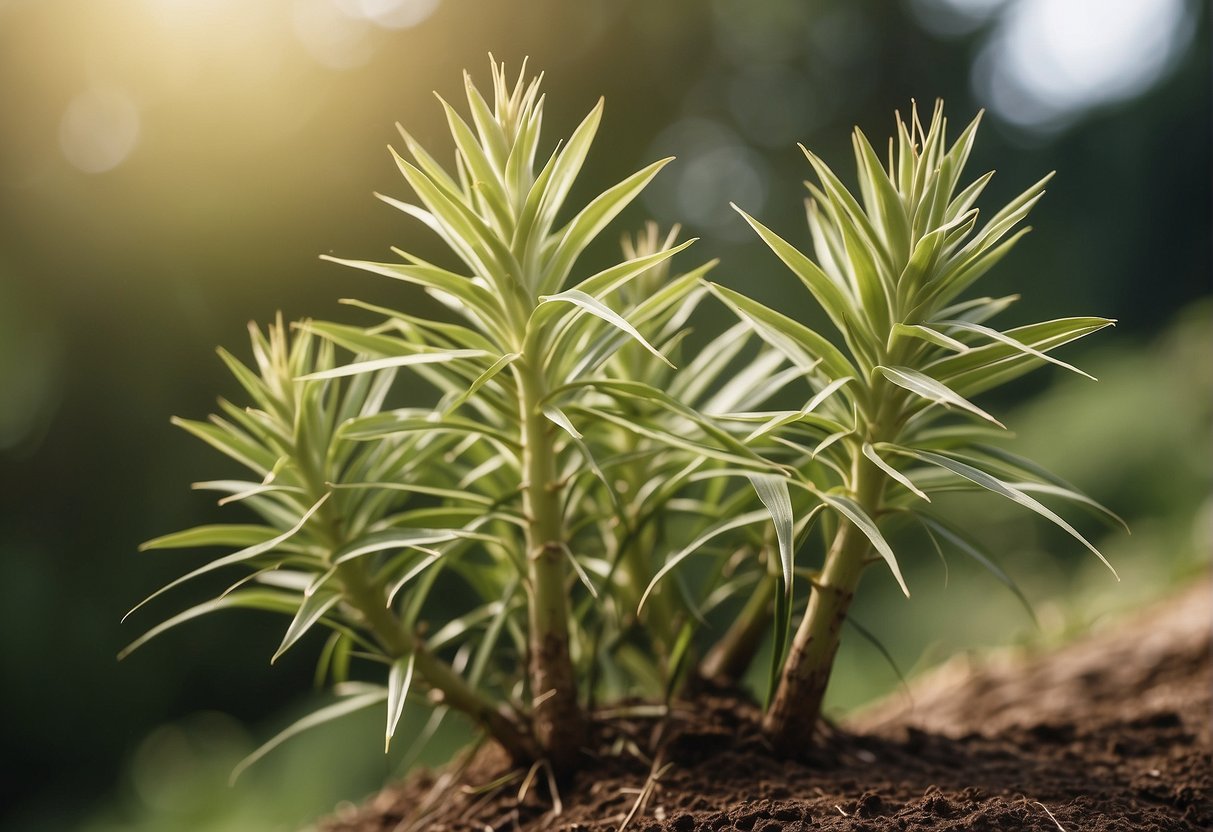
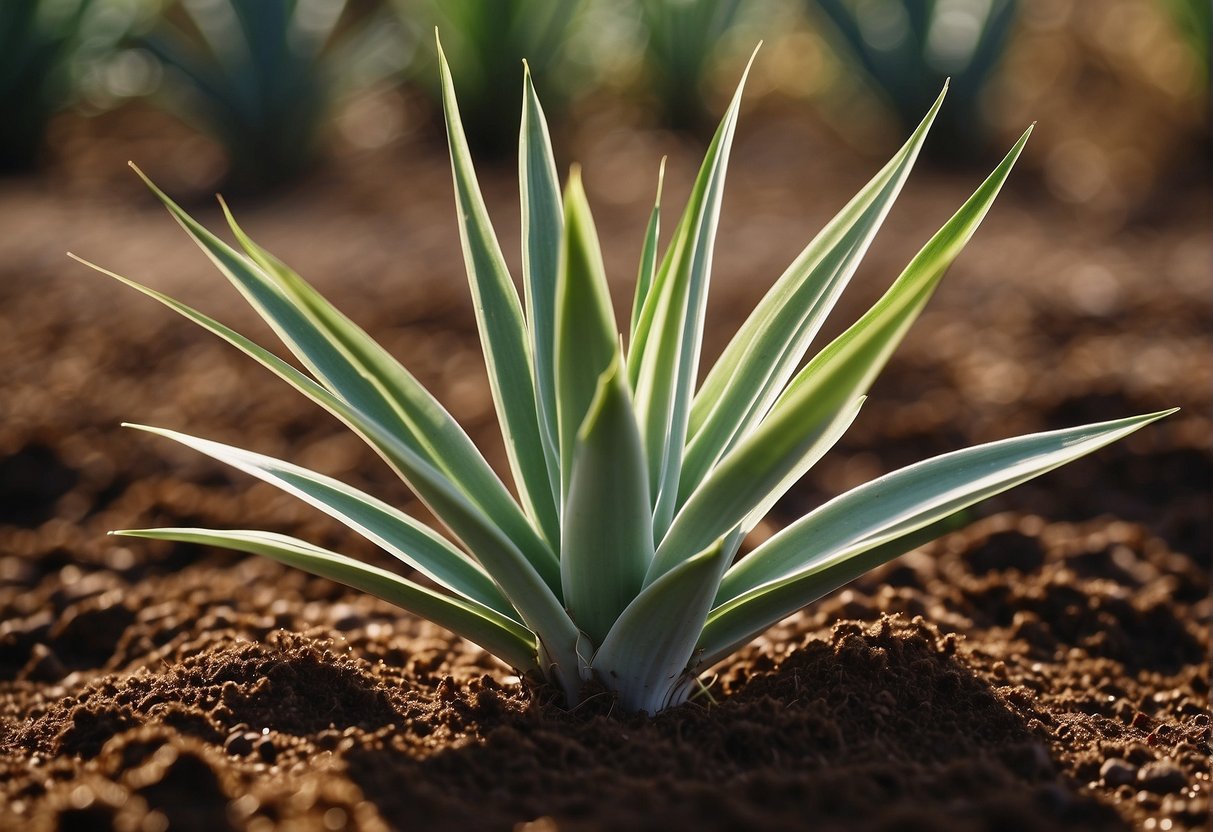
Yuccas are versatile plants that can thrive in a variety of soil types, but they prefer well-draining soil that is not too rich in nutrients. When planting yuccas, make sure to choose a spot with well-draining soil and full sun exposure. If your soil is heavy or clay-like, consider adding sand or gravel to improve drainage.
Yuccas can be planted directly in the ground or in containers. If planting in containers, make sure the container is large enough to accommodate the yucca’s root system. Fill the container with well-draining soil and place the yucca in the center.
Watering and Light Needs
Yuccas are drought-tolerant plants and do not require frequent watering. In fact, overwatering can cause root rot and other issues. Water yuccas deeply once a week during the growing season and reduce watering in the winter.
Yuccas prefer full sun exposure and require at least six hours of direct sunlight each day. If your yucca is not receiving enough sunlight, it may become leggy and weak.
Pruning and Maintenance
Yuccas are low-maintenance plants that require very little pruning. However, you may need to remove dead or damaged leaves periodically to keep the plant looking its best. Use sharp, clean pruning shears to make clean cuts.
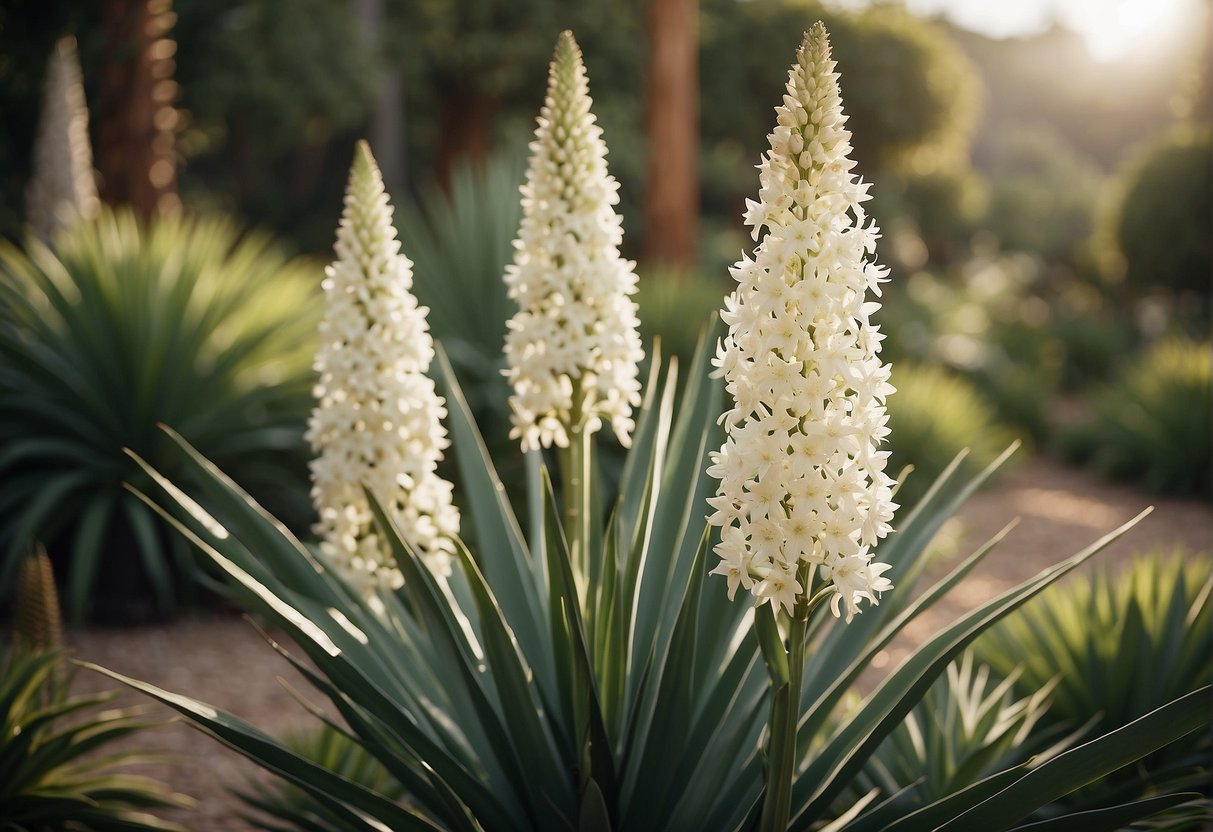
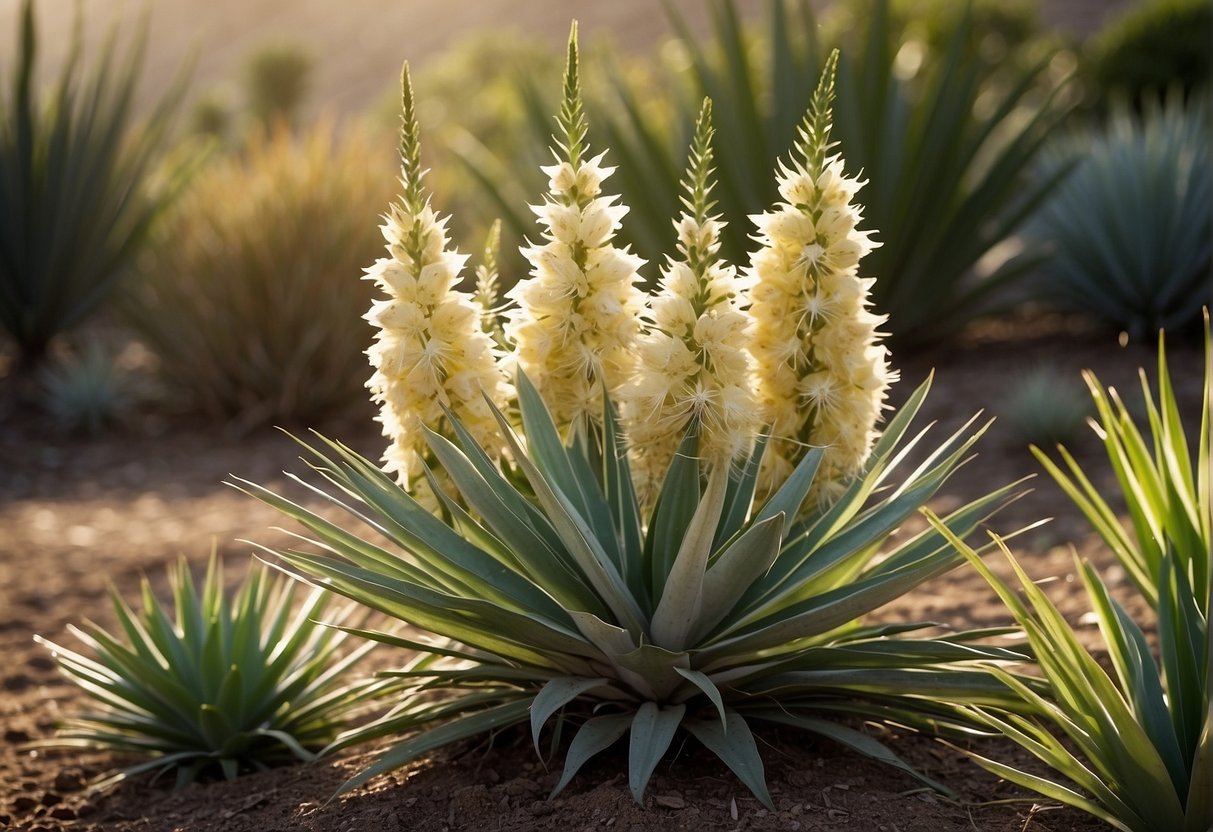
In the summer, you may notice a tall, green stalk emerging from the center of your yucca. This is the plant’s flowering stalk and can reach up to 10 feet tall. If you prefer a neater appearance, you can remove the stalk before it flowers.
Overall, yuccas are easy-to-care-for plants that can add a touch of desert beauty to any garden. With proper planting, watering, and pruning, your yucca will thrive for years to come.
Environmental Benefits and Uses
Drought Tolerance and Water Conservation
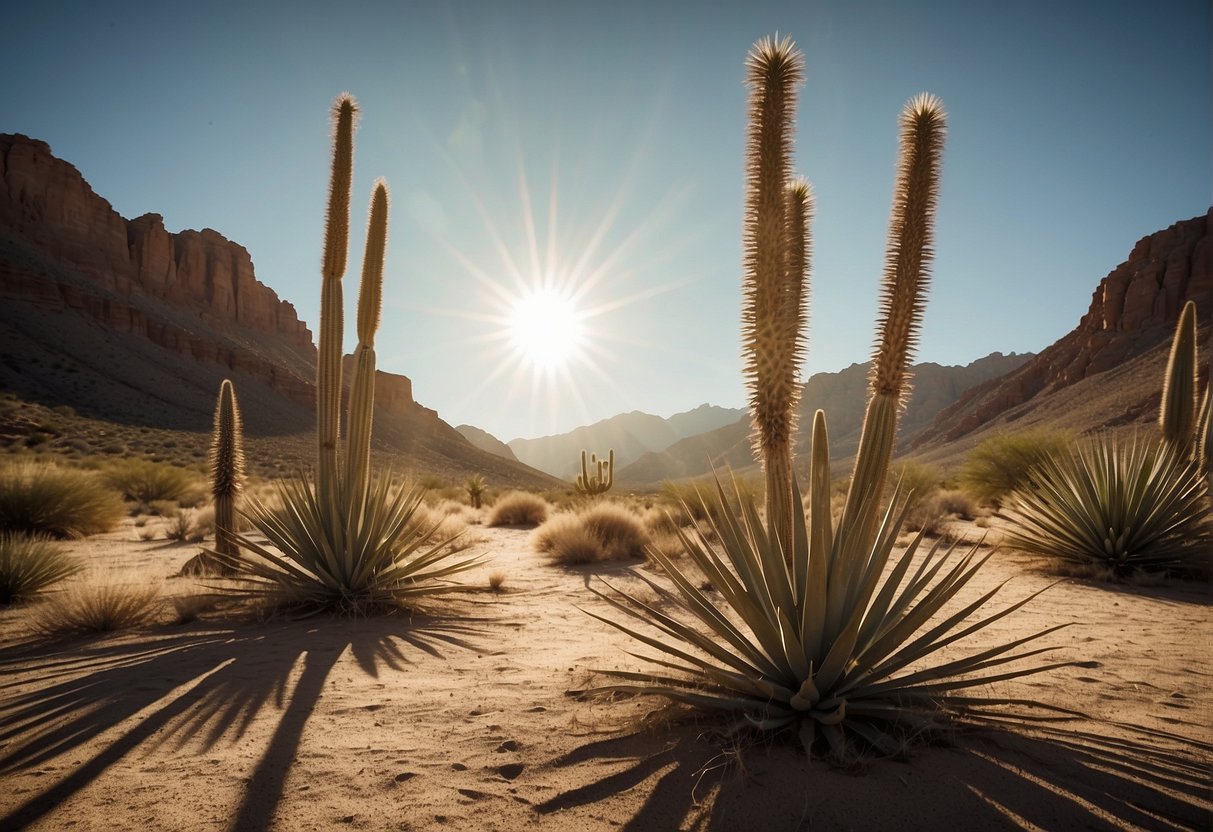
Yucca plants are known for their exceptional drought tolerance and water conservation abilities, making them ideal for arid and desert environments. These plants have adapted to survive in harsh conditions by storing water in their thick, fleshy leaves. Yuccas can thrive in dry soil and require little watering, making them an excellent choice for water-wise gardening.
Wildlife Support and Ecosystem Balance
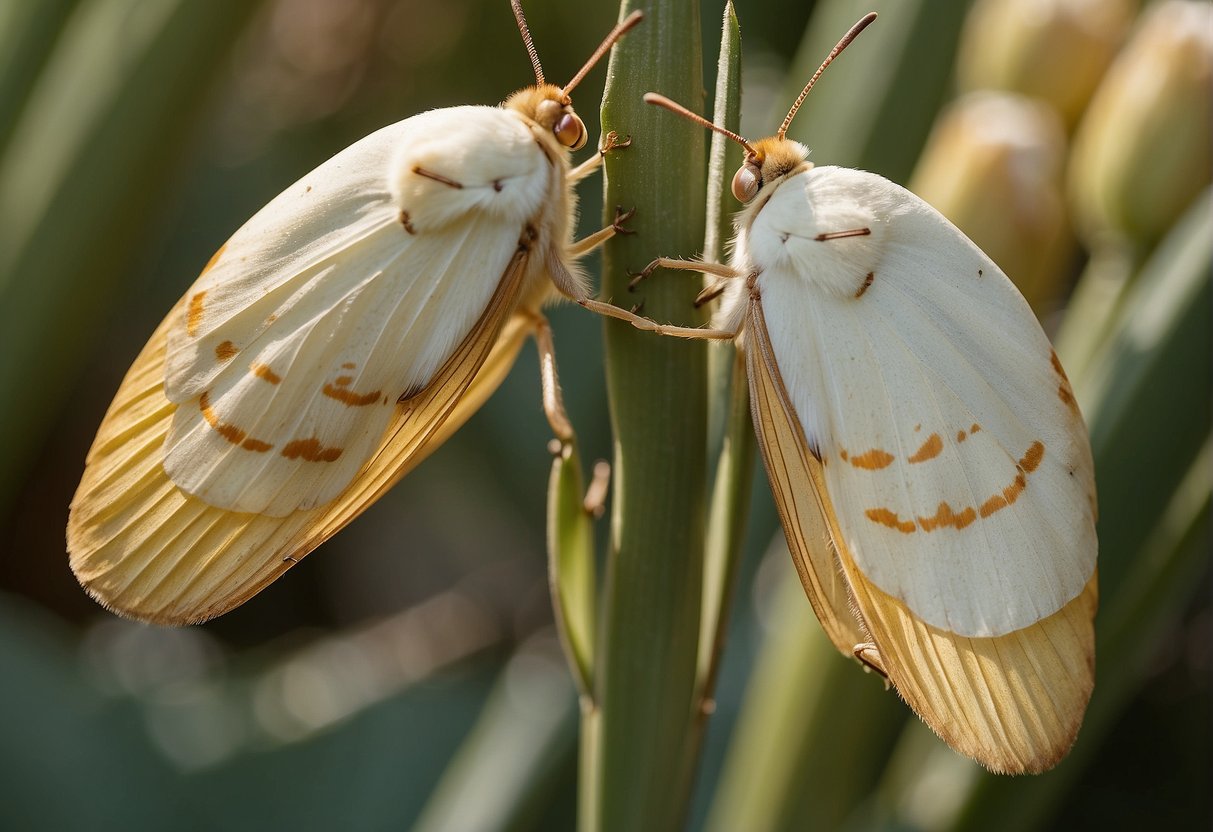
Yucca plants provide essential support for wildlife, particularly yucca moths, which are the primary pollinators of yucca flowers. The moths lay their eggs inside the yucca flowers, and the larvae feed on the developing seeds. In return, the moths pollinate the flowers, ensuring the survival of the yucca plant. Additionally, yuccas provide shelter and food for a variety of animals, including birds, rodents, and insects, contributing to a balanced ecosystem.
Aesthetic Value and Variety
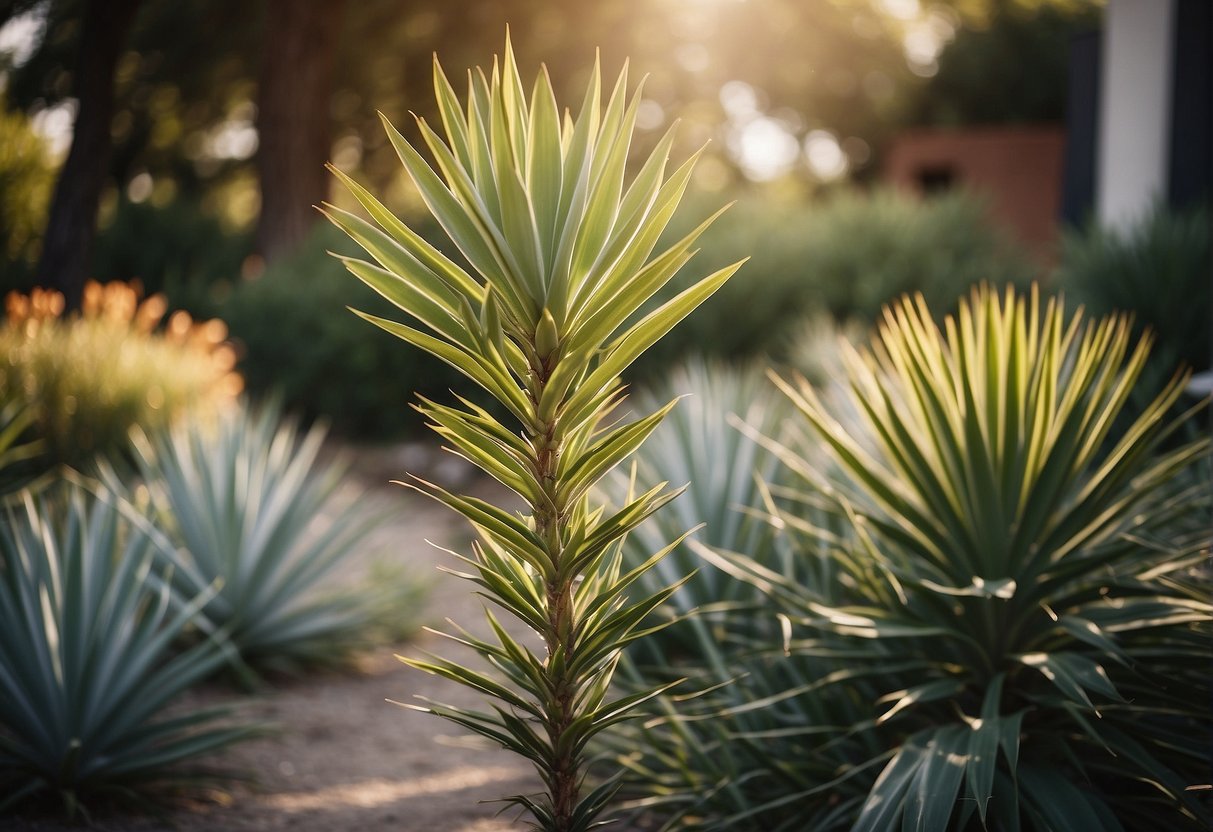
Yucca plants are prized for their striking appearance, with their sword-like leaves and tall flower stalks. They come in a variety of colors, including cream, yellow, white, and purple, and some species have variegated foliage. Yuccas are also low maintenance and easy to care for, making them an excellent choice for adding texture and interest to your garden. They can be grown in containers or as houseplants, and some species, such as the spineless yucca, are particularly well-suited to indoor growing.
In summary, yucca plants offer a range of environmental benefits and uses, from their drought tolerance and water conservation abilities to their support of wildlife and aesthetic value in the garden. Whether you are looking for a low-maintenance plant for your desert landscape or a striking addition to your indoor collection, yuccas are an excellent choice.
Frequently Asked Questions
How do yucca plants benefit outdoor gardens?
Yucca plants are a great addition to any outdoor garden. They have a unique architectural structure that adds visual interest and texture to your garden. Additionally, yucca plants are drought-tolerant and low-maintenance, making them a great option for gardeners who want to conserve water and reduce their workload. Yucca plants also attract pollinators like bees and butterflies, which can help improve the health of your garden.
What care do yucca plants require when grown indoors?
When growing yucca plants indoors, it is important to provide them with plenty of sunlight and well-draining soil. Yucca plants also prefer to be slightly root-bound, so make sure to choose a pot that is only slightly larger than the plant’s root system. Water your yucca plant sparingly, allowing the soil to dry out between waterings. Prune your yucca plant as needed to control its size and shape.
Can yucca plants survive winter conditions in the garden?
Yucca plants are generally hardy and can survive winter conditions in most regions. However, they may require some protection from extreme cold or wet conditions. If you live in an area with harsh winters, consider covering your yucca plant with a blanket or tarp to protect it from the elements.
What common issues should be considered when growing yucca plants in pots?
When growing yucca plants in pots, it is important to choose a pot with good drainage and to use a well-draining soil mix. Yucca plants can be prone to root rot if they are overwatered or if their soil is too wet. Additionally, yucca plants can become root-bound if they are not repotted periodically. Check your yucca plant’s roots periodically and repot it into a slightly larger pot as needed.
How does the presence of yucca plants in a garden affect local wildlife and insects?
Yucca plants are known to attract pollinators like bees and butterflies, which can help improve the health of your garden. Additionally, yucca plants are a food source for a variety of insects, including the yucca moth. The yucca moth is the only insect that can pollinate the yucca plant, making it a vital part of the yucca plant’s reproductive cycle.
What specific advantages do yucca plants offer to gardens in warmer climates like Florida?
Yucca plants are well-suited to warm, dry climates like Florida. They are drought-tolerant and low-maintenance, making them a great option for gardeners who want to conserve water and reduce their workload. Additionally, yucca plants are resistant to many common garden pests and diseases, making them a great option for gardeners who want to minimize their use of pesticides and other chemicals.
Hi Lovelies ! I made this blog to share my tips about Home Improvement, Children, Pets, Food, Gadgets, Automotive, Health & Beauty, and ways to be frugal while maintaining a natural lifestyle. Interested to be a Guest Blogger on my website? Please email me at: [email protected]