
Should you be in search of a remarkable bush to enhance your garden’s beauty, consider the firebush (Hamelia patens) as an excellent option. Originating from the southern regions of the United States, alongside Mexico, Central America, and South America, this vibrant plant is celebrated for its vivid red-orange blossoms and its prowess in drawing hummingbirds and butterflies. However, what precisely defines a firebush, and what essential information is needed to cultivate it effectively?
Characteristics of Firebush
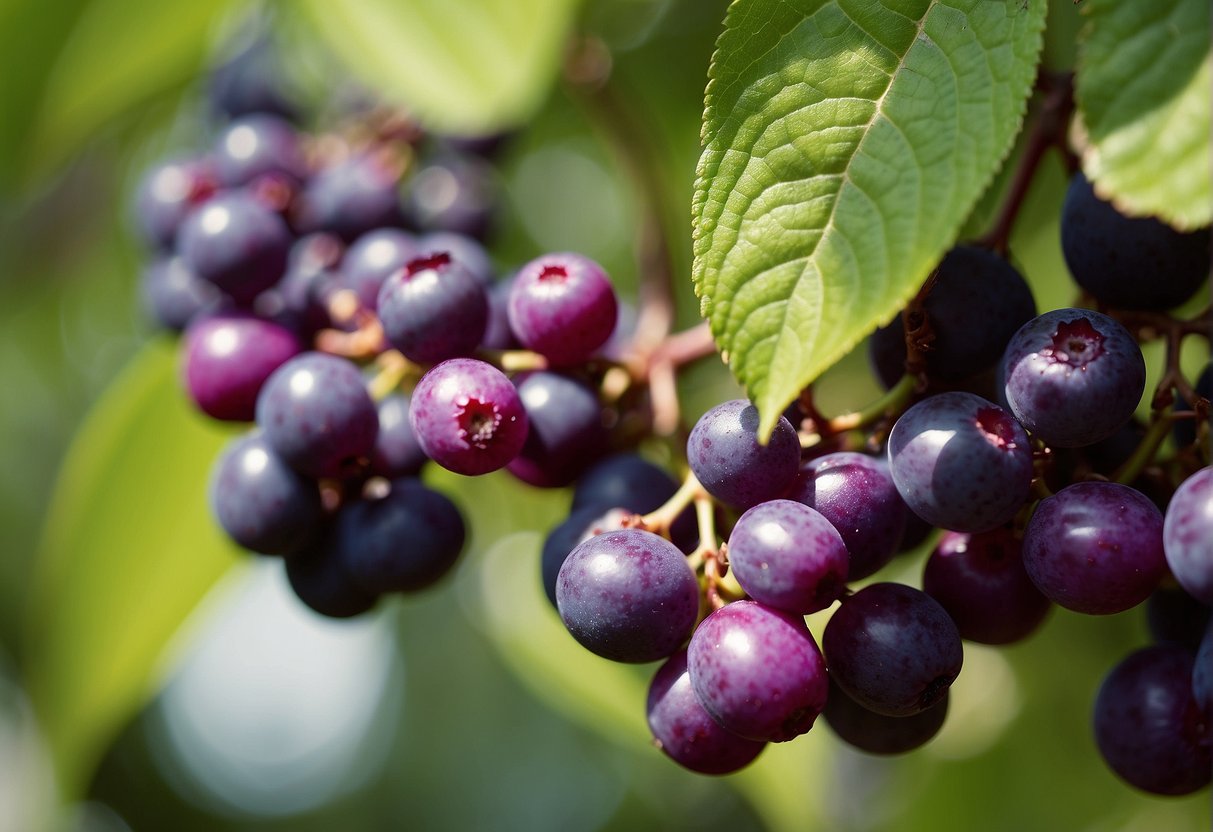
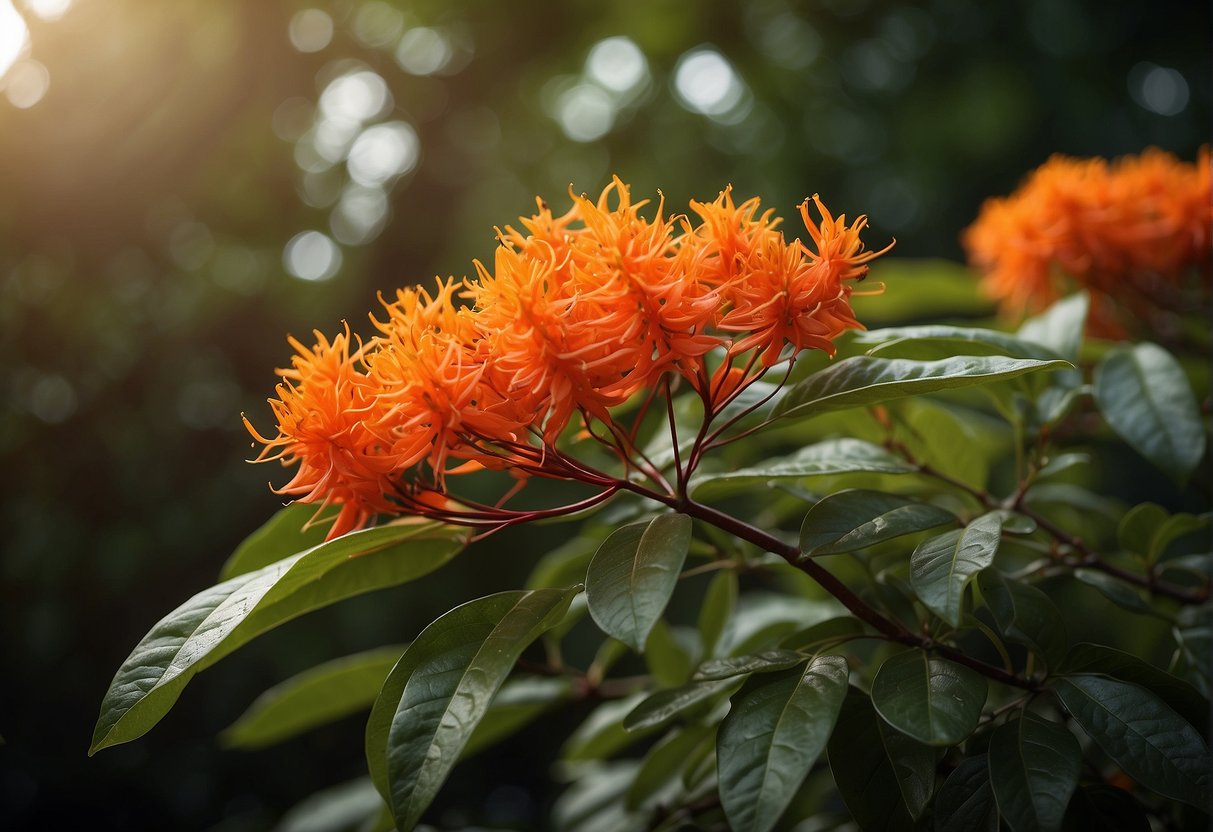
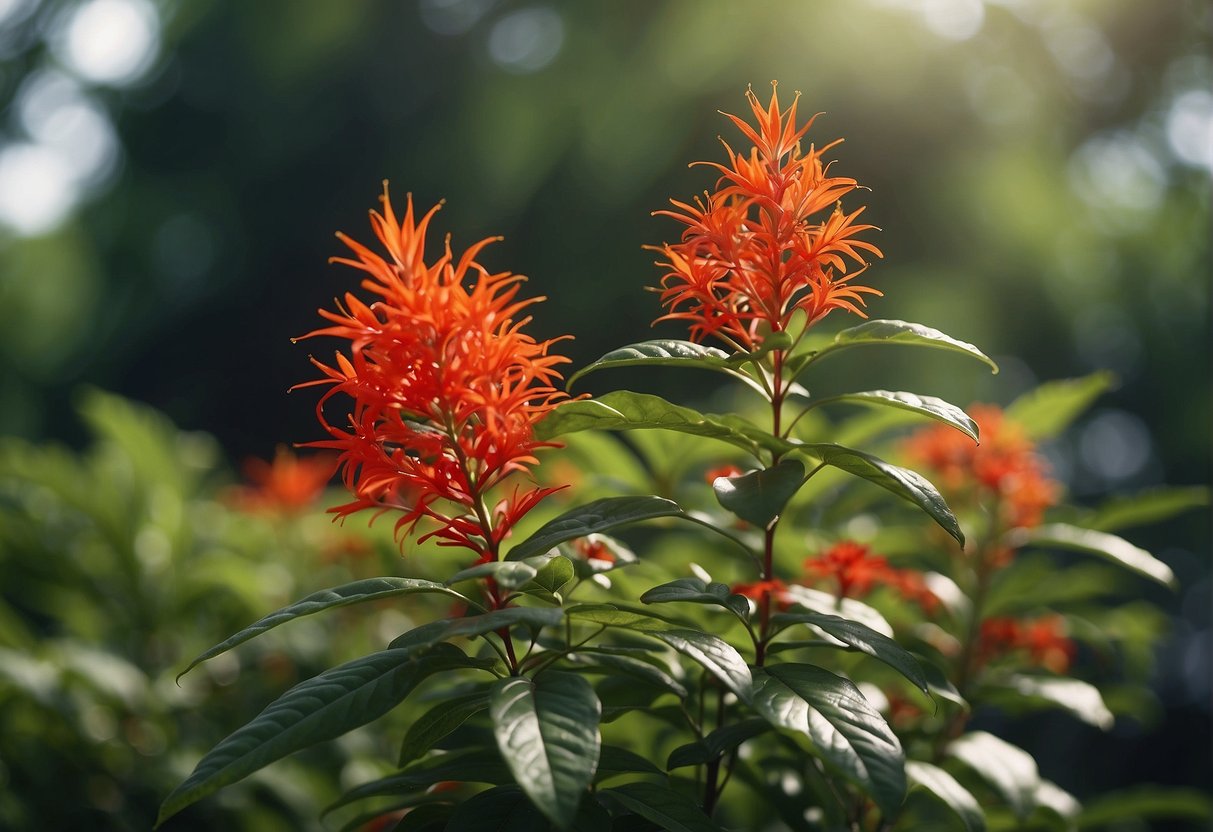
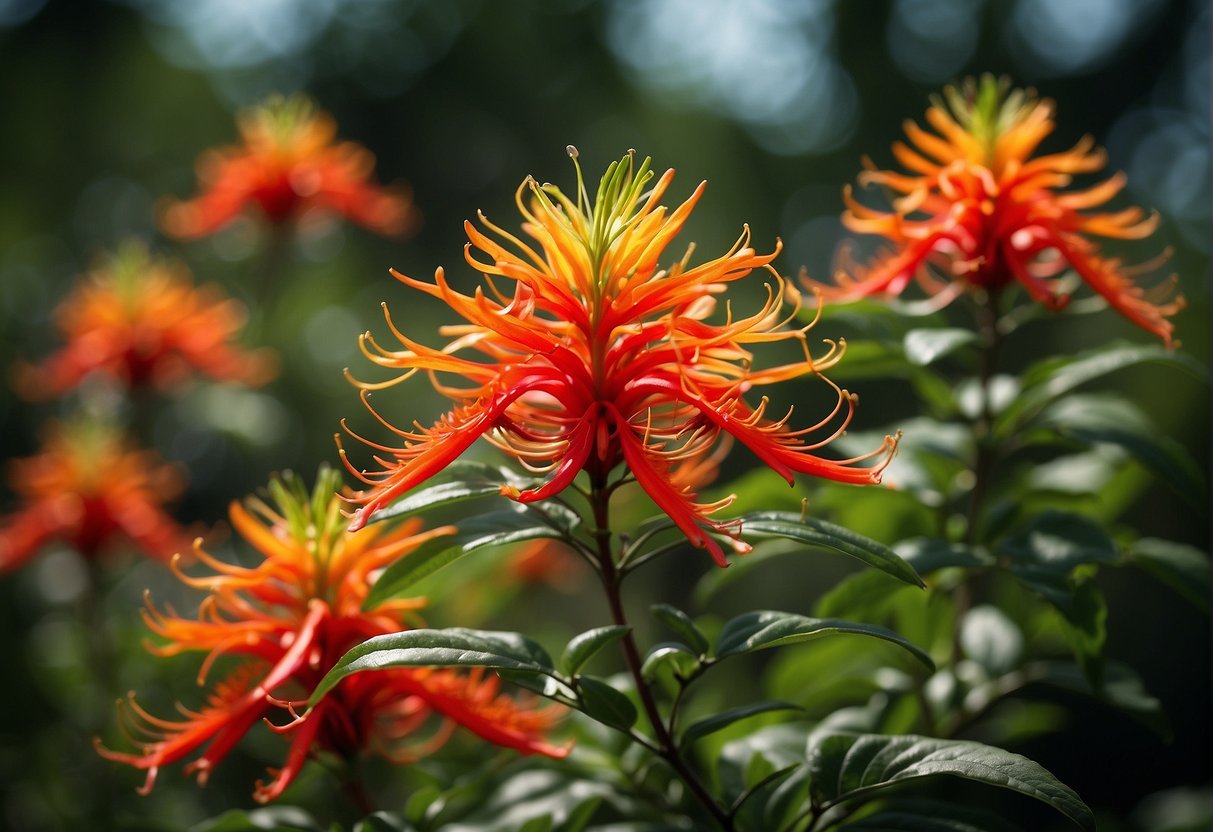
The firebush is a tropical evergreen shrub that can grow up to 15 feet tall in the right conditions. It has glossy green leaves and produces clusters of tubular flowers that are typically red-orange, although some cultivars have yellow or pink blooms. The flowers are followed by small, black berries that are a favorite food of birds.
Cultivation and Care
If you’re interested in growing a firebush, you’ll need to provide it with plenty of sunlight and well-draining soil. This plant thrives in warm, humid conditions and can be damaged by frost, so it’s best suited to USDA zones 9-11. Firebushes can be propagated from cuttings or by seed, and they benefit from regular pruning to keep them healthy and bushy. With the right care, a firebush can be a stunning addition to your landscape for many years to come.
Key Takeaways
- Firebush is a tropical evergreen shrub that produces clusters of red-orange flowers and black berries.
- This plant thrives in warm, humid conditions and needs plenty of sunlight and well-draining soil.
- Firebushes can be propagated from cuttings or seed and benefit from regular pruning to stay healthy and bushy.
Characteristics of Firebush
Botanical Profile
Firebush, scientifically known as Hamelia patens, is a woody shrub that belongs to the Rubiaceae family. It has simple leaves that are oppositely arranged on the stems. The plant produces tubular red flowers that grow in whorls of three. The flowers are followed by berries that are enjoyed by birds.
Growth and Physical Attributes
Firebush can grow up to a height of 8-15 feet and can spread up to 6-10 feet. It has multiple stems and foliage that are evergreen. The plant can be grown as a perennial or annual depending on the climate. It is a dwarf shrub that can be grown in containers or in the ground.
Color Variations and Blooming
Firebush produces orange-red flowers that bloom in the summer and fall. The color of the flowers can vary from bright red to orange. The plant prefers full sun but can tolerate partial shade. It grows well in well-drained soil with a pH range of 5.5-7.5.
Environmental Preferences
Firebush prefers warm temperatures and high humidity. It can tolerate a wide range of temperatures and is hardy in USDA hardiness zones 8-11. The plant is tolerant of drought and salt spray.
Wildlife Attraction
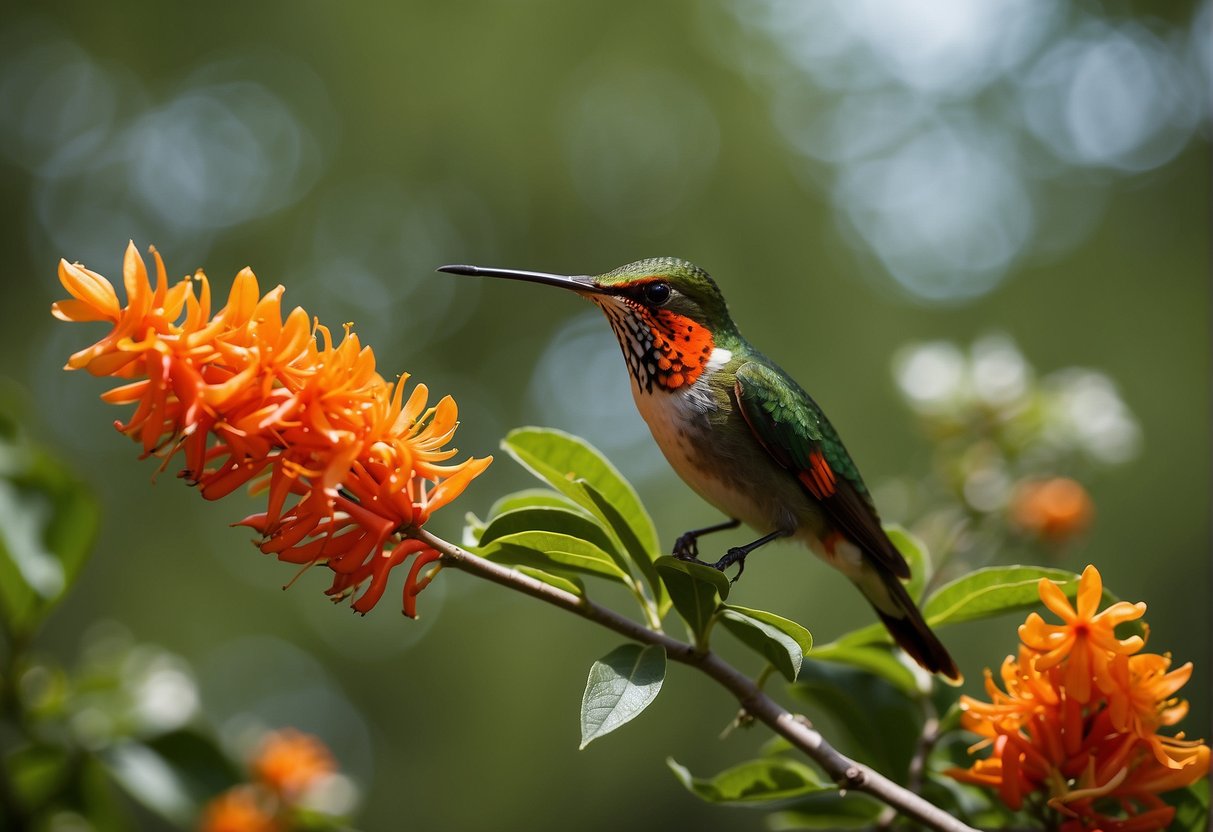
Firebush is a favorite of butterflies, hummingbirds, and other pollinators. It provides nectar and shelter for these animals. The berries of the plant are also a food source for birds.
Geographical Distribution
Firebush is native to Florida, South America, Central America, and Mexico. It is commonly found in the southern United States, particularly in Florida.
Firebush Varieties
There are several varieties of firebush, including Hamelia patens var. glabra and various cultivars. These varieties differ in their growth habits, flower color, and other characteristics.
Native Plant Significance
Firebush is a Florida native plant and is an important part of the state’s natural heritage. It is also a popular choice for landscaping and is widely cultivated for its beauty and wildlife value.
Cultivation and Care
Planting and Propagation
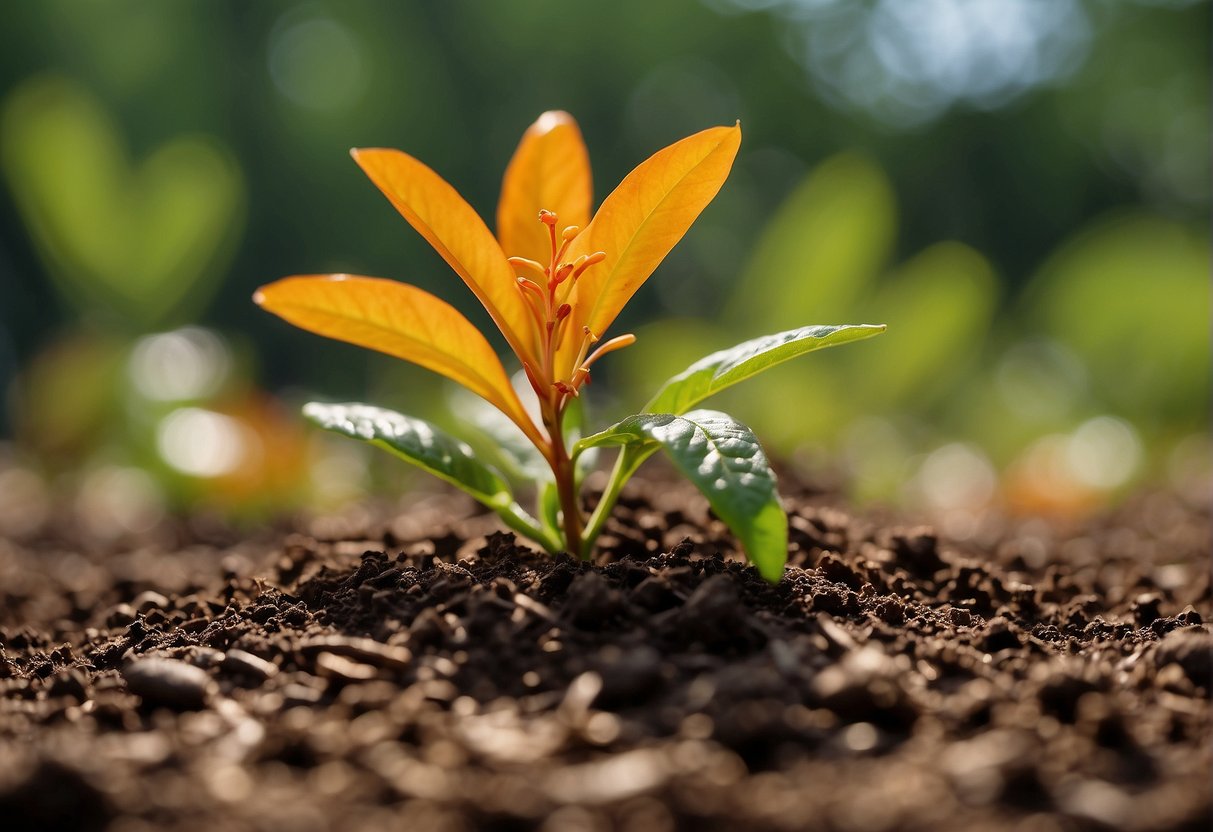
Firebush (Hamelia patens) can be propagated through cuttings or seeds. If you are planting cuttings, make sure they are taken from healthy plants. If you are using seeds, scarify them to improve germination. Plant the cuttings or seeds in well-drained soil, and keep the soil moist until the plant is established.
Soil and Water Requirements
Firebush prefers well-drained soil and can tolerate a range of soil types. It is important to keep the soil moist, but not waterlogged. Water the plant deeply once a week during the growing season, and reduce watering in the winter.
Sunlight and Temperature Needs
Firebush prefers full sun to partial shade and can tolerate a range of temperatures. It is important to protect the plant from freezing temperatures, as it is not cold hardy.
Pruning and Maintenance
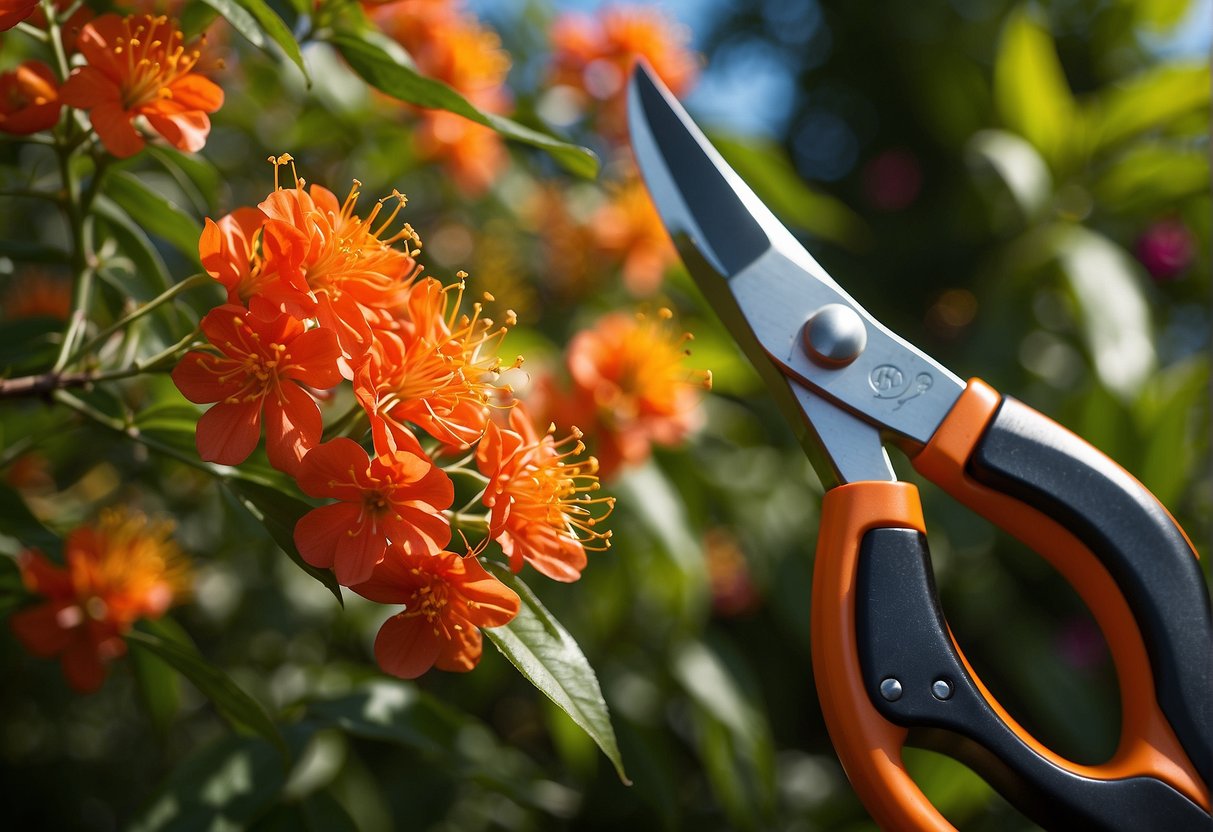
Firebush can be pruned to maintain its shape and size. Prune in the late winter or early spring before new growth appears. Remove dead or damaged branches and shape the plant as desired.
Pest and Disease Management
Firebush is generally resistant to pests and diseases, but it can be affected by mites, aphids, and scale. Use an insecticidal soap to control pests, and prune affected branches. Avoid over-watering to prevent fungal diseases.
Overwintering Strategies
Firebush is not cold hardy and should be protected from freezing temperatures. Cover the plant with a blanket or other protective covering during the winter.
Landscape Uses
Firebush can be used as a specimen plant, border, hedge, or screen. It is also suitable for mass plantings and as a foundation plant.
Drought and Heat Resistance
Firebush is drought tolerant once established and can tolerate high temperatures.
Fertilization Practices
Firebush does not require frequent fertilization. Apply a balanced fertilizer in the spring and summer to promote growth.
Frequently Asked Questions
What are the primary uses of firebush in landscaping?
Firebush is a popular choice for landscaping due to its vibrant red-orange flowers that bloom throughout the year. It can be used as a hedge, border plant, or accent plant in gardens, and is also suitable for container gardening. Firebush attracts butterflies and hummingbirds, making it a great addition to any pollinator garden.
How can one identify a firebush plant?
Firebush is a shrub that can grow up to 10 feet tall and 5 feet wide. It has dark green leaves that are 2-6 inches long and 1-2 inches wide. The flowers are tubular and bright red-orange, and the fruit is a small black berry. Firebush is commonly found in warm, tropical regions, especially in Florida and the Caribbean.
What is the origin of the name ‘Firebush’?
The name ‘Firebush’ comes from the bright red-orange color of the plant’s flowers, which resemble flames. It is also known as ‘Hamelia patens’, named after French botanist Henri Louis Duhamel du Monceau and the Latin word for spreading.
What are the light requirements for growing a firebush?
Firebush prefers full sun to partial shade and can tolerate a wide range of soil types, including sandy and clay soils. It is drought-tolerant once established but benefits from regular watering during dry spells.
How does firebush contribute to local ecosystems?
Firebush is a valuable plant for local ecosystems as it provides food and habitat for a variety of wildlife, including birds, butterflies, and bees. The plant’s nectar-rich flowers attract pollinators, while the berries provide food for birds and small mammals.
What care does a firebush need to thrive?
Firebush requires minimal care once established. Prune the plant regularly to maintain its shape and remove dead or damaged branches. Fertilize the plant in spring and summer with a balanced fertilizer. Water regularly during the first year after planting to establish a strong root system, and then reduce watering to once or twice a week.