Home » Blog » What Are Yucca Plants Used For: A Comprehensive Guide
What Are Yucca Plants Used For: A Comprehensive Guide
December 30, 2024
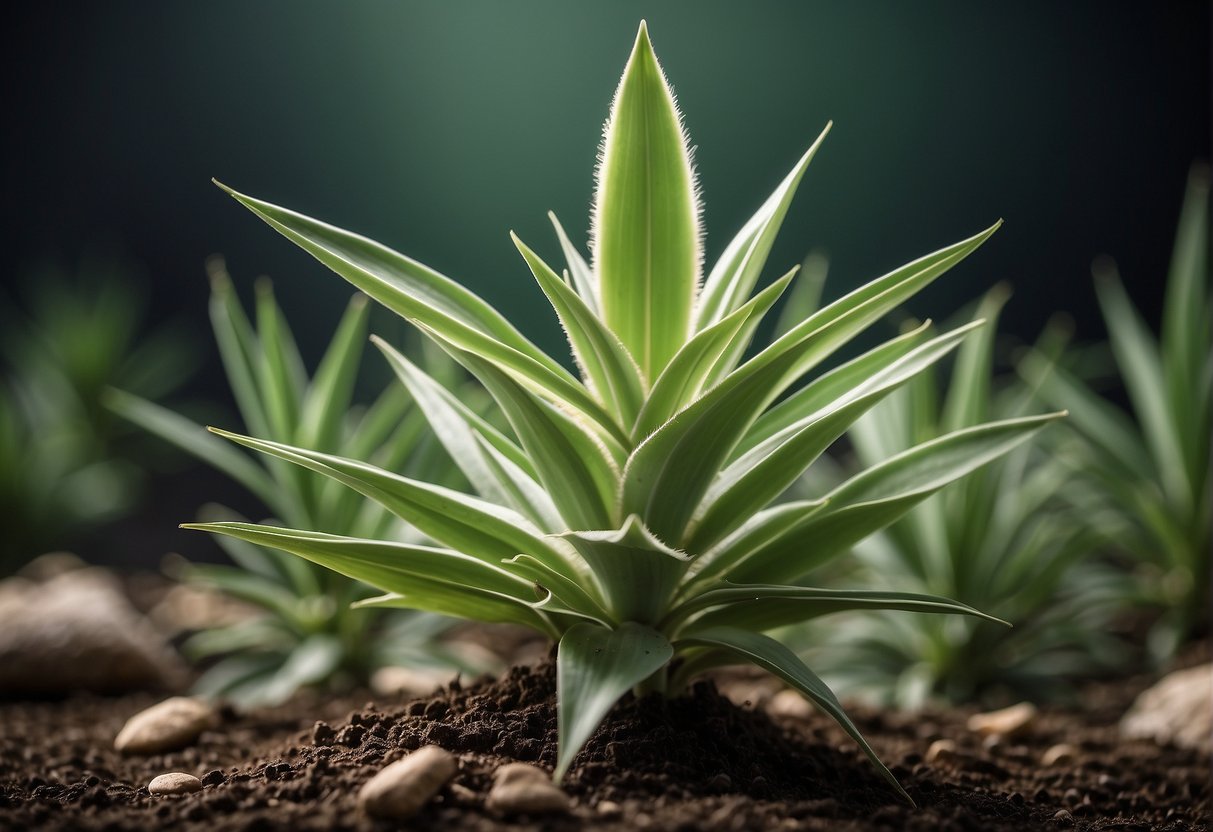
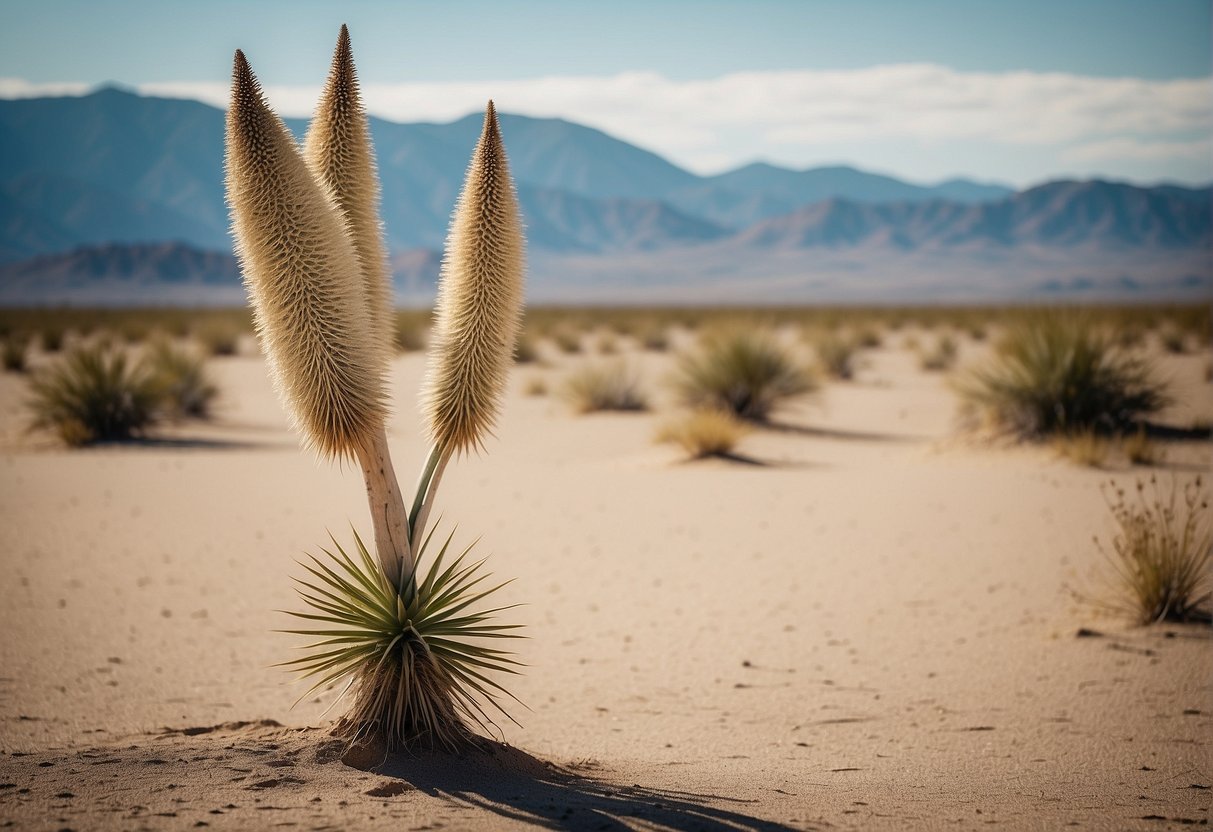
Should you be in search of a plant that offers both aesthetic appeal and practical utility, the yucca should be on your radar. These plants boast a longstanding history of diverse applications, ranging from culinary to medicinal to cleansing uses. In the following article, we delve into the myriad of traditional and functional roles of yucca plants, in addition to advising on ways to integrate them into your residential spaces and gardens.
One of the most well-known uses of yucca plants is as a source of food. Native American tribes have long used the roots, flowers, and fruit of the yucca for sustenance. The roots can be boiled or roasted and eaten like potatoes, while the flowers and fruit can be eaten raw or cooked. Yucca is also a good source of fiber, and can be used to make bread, tortillas, and other baked goods.
Yucca plants have also been used for medicinal purposes. The sap of the plant contains saponins, which have been shown to have anti-inflammatory and antifungal properties. Yucca supplements are sometimes used to treat arthritis, high blood pressure, and other conditions. The plant has also been used topically to soothe skin irritations and wounds.
Key Takeaways
Yucca plants have been used for centuries by Native American tribes for food and medicine.
Yucca is a good source of fiber and can be used to make bread and other baked goods.
The plant contains saponins, which have anti-inflammatory and antifungal properties.
Cultural and Practical Uses of Yucca Plants
Yucca plants have been used for a variety of cultural and practical purposes throughout history. Here are two examples of how yucca plants have been utilized:
Yucca in Native American Traditions
Yucca plants have played an important role in the traditions of Native American cultures. The roots of the plant have been used to make soap, which was used for cleansing and purification purposes. The flowers and leaves of the plant were also used in various ceremonies and rituals.
Yucca as a Source of Materials
Yucca plants have been used as a source of materials for many practical purposes. The fibers from the leaves of the plant have been used to make baskets, rope, and other woven items. The roots of the plant have been used to make a variety of items, including sandals, belts, and mats.
Different types of yucca plants have been used for different purposes. For example, the yucca baccata, also known as the banana yucca, has a fruit that is edible and has been used as a food source. The soaptree yucca, also known as the soapweed yucca, produces a high amount of saponins, which are compounds that can be used to make soap.
In conclusion, yucca plants have a rich history of cultural and practical uses. From soap-making to basket-weaving, yucca plants have provided a variety of materials and resources for many generations.
Yucca Plants in Home and Garden
Yucca plants are a popular choice for home and garden landscaping due to their striking appearance and low maintenance requirements. They are evergreen and come in a variety of shapes and sizes, making them versatile additions to any landscape.
Ornamental Landscaping
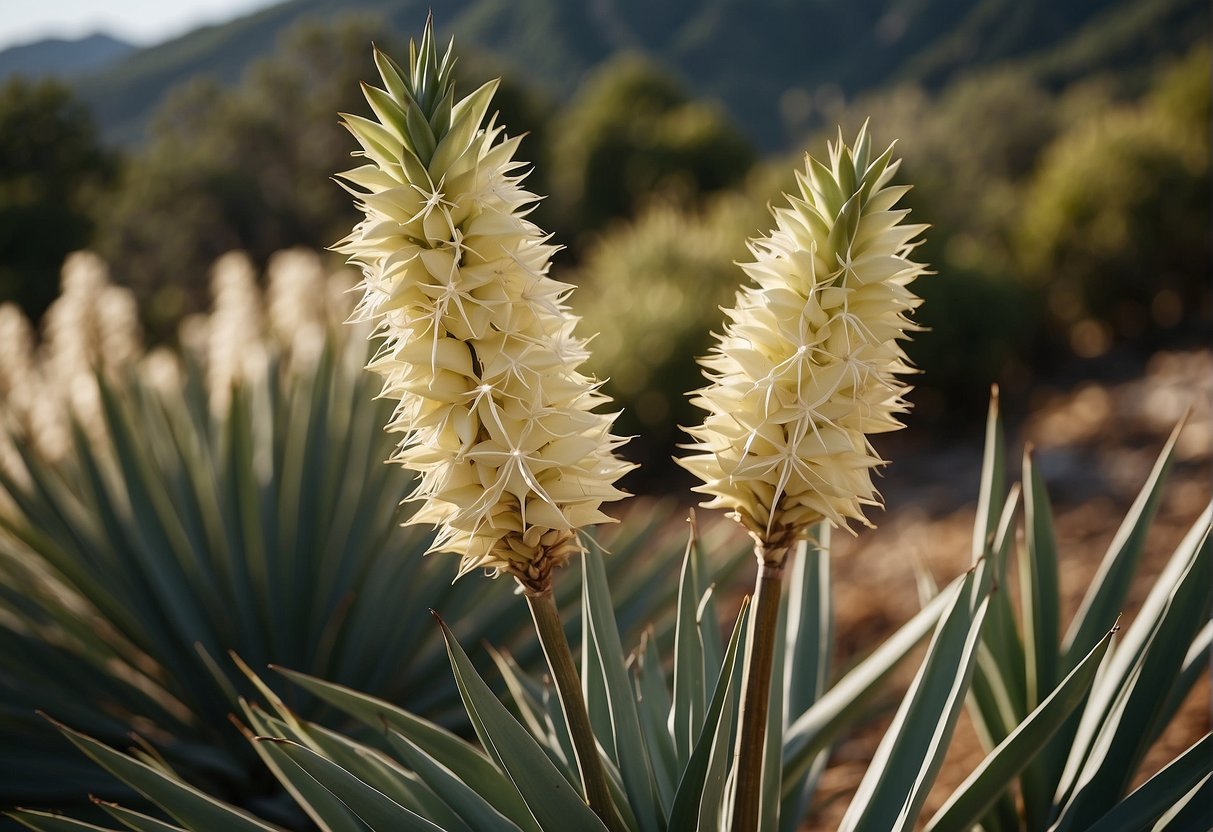
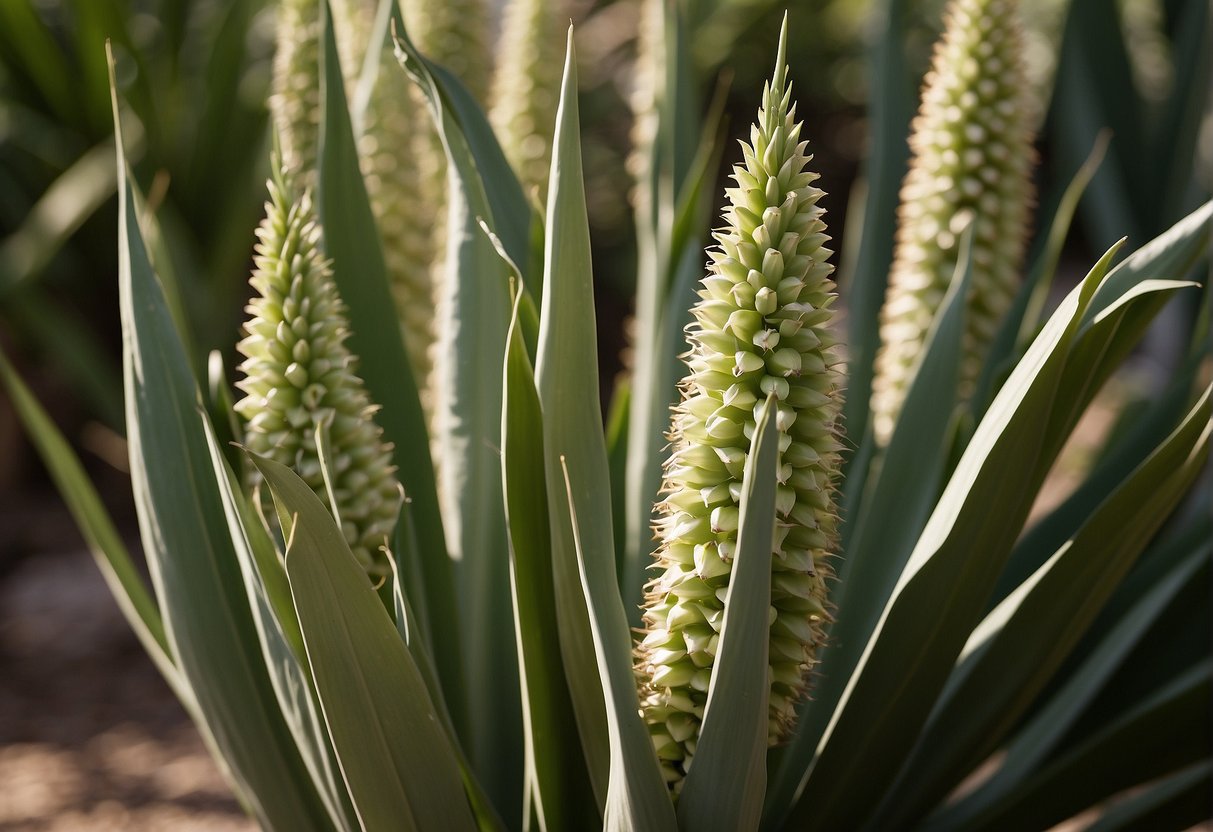
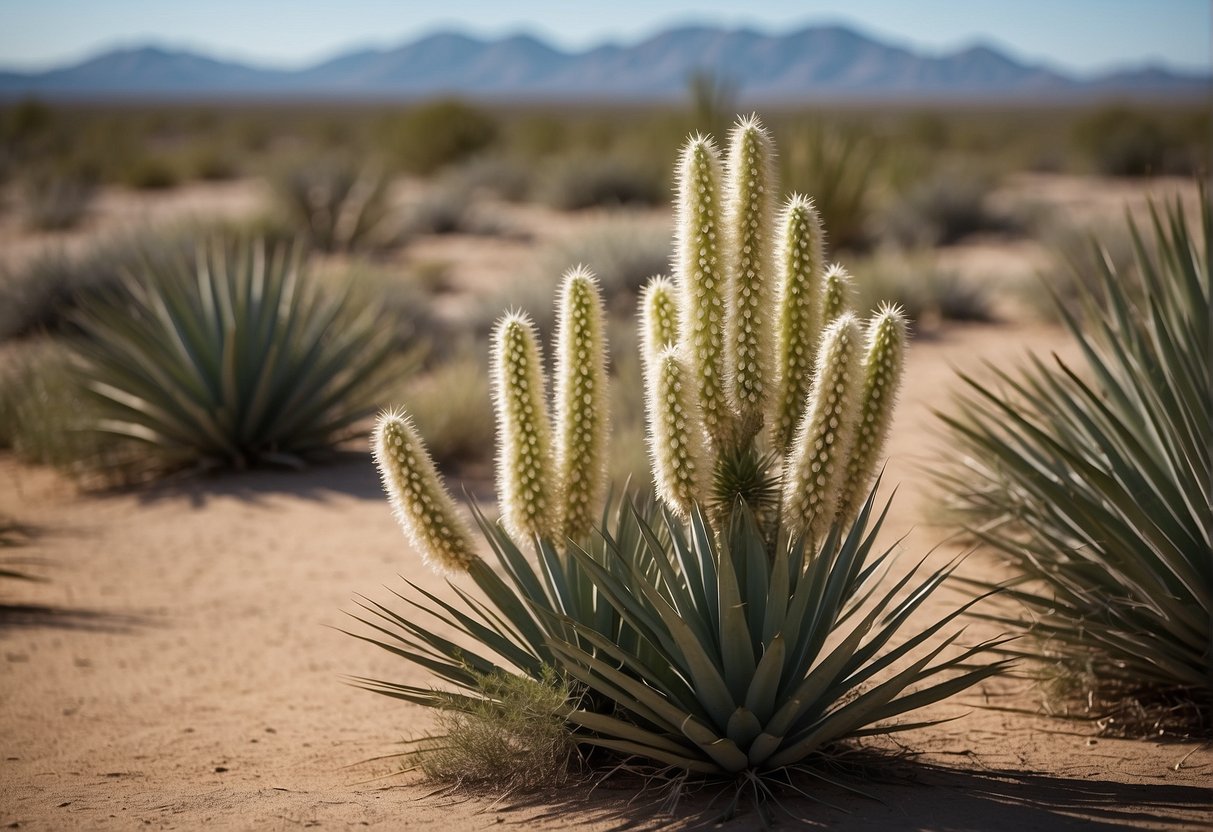
Yucca plants are often used as ornamental plants in landscaping due to their spiky leaves and flower spikes. They can add a unique texture and focal point to any garden, and are especially effective when planted in groups or as a border plant. Some popular yucca plant varieties for landscaping include Yucca filamentosa, Yucca aloifolia, and Yucca gloriosa, also known as Adam’s Needle.
Yucca as Houseplants
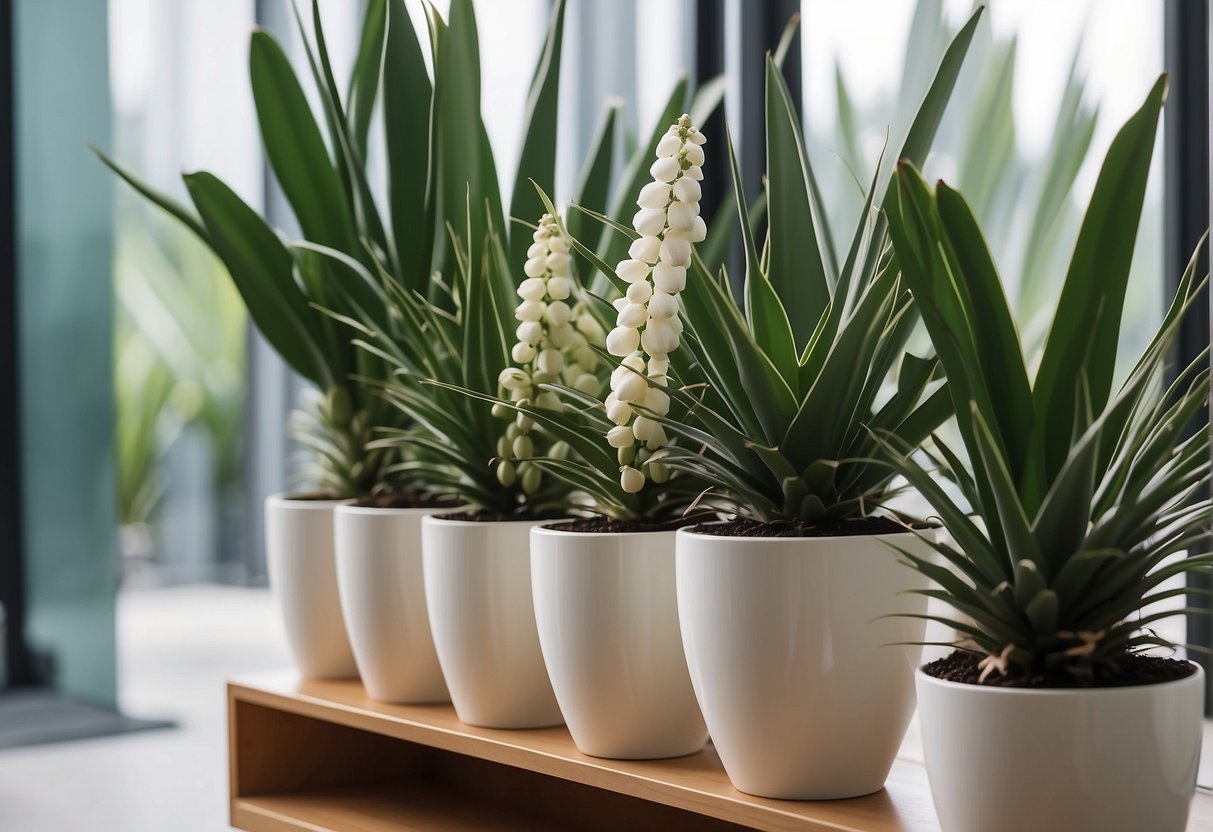
Yucca plants also make great indoor plants due to their ability to thrive in bright, full sun conditions. The Yucca elephantipes, also known as the spineless yucca, is a popular choice for indoor use. They are easy to care for and can add a touch of green to any room.
Caring for Yucca Plants
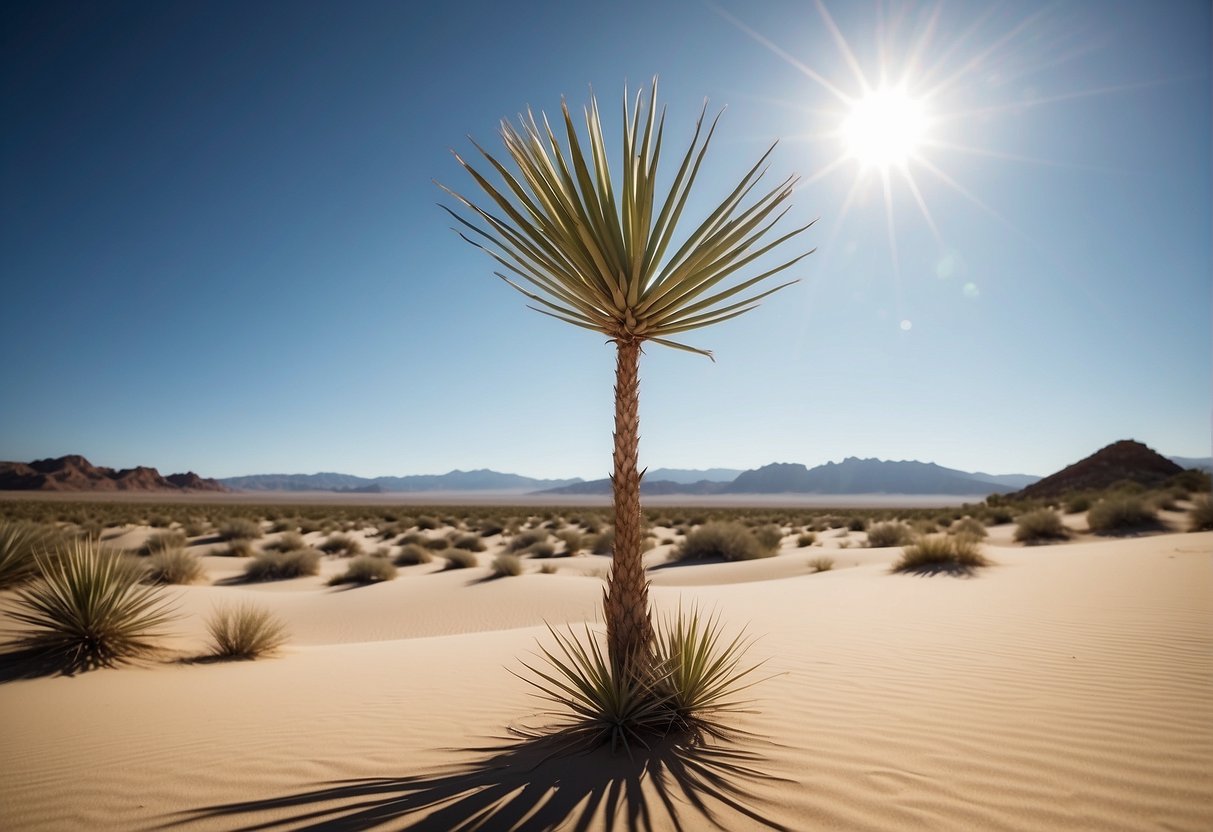
Yucca plants are drought-tolerant and prefer well-drained soil. They are generally low maintenance and require minimal pruning. However, it is important to note that some yucca plant varieties, such as the red yucca, may require more frequent watering.
In summary, yucca plants are a great choice for both indoor and outdoor use. They are low maintenance, drought-tolerant, and come in a variety of shapes and sizes. Whether you are looking for an ornamental landscaping plant or an indoor houseplant, there is a yucca plant variety that will fit your needs.
Frequently Asked Questions
What are the traditional uses of yucca by Native Americans?
Native Americans have been using yucca plants for centuries. The roots, leaves, and stems of the plant were used for various purposes such as making baskets, sandals, and rope. The roots were also used as a natural soap and shampoo. Additionally, the plant was used for medicinal purposes such as treating skin conditions and arthritis.
Can yucca leaves be utilized for health benefits?
Yes, yucca leaves contain saponins, which are compounds that have anti-inflammatory properties. These properties may help reduce inflammation in the body. However, it is important to note that more research is needed to fully understand the potential health benefits of yucca leaves.
What are the potential health benefits of consuming yucca root?
Yucca root is a good source of fiber, vitamin C, and potassium. It may also have anti-inflammatory properties and may help reduce cholesterol levels. Additionally, some studies suggest that yucca root may help improve digestion and support immune system function.
How can yucca be incorporated into hair care routines?
Yucca root extract is commonly used in hair care products due to its cleansing and moisturizing properties. It may help reduce dandruff and promote healthy hair growth. Yucca root extract can be found in shampoos, conditioners, and hair masks.
What are the known side effects of using yucca products?
Yucca products are generally considered safe for most people when used in moderation. However, some people may experience side effects such as upset stomach, diarrhea, and skin irritation. It is important to consult with a healthcare provider before using yucca products, especially if you have any underlying health conditions.
Are there any specific benefits of keeping a yucca plant indoors?
Yes, keeping a yucca plant indoors can help purify the air by removing harmful toxins. Yucca plants are also low-maintenance and easy to care for, making them a great addition to any indoor space.
Hi Lovelies ! I made this blog to share my tips about Home Improvement, Children, Pets, Food, Gadgets, Automotive, Health & Beauty, and ways to be frugal while maintaining a natural lifestyle. Interested to be a Guest Blogger on my website? Please email me at: [email protected]