Home » Blog » Yucca Plants: When to Transplant and How to Do It
Yucca Plants: When to Transplant and How to Do It
December 29, 2024
If you have a fondness for yucca plants, you might be curious about the optimal period for transferring them. The transplantation of yuccas involves a certain level of difficulty, and mistakes in the process might harm or fatally affect your plant. Nevertheless, armed with the correct information and a little attention, you can effectively relocate your yucca, breathing new life into it.
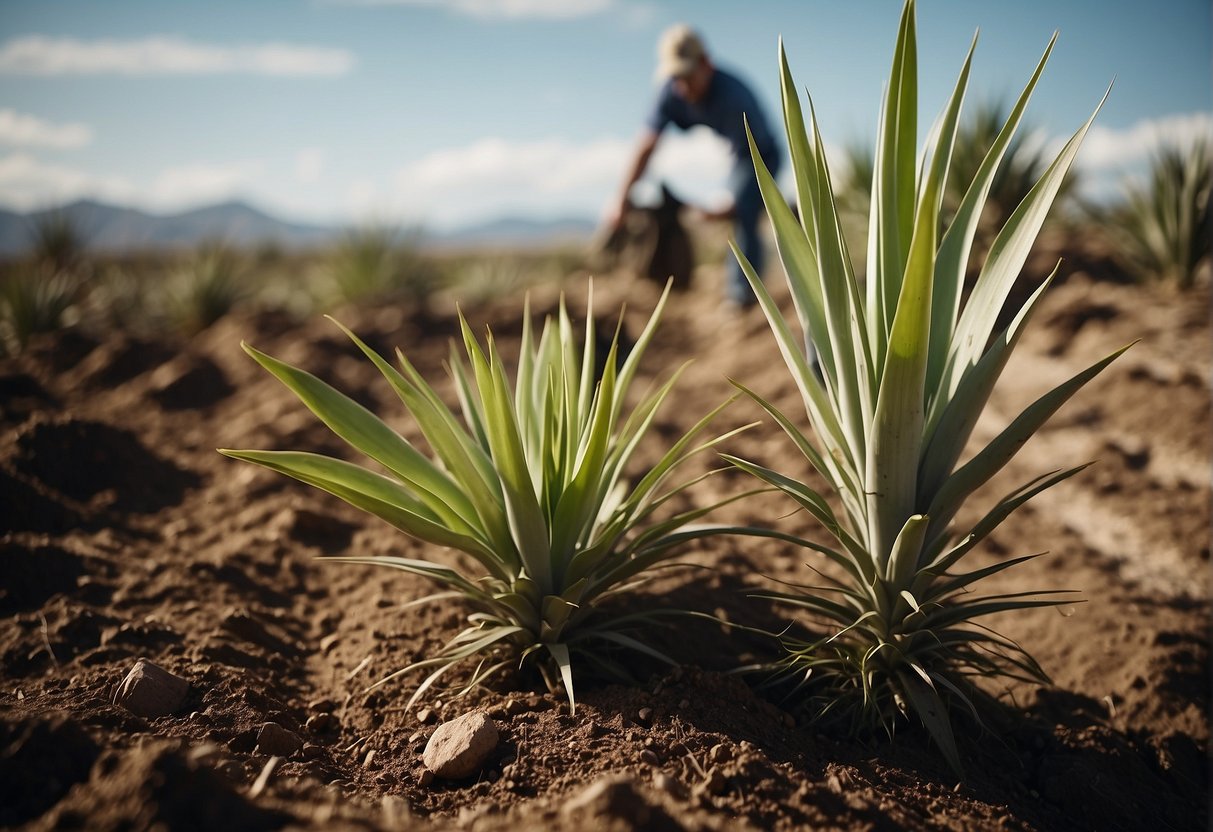
Understanding yucca plants is key to successfully transplanting them. Yuccas are native to arid regions and have adapted to survive in harsh conditions with little water. They have a deep taproot that makes them difficult to transplant, and they don’t like to be disturbed. However, if you need to move your yucca for whatever reason, there are certain steps you can take to minimize the risk of damage.
Key Takeaways
Yuccas are native to arid regions and have adapted to survive with little water.
Yuccas have a deep taproot that makes them difficult to transplant, but it is possible with the right knowledge and care.
Transplanting yuccas successfully requires careful planning and preparation.
Understanding Yucca Plants
Species and Characteristics
Yucca plants are a type of succulent that belong to the agave family. They are native to Mexico and the southwestern United States. Yucca plants come in a variety of species, with varying sizes and shapes. Some species can grow up to 30 feet tall, while others are small shrubs. One of the most recognizable features of yucca plants are their long, sword-shaped leaves that grow in a rosette pattern.
Optimal Conditions for Growth
Yucca plants are low-maintenance and resilient, making them a popular choice for gardens. They thrive in full sun and are drought-tolerant, making them a great option for areas with hot, dry climates. Yucca plants prefer well-draining soil and do not require a lot of nutrients or organic matter. They can tolerate partial shade, but will not grow as well in areas with low sunlight.
Signs Your Yucca Needs Transplanting
Yucca plants have a deep root system, so they do not need to be transplanted often. However, there are some signs that your yucca plant may need to be transplanted. If your plant is actively growing and becoming too large for its current container, it may need to be transplanted to a larger pot or into the ground. If you notice signs of transplant shock, such as wilting or yellowing leaves, your plant may need to be moved to a new location. Additionally, if your yucca plant is showing signs of disease or is infested with pests, it may be time to transplant it to a new location with fresh soil.
In summary, understanding the species and characteristics of yucca plants, as well as their optimal conditions for growth and signs that they need transplanting, can help ensure that your yucca plant thrives in your garden.
Transplanting Yuccas Successfully
Best Time to Transplant
The best time to transplant a yucca is during its dormant period, which is usually in early spring or late fall. This is when the plant is not actively growing, making it less stressful for the plant to be uprooted and transplanted. However, if you live in an area with mild winters, you can transplant your yucca during any time of the year.
How to Transplant a Yucca
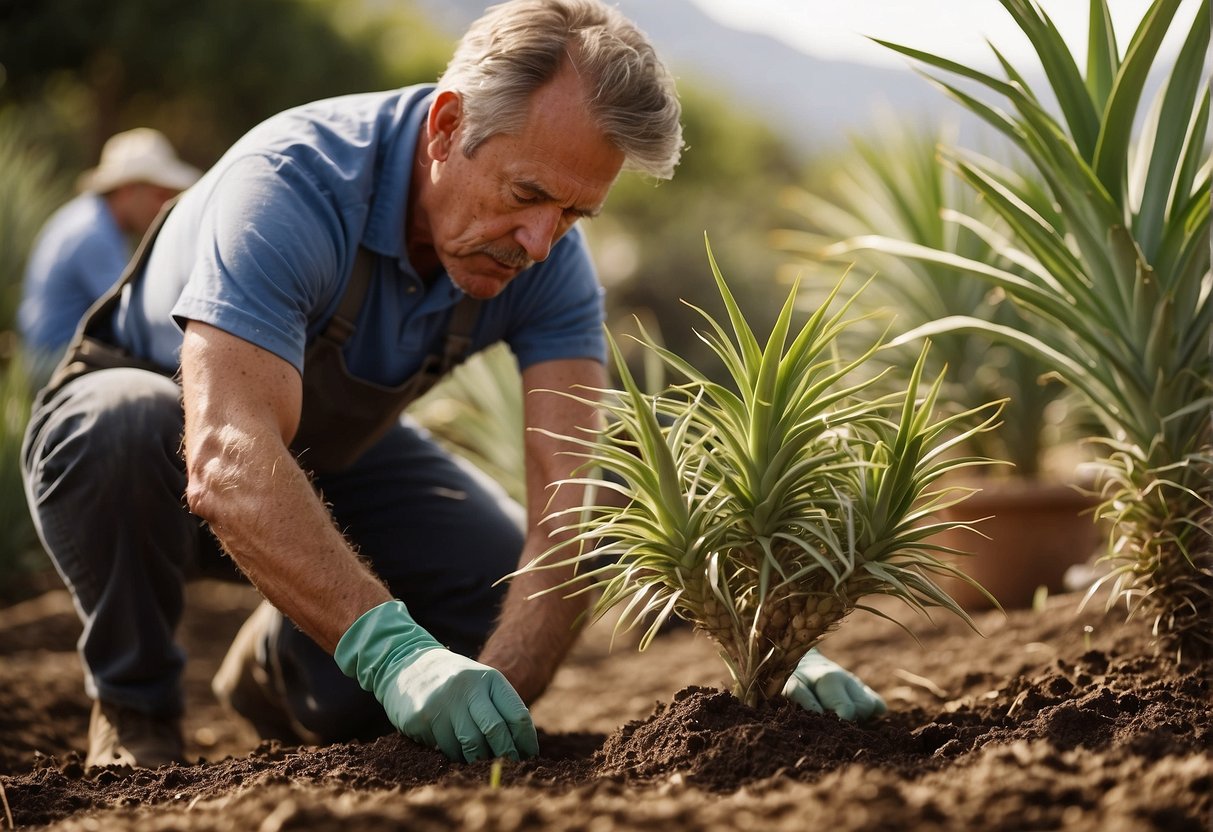
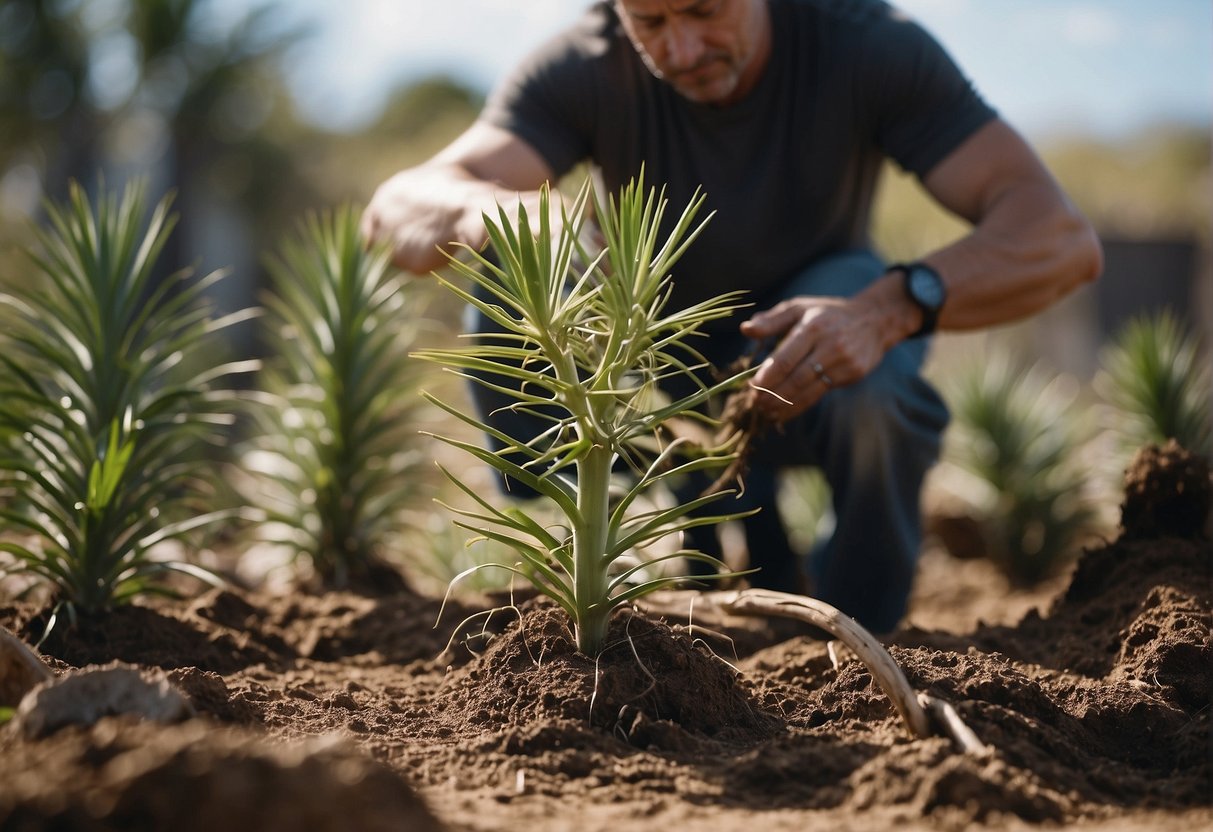
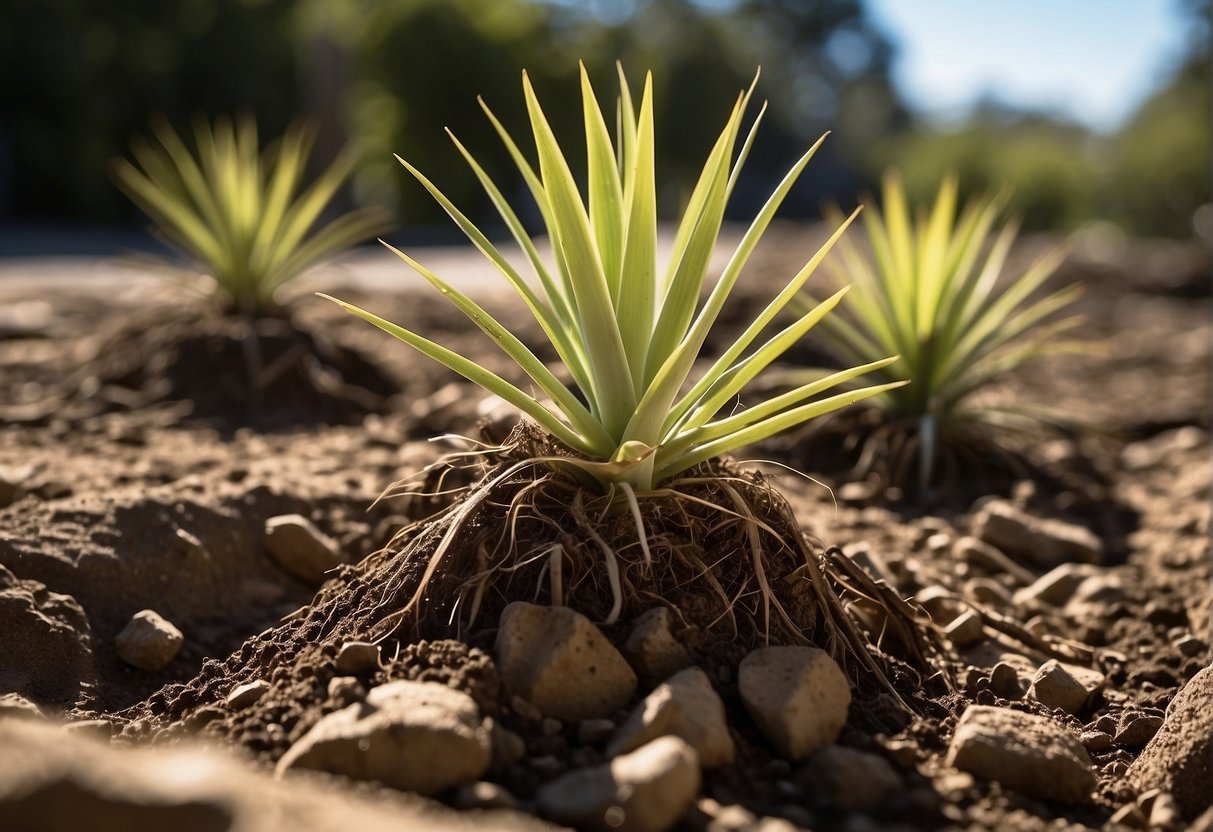
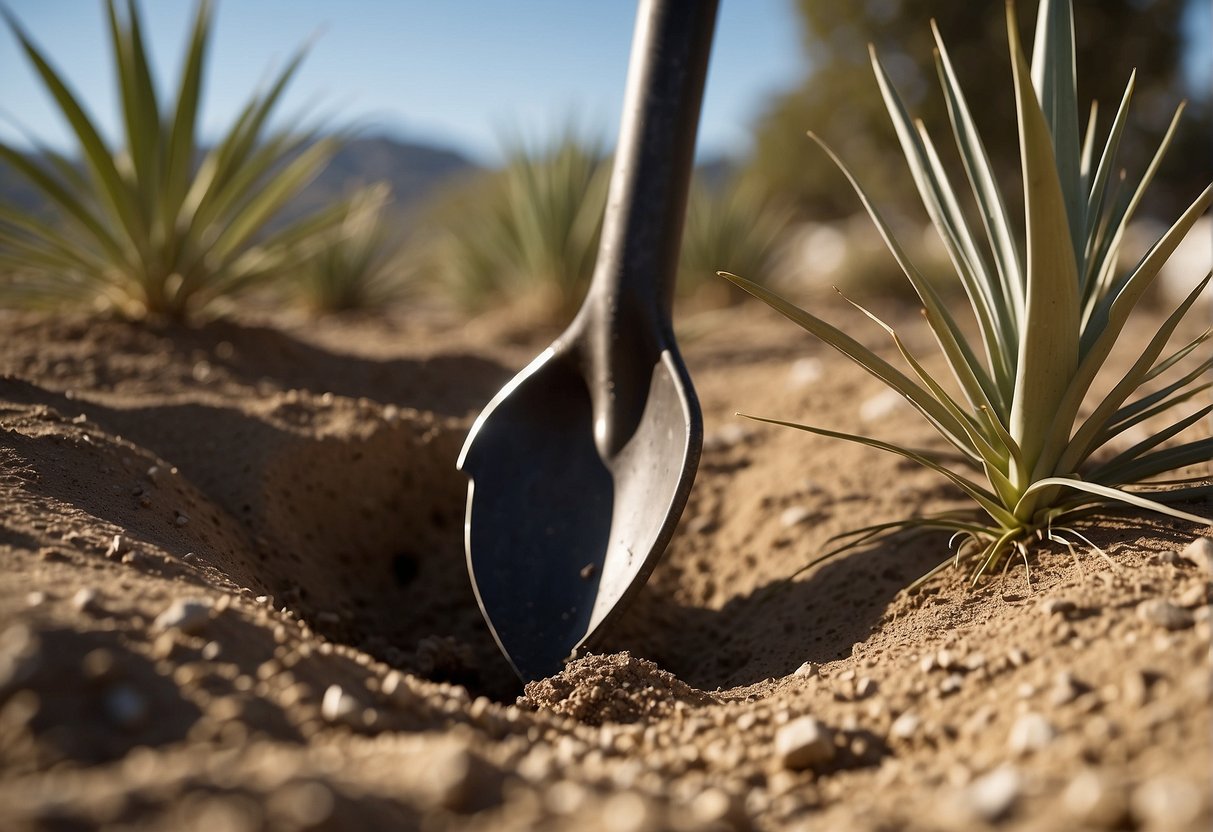
To transplant a yucca, start by choosing a new hole that is wider than the plant’s root system. Make sure to dig the hole deep enough so that the yucca’s roots can fit comfortably. Use a shovel to carefully dig up the plant, being careful not to damage the roots.
Once you have dug up the plant, gently remove any excess soil from the roots. If the roots are tightly packed, you can use a sharp tool to loosen them up. Place the yucca in the new hole, making sure that it is level with the surrounding soil. Fill in the hole with potting soil, firming the soil around the plant to remove any air pockets.
Post-Transplant Care
After transplanting your yucca, water the plant thoroughly to help it take root in its new location. Water regularly, but avoid overwatering, as this can lead to fungal diseases.
To help your yucca thrive in its new location, fertilize it with compost or a slow-release fertilizer. Apply a layer of organic mulch around the base of the plant to help retain moisture and suppress weeds.
In addition, prune any damaged or dead leaves with pruning shears, and wear gloves to protect your hands from the sharp leaves. Avoid leaving any air pockets around the roots, as this can lead to the plant drying out.
By following these gardening tips, you can successfully transplant your yucca and ensure its continued success in its new location.
Frequently Asked Questions
What is the best time of year to transplant yucca plants?
The best time to transplant yucca plants is during the spring or fall when the temperatures are mild. Avoid transplanting during the hot summer months or freezing winter months, as extreme temperatures can cause shock to the plant.
How do you transplant a yucca plant without causing shock?
To transplant a yucca plant without causing shock, it’s important to prepare the new planting location before digging up the plant. Make sure the soil is well-draining and has plenty of nutrients. When digging up the plant, try to keep as much of the root system intact as possible. After transplanting, water the plant thoroughly and avoid fertilizing for the first few weeks.
Can you replant a yucca plant after digging it up, and how?
Yes, you can replant a yucca plant after digging it up. When replanting, make sure to choose a location with well-draining soil and plenty of sunlight. Dig a hole slightly larger than the plant’s root system and backfill with soil, making sure to tamp down firmly. Water the plant thoroughly and avoid fertilizing for the first few weeks.
How should yucca cuttings be prepared for successful transplantation?
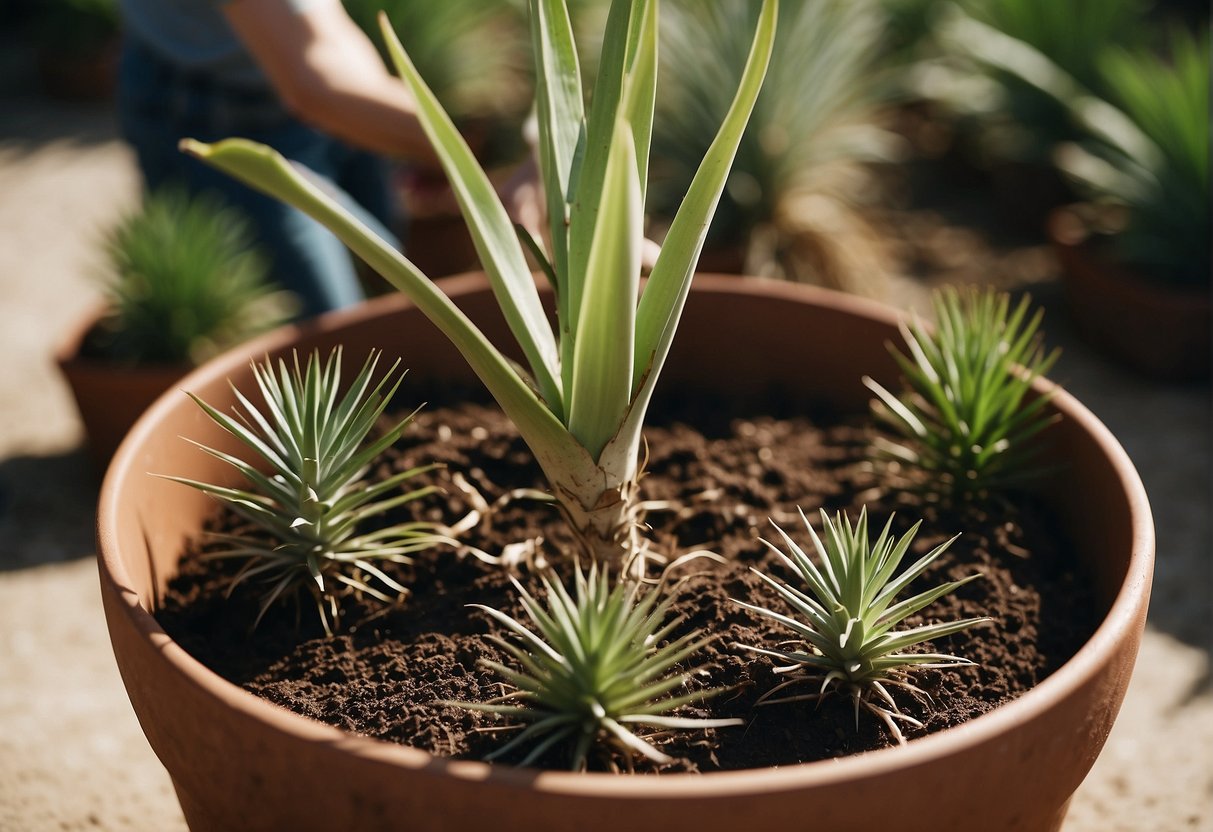
To prepare yucca cuttings for successful transplantation, make sure to use a clean, sharp knife to make the cut. Cuttings should be at least 4 inches long and have several leaves. Remove the lower leaves and let the cutting dry for a few days before planting in well-draining soil. Water sparingly until the cutting has established roots.
What are the signs that a yucca plant needs to be repotted?
Signs that a yucca plant needs to be repotted include roots growing out of the drainage holes, the plant becoming top-heavy, or the soil becoming compacted and unable to hold water. Repotting should be done every 2-3 years to ensure the plant has enough room to grow.
What considerations should be taken when dividing yucca plants?
When dividing yucca plants, make sure to use a clean, sharp knife to make the cuts. Each division should have several leaves and a healthy root system. Plant each division in well-draining soil and water thoroughly. Avoid fertilizing for the first few weeks to allow the plant to establish itself.
Hi Lovelies ! I made this blog to share my tips about Home Improvement, Children, Pets, Food, Gadgets, Automotive, Health & Beauty, and ways to be frugal while maintaining a natural lifestyle. Interested to be a Guest Blogger on my website? Please email me at: [email protected]