Home » Blog » How to Revive Yucca Plants: A Comprehensive Guide
How to Revive Yucca Plants: A Comprehensive Guide
December 31, 2024
For those with a passion for plants, the yucca plant likely needs no introduction. This favored indoor companion thrives with minimal attention, bringing a vibrant dash of green to all kinds of environments. Yet, even the hardiest plants can succumb to stress, leading to drooping or potentially death. In this guide, we explore the signs of distress in yucca plants and offer strategies to rejuvenate them.
Identifying Yucca Plant Stress
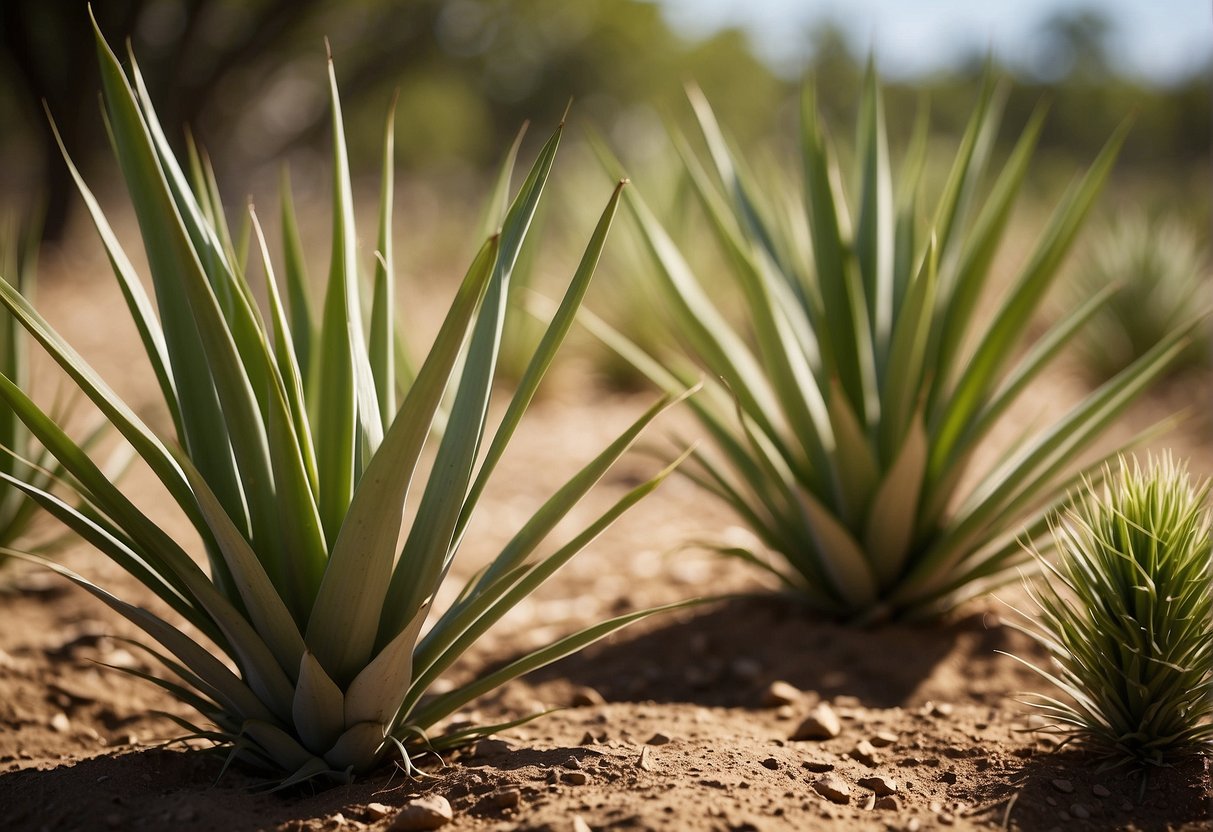
Yucca plants are hardy and can withstand a variety of conditions, but they still require proper care to thrive. Signs of stress in a yucca plant include yellowing or browning leaves, wilting, stunted growth, and a general lack of vitality. These symptoms can be caused by a variety of factors, including overwatering, underwatering, lack of light, pests, or disease.
Reviving a Yucca Plant
If your yucca plant is showing signs of stress, don’t worry – there are steps you can take to revive it. The first step is to identify the cause of the stress and address it accordingly. This may involve adjusting your watering schedule, moving the plant to a sunnier location, or treating it for pests or disease. You may also need to prune away any dead or damaged leaves to encourage new growth. With proper care and attention, your yucca plant can make a full recovery.
Key Takeaways
Yucca plants can experience stress due to a variety of factors, including overwatering, underwatering, lack of light, pests, or disease.
Signs of stress in a yucca plant include yellowing or browning leaves, wilting, stunted growth, and a general lack of vitality.
To revive a stressed yucca plant, identify the cause of the stress and address it accordingly, which may involve adjusting your watering schedule, moving the plant to a sunnier location, or treating it for pests or disease.
Identifying Yucca Plant Stress
Yucca plants are known for their hardiness and ability to thrive in harsh conditions, but even these tough plants can experience stress and deterioration. Identifying the signs of stress in your yucca plant is the first step in reviving it and restoring its health.
Recognizing Symptoms of Distress
The first sign of distress in a yucca plant is often drooping or wilting leaves. This can be caused by a variety of factors, including overwatering, underwatering, poor drainage, lack of sunlight, or pests. If the leaves are turning yellow or brown, this is another indication of stress.
Other symptoms of distress include root rot, fungal disease, and brown spots on the leaves. If you notice any of these symptoms, it is important to take action quickly to prevent further damage to the plant.
Common Causes of Yucca Plant Deterioration
There are several factors that can contribute to the deterioration of a yucca plant. Overwatering is one of the most common causes of yucca plant stress, as it can lead to root rot and other fungal diseases. Underwatering can also cause stress, as it can lead to wilting and yellowing of the leaves.
Poor drainage is another factor that can contribute to yucca plant stress. If the plant is not in well-drained soil or does not have adequate drainage holes, it can lead to waterlogged roots and root rot.
Other factors that can contribute to yucca plant stress include lack of sunlight, low humidity, and pests such as spider mites and mealybugs. It is important to monitor your yucca plant regularly and take action at the first sign of stress to prevent further deterioration.
By identifying the symptoms of distress and understanding the common causes of yucca plant deterioration, you can take steps to revive your plant and restore its health. With proper care and attention, your yucca plant can continue to thrive for years to come.
Reviving a Yucca Plant
If your yucca plant is looking a little lackluster, don’t worry. With a few simple adjustments to your care routine, you can revive your plant and get it thriving again. Here are some tips to help you get started:
Adjusting Watering Techniques
Overwatering is one of the most common reasons yucca plants struggle. To avoid this, make sure you’re only watering your plant when the top inch of soil is dry to the touch. It’s also important to use a well-draining soil mix and a container with drainage holes to prevent water from sitting in the soil.
Optimizing Light and Environmental Conditions
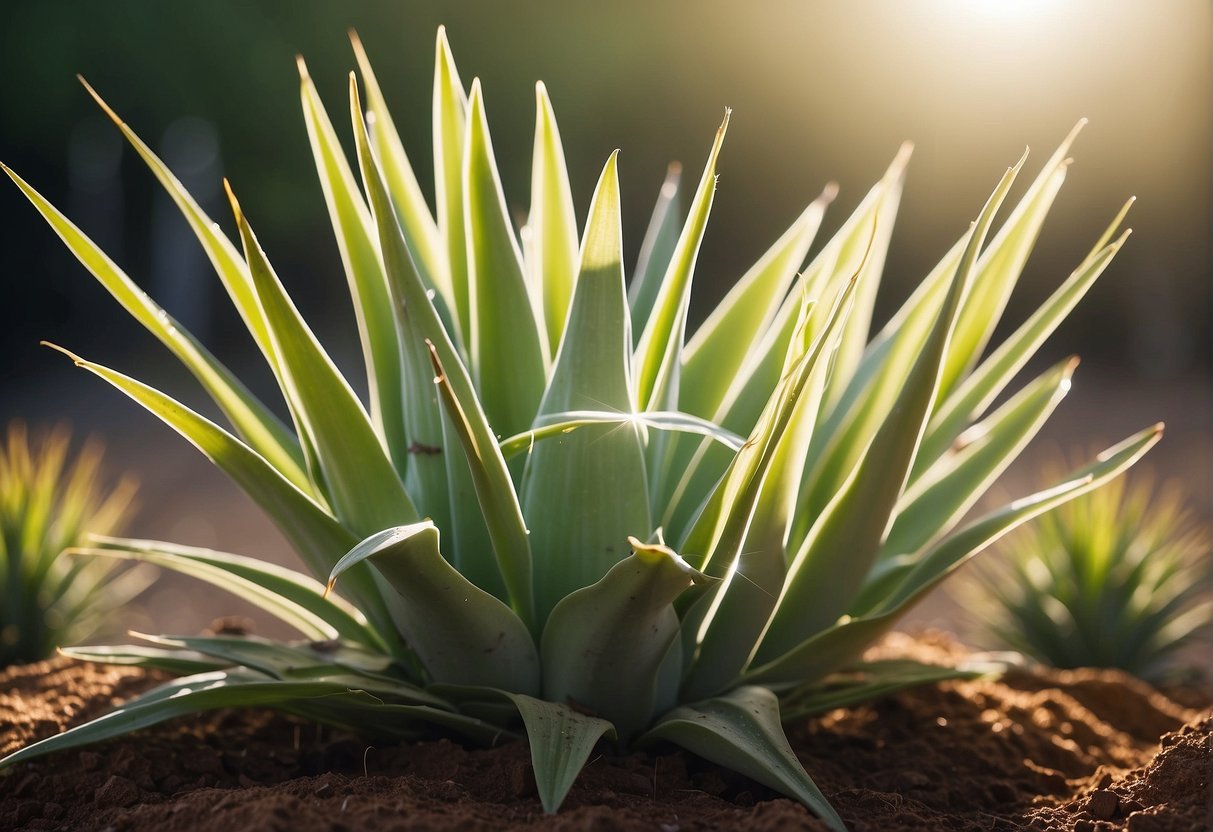
Yucca plants thrive in bright, direct sunlight, so make sure your plant is getting plenty of light each day. If your plant is in a low-light area, consider moving it to a sunnier spot. Additionally, yucca plants prefer dry, hot conditions, so avoid misting the leaves and keep the humidity low.
Repotting and Soil Management
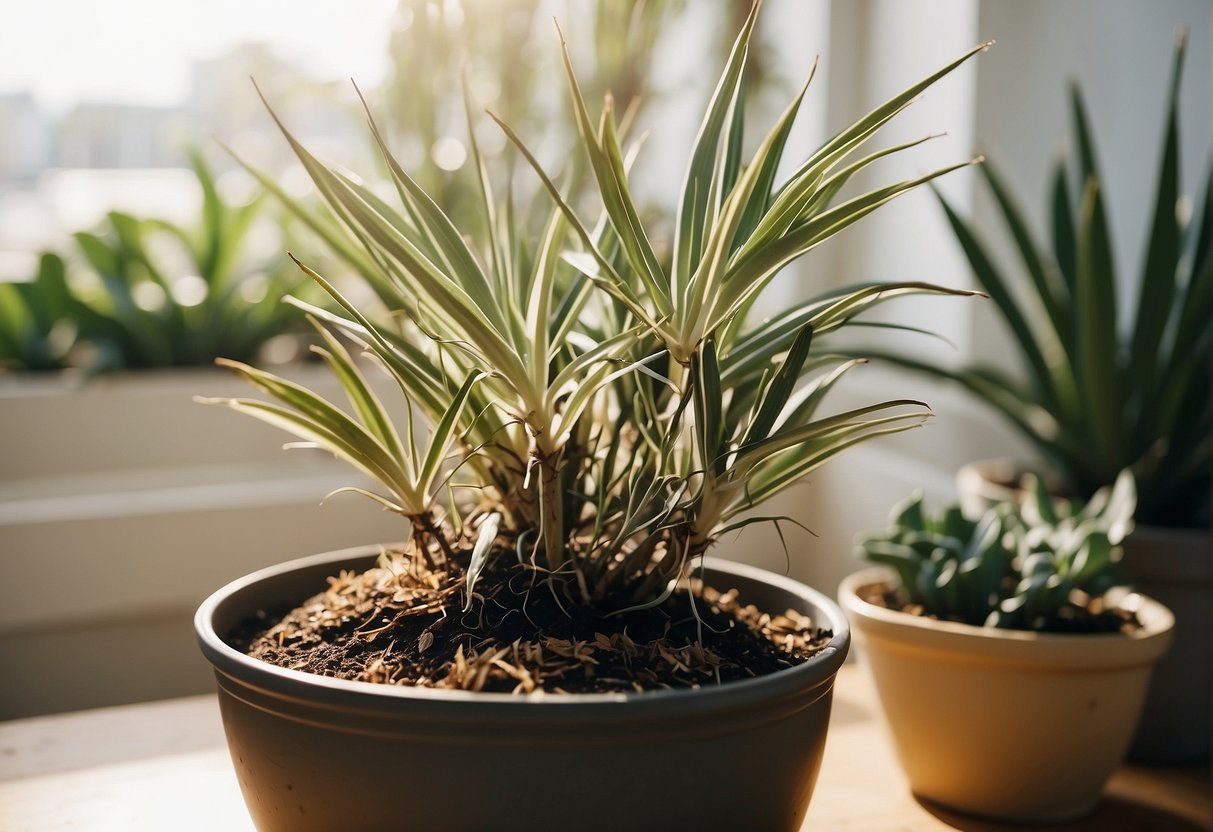
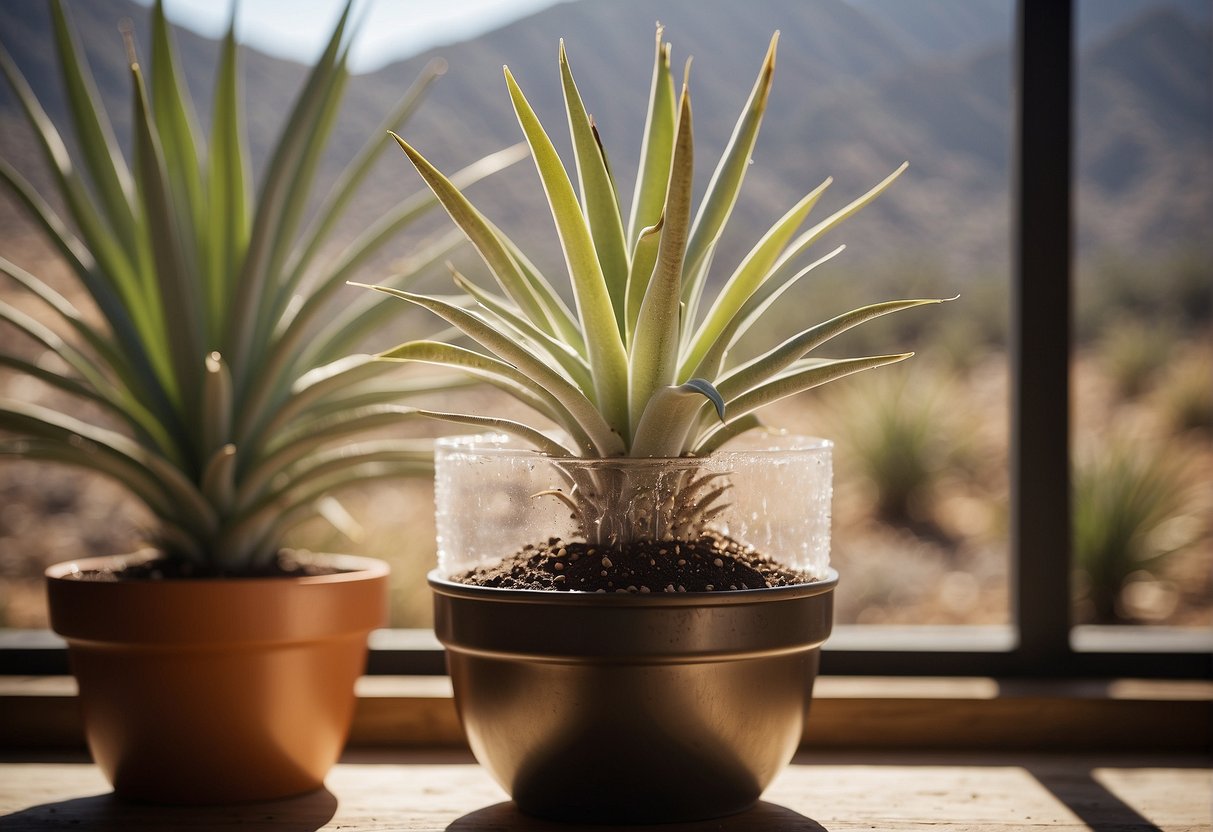
If your yucca plant is showing signs of root rot, it may be time to repot it. Choose a pot that’s only slightly larger than the current one, and use a gritty soil mix that will allow for good drainage. When repotting, make sure to remove any dead or rotting roots.
Disease Prevention and Treatment
Yucca plants are generally quite hardy, but they can be susceptible to scale and other pests. To prevent these issues, make sure your plant is getting enough light and air circulation. If you do notice pests on your plant, try using horticultural oil or neem oil to treat the problem.
By following these tips, you can help your yucca plant thrive and grow. Remember to monitor your plant’s watering, light, and environmental conditions regularly to ensure it stays healthy and happy.
Frequently Asked Questions
Why is my yucca plant’s leaves turning brown?
Brown leaves on a yucca plant can be caused by several factors, including overwatering, underwatering, and exposure to cold temperatures. To determine the cause, check the soil moisture level and make sure the plant is not in a drafty location. If the soil is too wet, reduce watering frequency, and if it’s too dry, increase it. If the plant is in a cold location, move it to a warmer spot.
How can I tell if my yucca plant is dying?
A dying yucca plant will have yellow or brown leaves that are limp and droopy. The stem may also be soft and mushy, indicating root rot. To save a dying yucca plant, remove it from its pot and inspect the roots. If they are brown and mushy, trim away the affected roots and repot the plant in fresh soil.
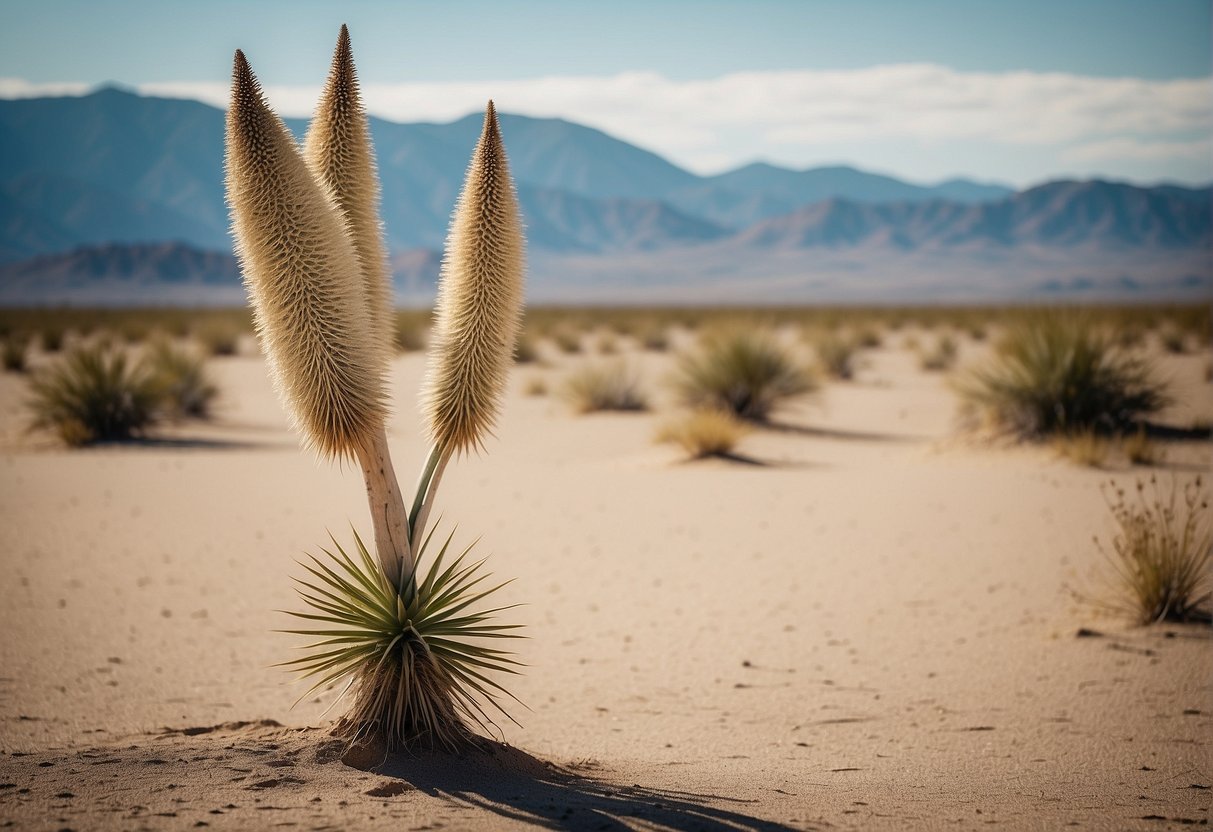
What are the common problems with outdoor yucca plants?
Outdoor yucca plants can be susceptible to pests such as mealybugs and spider mites, as well as diseases such as root rot and leaf spot. To prevent these problems, make sure the plant is in well-draining soil and not overwatered. Regularly inspect the plant for signs of pests or disease and treat as necessary.
How do you treat a yucca plant with brown leaves?
To treat a yucca plant with brown leaves, first determine the cause of the problem. If it’s due to overwatering, reduce watering frequency and make sure the soil is well-draining. If it’s due to underwatering, increase watering frequency and make sure the soil stays moist. If the leaves are brown due to pest or disease issues, treat the plant with an appropriate pesticide or fungicide.
Can a yucca plant recover from drooping, and how?
Yes, a drooping yucca plant can recover with proper care. First, make sure the plant is not underwatered or overwatered. If the soil moisture level is correct, check for pest or disease issues and treat as necessary. If the plant is still drooping, prune away any dead or damaged leaves and encourage new growth by fertilizing with a balanced fertilizer.
What steps should I take to encourage new leaf growth on my yucca?
To encourage new leaf growth on a yucca plant, make sure it’s in a bright location with indirect sunlight. Water the plant regularly and fertilize with a balanced fertilizer every two to four weeks during the growing season. Prune away any dead or damaged leaves to encourage new growth.
Hi Lovelies ! I made this blog to share my tips about Home Improvement, Children, Pets, Food, Gadgets, Automotive, Health & Beauty, and ways to be frugal while maintaining a natural lifestyle. Interested to be a Guest Blogger on my website? Please email me at: [email protected]