Home » Blog » What is Killing Yucca Plants: Common Causes and Solutions
What is Killing Yucca Plants: Common Causes and Solutions
December 29, 2024
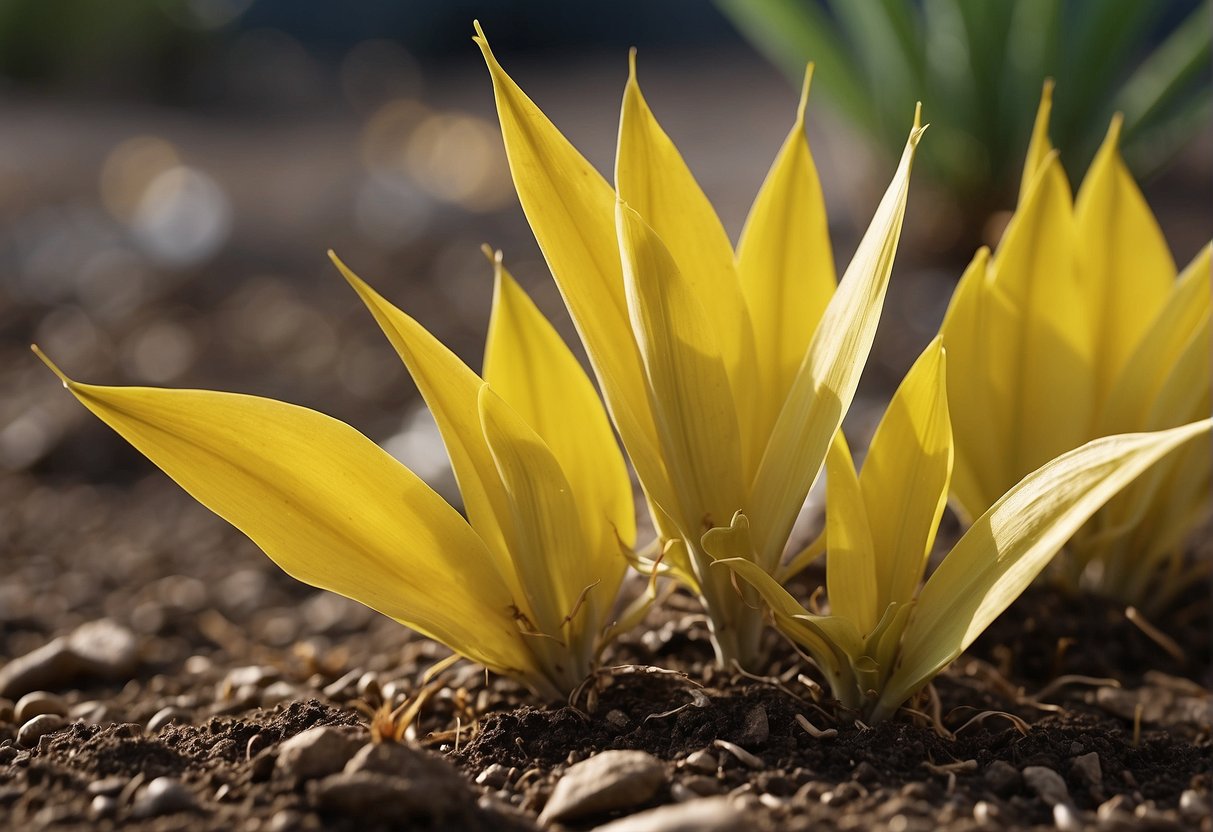
If you appreciate the beauty of desert terrains, chances are good that you know about the yucca plant. Recognized for their sharp, blade-like foliage and tall blooms, these resilient plants are frequently incorporated into xeriscaping and various sustainable gardening techniques. However, despite their toughness, yucca plants can succumb to diseases and various issues, leaving many who cultivate them questioning: what causes the demise of yucca plants?
Identifying the Problem can be a bit tricky, as there are a number of potential culprits. Some of the most common issues include fungal infections, insect infestations, overwatering, and nutrient deficiencies. Depending on the specific symptoms your yucca plant is exhibiting, you may need to take different steps to address the problem.
Effective Eradication Methods will vary depending on the underlying cause of the issue. In some cases, a simple adjustment to your watering or fertilization routine may be enough to nurse your yucca plant back to health. In other cases, you may need to use specialized treatments or even remove the plant entirely to prevent the spread of disease. By identifying the problem early and taking swift action, you can increase your chances of saving your yucca plant and keeping your garden healthy.
Key Takeaways
Identifying the problem is key to saving your yucca plant.
Effective eradication methods depend on the underlying cause of the issue.
Early action can increase your chances of success.
Identifying the Problem
If you have noticed that your yucca plant is struggling, it is important to identify the problem early on to prevent further damage. There are various factors that can contribute to the death of a yucca plant, including diseases, pests, and environmental stress factors.
Common Diseases and Pests
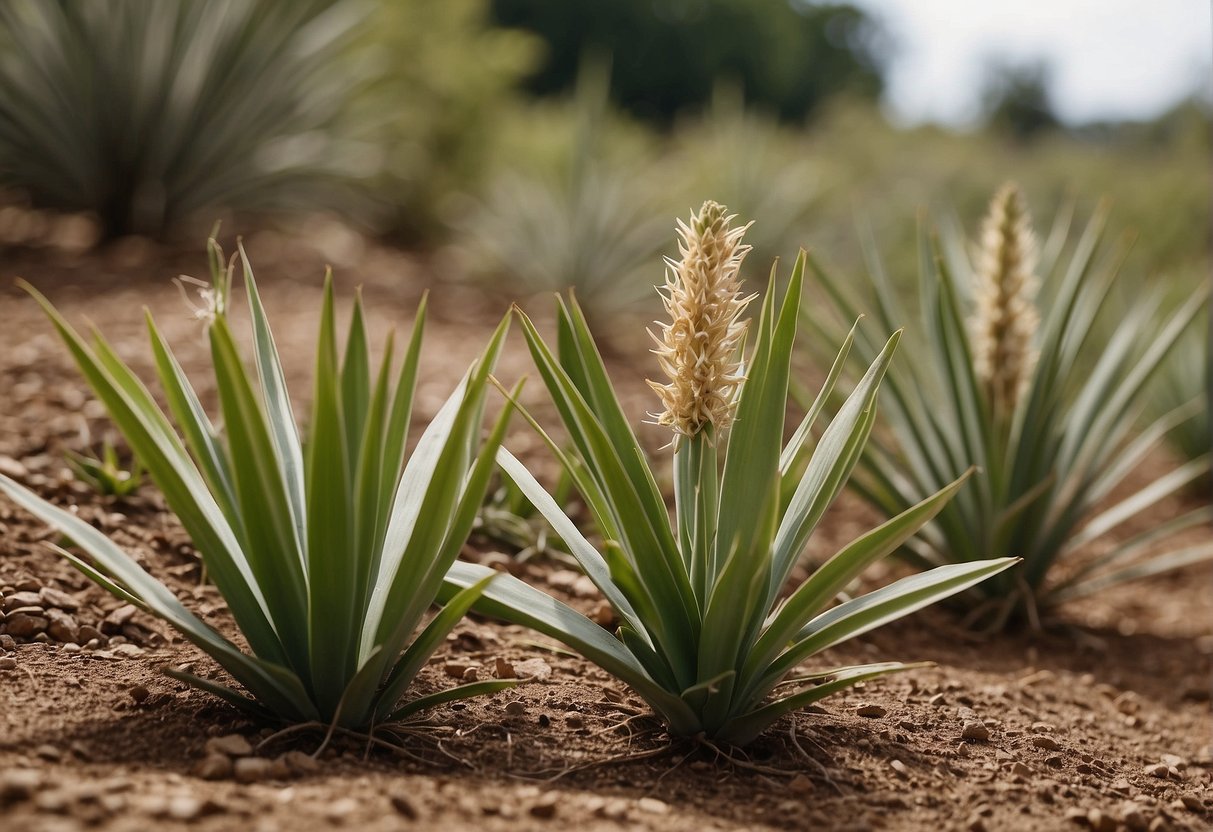
Yucca plants are generally hardy and resistant to diseases and pests. However, they can still be vulnerable to certain issues. One of the most common diseases that affect yucca plants is root rot, which is caused by overwatering. This disease can cause the roots to become mushy and black, and can eventually lead to the death of the plant.
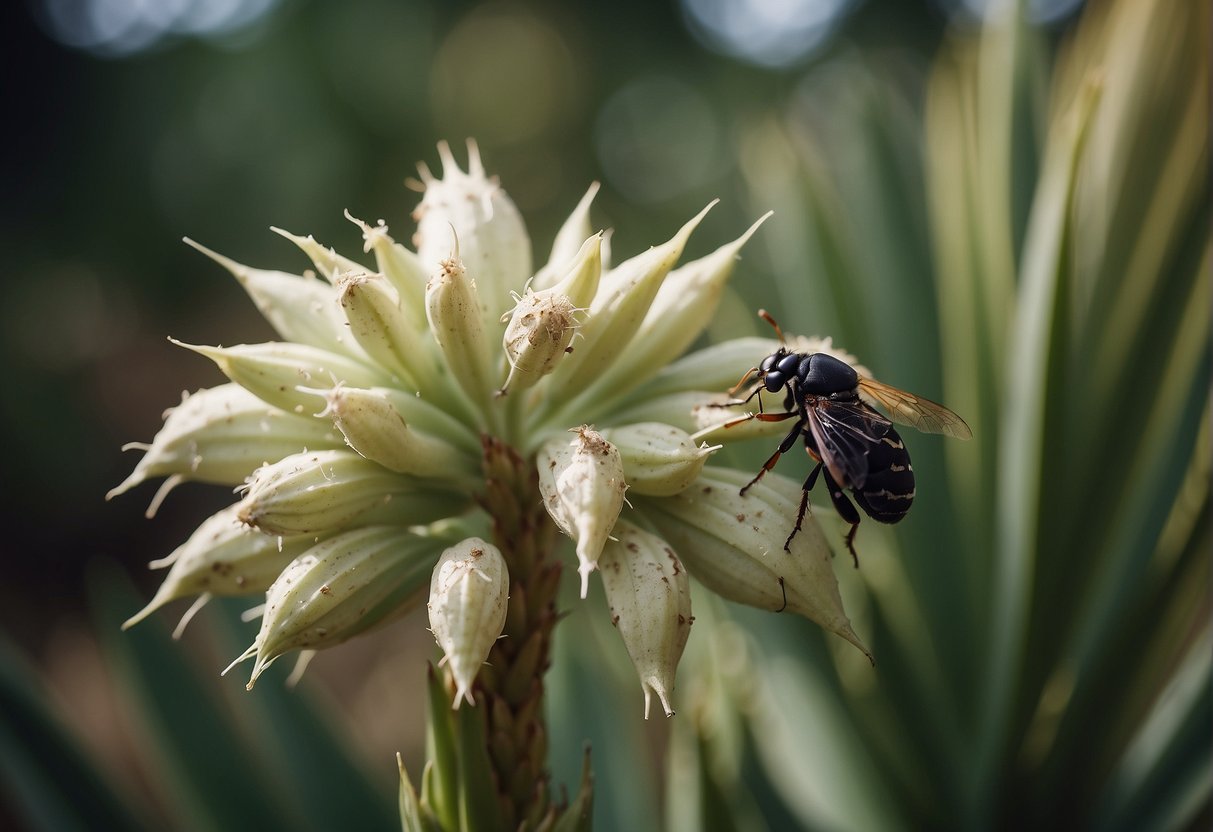
Another common issue that affects yucca plants is scale insects. These pests can be identified by small, raised bumps on the leaves and stems of the plant. They can cause yellowing and wilting of the leaves, and can eventually lead to the death of the plant if left untreated.
Environmental Stress Factors
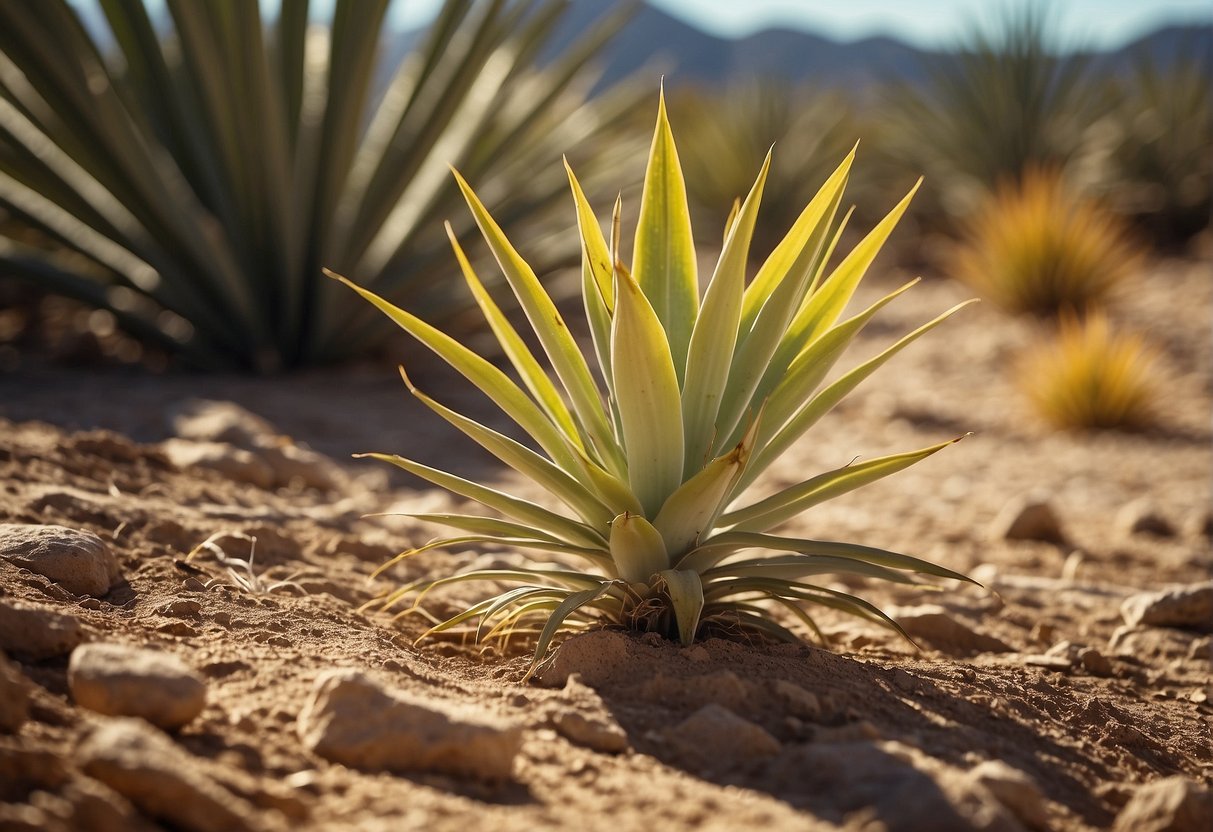
Yucca plants are known for being drought-tolerant and able to thrive in a variety of environments. However, they can still be affected by environmental stress factors such as too much or too little water, sunlight, and soil quality.
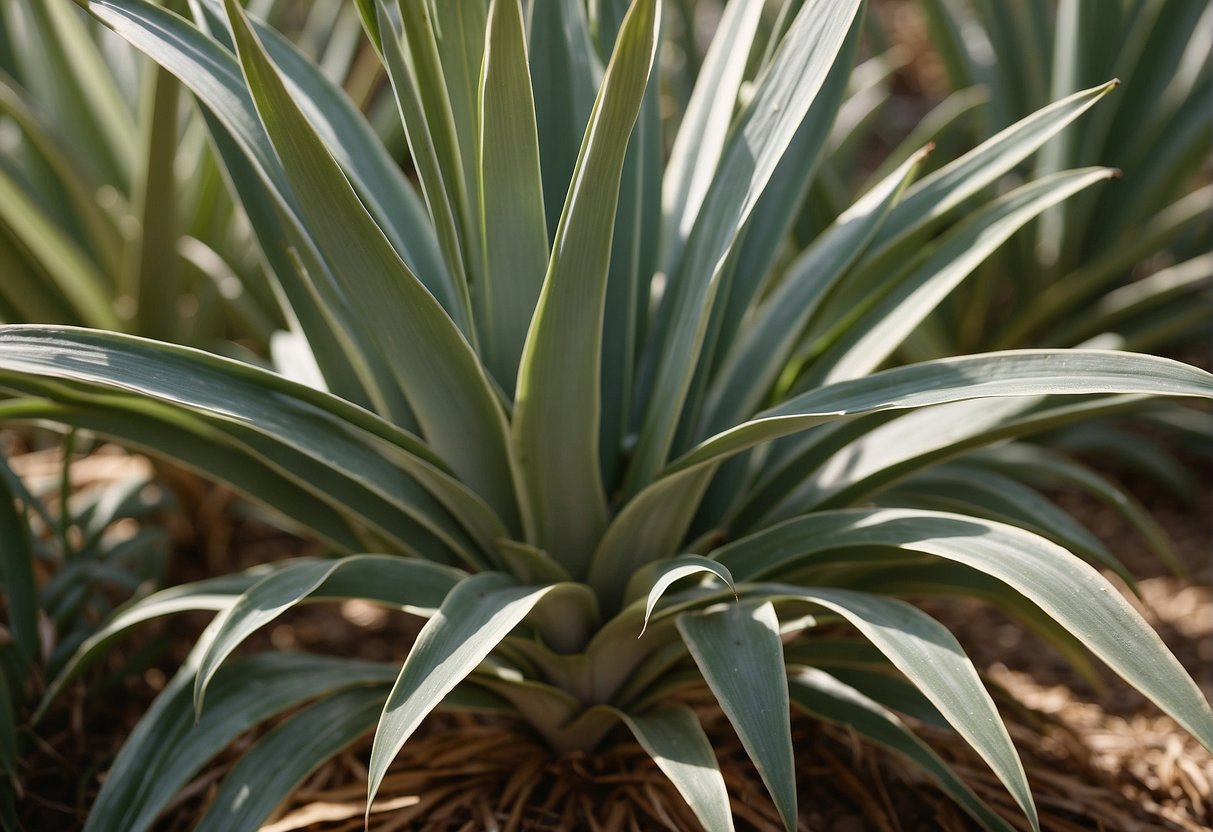
If your yucca plant is not receiving enough water, the leaves may become wilted and yellow. On the other hand, if your plant is receiving too much water, the leaves may become mushy and black. Yucca plants also require plenty of sunlight, so if your plant is not receiving enough light, the leaves may become pale and droopy.
Lastly, yucca plants require well-draining soil to prevent root rot. If the soil is too compacted or does not drain well, it can cause the roots to become waterlogged and lead to the death of the plant.
By identifying the specific issue affecting your yucca plant, you can take steps to address the problem and help your plant thrive.
Effective Eradication Methods
There are several effective methods for eradicating yucca plants. Here are some of the most commonly used methods:
Chemical Control Strategies
Chemical control strategies involve the use of herbicides to kill the yucca plants. Glyphosate and triclopyr are two herbicides that are commonly used for this purpose. These herbicides are sprayed directly on the plant or applied to the soil around the plant. They work by killing the root system of the plant, which eventually causes the plant to die.
It is important to note that herbicides can be harmful to other plants and animals in the area. It is important to follow the instructions on the label carefully and use the herbicide only as directed. You should also wear protective clothing and avoid spraying on windy days to prevent the herbicide from drifting to other areas.
Physical Removal Techniques
Physical removal techniques involve physically removing the yucca plant from the ground. This can be done by digging up the root system or cutting down the plant and removing the stump. It is important to remove as much of the root system as possible to prevent the plant from regrowing.
One effective method for physical removal is to use a combination of mulch, cardboard, and plastic sheeting. First, cut down the yucca plant and remove the stump. Then, cover the area with a layer of mulch. Next, place a layer of cardboard over the mulch. Finally, cover the cardboard with a layer of plastic sheeting. This will suffocate the root system of the plant and prevent it from regrowing.
Natural and Preventive Measures
Preventive measures can be taken to prevent yucca plants from growing in the first place. One effective method is to plant other plants that are more desirable in the area. This will prevent the yucca plant from taking root and growing.
Another natural method for preventing yucca plants from growing is to use vinegar. Vinegar is a natural herbicide that can be sprayed directly on the plant to kill it. It is important to note that vinegar can also be harmful to other plants in the area, so it should be used with caution.
In conclusion, there are several effective methods for eradicating yucca plants. Whether you choose to use chemical control strategies, physical removal techniques, or natural and preventive measures, it is important to follow the instructions carefully and use the method that is best suited for your situation.
Frequently Asked Questions
Why are the leaves on my yucca plant turning brown?
Brown leaves on a yucca plant can be a sign of several issues. One common cause is overwatering, which can lead to root rot. Another cause could be underwatering, as yucca plants prefer well-draining soil and can suffer from drought stress. Additionally, exposure to cold temperatures or direct sunlight can cause leaf discoloration. It’s important to identify the underlying cause and address it promptly to prevent further damage to your plant.
Can overwatering cause yucca plants to die?
Yes, overwatering is a common cause of yucca plant death. Yucca plants prefer well-draining soil and can suffer from root rot if they are consistently overwatered. Signs of overwatering include yellowing leaves, soft and mushy stems, and a foul odor coming from the soil. To prevent overwatering, make sure your yucca plant is in a pot with proper drainage and only water it when the top inch of soil feels dry to the touch.
What are the common pests that affect yucca plants?
Yucca plants can be affected by several pests, including spider mites, mealybugs, and scale insects. These pests can cause yellowing and wilting of leaves, stunted growth, and a sticky residue on the plant. To prevent pest infestations, regularly inspect your yucca plant for signs of pests and promptly treat any infestations with an appropriate insecticide.
How can I tell if my yucca plant has root rot?
Signs of root rot in a yucca plant include yellowing leaves, soft and mushy stems, and a foul odor coming from the soil. Additionally, the plant may appear wilted and may not respond to watering. To confirm the presence of root rot, gently remove the plant from its pot and inspect the roots for discoloration and decay.
What are the signs of nutrient deficiency in yucca plants?
Nutrient deficiencies in yucca plants can manifest as yellowing or browning of leaves, stunted growth, and poor overall health. Common nutrient deficiencies include nitrogen, phosphorus, and potassium. To address nutrient deficiencies, fertilize your yucca plant with a balanced fertilizer according to the manufacturer’s instructions.
How do environmental factors like temperature and sunlight affect yucca plant health?
Yucca plants prefer bright, indirect sunlight and can suffer from leaf burn if exposed to direct sunlight. They also prefer warm temperatures and can be damaged by exposure to cold temperatures or frost. To ensure optimal yucca plant health, keep your plant in a location with bright, indirect sunlight and maintain a temperature between 60-80°F (15-27°C).
Hi Lovelies ! I made this blog to share my tips about Home Improvement, Children, Pets, Food, Gadgets, Automotive, Health & Beauty, and ways to be frugal while maintaining a natural lifestyle. Interested to be a Guest Blogger on my website? Please email me at: [email protected]