Home » Blog » What is American Beautyberry? A Comprehensive Guide
What is American Beautyberry? A Comprehensive Guide
December 27, 2024
If you have a passion for the outdoors, you’re likely acquainted with the American beautyberry. This indigenous bush is famed for its striking aesthetics and healing virtues. Known scientifically as Callicarpa Americana, it is a member of the mint family. This deciduous bush thrives in the southeastern regions of the United States, extending from Texas all the way to Florida.
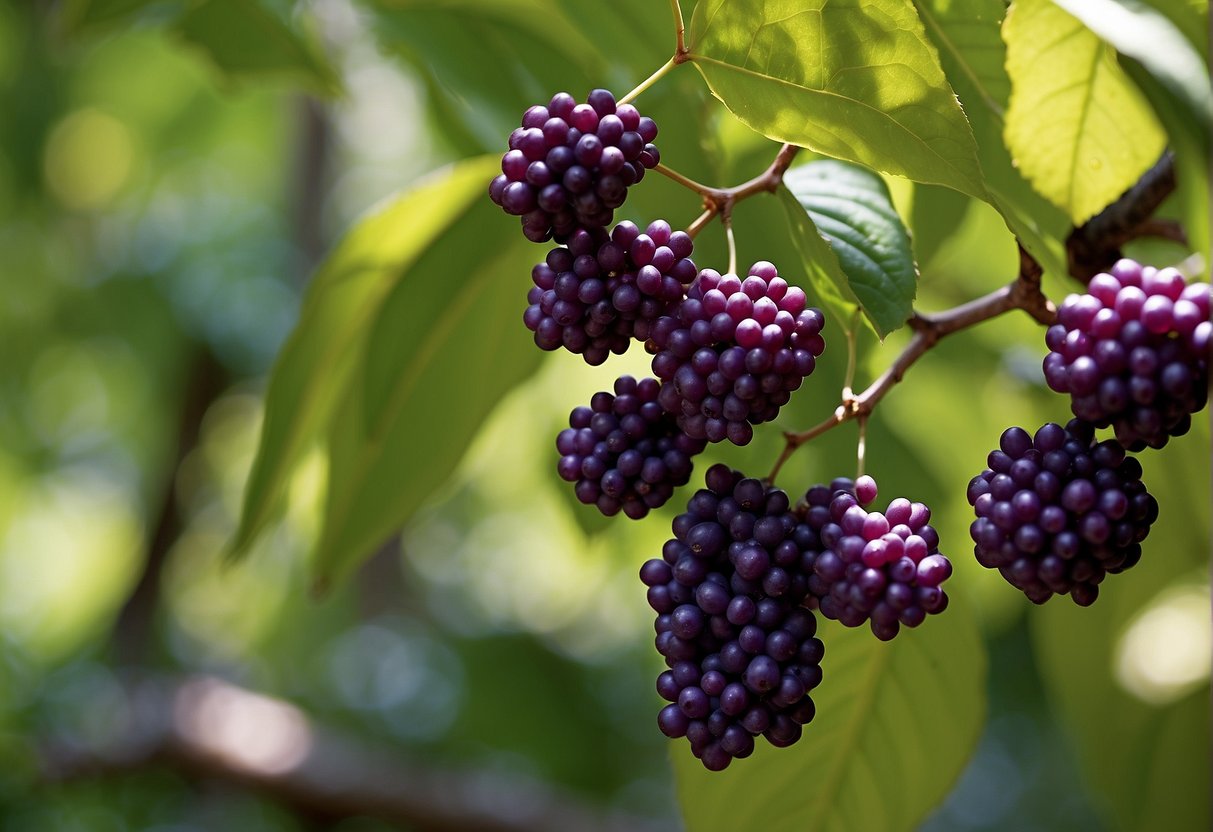
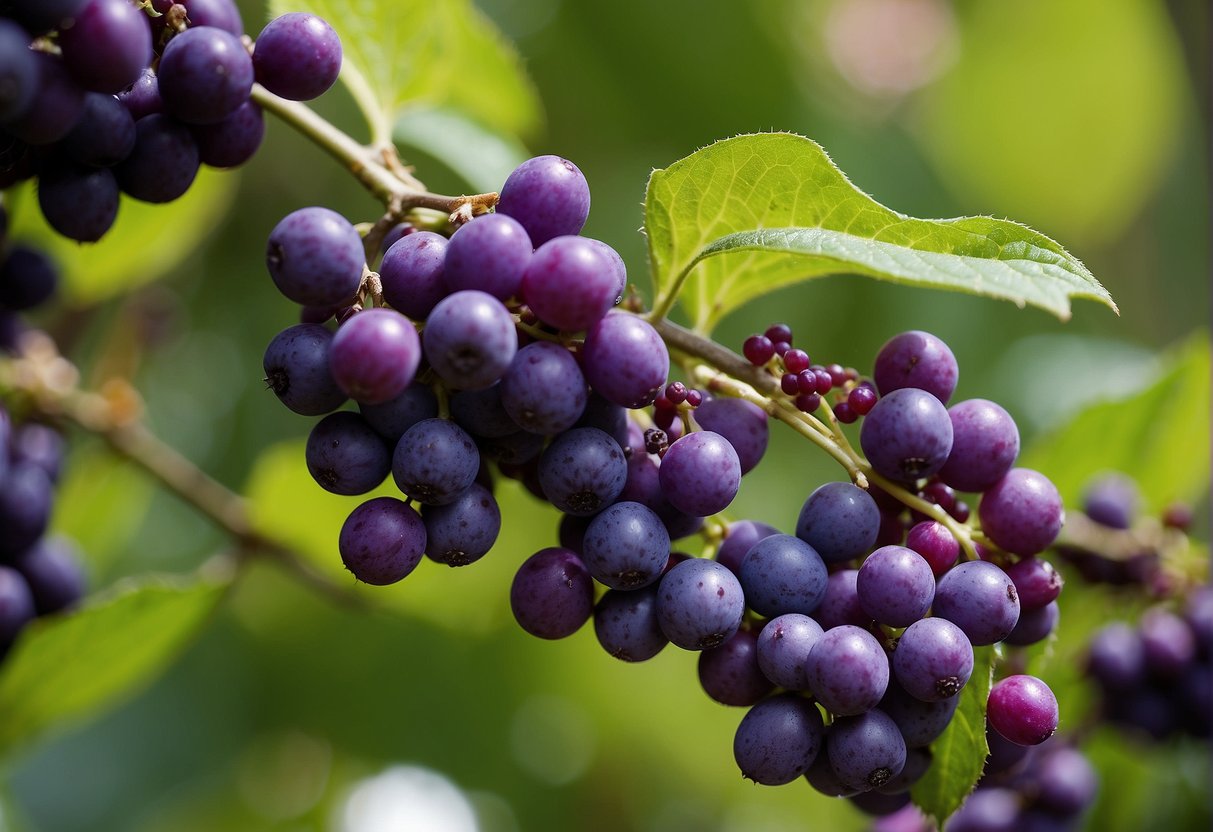
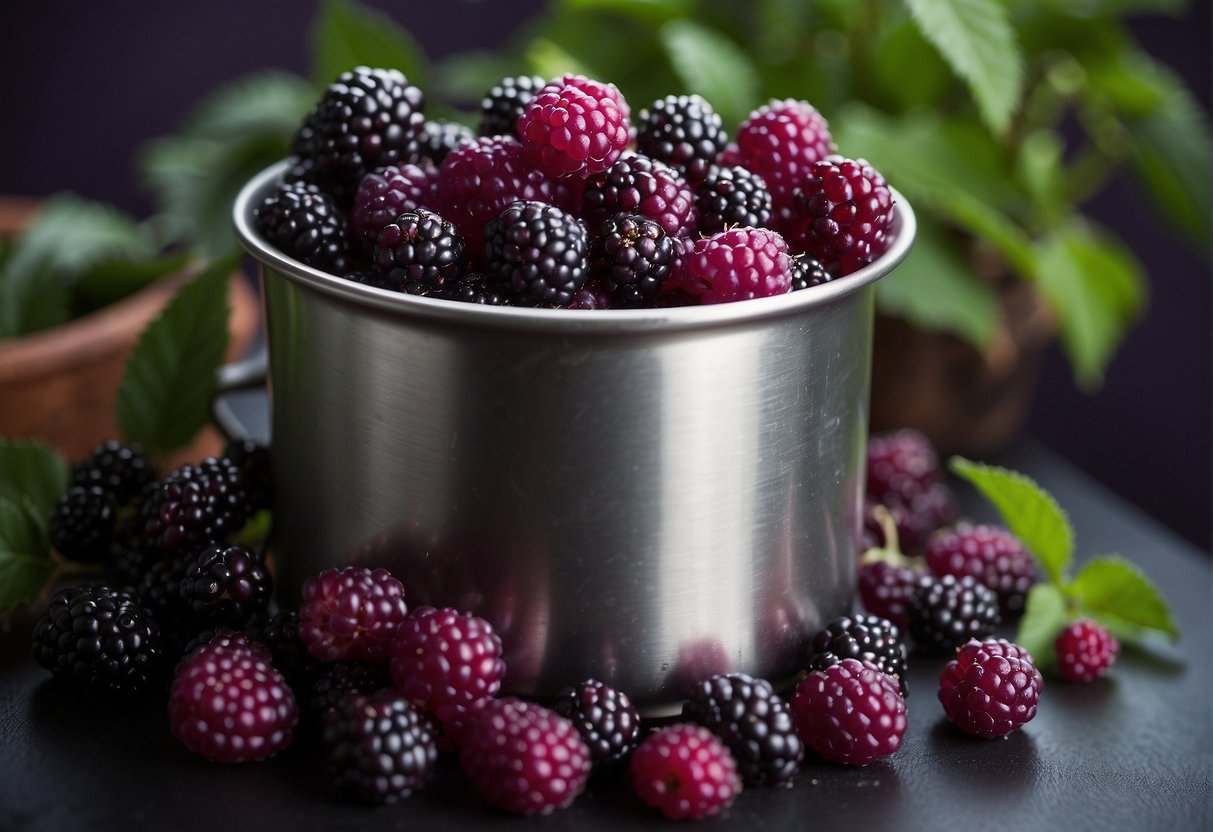
The American beautyberry is a versatile plant that can be grown in various conditions. It thrives in moist, well-drained soil and partial shade, making it an ideal addition to gardens and landscapes. The plant can grow up to 8 feet tall and wide, with green leaves that turn yellow in the fall. However, it’s the clusters of bright purple berries that make this shrub stand out. The berries are produced in late summer and fall and can persist into winter. They are not only visually appealing but also provide food for wildlife and have medicinal properties.
Botanical Profile and Habitat
Species Overview
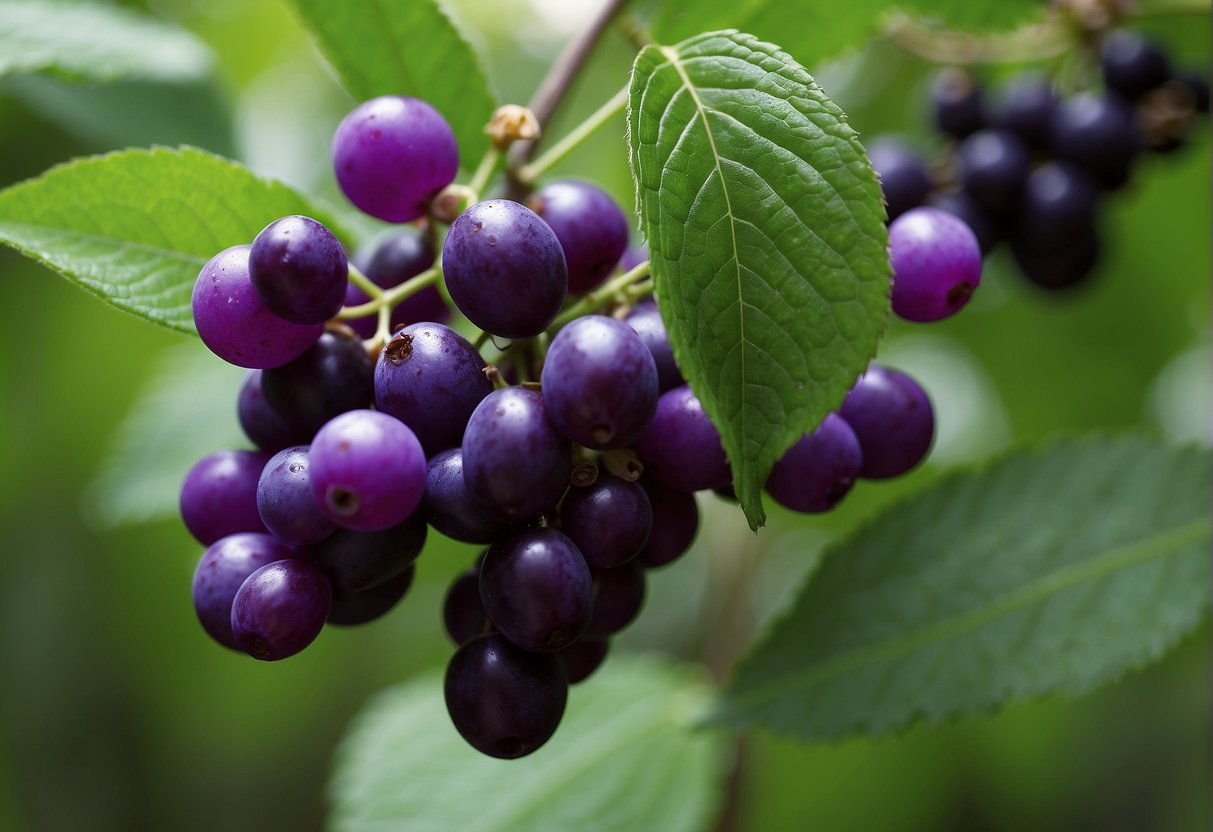
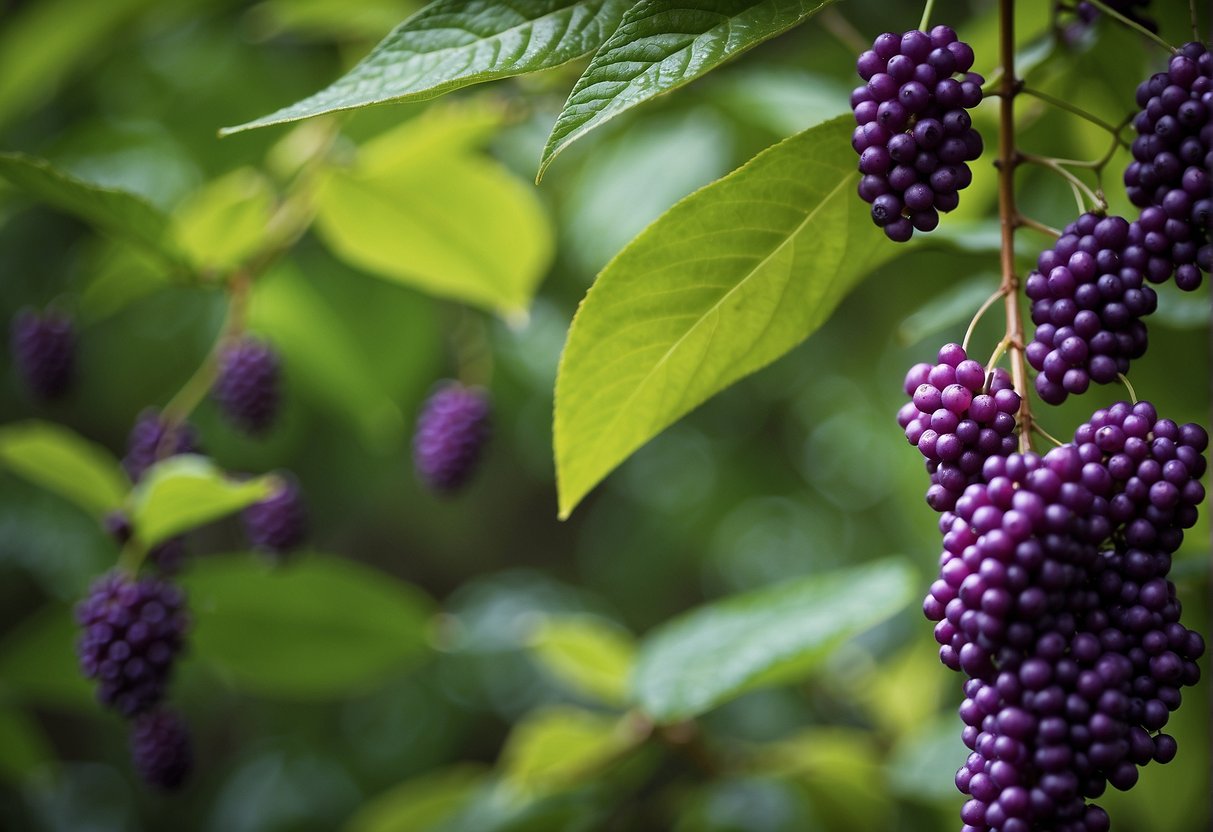
American beautyberry (Callicarpa americana) is a deciduous shrub that belongs to the Lamiaceae family. This plant is known for its striking purple berries that grow in clusters along the stem. The leaves of the American beautyberry are simple, opposite, and have a bright green color. The plant can grow up to 6 feet tall and wide, and it has a rounded shape.
Native Range and Habitat
American beautyberry is native to the southeastern United States, including Florida, Georgia, Alabama, Mississippi, Louisiana, and Texas. It is also found in Cuba. The plant thrives in full sun or partial shade and prefers well-drained soil. It can grow in a variety of soil types, including clay soil, and can tolerate a range of soil pH levels.
American beautyberry is commonly found in woodlands, thickets, and along the edges of forests. It is also a popular landscape plant due to its attractive berries and foliage. The plant provides food and shelter for a variety of wildlife, including birds, deer, and small mammals.
In summary, American beautyberry is a native shrub that grows in the southeastern United States and Cuba. It prefers full sun or partial shade and well-drained soil, but can tolerate a range of soil types and pH levels. The plant is known for its striking purple berries and is commonly found in woodlands and along forest edges.
Cultivation and Uses
Growth and Planting
American beautyberry (Callicarpa americana) is a deciduous shrub that can grow up to 6 feet tall and wide. It is native to the southeastern United States, including Florida, Texas, and Mexico. Beautyberry prefers well-draining soil with organic matter and can tolerate drought conditions. It thrives in part shade but can also grow in full sun. The shrub produces light green leaves and arching branches that bloom in late summer to early fall, with magenta flowers that attract bees and butterflies. The flowers are followed by clusters of small, purple or white berries that ripen in September and October.
Pruning and Maintenance
Beautyberry is a low-maintenance shrub that requires little pruning. However, if you want to shape the plant or remove dead or diseased wood, it is best to prune it in late winter or early spring before new growth appears. You can also cut the shrub back to the ground every few years to rejuvenate it. Beautyberry is generally disease and pest-resistant, but it can develop leaf spots and black mold in humid conditions.
Propagation Methods
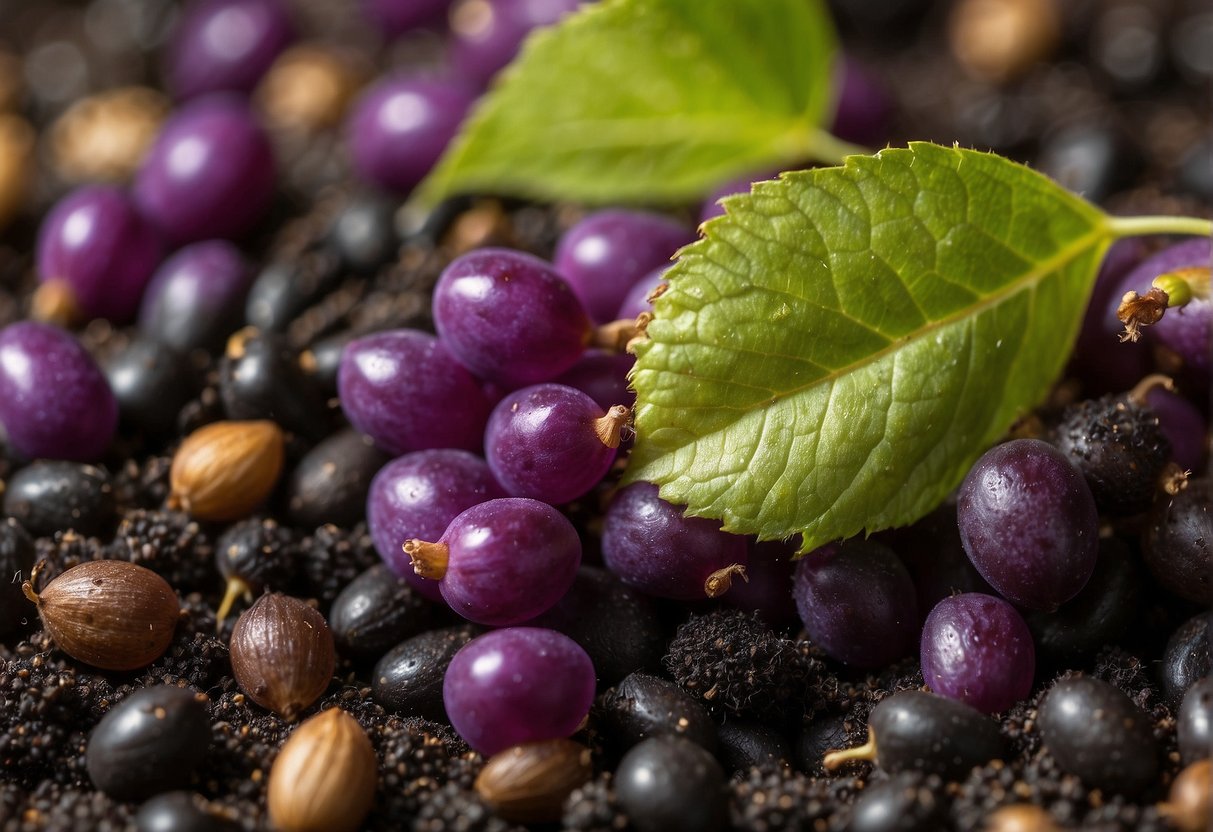
Beautyberry can be propagated from seeds or softwood cuttings taken in the summer. To propagate from cuttings, take a 4- to 6-inch cutting from the current year’s growth, remove the leaves from the bottom half, dip the cut end in rooting hormone, and plant it in well-draining soil. Keep the soil moist and in a warm, bright location until roots form.
Landscape and Ornamental Value
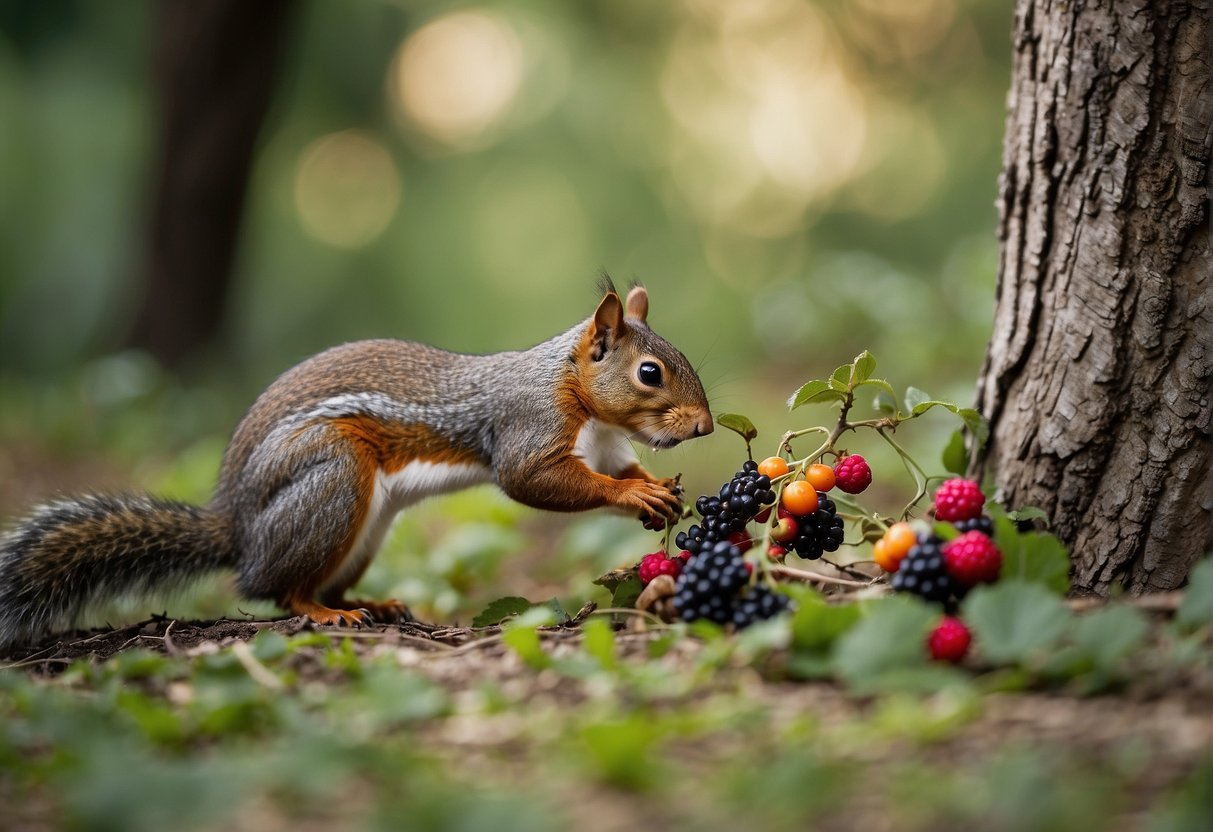
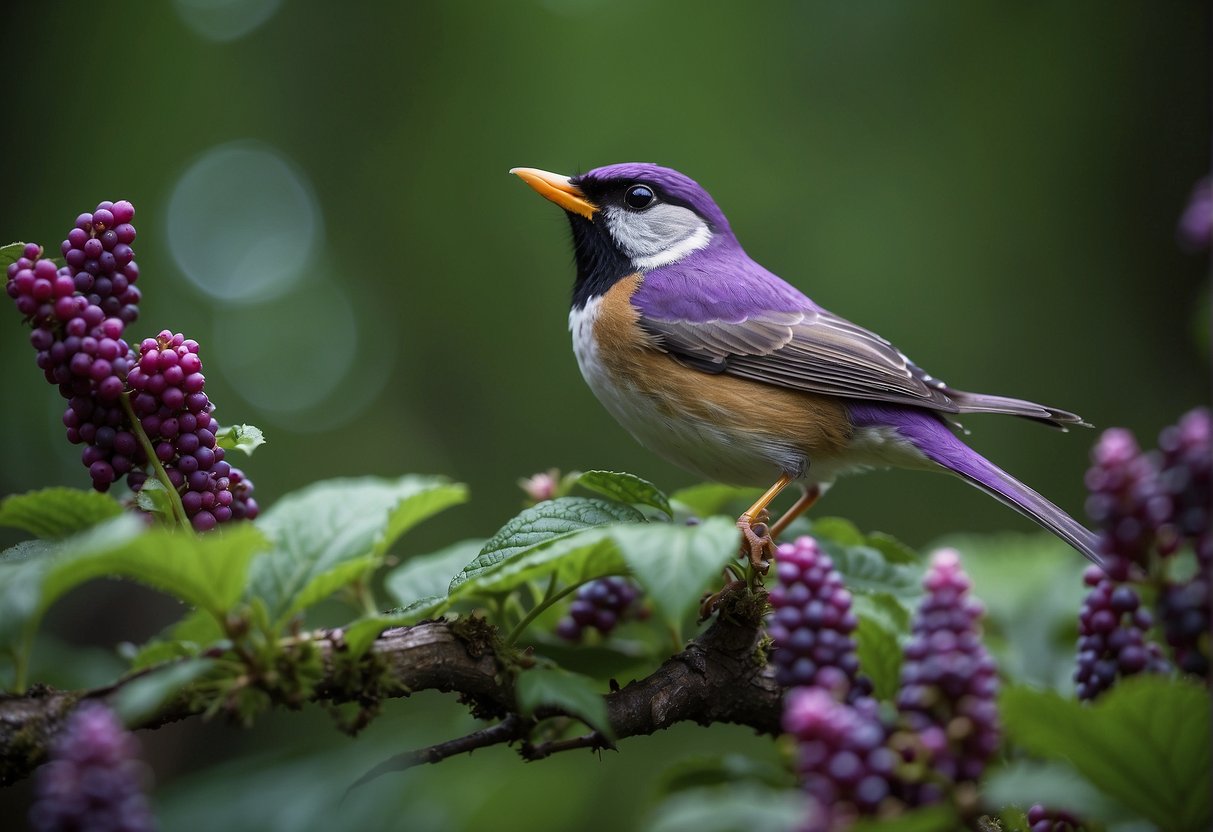
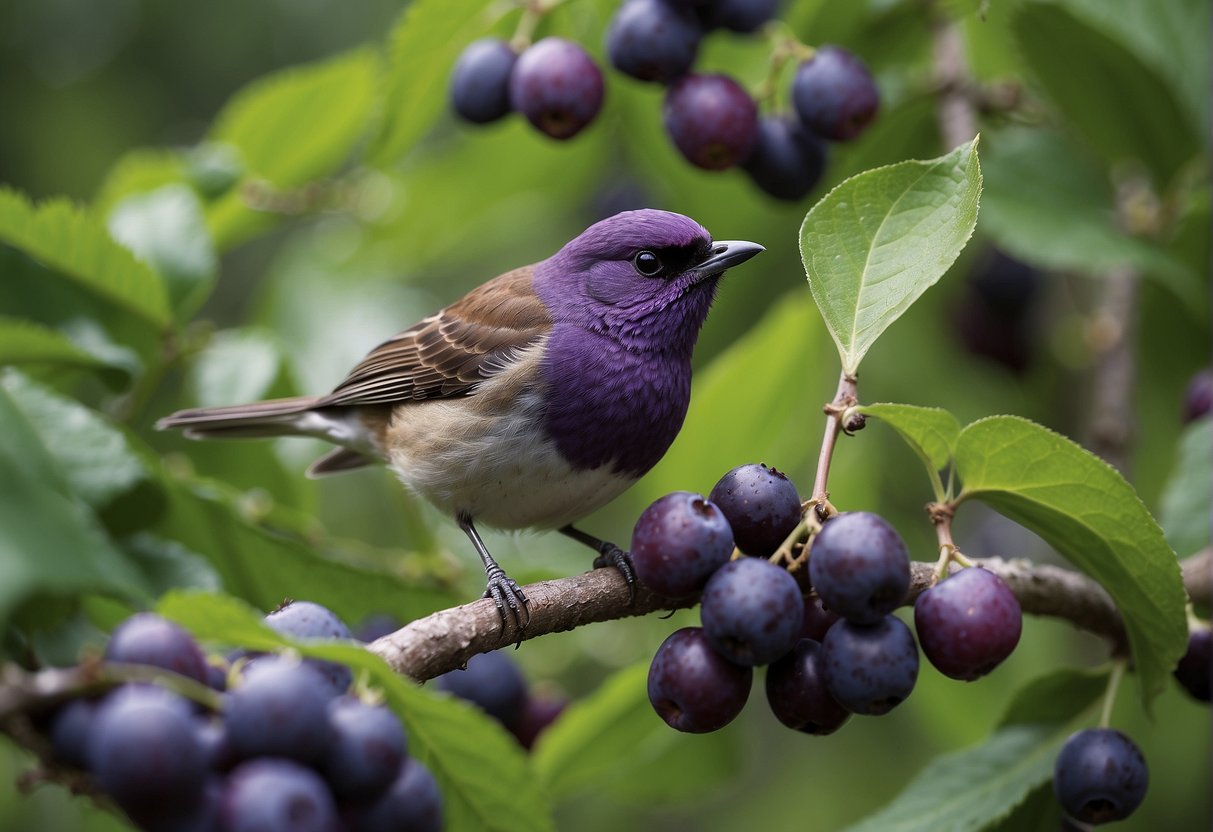
Beautyberry is an ornamental shrub that is often used in mass plantings or as a specimen plant. Its arching branches and purple berries provide fall interest in the landscape. The shrub also serves as a food source for birds, including mockingbirds, finches, and American robins, as well as small mammals like squirrels, armadillos, foxes, and raccoons. The plant’s leaves and branches can be used to cover and protect plants from deer. Beautyberry is also known for its potential as a natural mosquito repellent due to its chemical compounds.
In conclusion, American beautyberry is a versatile and hardy shrub that adds ornamental and ecological value to gardens and landscapes. Its purple or white fruit, fall color, and arching branches make it a popular choice for mass plantings and specimen plants, while its role as a food source and cover for wildlife adds to its ecological importance. With its low-maintenance and drought-tolerant qualities, beautyberry is a great addition to any garden or landscape in hardiness zones 6 to 10.
Frequently Asked Questions
Can humans safely consume American beautyberry fruits?
While the fruits of American beautyberry are not considered toxic, they are not typically consumed by humans due to their astringent and bitter taste. Some people have reported gastrointestinal discomfort after consuming the fruits. It is always recommended to consult with a healthcare professional before consuming any unfamiliar plant or fruit.
What are the primary uses of American beautyberry?
American beautyberry is primarily used as an ornamental plant due to its attractive purple berries. The leaves of the plant have also been used in traditional medicine to treat various ailments, such as fever, rheumatism, and insect bites.
Is the American beautyberry considered an invasive species?
American beautyberry is not considered an invasive species, but it can spread quickly in certain environments. It is important to monitor the growth of the plant and control its spread if necessary.
How can one identify an American beautyberry plant?
American beautyberry is a deciduous shrub that can grow up to 6 feet tall and wide. It has simple, opposite leaves that are 2-6 inches long and serrated along the edges. The plant produces clusters of small, pink or white flowers in the summer, followed by bright purple berries in the fall.
What are the ideal growing conditions for American beautyberry?
American beautyberry prefers moist, well-drained soil and partial shade to full sun. It is tolerant of a range of soil types and can grow in both acidic and alkaline soils. The plant is native to the southeastern United States and is adapted to hot and humid climates.
Does American beautyberry have any medicinal properties?
American beautyberry has been used in traditional medicine to treat various ailments, but there is limited scientific evidence to support its medicinal properties. Some studies have suggested that the plant may have anti-inflammatory and antioxidant effects, but more research is needed to confirm these findings. It is always recommended to consult with a healthcare professional before using any plant for medicinal purposes.
Hi Lovelies ! I made this blog to share my tips about Home Improvement, Children, Pets, Food, Gadgets, Automotive, Health & Beauty, and ways to be frugal while maintaining a natural lifestyle. Interested to be a Guest Blogger on my website? Please email me at: [email protected]