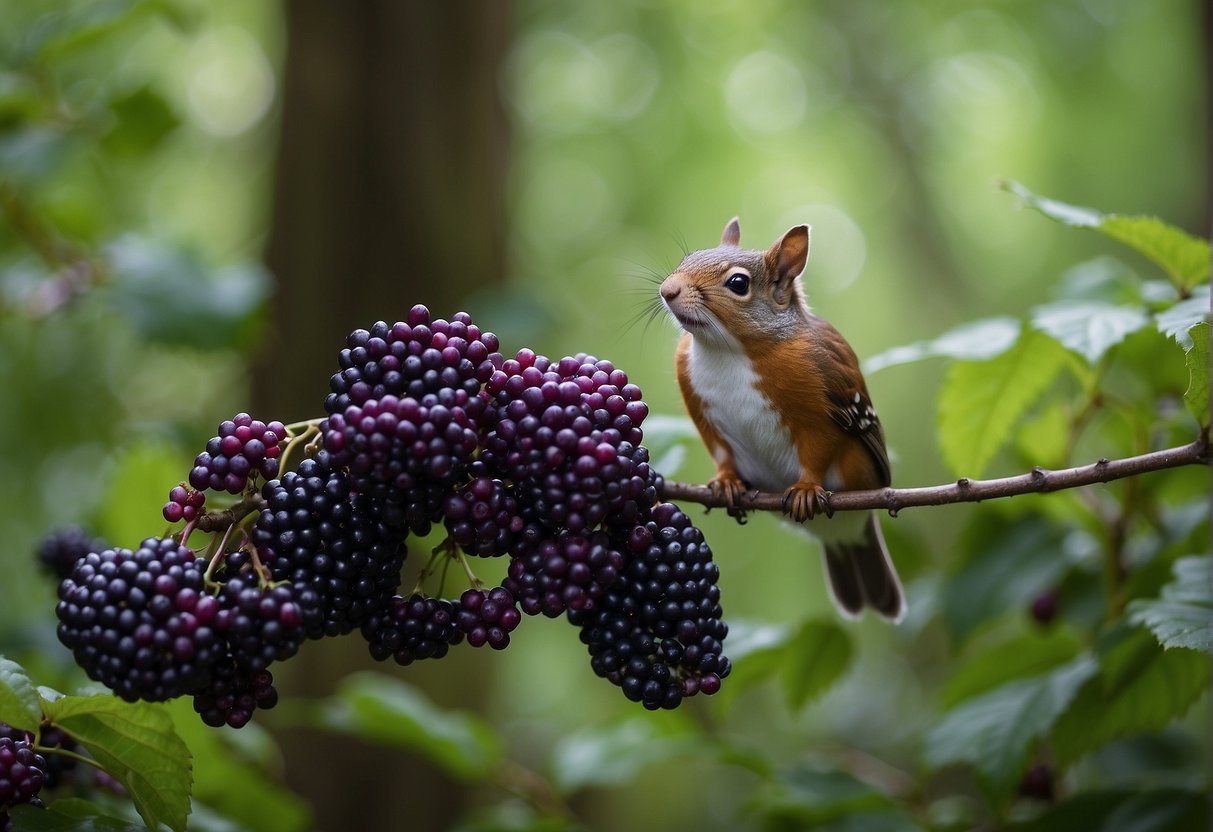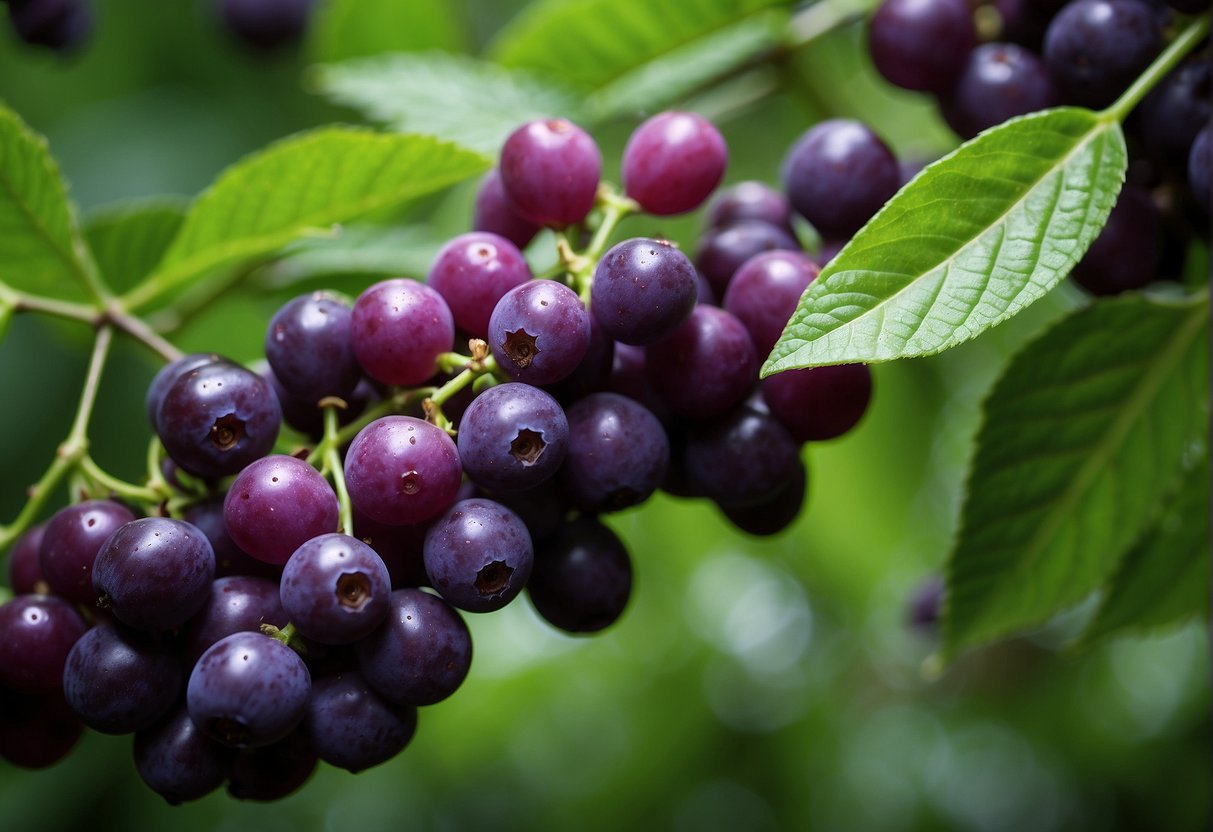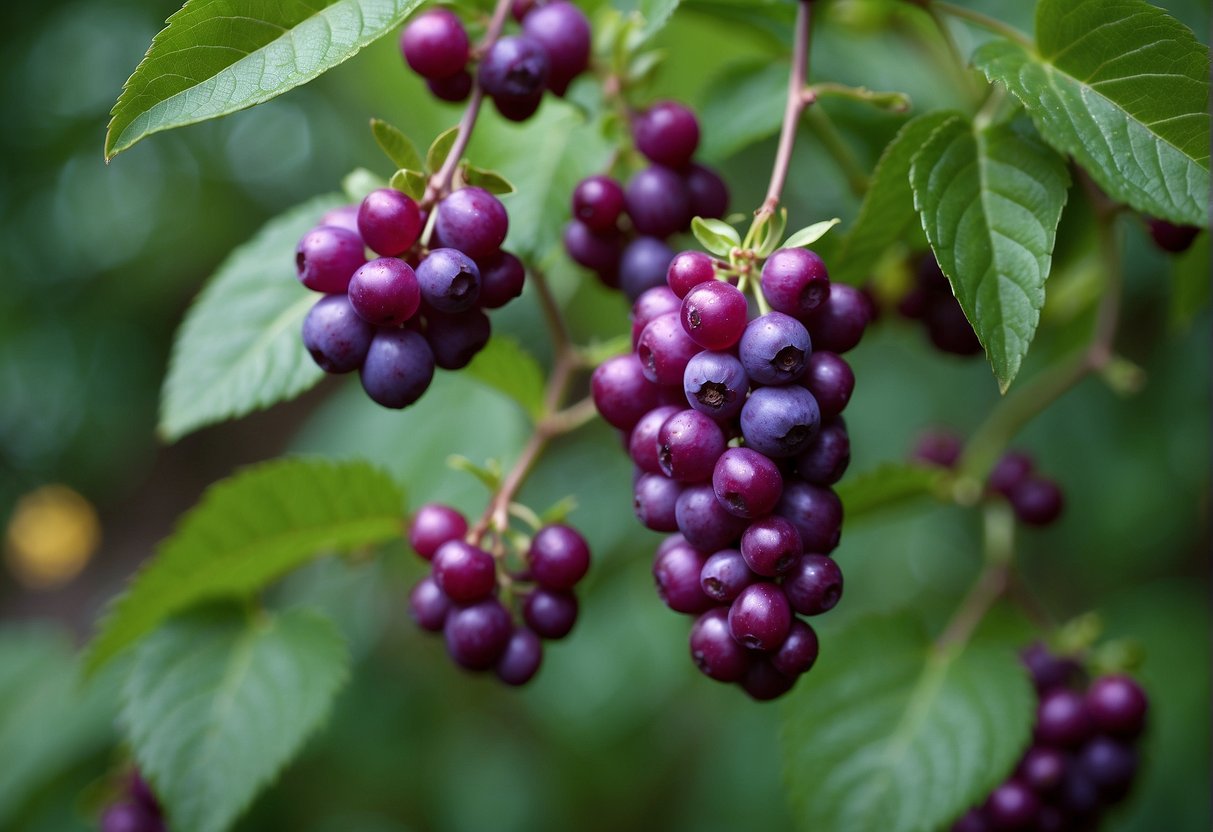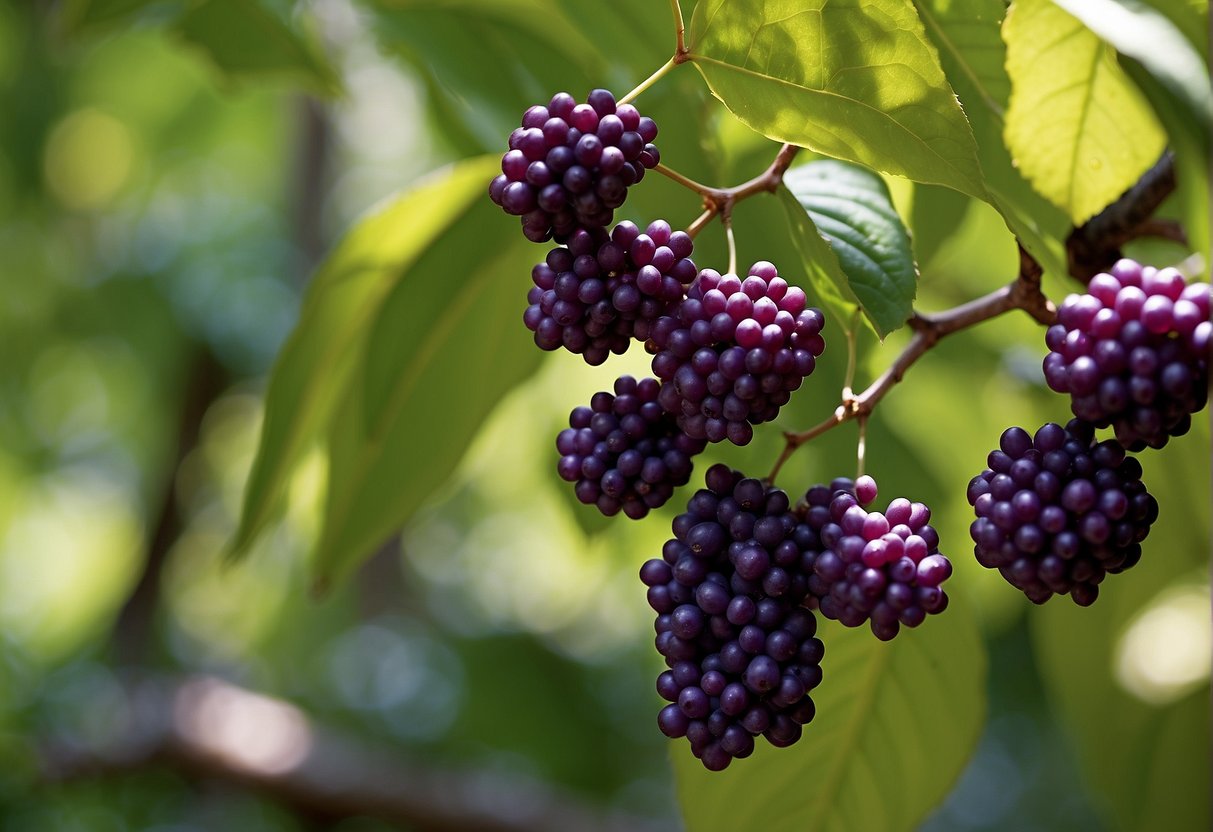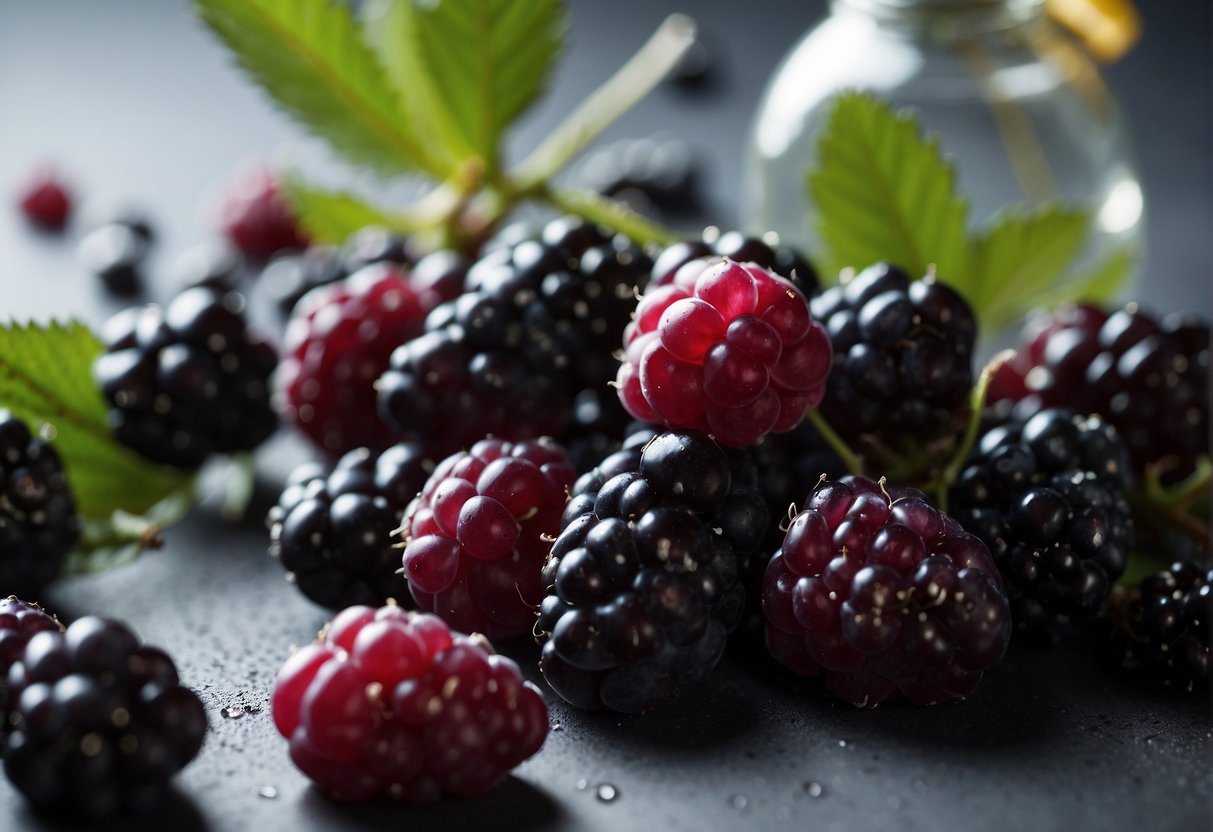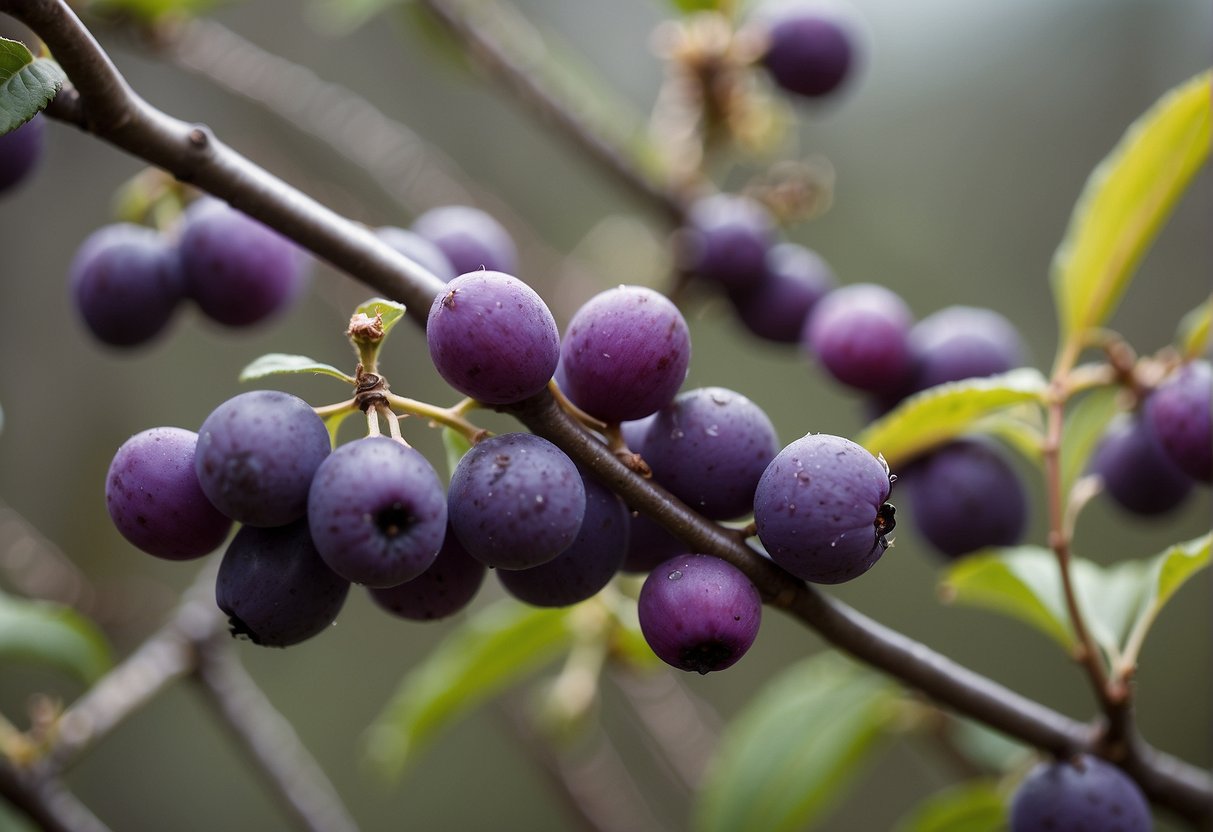

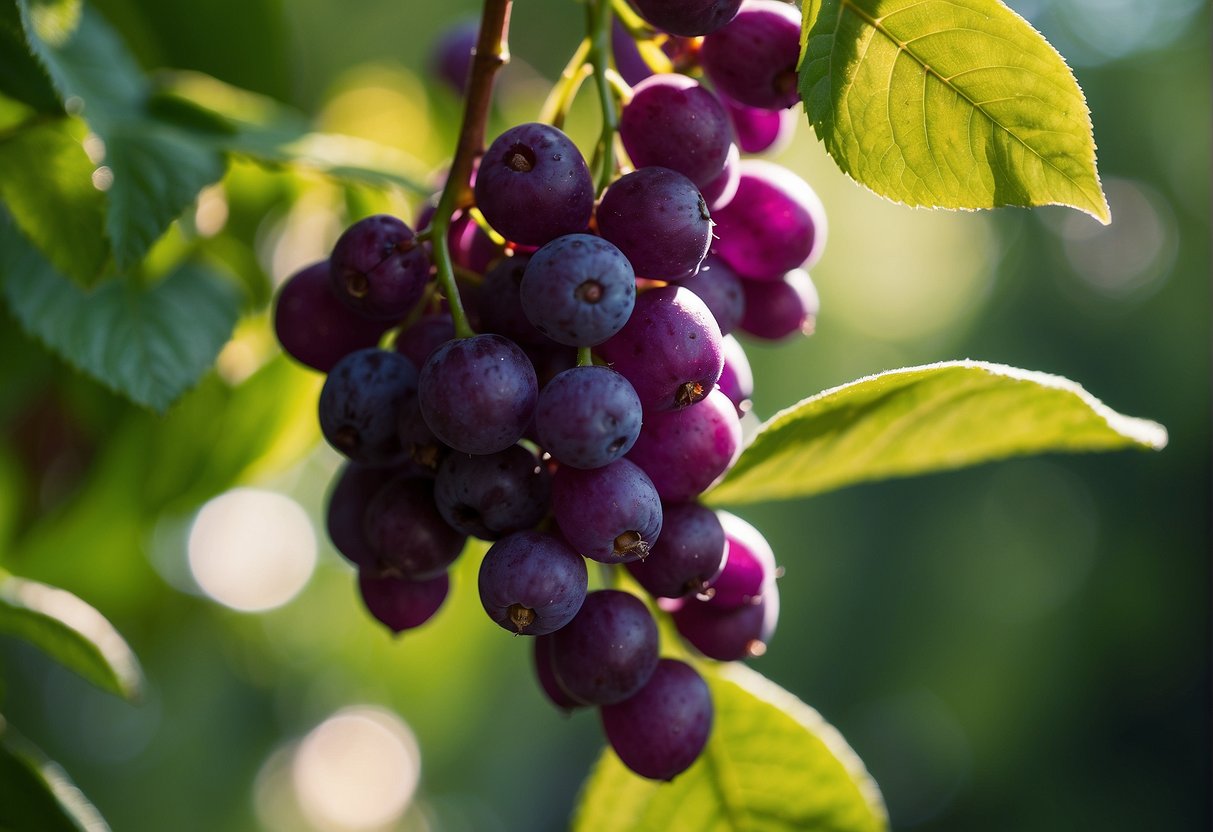
If gardening catches your interest or you just enjoy the wonders of the natural world, you’ve likely stumbled upon the term “beautyberry” at some point. What is a beautyberry, though? Essentially, it’s a shrub noted for its vibrant purple berries. Yet, the allure of this plant extends far beyond its visual appeal.
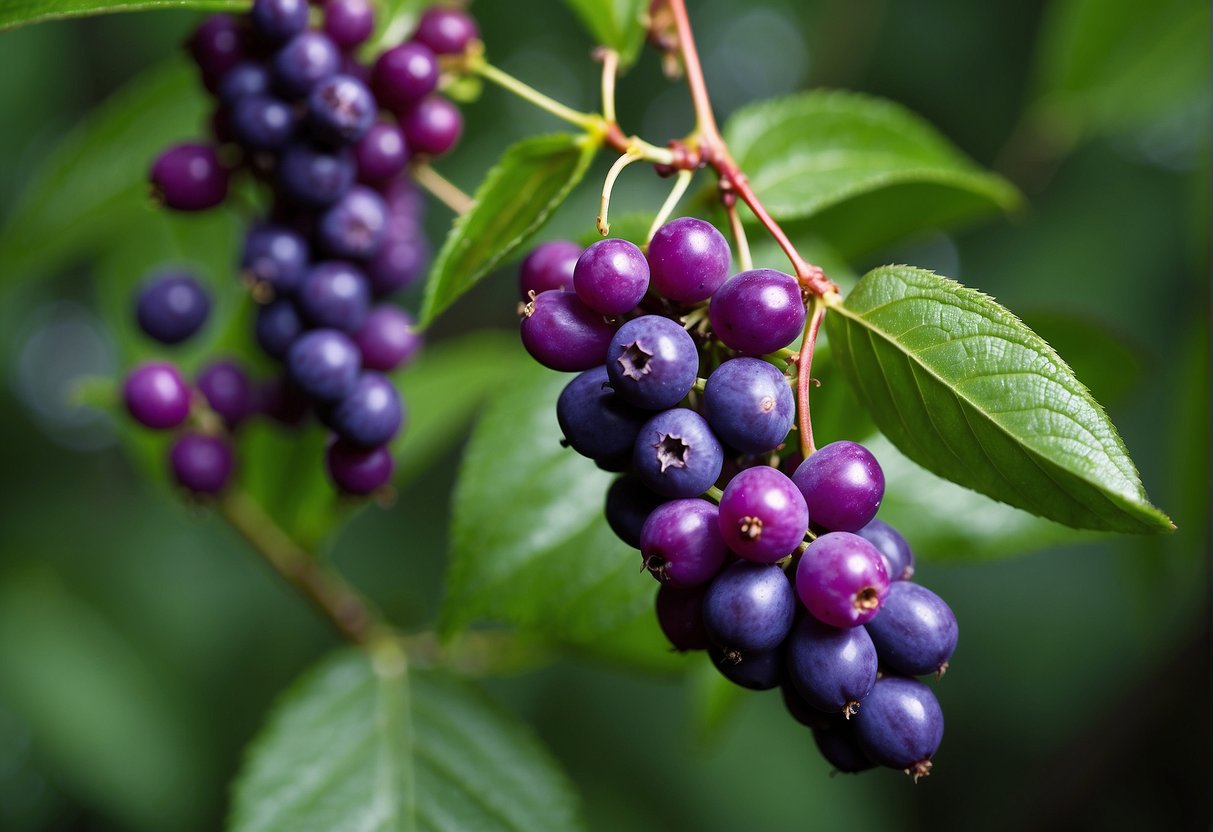
Beautyberries are part of the Callicarpa genus, and the most common species found in North America is Callicarpa americana, also known as American beautyberry. This plant is native to the southeastern United States and can be found growing in a variety of habitats, from forests to fields. While the beautyberry’s berries are undoubtedly eye-catching, they also serve an important ecological purpose: they provide a source of food for birds and other wildlife.
If you’re interested in growing beautyberries yourself, there are a few things you should know. There are several different varieties of beautyberry, each with its own unique characteristics and growing requirements. Additionally, while beautyberries are relatively easy to care for, there are a few tips and tricks that can help ensure your plants thrive. In the following sections, we’ll dive deeper into what beautyberries are, how to grow them, and more.
Key Takeaways
- Beautyberries are a type of shrub known for their striking purple berries.
- The most common species found in North America is Callicarpa americana, or American beautyberry.
- Beautyberries serve an important ecological purpose by providing food for wildlife.
Understanding Beautyberry
Beautyberry is a deciduous shrub that is native to North America, particularly the southeastern United States. There are several species of beautyberry, including Callicarpa americana and Callicarpa japonica, as well as cultivars and hybrids. This plant is known for its clusters of vibrant purple berries that appear in late summer and early fall, making it a popular choice for ornamental gardens.
Botanical Profile
Beautyberry is a member of the Lamiaceae family and typically grows to be 3-5 feet tall and wide. It has green leaves that are oval-shaped and pointed, and the flowers are small and pink, white, or lavender. The berries are about 1/4 inch in diameter and range in color from bright purple to white.
Physical Characteristics
Beautyberry is a deciduous shrub with arching branches. It is known for its clusters of purple berries that appear in late summer and early fall. The plant has green leaves that turn yellow in the fall before dropping off for the winter.
Growth and Planting
Beautyberry is a hardy plant that can grow in a variety of soil types, including clay soil. It prefers full sun but can tolerate some shade. It is hardy in zones 5-8 and can be propagated through seeds or cuttings. When planting, make sure to water regularly and add organic matter to the soil to help with drainage.
Care and Maintenance
Beautyberry requires minimal maintenance and pruning. It is a relatively pest-free plant but can attract mosquitoes. The plant can benefit from occasional fertilization and should be watered regularly, especially during hot and dry periods.
Beautyberry in the Ecosystem
Beautyberry is an important plant for wildlife, particularly birds. The berries provide a source of food for birds during the winter months when other food sources are scarce. The plant is also known to repel mosquitoes, making it a popular addition to gardens.
Ornamental Uses
Beautyberry is a popular choice for ornamental gardens due to its vibrant purple berries. It can be used in mass plantings or as a focal point in a garden. There are also cultivars available with pink or white berries.
Cultural Significance
Beautyberry has been used for medicinal purposes by Native Americans for centuries. The plant has also been used to make wine and jam. In some cultures, the plant is considered astringent and has been used to treat horses with colic. Beautyberry is also the state shrub of Alabama and is found in many gardens throughout the southeastern United States, as well as in Texas, Bermuda, Cuba, Mexico, and the Bahamas.
Varieties and Cultivation
Popular Types and Species
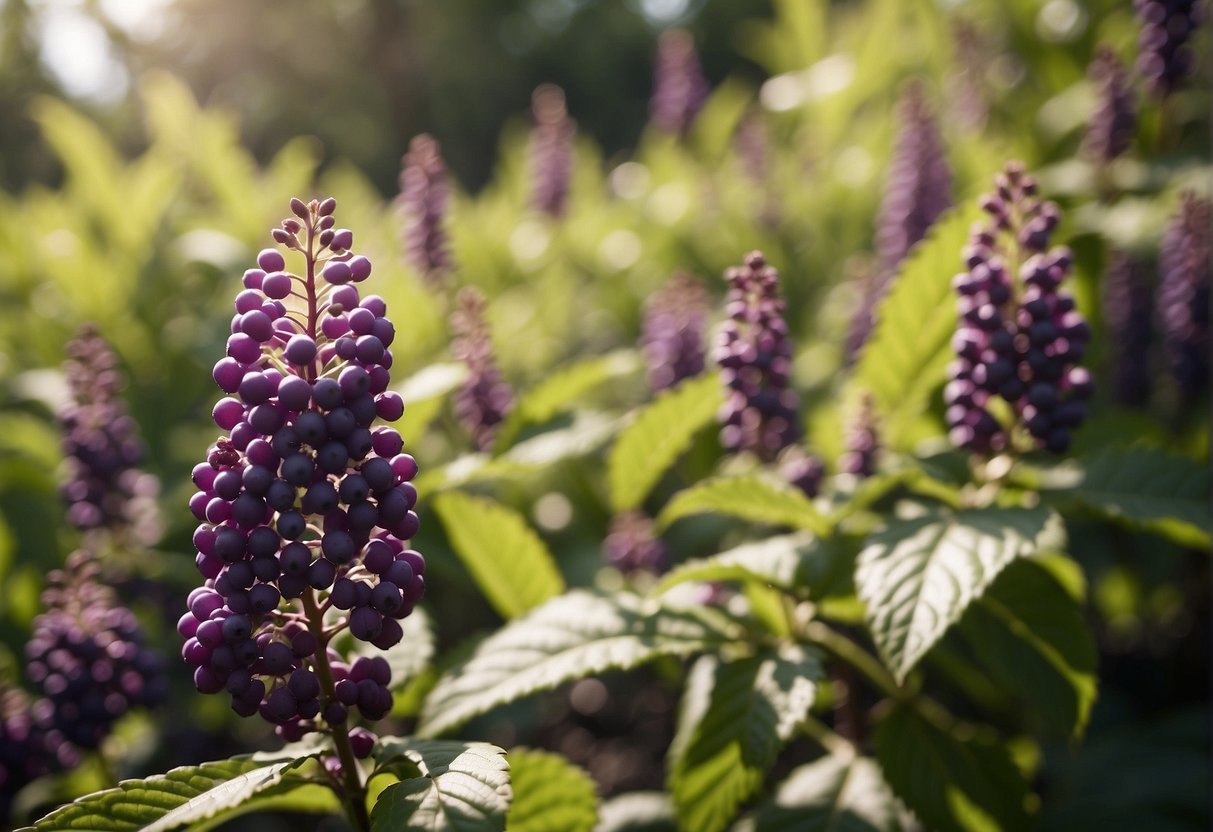
Beautyberry is a deciduous shrub that produces stunning clusters of berries in the fall. There are several different species of beautyberry, each with its unique characteristics. The most common species found in North America are Callicarpa americana, Callicarpa japonica, and Callicarpa dichotoma.
The American beautyberry (Callicarpa americana) is native to the southeastern United States and is known for its arching branches and white berries. Japanese beautyberry (Callicarpa japonica) is a popular ornamental shrub that produces lavender or violet berries. Callicarpa dichotoma, also known as the purple beautyberry, is a Chinese species that produces bright purple berries.
Cultivation Techniques
Beautyberry is relatively easy to grow and care for, making it a popular choice for gardens. When planting beautyberry, choose a location with well-draining soil that receives full to partial sun. Beautyberry prefers moist soil, so be sure to water it regularly during the summer months.
Beautyberry can be propagated from cuttings or seeds. To propagate from cuttings, take a 4-6 inch cutting from a healthy stem and dip it in rooting hormone. Plant the cutting in a pot with well-draining soil and keep it moist until it roots. To propagate from seeds, collect the berries in the fall and remove the seeds. Plant the seeds in a pot with well-draining soil and keep them moist until they germinate.
Common Challenges
Beautyberry is generally a low-maintenance plant, but it can be susceptible to pests and diseases. Some common pests that can affect beautyberry include Japanese beetles, aphids, and spider mites. Diseases such as leaf spot and powdery mildew can also be a problem.
To prevent pests and diseases, be sure to keep the plant healthy and well-maintained. Remove any dead or diseased branches and provide adequate water and fertilizer. You can also use organic pesticides and fungicides if necessary.
Regional Adaptation
Beautyberry is a hardy plant that can grow in a variety of climates and soil types. Different species of beautyberry have different hardiness zones, so be sure to choose a species that is adapted to your region. American beautyberry, for example, is adapted to zones 6-10, while Japanese beautyberry is adapted to zones 5-9.
Beautyberry is also an important source of food for wildlife, including birds and deer. The astringent berries are not typically consumed by humans, but they can be used to make jelly or wine. In some regions, beautyberry is also used as a natural mosquito repellent.
Frequently Asked Questions
Are beautyberries edible for human consumption?
While beautyberries are not toxic to humans, they are not typically consumed due to their tart and astringent taste. Some people have used them to make jelly or tea, but they are not commonly eaten as a food source.
How did Native Americans utilize beautyberries?
Native Americans used beautyberries for medicinal purposes, such as treating colic and rheumatism. They also used the leaves to repel insects and the roots to make a yellow dye for clothing.
What are alternative names for the beautyberry plant?
The beautyberry plant is also known as the French mulberry, beautybush, and American mulberry.
What are the medicinal benefits of beautyberries?
Beautyberries have been used in traditional medicine to treat a range of ailments, including fever, dysentery, and rheumatism. They contain compounds that have anti-inflammatory and antioxidant properties.
In what regions can beautyberries typically be found?
Beautyberries are native to the southeastern United States and can be found in wooded areas and along the edges of forests. They are also cultivated as ornamental plants in other regions.
How do you care for a beautyberry plant?
Beautyberry plants prefer partial shade and well-drained soil. They can grow up to 6 feet tall and wide, so they should be pruned regularly to maintain their shape. They are relatively low-maintenance plants and do not require much watering once established.