Home » Blog » What Group of Plants is a Yucca? A Clear Explanation
What Group of Plants is a Yucca? A Clear Explanation
December 29, 2024
If you’re curious about the family of plants to which a yucca is classified, you’re in good company. Yuccas form part of the Asparagaceae family, more specifically within the Agavoideae subfamily. This particular family also encompasses various other genera, including Agave, Beschorneria, and Hesperaloe.
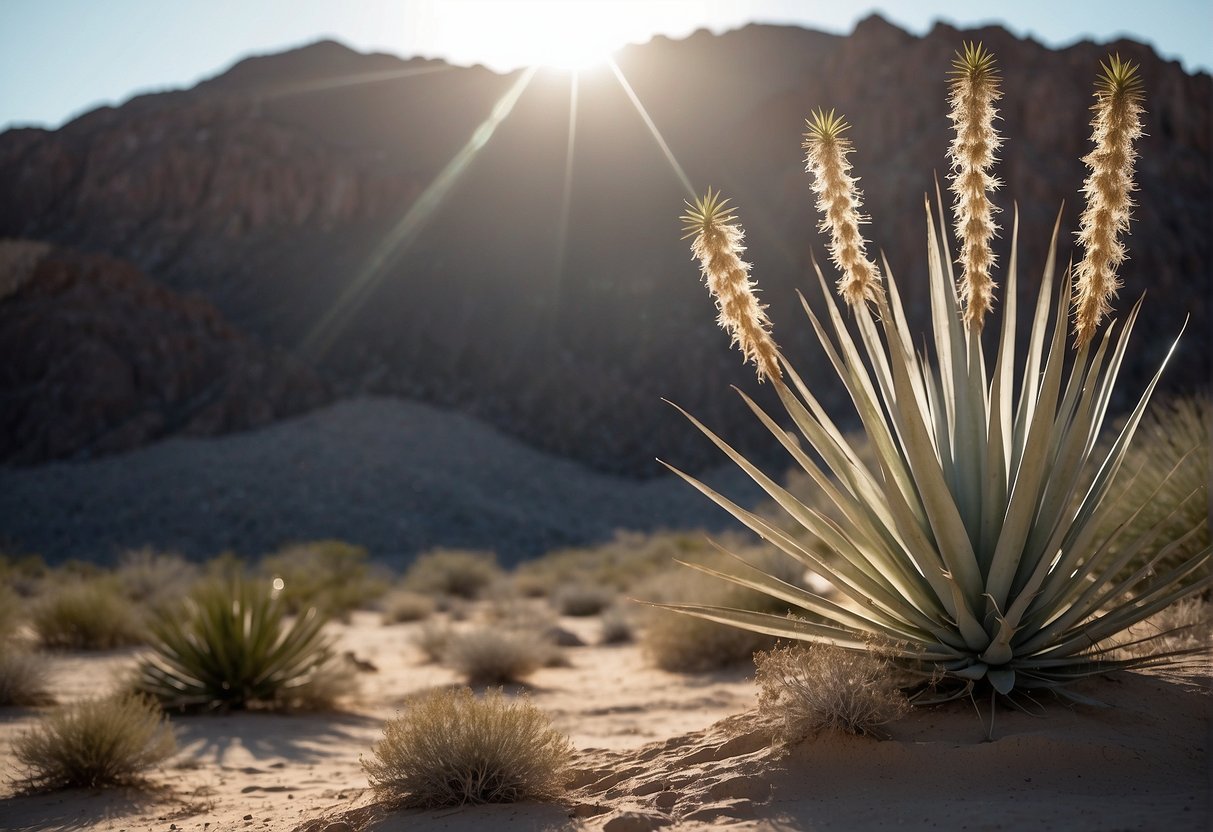
Yuccas are native to the Americas, from the southwestern United States to Central America and the Caribbean. They are known for their distinctive rosette of stiff, sword-shaped leaves and their tall, showy flower spikes. Yuccas are adapted to hot, dry climates and are often found in deserts, grasslands, and other arid habitats.
If you’re interested in learning more about yuccas, their classification and characteristics, cultivation and uses, and frequently asked questions, keep reading. By the end of this article, you’ll have a better understanding of what makes yuccas unique and how you can incorporate them into your own garden or landscape.
Key Takeaways
Yuccas belong to the family Asparagaceae, subfamily Agavoideae, along with other genera such as Agave, Beschorneria, and Hesperaloe.
Yuccas are native to the Americas and are adapted to hot, dry climates.
By understanding the classification and characteristics of yuccas, as well as their cultivation and uses, you can appreciate these unique plants and incorporate them into your own landscaping.
Classification and Characteristics
Botanical Family
Yucca is a genus of perennial evergreen plants that belong to the family Asparagaceae. The Asparagaceae family is a diverse group of plants that includes species such as agave, aloe, and dracaena. Yuccas are native to the Americas, particularly in arid and dry regions of Mexico, the United States, and Central America.
Physical Description
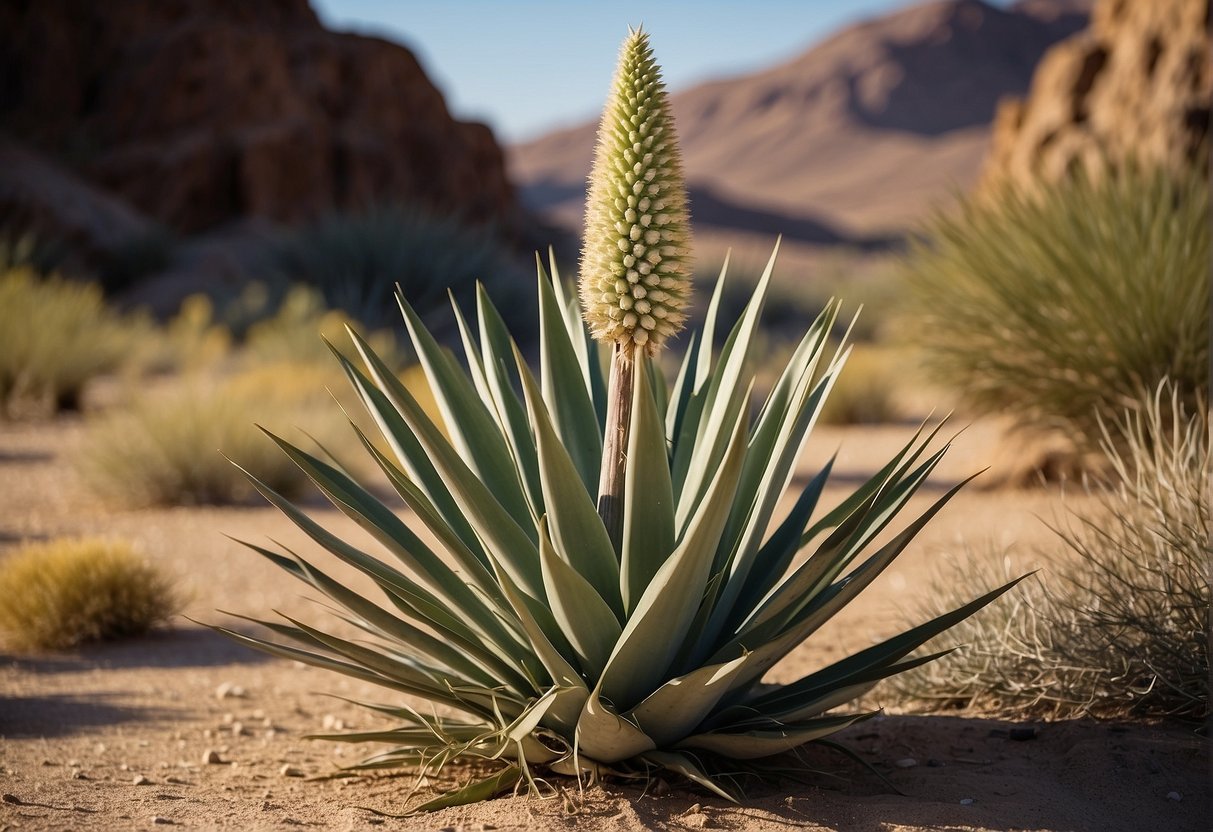
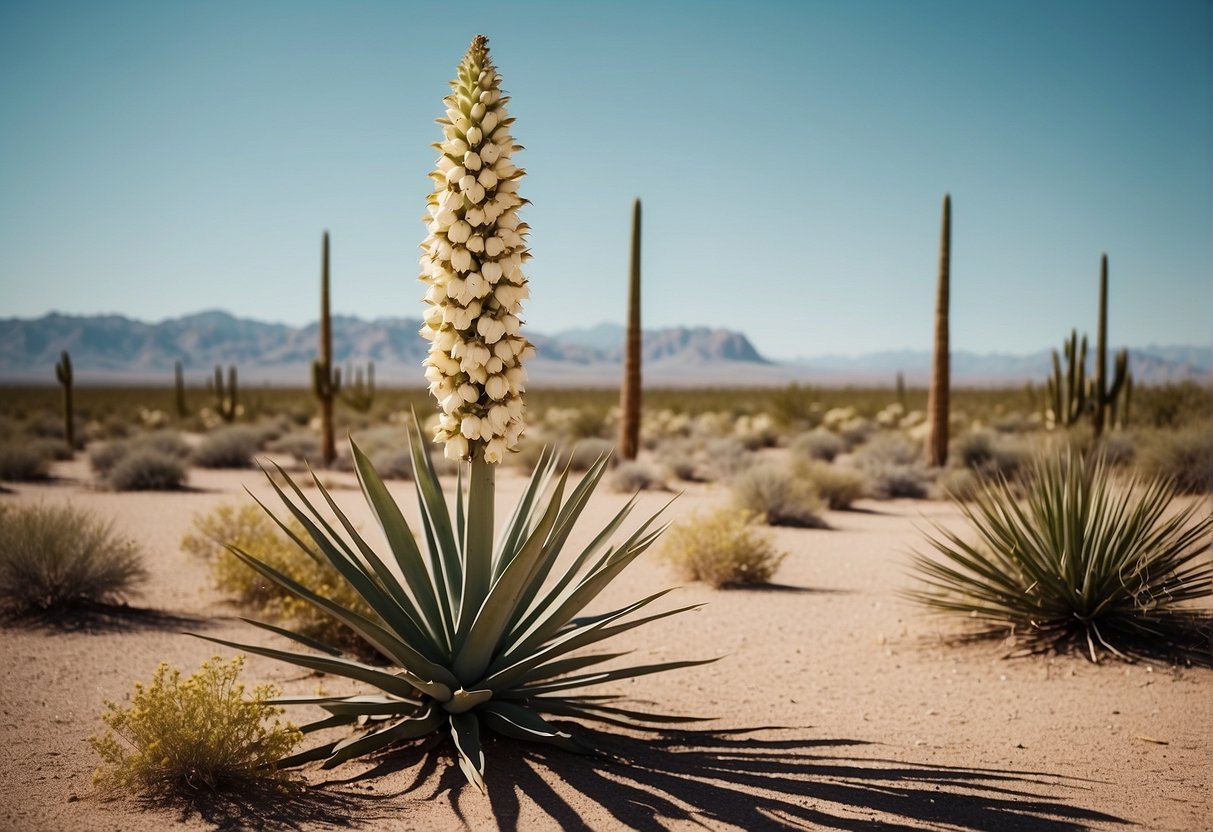
Yuccas are characterized by their sword-like leaves that are often stiff and sharp. The leaves are typically arranged in a rosette pattern and can range in color from green to blue-gray. Yuccas also produce tall, branching inflorescences that bear white or cream-colored flowers. The flowers are usually bell-shaped and produce a sweet fragrance that attracts pollinators such as moths and bees.
Native Habitats
Yuccas are adapted to grow in a variety of habitats, including deserts, grasslands, and rocky slopes. Some species of yucca are also found in coastal regions and can tolerate salt spray. Yuccas are often associated with the American Southwest, where they are a common sight in landscapes and gardens. However, yuccas can also be found in other regions of the Americas, such as the Southeastern United States and Central America.
In summary, yuccas are a genus of plants that belong to the Asparagaceae family and are native to the Americas. They are characterized by their sword-like leaves, tall inflorescences, and sweet-smelling flowers. Yuccas are adapted to grow in arid and dry habitats and can be found in a variety of regions throughout the Americas.
Cultivation and Uses
Growing Conditions
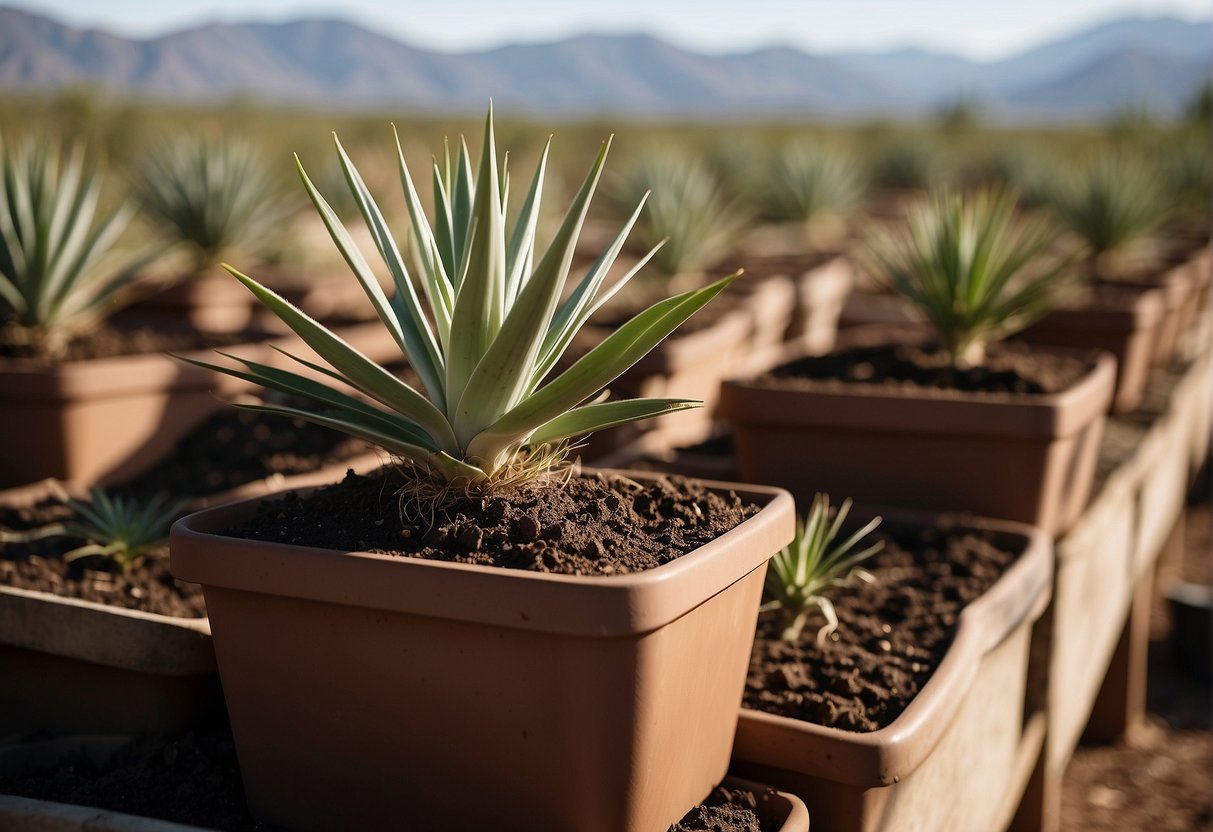
Yuccas are a group of plants that thrive in full sun and well-drained soil. They are native to hot and dry regions, and as such, they are drought-tolerant and can survive with minimal water. Yuccas can also grow in containers, making them a great choice for those with limited space.
Ornamental Applications
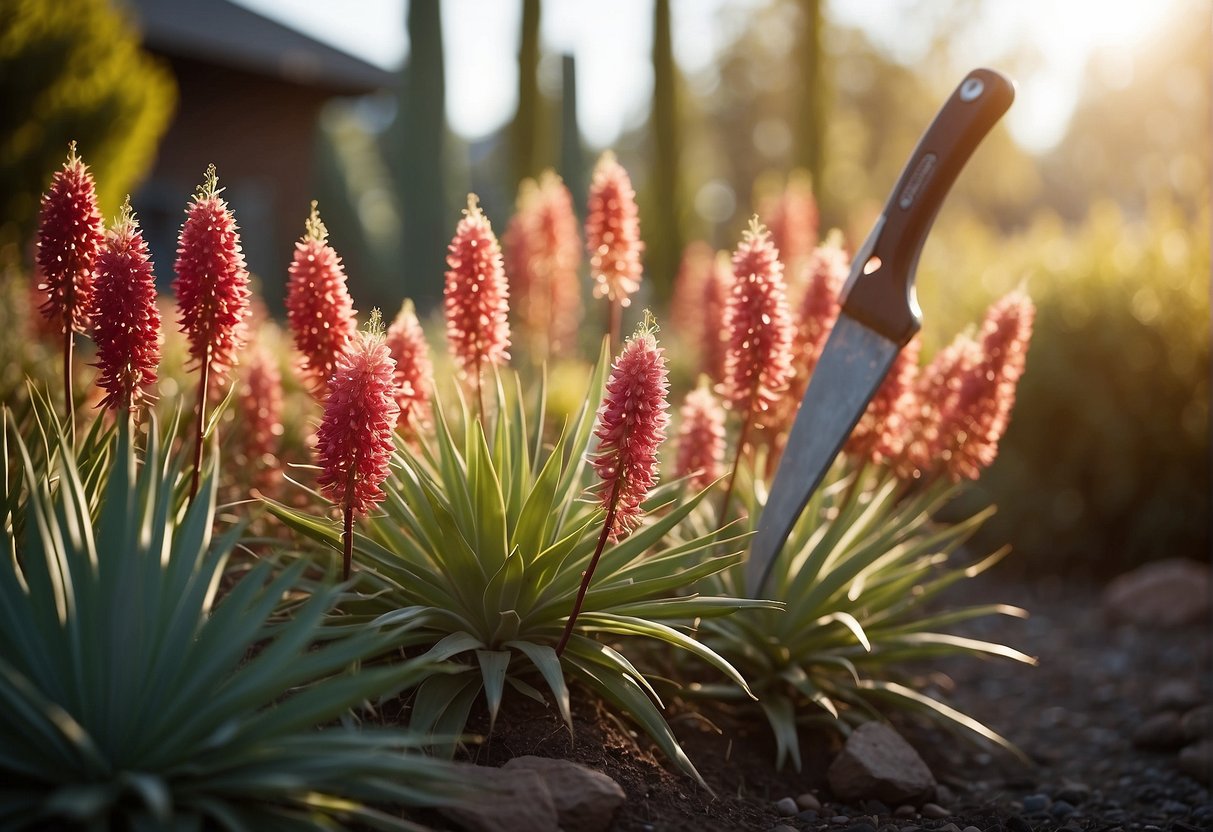
Yuccas are popular ornamental plants due to their unique appearance and low maintenance requirements. They are known for their long, sword-shaped leaves and tall flower spikes that bloom in the summer. Yuccas produce white flowers that attract pollinators such as bees and butterflies.
Practical Uses
Yuccas have practical uses as well. Some species produce edible fruits, while others have fibers that can be used for making baskets and other crafts. The roots of some yucca species contain saponins, which can be used to make shampoo and soap.
Overall, yuccas are a versatile group of plants that can be used for both ornamental and practical purposes. With their hardy nature and unique appearance, they are a great addition to any garden or landscape.
Frequently Asked Questions
How do you identify a yucca plant?
Yucca plants are easy to identify due to their distinctive sword-shaped leaves and tall flower spikes. The leaves are often stiff and pointed, and may have sharp edges. The flower spikes can reach up to several feet in height and are covered in small, white or cream-colored flowers.
What is the scientific name of the yucca plant?
The scientific name of the yucca plant is Yucca. There are many different species of yucca plants, each with its own unique characteristics.
What are some common names for yucca?
Some common names for yucca include Spanish bayonet, Adam’s needle, and soapweed.
Which plants are similar to yucca?
Plants that are similar to yucca include agave, aloe, and dracaena. These plants also have long, sword-shaped leaves and are often used in landscaping.
What are the uses of yucca?
Yucca plants have a variety of uses. They are often used in landscaping due to their unique appearance. Yucca plants are also used for their medicinal properties, as they contain compounds that have anti-inflammatory and antioxidant effects. Additionally, the roots of some yucca species are used to make soap.
Is the yucca considered a tree or a shrub?
Yucca plants can be either trees or shrubs, depending on the species. Some yucca species, such as the Joshua tree, can grow up to 40 feet tall and are considered trees. Other yucca species, such as the soapweed yucca, are smaller and are considered shrubs.
Hi Lovelies ! I made this blog to share my tips about Home Improvement, Children, Pets, Food, Gadgets, Automotive, Health & Beauty, and ways to be frugal while maintaining a natural lifestyle. Interested to be a Guest Blogger on my website? Please email me at: [email protected]