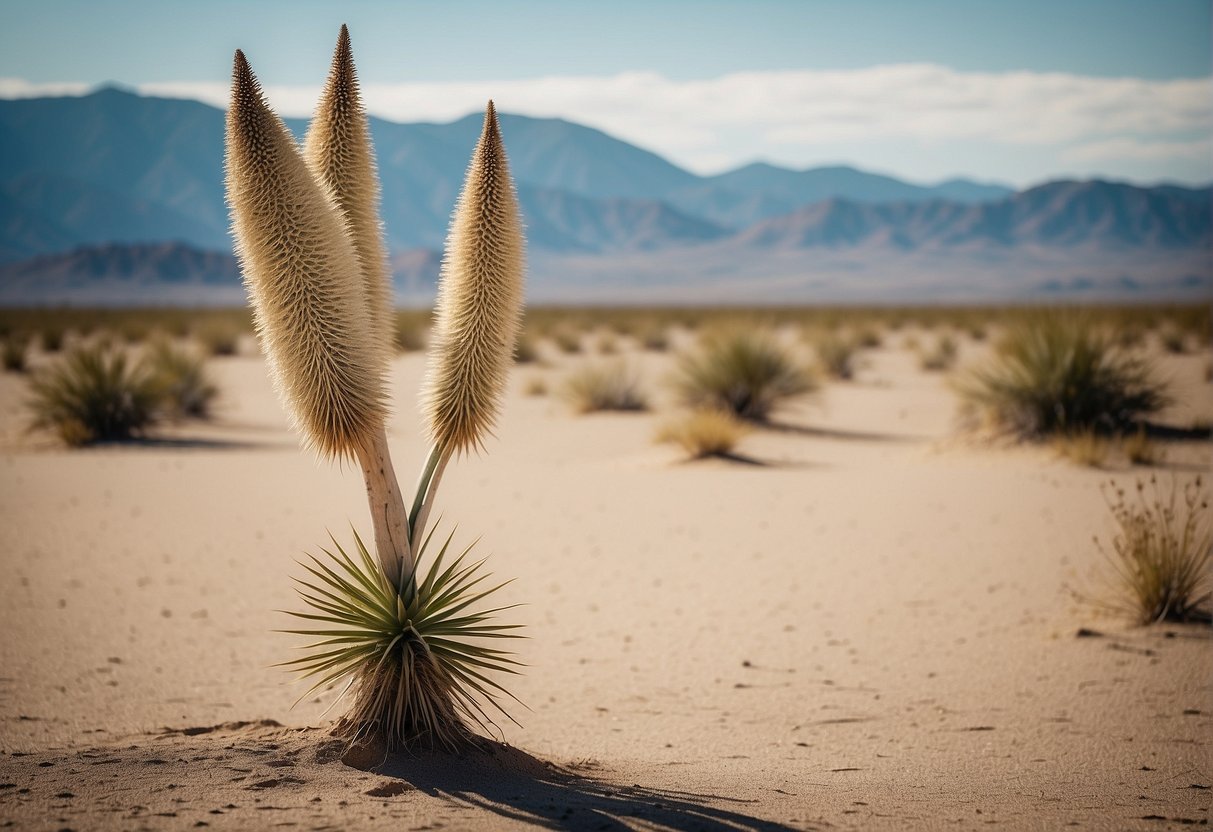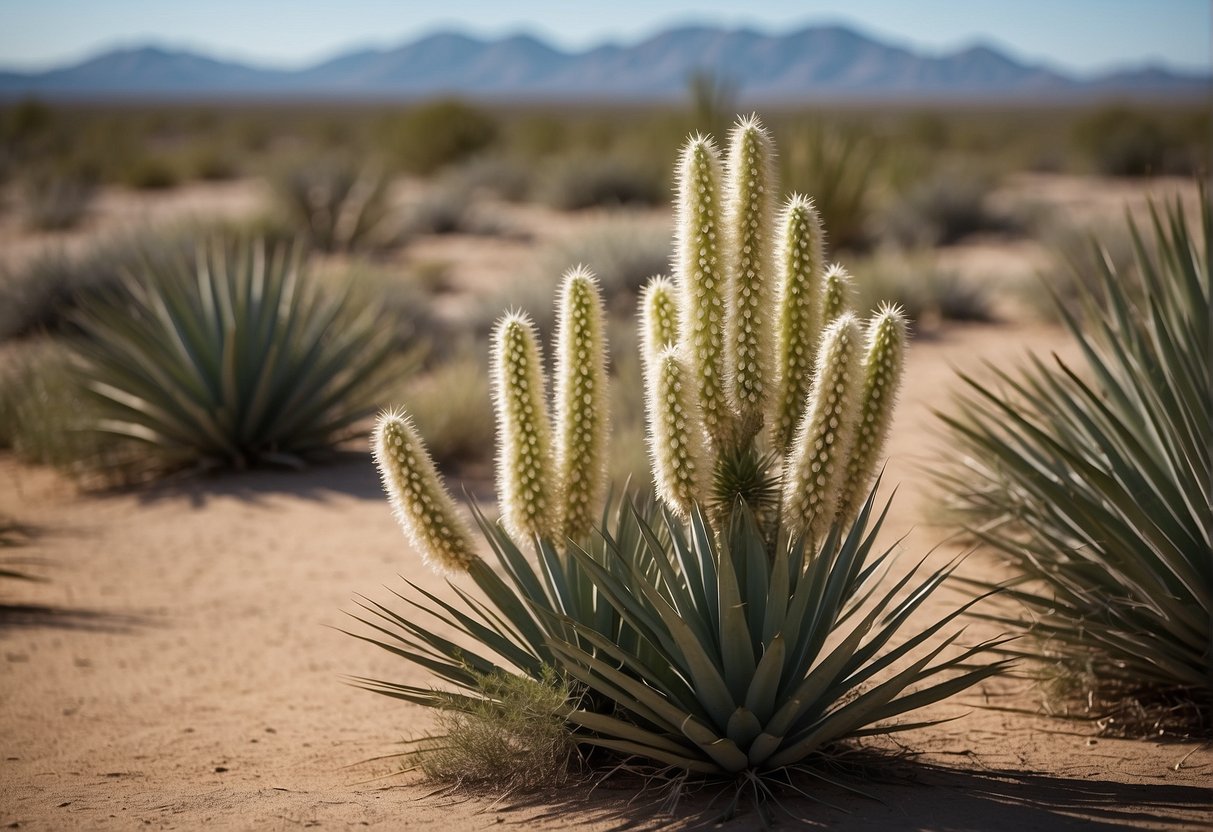

If you possess a yucca plant within your outdoor space, you might be curious about which animals or bugs might consider it a food source. Originating from dry climates, yucca plants are durable and have developed resistance to many pests. Yet, they’re not completely invulnerable to all forms of wildlife, and a select few may find them appealing as a source of nourishment or a place of refuge.
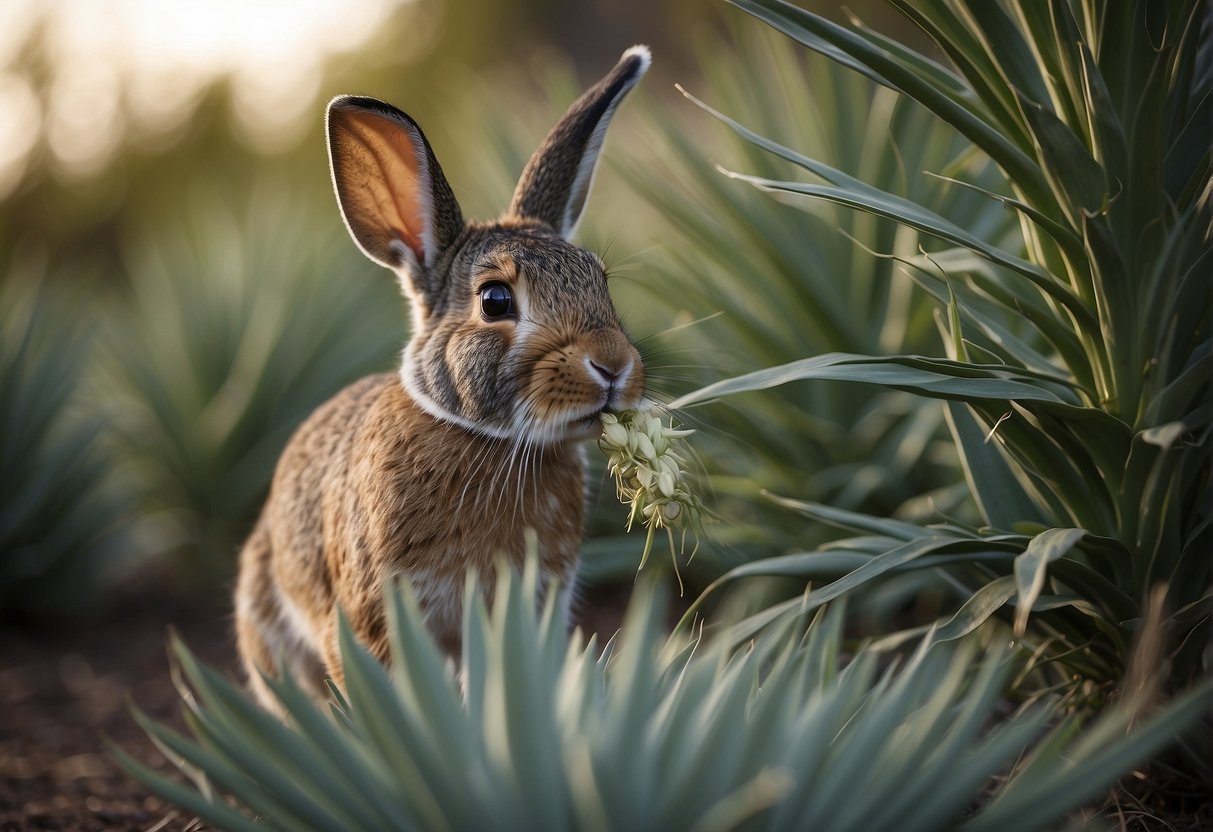
One of the most common pests that can damage yucca plants is the yucca moth. This small, grayish-brown moth lays its eggs inside the plant’s flowers, where the larvae feed on the developing seeds. While this may sound harmful, the yucca moth and the yucca plant have a unique symbiotic relationship. The moth pollinates the plant while laying its eggs, ensuring that the plant can reproduce. In return, the plant provides a food source for the moth’s larvae. This relationship is an excellent example of how nature can create mutually beneficial interactions between species.
Key Takeaways
- Yucca plants are native to arid regions and have evolved to be pest-resistant.
- The yucca moth is a common pest that feeds on the developing seeds of the yucca plant, but it also pollinates the plant.
- The symbiotic relationship between the yucca plant and the yucca moth is an example of how nature can create mutually beneficial interactions between species.
Yucca Plant Pests and Diseases
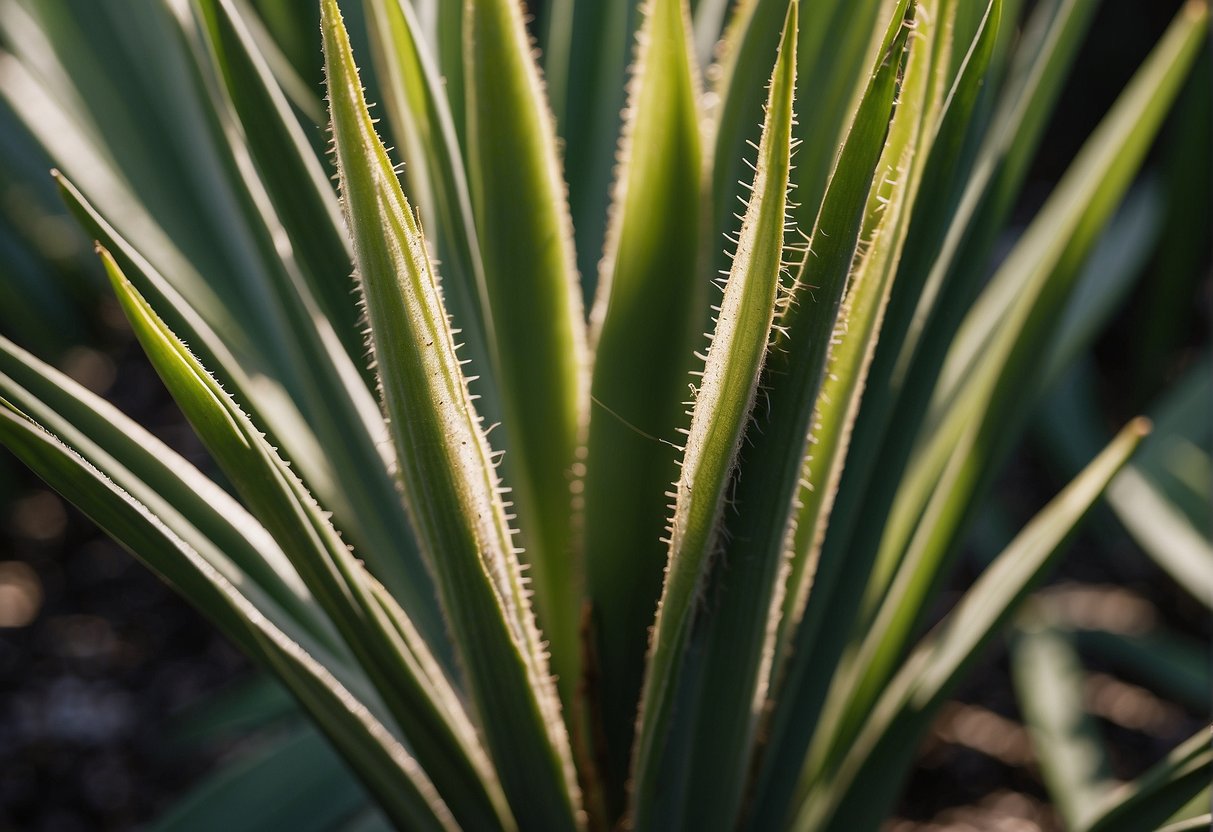
If you have yucca plants in your garden, it is important to be aware of the potential pests and diseases that can affect them. Here are some common issues you may encounter:
Common Insect Pests
Yucca plants can be susceptible to a variety of insect pests, such as scale, mealybugs, yucca plant bugs, whiteflies, mites, and aphids. These pests can cause damage to the leaves and stems of the plant, leading to stunted growth, yellowing, and even death.
To control these pests, you can use insecticidal soap or sprays of water to physically remove them from the plant. For more severe infestations, you may need to use neem oil or insecticidal sprays containing imidacloprid. It is also important to control ant populations, as they can protect and even farm these pests on your yucca plants.
Disease Challenges
Yucca plants can also be susceptible to fungal diseases such as root rot and leaf spot. These diseases can cause the leaves to turn brown and wilt, and can eventually kill the plant.
To prevent fungal diseases, it is important to avoid overwatering and to ensure proper drainage. If you notice signs of disease, you can use horticultural oil to suffocate the fungus or remove affected leaves to prevent further spread.
One of the most serious pests that can affect yucca plants is the yucca weevil. This insect lays its eggs in the base of the plant, which can cause the entire plant to collapse and die. Unfortunately, there are no effective treatments for this pest, so prevention is key. Avoid planting yucca plants near infested areas and inspect new plants for signs of infestation before bringing them into your garden.
By being aware of these common pests and diseases, you can take steps to protect your yucca plants and keep them healthy and thriving in your garden.
Yucca Plant Care and Maintenance
If you want to keep your yucca plant healthy and thriving, it’s important to provide it with the right care and maintenance. Here are some tips to help you grow a beautiful yucca plant:
Optimal Growing Conditions
Yucca plants prefer a warm and sunny environment. They thrive in well-drained soil with good drainage and moderate humidity. Yuccas can grow up to 30 feet tall, so make sure to plant them in an area with plenty of space to accommodate their height.
Propagation and Planting
Yuccas can be propagated from seeds, cuttings, or rhizomes. When planting yuccas, make sure to use well-drained soil and plant them in an area with plenty of sunlight. It’s important to avoid overwatering yuccas, as they prefer dry conditions.
When repotting yuccas, use gloves and long sleeves to protect yourself from the sharp leaves. Prune back any dead or damaged leaves to encourage new growth. Yuccas are hardy plants and can tolerate a wide range of temperatures and soil conditions.
By following these simple tips, you can enjoy a beautiful and healthy yucca plant in your garden or home.
Frequently Asked Questions
What animals are known to feed on yucca plants?
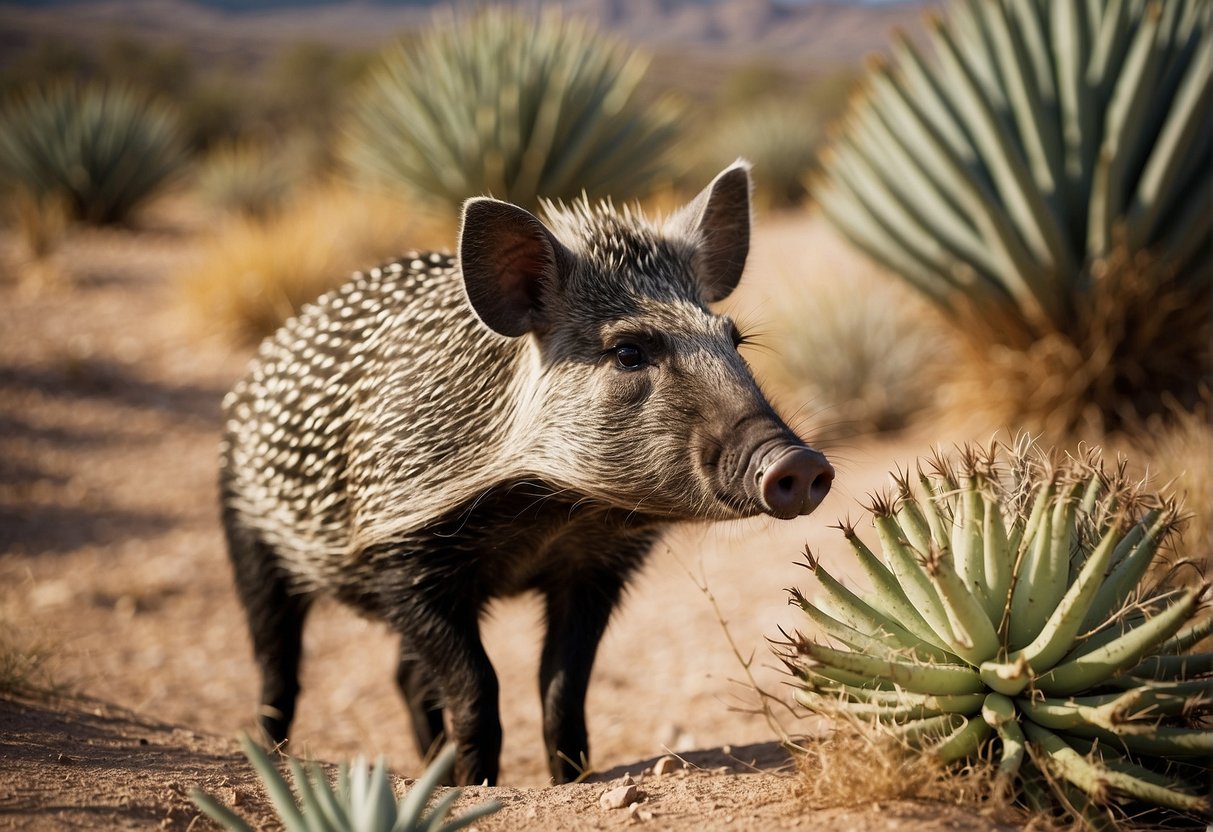
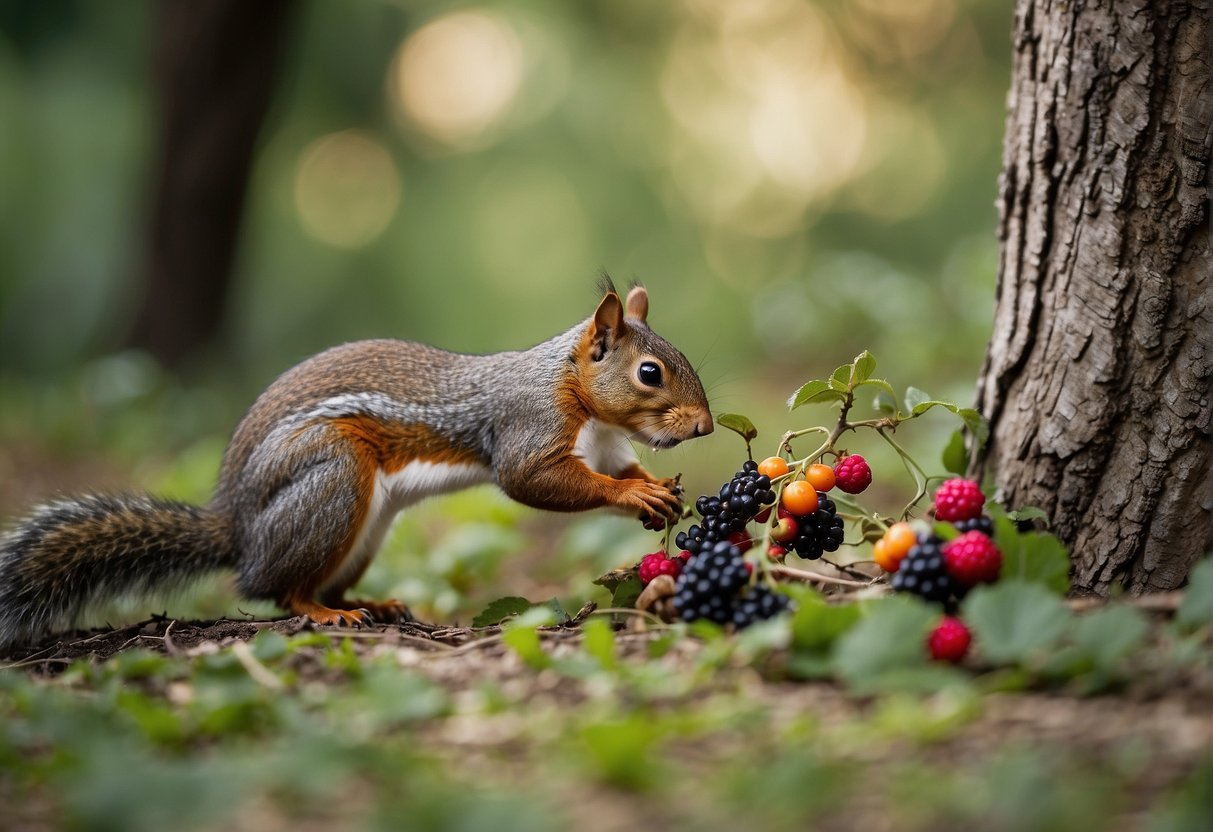
Several animals feed on yucca plants, including yucca moths, rabbits, and rodents. Yucca moths are the primary pollinators of yucca plants, but their larvae can also feed on the seeds of the plant. Rabbits and rodents, such as ground squirrels, can feed on the leaves and stems of the plant, causing damage to the yucca.
How can I identify pests on my yucca plants?
You can identify pests on your yucca plants by looking for signs of damage, such as holes in the leaves and stems, or discoloration. You may also see the pests themselves, such as yucca moths or caterpillars, on the plant. It is important to regularly inspect your yucca plants for signs of pests so that you can take action to prevent further damage.
Are yucca plants resistant to deer grazing?
Yucca plants are not typically resistant to deer grazing. Deer can cause significant damage to yucca plants by feeding on the leaves and stems. If you live in an area with a high deer population, it is important to take steps to protect your yucca plants, such as using deer-resistant fencing or repellents.
Can yucca weevils be controlled to protect yucca plants?
Yes, yucca weevils can be controlled to protect yucca plants. There are several methods for controlling yucca weevils, including using insecticides, removing infected plants, and practicing good sanitation practices. It is important to consult with a professional before using any insecticides on your yucca plants.
What symptoms indicate a yucca plant is being eaten by pests?
Symptoms of a yucca plant being eaten by pests include holes in the leaves and stems, discoloration, and wilting. You may also see the pests themselves, such as yucca moths or caterpillars, on the plant. It is important to regularly inspect your yucca plants for signs of pests so that you can take action to prevent further damage.
How do ground squirrels affect yucca plant health?
Ground squirrels can affect yucca plant health by feeding on the leaves and stems of the plant, causing damage and potentially killing the plant. They may also dig burrows near the plant, which can cause soil erosion and further damage to the roots. It is important to take steps to protect your yucca plants from ground squirrels, such as using fencing or repellents.