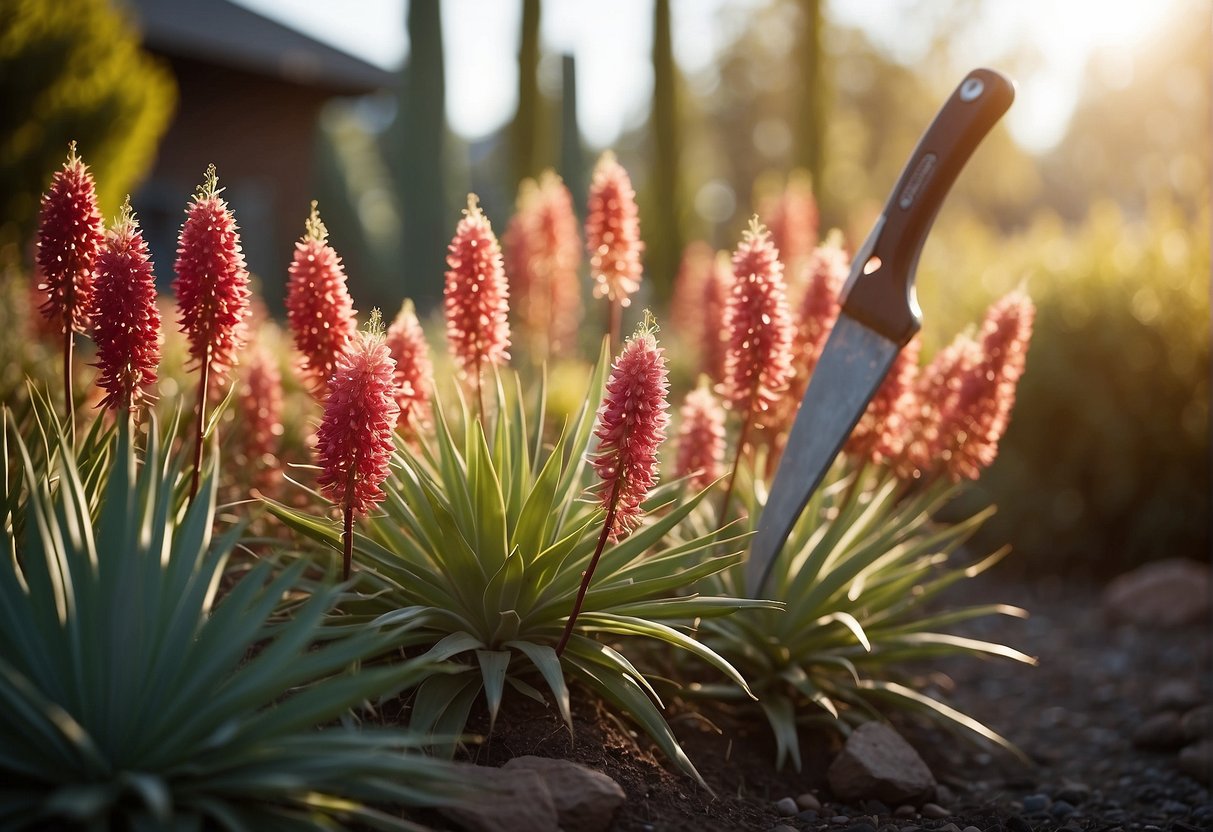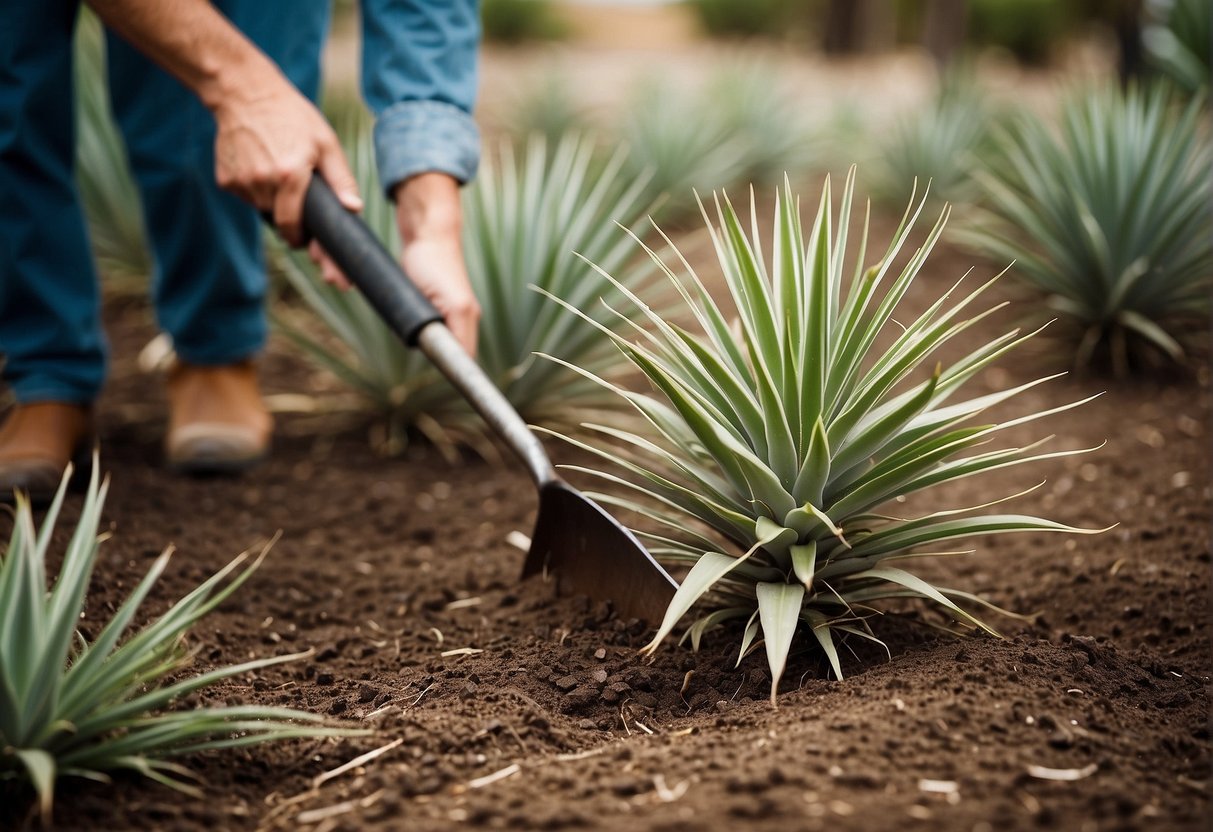

If you’re eager to infuse your garden with some lush vegetation, opting for yucca plants is an excellent decision. These perennial succulents require minimal upkeep and can introduce a distinctive flair to any outdoor space. That said, for those who are either novices in the gardening realm or have yet to experience working with yucca plants, the task of transplanting them can appear quite formidable. Within this article, we aim to guide you step-by-step on how to successfully transplant yucca plants, alongside offering advice on how to maintain their health and vigor.
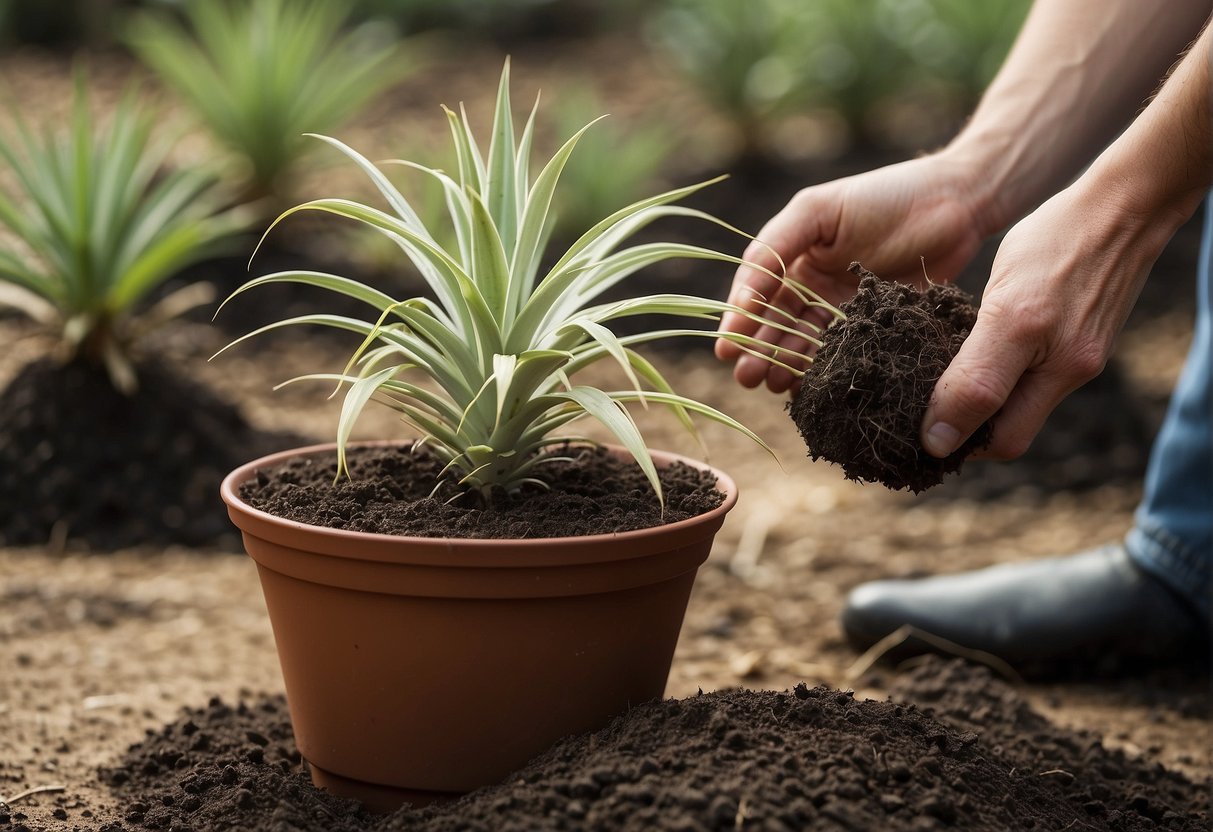
Before you start digging up your yucca plant, it’s important to make sure you’re prepared for the task at hand. You’ll need a few basic gardening tools, such as a shovel, gloves, and pruning shears. You’ll also need to choose a new location for your yucca plant that has plenty of sunlight and well-drained soil. Once you’ve gathered your supplies and chosen a new spot for your yucca, you’re ready to start replanting. In the next section, we’ll go over the steps for replanting your yucca plant and give you some tips for keeping it healthy.
Key Takeaways
- Yucca plants are a great choice for adding greenery to your garden.
- Before replanting your yucca, make sure you have the necessary tools and choose a new location with plenty of sunlight and well-drained soil.
- When replanting your yucca, be sure to prune any damaged or dead roots and water it thoroughly after planting.
Preparing to Replant Yucca
Before you begin the process of replanting your yucca, it’s important to assess the plant’s health, gather necessary tools, and choose the right time and location to ensure a successful transplant.
Assessing the Yucca’s Health
Inspect your yucca plant for signs of disease or damage. If you notice any issues, such as yellowing leaves or root rot, it may be best to address these problems before attempting to replant the yucca. Healthy yucca plants are more likely to thrive after being transplanted.
Gathering Necessary Tools
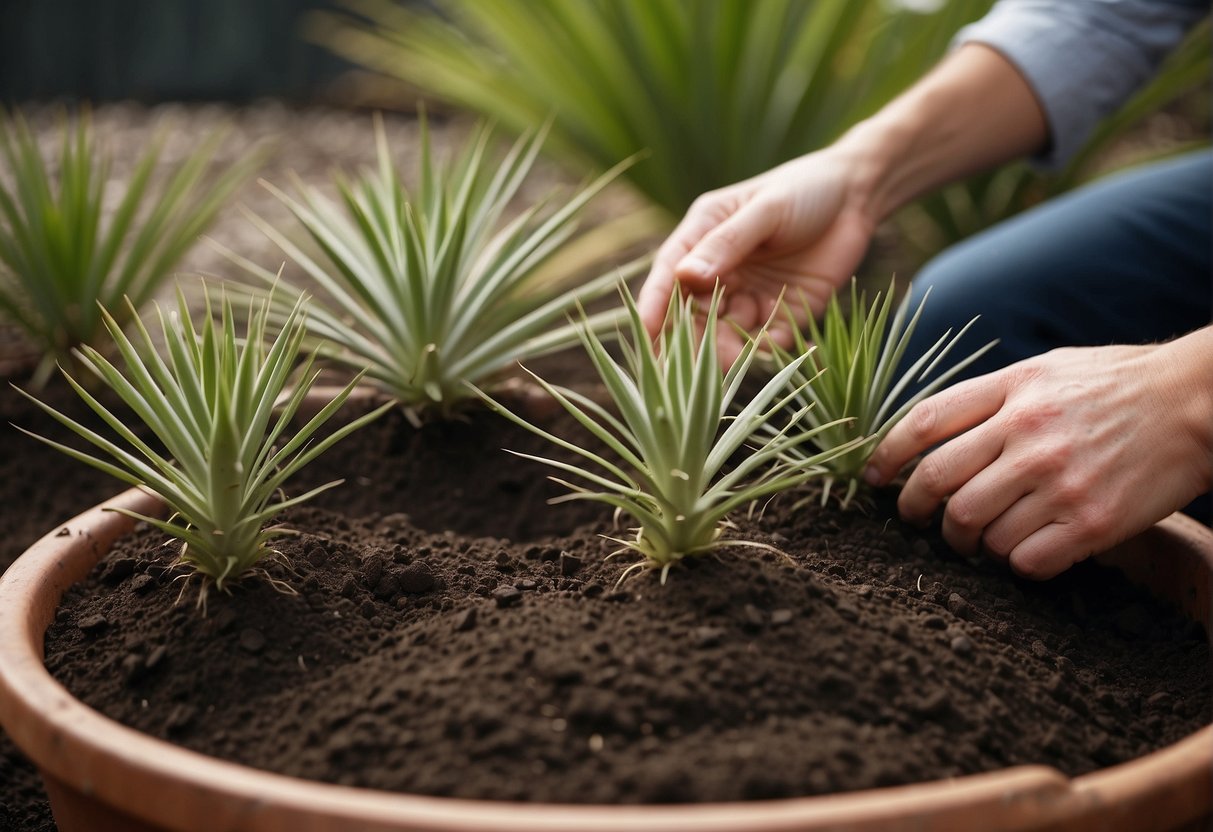
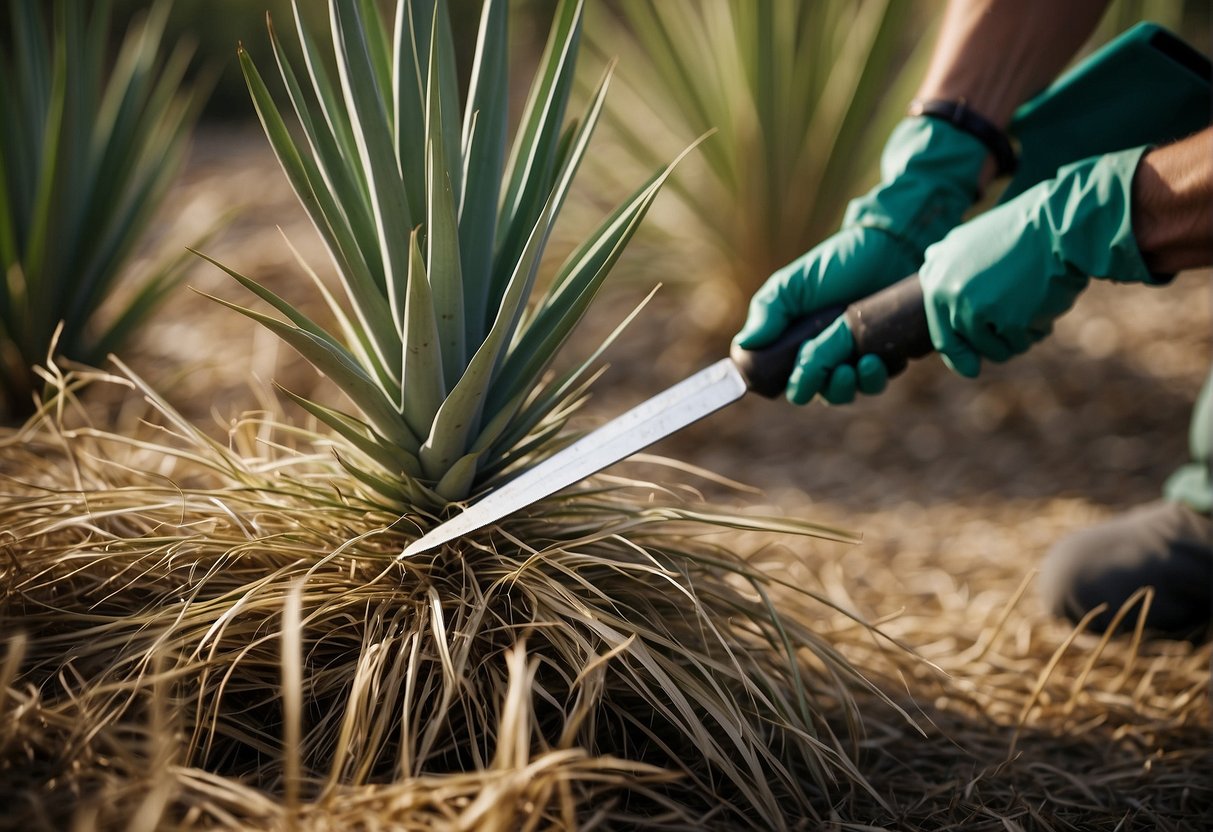
To replant your yucca, you will need a few essential tools, including a sharp knife or pruning shears, a pot with well-draining soil, and gardening gloves. You may also want to have some organic matter, such as compost or peat moss, on hand to enrich the soil.
Choosing the Right Time and Location
It’s best to transplant your yucca in the spring or fall when the weather is mild. Choose a location with plenty of sunlight and well-draining soil. Yucca plants prefer dry soil, so be sure to avoid areas with standing water.
By following these steps and taking the time to properly prepare for replanting your yucca, you can help ensure a successful transplant and a healthy plant for years to come.
Replanting and Aftercare
Removing the Yucca Plant
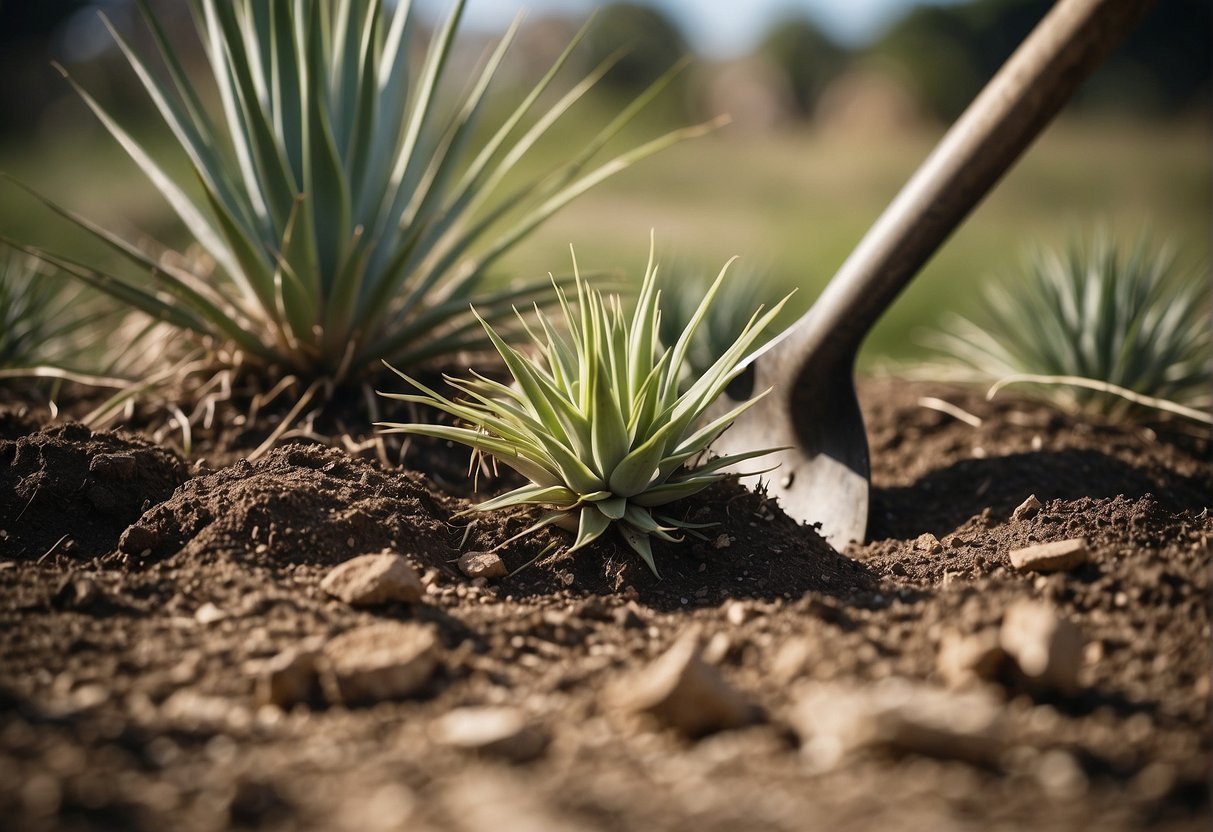
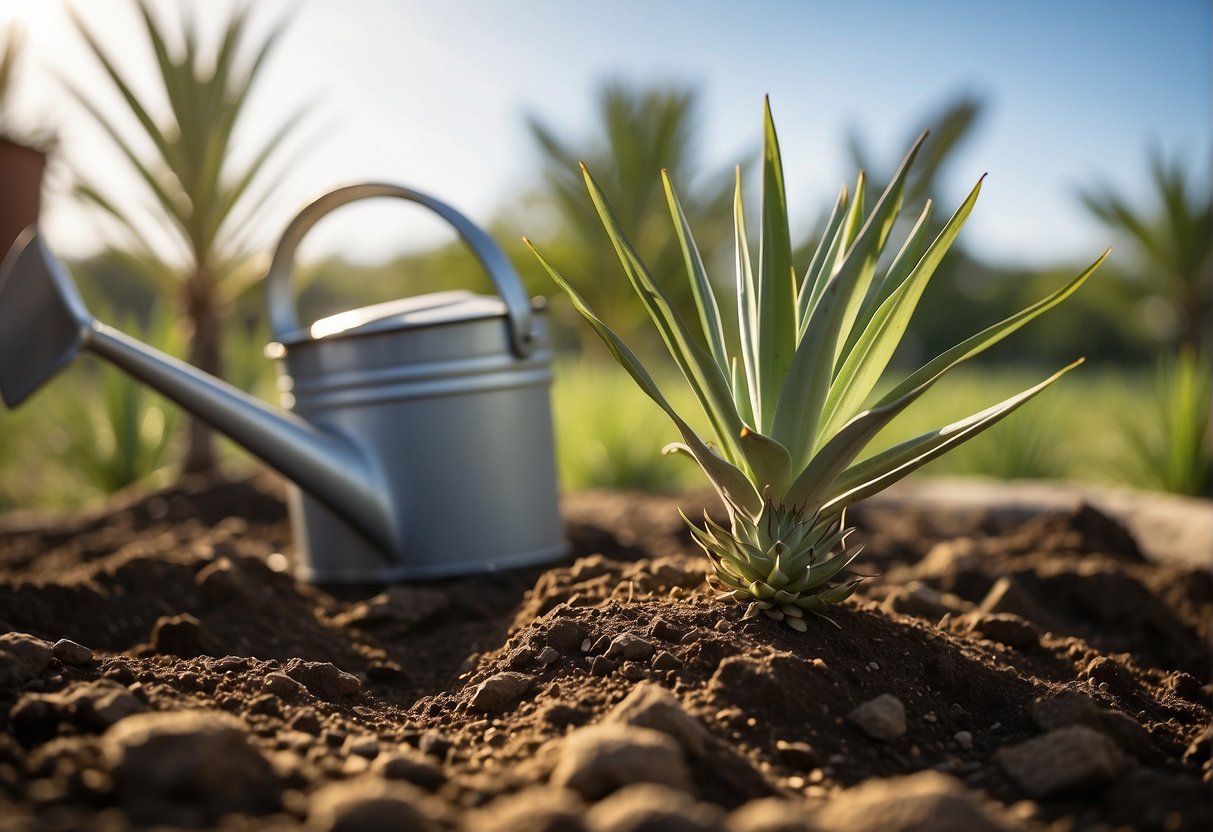
Before replanting your yucca plant, you need to carefully remove it from its current location. Using a spade or shovel, gently dig around the root system of the plant, making sure to avoid damaging the roots. Once you have loosened the soil, carefully lift the plant out of the ground. If the plant is in a pot, gently remove it from the pot.
Preparing the New Site
Choose a new site for your yucca plant that has well-draining soil and receives plenty of sunlight. Dig a hole that is slightly larger than the root system of the plant. Mix sand, compost, and perlite into the soil to improve drainage and provide nutrients for the plant. Make sure to create a drainage hole at the bottom of the hole.
Transplanting the Yucca
Place the yucca plant into the new hole, making sure that it is level with the surrounding ground. Fill in the hole with the soil mixture, making sure to pack it down firmly to avoid air pockets. Water the plant thoroughly to help settle the soil.
Ongoing Yucca Care
Yucca plants are hardy and tolerant of a variety of conditions, but they still require regular care to thrive. Water your yucca plant deeply but infrequently, allowing the soil to dry out between waterings. Avoid overwatering, as this can lead to root rot and decay.
Fertilize your yucca plant once a month during the growing season with a balanced fertilizer. Prune discolored leaves and remove any pups that appear at the base of the plant. Propagate your yucca plant by using seeds or by dividing the mature plant in the fall.
Yucca plants are low-maintenance and make a great focal point in any garden or as a houseplant. They are drought-tolerant and can handle mild winters, making them a great choice for central America. Watch out for mealybugs and scale insects, which can be treated with organic mulch or insecticidal soap. With regular care, your yucca plant will thrive and add a touch of desert beauty to your home or garden.
Frequently Asked Questions
What is the best soil mix for potting yucca plants?
Yucca plants prefer well-draining soil that is not too rich in nutrients. A good soil mix for yucca plants should include a combination of sand, perlite, and peat moss. You can also add some small rocks or gravel to the bottom of the pot to improve drainage.
How do you divide and transplant yucca plants?
To divide and transplant yucca plants, start by carefully digging up the plant and gently separating the roots. Cut away any dead or damaged roots and replant the yucca in a new pot with fresh soil. Water the plant thoroughly and keep it in a shaded area for a few days to help it recover from transplant shock.
What are the signs of transplant shock in yucca plants and how can it be mitigated?
Transplant shock can cause yucca plants to wilt, turn yellow, or drop leaves. To mitigate transplant shock, water the plant thoroughly and keep it in a shaded area for a few days. Avoid fertilizing the plant until it has fully recovered.
Can yucca plants be propagated from cuttings, and if so, how?
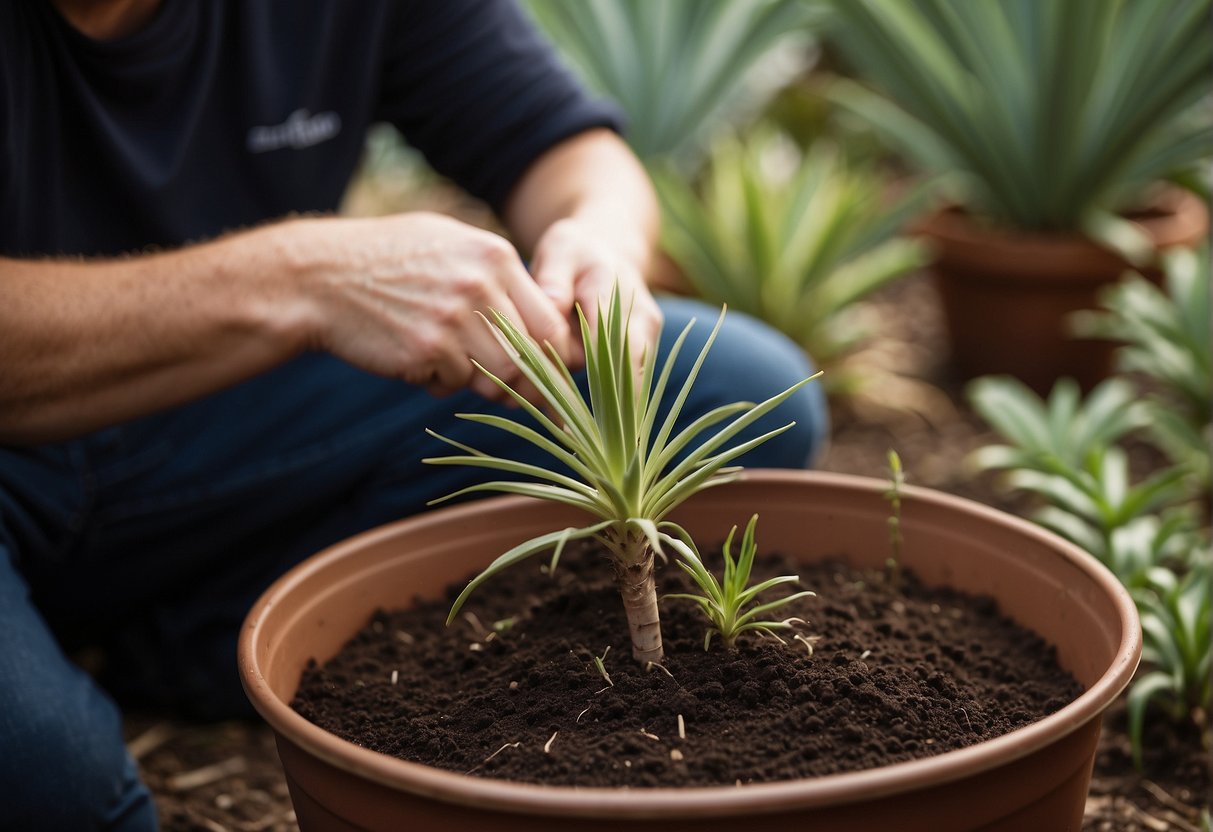
Yes, yucca plants can be propagated from stem cuttings. To do this, take a cutting from the top of the plant and let it dry for a few days. Once it has calloused over, plant the cutting in a pot with well-draining soil and water it sparingly until it begins to grow.
When is the ideal time to transplant yucca plants outdoors?
The ideal time to transplant yucca plants outdoors is in the spring or fall when the weather is mild. Avoid transplanting during the hot summer months or during the winter when the plant is dormant.
What considerations should be taken when choosing containers for indoor yucca plants?
When choosing containers for indoor yucca plants, make sure they have drainage holes to prevent water from accumulating at the bottom. It’s also important to choose a container that is the right size for the plant and matches your decor. Terracotta pots are a good choice as they are porous and allow for good air circulation.