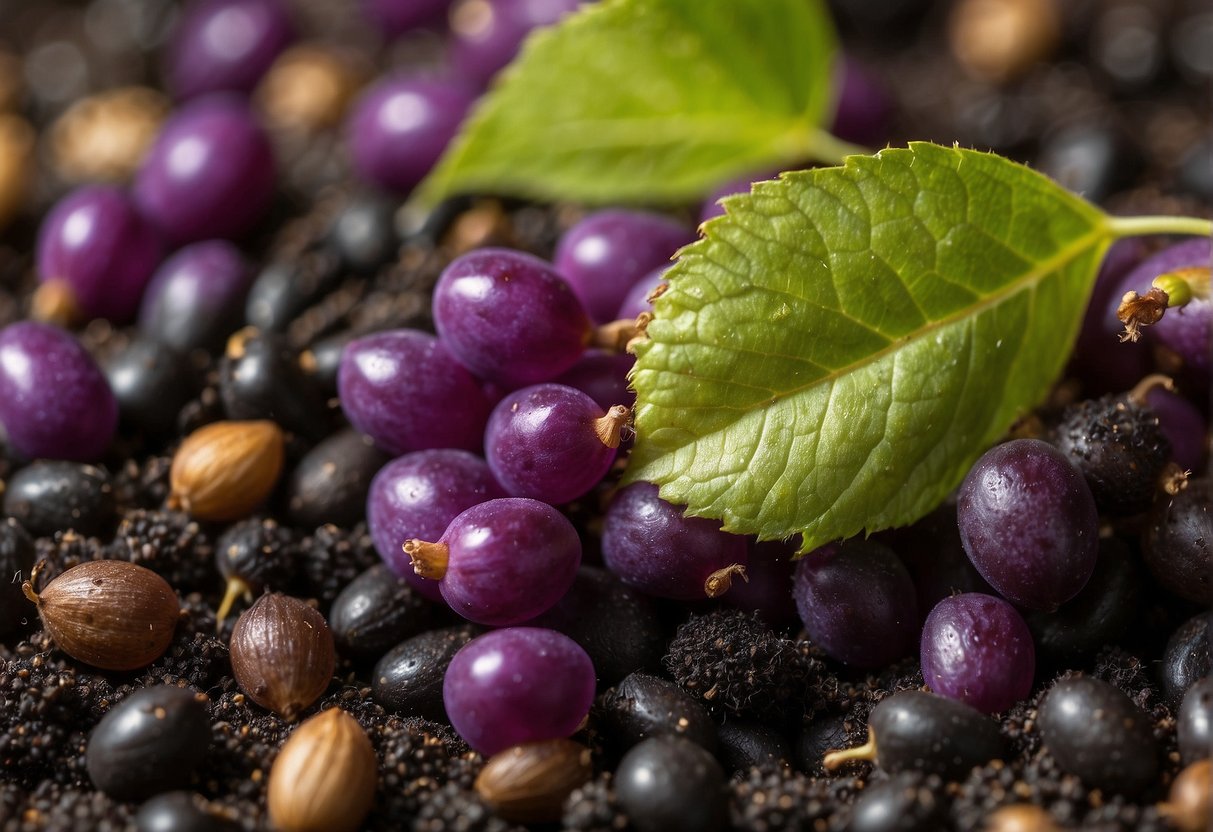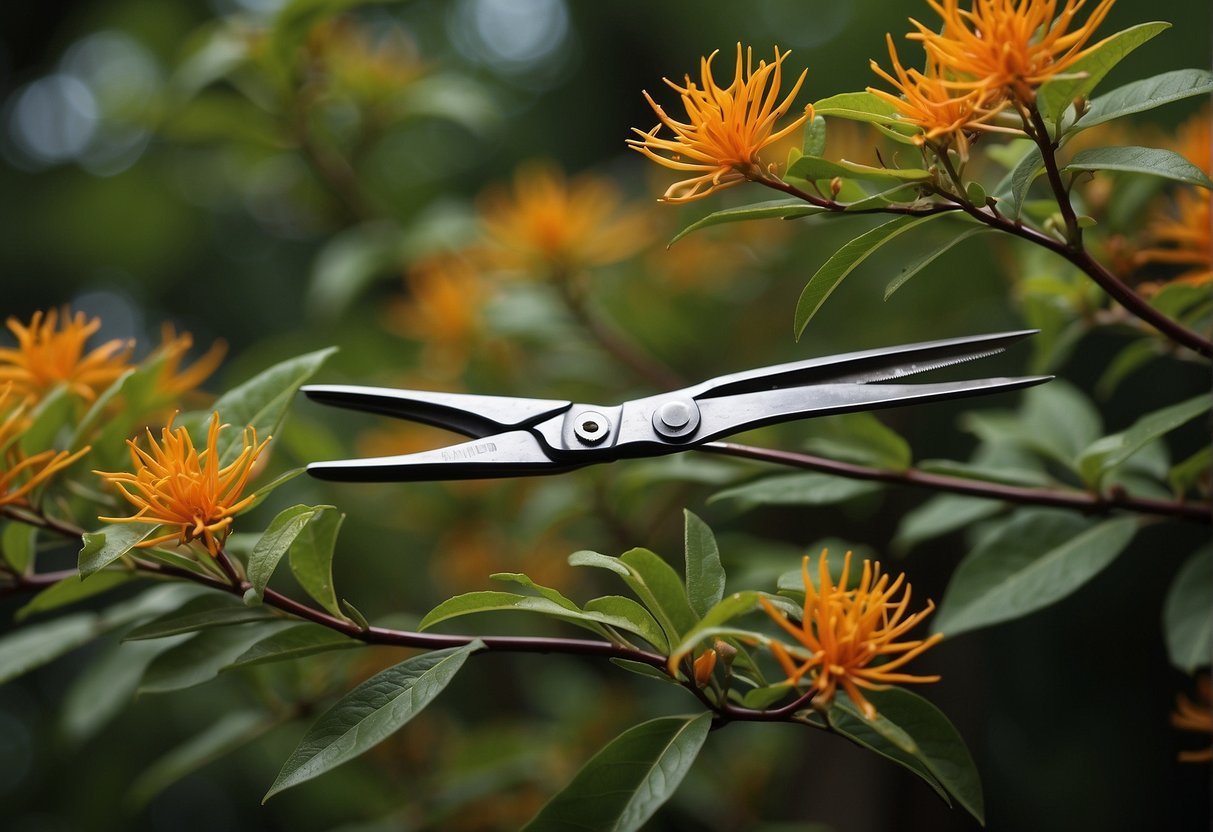

Should you be in the market for a shrub that’s easy to look after and brings a burst of color to your outdoor space, consider the beautyberry. Its striking purple berries and minimal maintenance requirements make it an excellent option for gardening novices and veterans. This guide will walk you through the steps to plant and nurture beautyberry, helping you to relish its splendor for many years ahead.
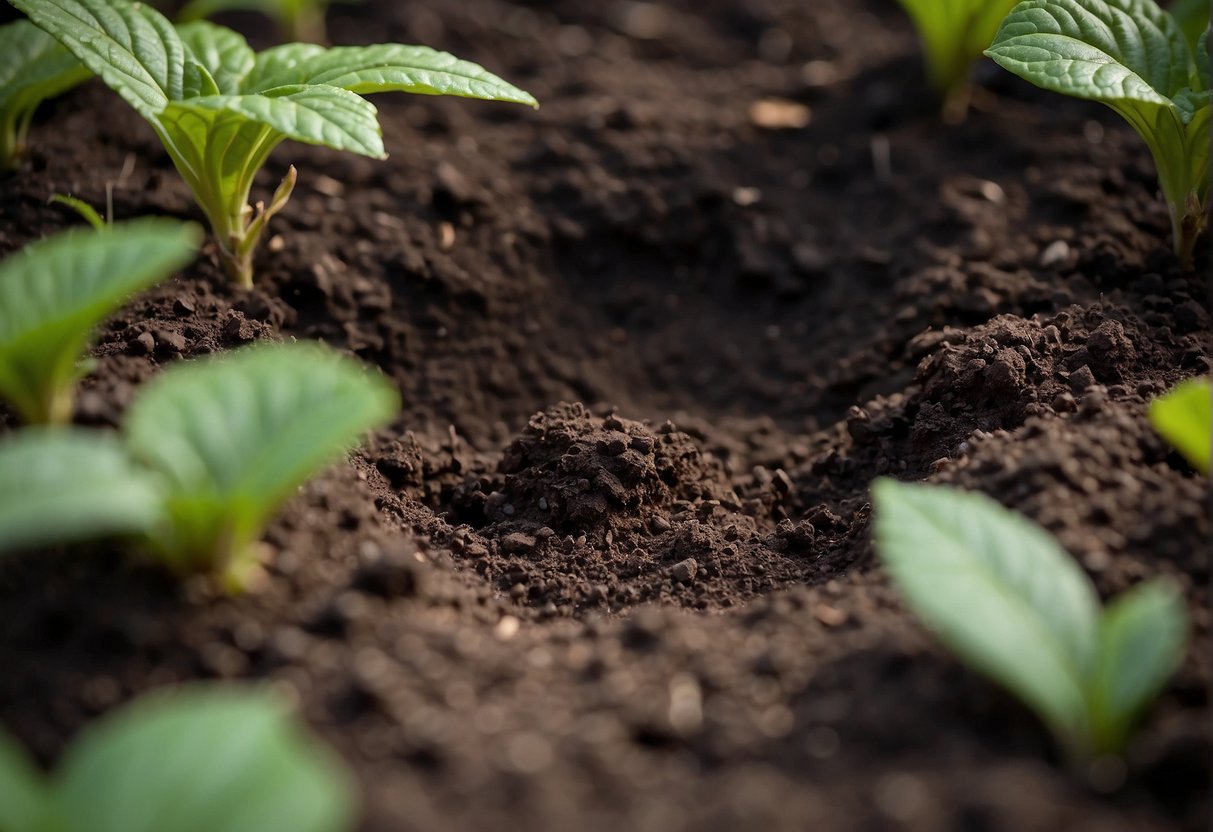
Before you start planting, it’s important to prepare your garden to ensure the best possible growing conditions for your beautyberry shrubs. This includes choosing a location with well-draining soil and the right amount of sunlight, as well as removing any weeds or debris from the area. Once your garden is ready, you can move on to planting your beautyberry shrubs, which is a simple and straightforward process. With a little bit of care and attention, your beautyberry shrubs will thrive and provide you with beautiful purple berries year after year.
Key Takeaways
- Beautyberry is a low-maintenance shrub that adds a pop of color to your garden.
- Before planting, prepare your garden by choosing a location with well-draining soil and the right amount of sunlight, and removing any weeds or debris.
- Plant your beautyberry shrubs in a simple and straightforward process, and with a little bit of care and attention, they will thrive and provide you with beautiful purple berries year after year.
Preparing the Garden for Planting
Before you start planting beautyberry, it is important to prepare your garden properly. This will ensure that your plants have the best chance of thriving and producing abundant berries. In this section, we will discuss the key steps involved in preparing your garden for planting beautyberry.
Selecting the Right Location
The first step in preparing your garden for planting beautyberry is to select the right location. Beautyberry plants prefer full sun to partial shade and well-drained soil. They can grow in a variety of soil types, but they prefer sandy soil with a pH between 5.5 and 6.5.
When choosing a location, it is important to consider the hardiness zone of your area. Beautyberry plants are hardy in zones 6 to 10, so if you live in a colder climate, you may need to take extra precautions to protect your plants from frost.
Soil Preparation and Requirements
Once you have selected the right location, it is time to prepare the soil. Start by removing any weeds or debris from the planting area. Then, dig a hole that is twice as wide and deep as the root ball of your beautyberry plant.
Mix some compost into the native soil to improve drainage and add nutrients. Beautyberry plants prefer well-draining soil, so if your soil is heavy or clay-like, you may need to add more compost or sand to improve drainage.
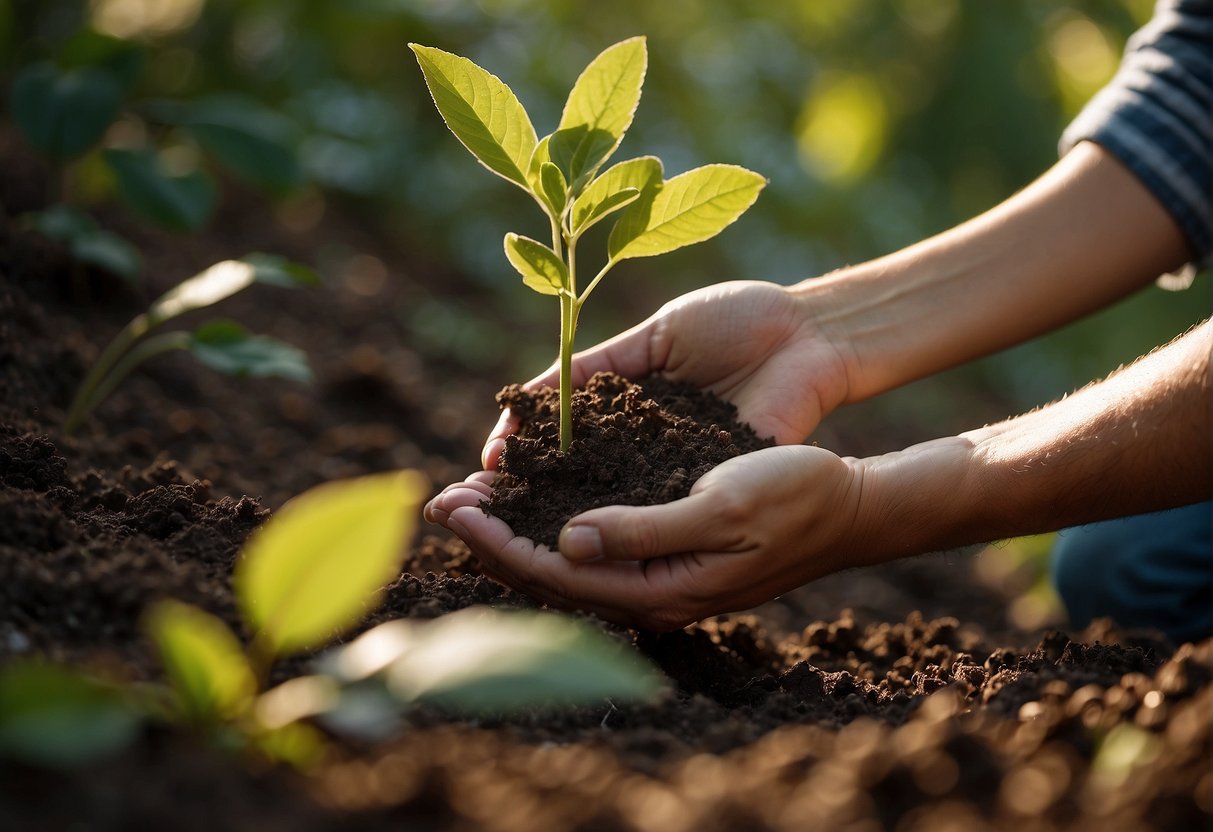
After you have prepared the soil, it is time to plant your beautyberry. Place the plant in the hole and backfill with the amended soil. Water the plant thoroughly and add a layer of mulch around the base to help retain moisture and suppress weeds.
By following these simple steps, you can prepare your garden for planting beautyberry and enjoy a bountiful harvest of beautiful berries.
Planting and Caring for Beautyberry
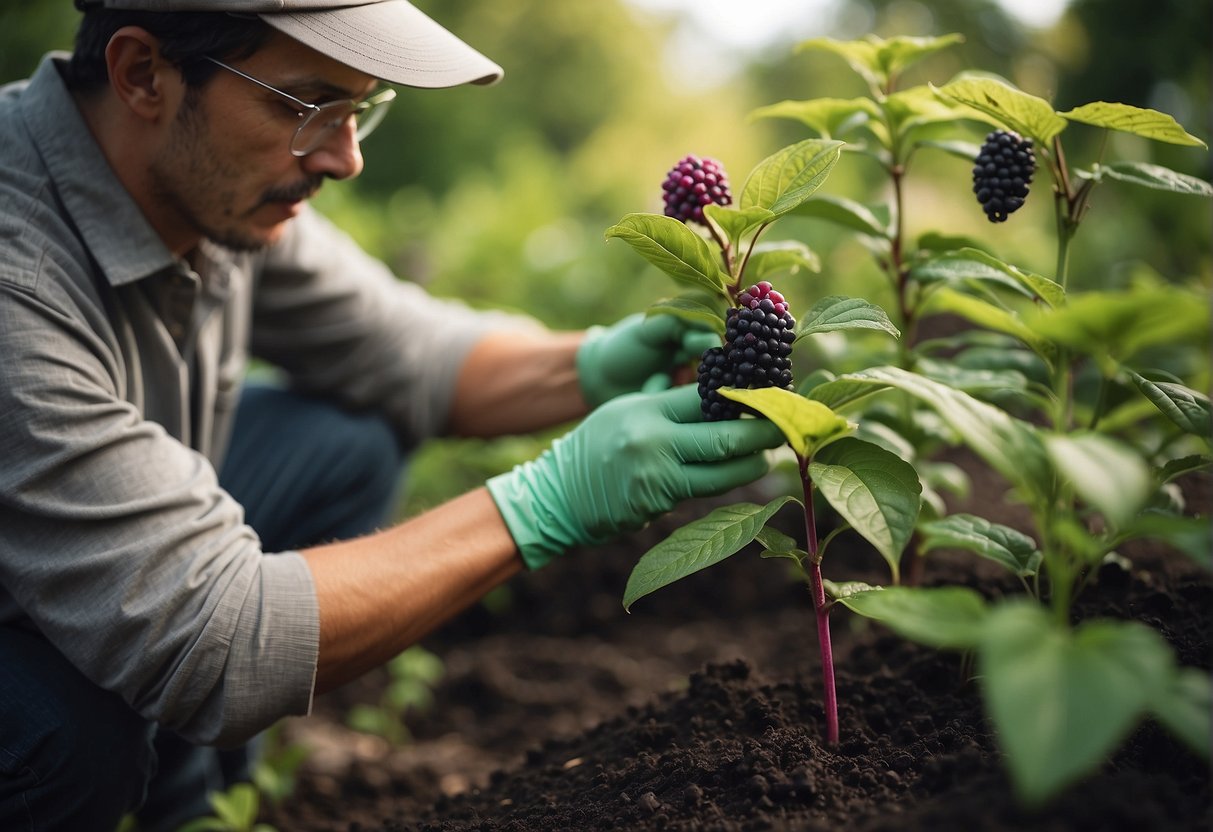
If you’re looking for a low-maintenance shrub that will add a pop of color to your garden, beautyberry is an excellent choice. Here’s what you need to know about planting and caring for this beautiful plant.
Planting Techniques
When planting beautyberry, choose a location that gets partial shade to full sun. The soil should be well-draining and rich in organic matter. Dig a hole that is twice as wide and just as deep as the root ball. Place the plant in the hole and backfill with soil, making sure to tamp it down firmly. Water the plant thoroughly.
Watering and Moisture Management
Beautyberry prefers moist soil, so make sure to water it regularly. During periods of drought, it’s especially important to keep the soil moist. Mulching around the base of the plant can help retain moisture and prevent the soil from drying out too quickly.
Fertilizing and Mulching
Beautyberry doesn’t require a lot of fertilizer, but a light application of a balanced fertilizer in the spring can help promote new growth. Mulching around the base of the plant can help retain moisture and suppress weeds.
Pruning and Maintenance
Beautyberry doesn’t require much pruning, but if you want to keep it looking neat and tidy, you can prune it lightly in the spring. Remove any dead or damaged branches, as well as any branches that are rubbing against each other. This will help promote new growth and keep the plant looking healthy.
In terms of maintenance, beautyberry is a relatively low-maintenance plant. Keep an eye out for any signs of diseases or pests, and address them promptly if you notice any issues. With proper care, your beautyberry plant should thrive and provide you with years of enjoyment.
Frequently Asked Questions

What are the ideal conditions for germinating beautyberry seeds?
Beautyberry seeds require warm soil temperatures to germinate, typically around 70-80°F. It’s best to sow the seeds in a well-draining soil mix and keep the soil moist but not waterlogged. Cover the seeds with a thin layer of soil and place them in a warm, bright location. Germination can take anywhere from 2-6 weeks.
In which USDA zones can beautyberry thrive?
Beautyberry is native to the southeastern United States and is hardy in USDA zones 6-10. It prefers a warm, humid climate and can tolerate both sun and shade.
How much sunlight is required for a healthy beautyberry bush?
Beautyberry can tolerate both full sun and partial shade, but it typically performs best in partial shade. It’s important to ensure that the plant receives at least 4-6 hours of sunlight per day for optimal growth and fruit production.
What are the spacing requirements for planting beautyberry?
When planting beautyberry, it’s important to space the plants at least 4-6 feet apart to allow for adequate air circulation and sunlight penetration. This will help to prevent disease and ensure healthy growth.
Can beautyberry bushes be propagated from cuttings?
Yes, beautyberry bushes can be propagated from softwood cuttings taken in early summer. Take 4-6 inch cuttings from the tips of the branches, remove the lower leaves, and dip the cut end in rooting hormone. Plant the cuttings in a well-draining soil mix and keep them moist and in a bright location until they root.
How do you care for beautyberry plants during winter?
Beautyberry is a deciduous shrub and will lose its leaves in the fall. In the winter, it’s important to protect the plant from harsh winds and freezing temperatures. Apply a layer of mulch around the base of the plant to help insulate the roots and protect them from freezing. Prune the plant in late winter or early spring to remove any dead or damaged branches.