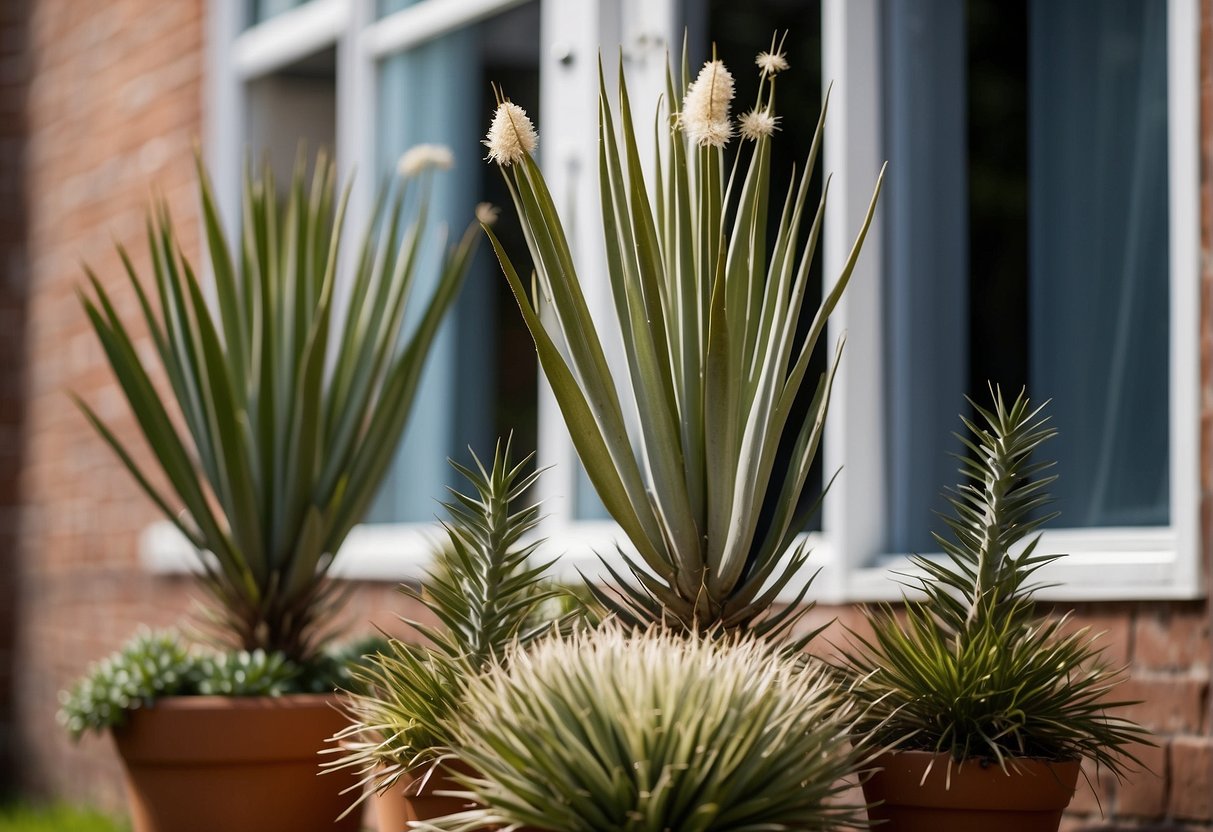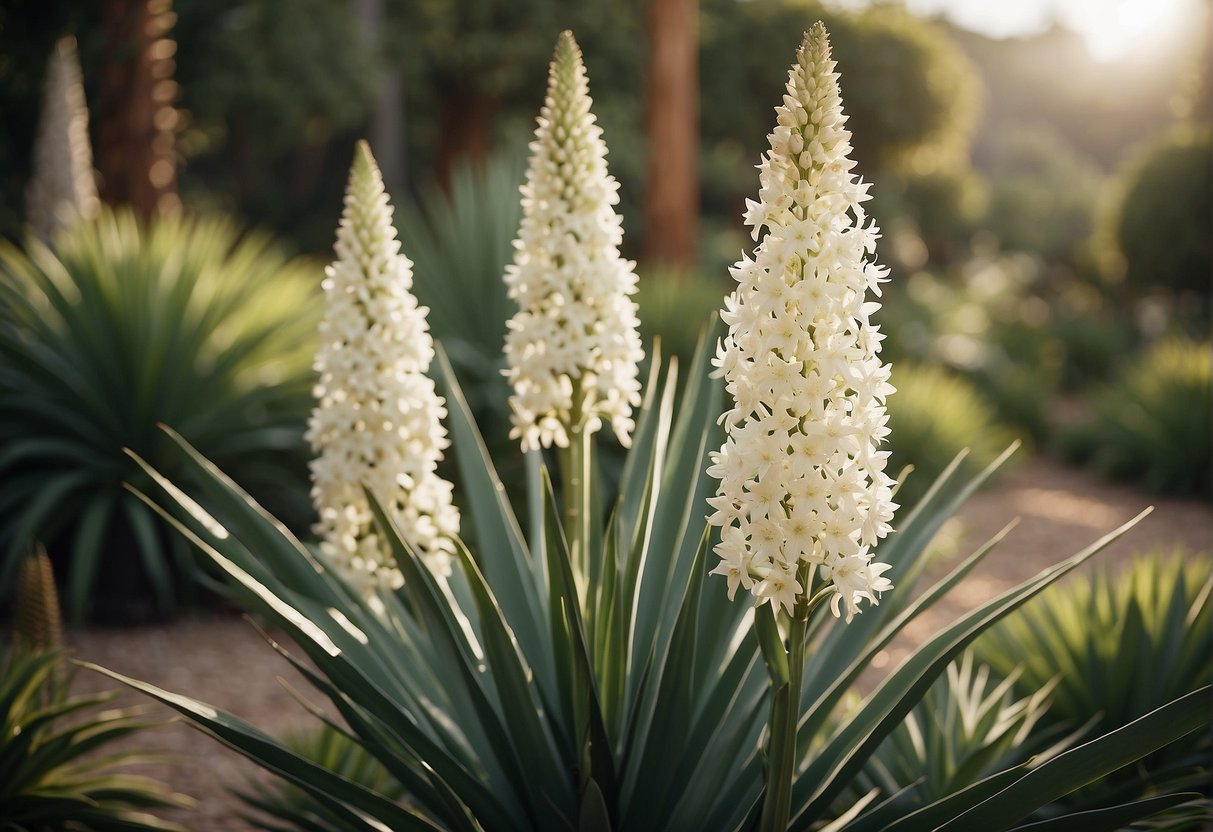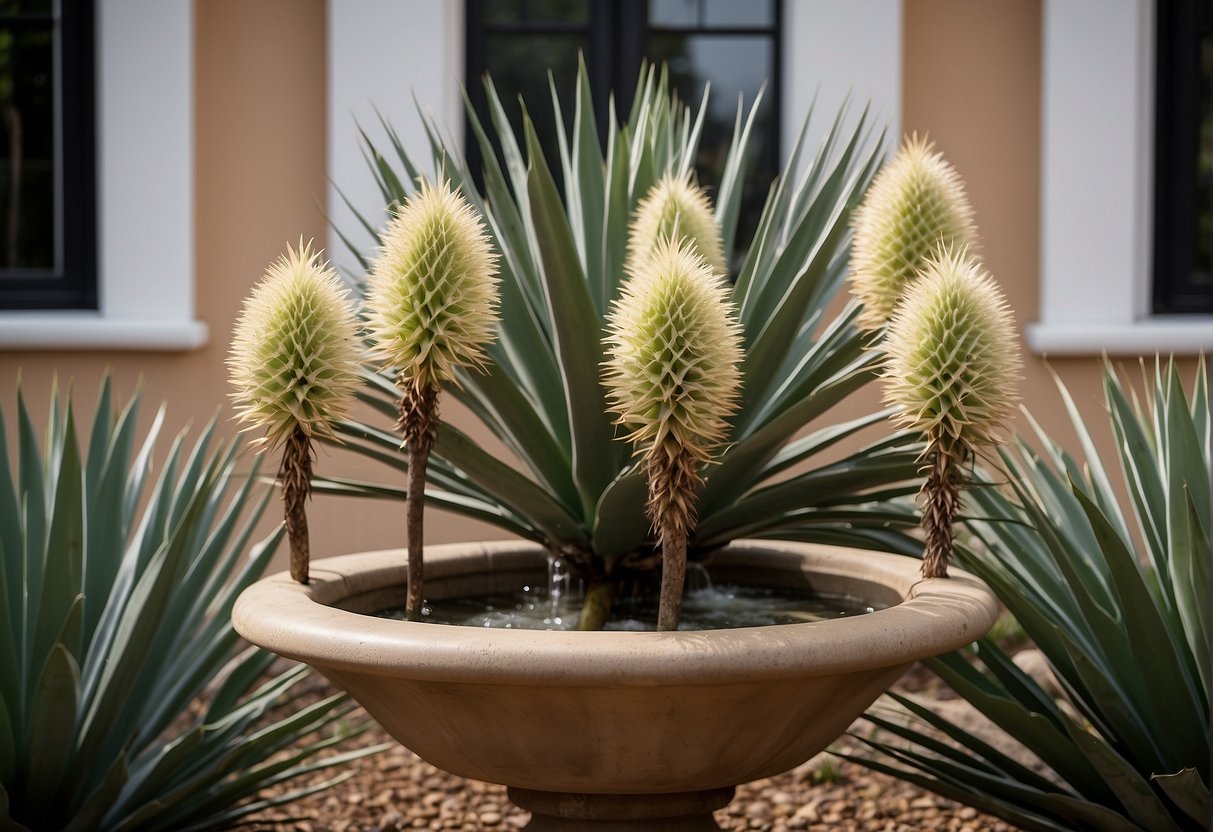

Having trouble with yucca plants encroaching in your garden space? Yucca plants, known for their hardiness, can pose a challenge to remove. However, employing the correct techniques can help you successfully eradicate them from your garden. This article will explore different strategies to effectively eliminate yucca plants and ensure they don’t return.
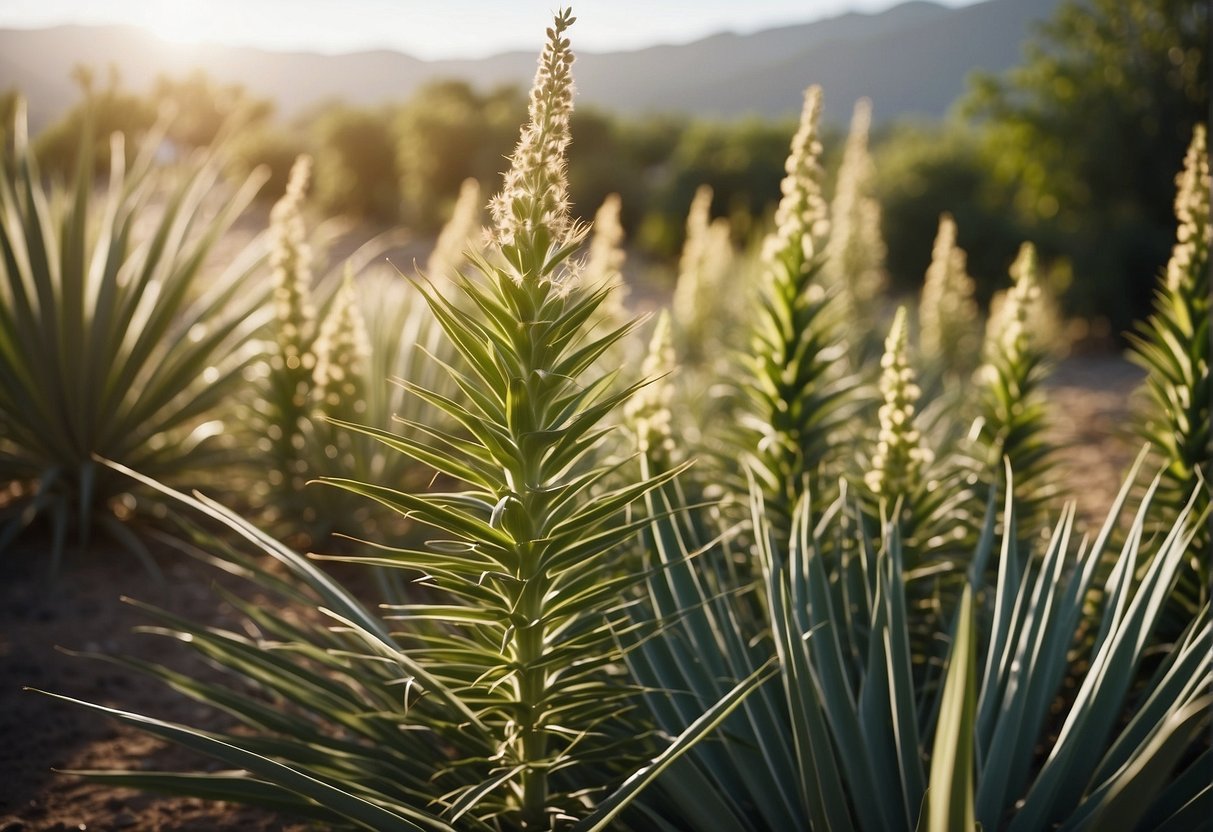
Physical removal of yucca plants is one option for getting rid of them. This involves digging up the entire plant, including the roots, and disposing of it properly. While this method can be time-consuming, it is effective and ensures that the plant will not grow back. However, it is important to wear gloves and protective clothing when handling yucca plants as they have sharp leaves that can cause injury.
Chemical control methods are another option for killing yucca plants. There are various herbicides available on the market that are specifically designed to kill yucca plants. However, it is important to read and follow the instructions carefully to ensure that the herbicide is used safely and effectively. Keep in mind that some herbicides may also harm other plants in your garden, so it is important to use them with caution.
Key Takeaways
- Physical removal involves digging up the entire plant, including the roots, and disposing of it properly.
- Chemical control methods include using herbicides specifically designed to kill yucca plants, but it is important to use them with caution.
- Preventing yucca plants from growing in the first place can save you time and effort in the long run.
Physical Removal of Yucca Plants
If you’re looking to get rid of yucca plants in your garden, physical removal is one of the most effective methods. This involves digging out the plant and dealing with the root system to prevent regrowth. Here’s how to do it:
Digging Out the Yucca
To dig out a yucca plant, you’ll need a shovel, gloves, and possibly a saw or pruning shears if the plant is particularly large or tough. Start by digging around the base of the plant to loosen the soil and expose the roots. Be sure to wear gloves to protect your hands from the sharp leaves.
Once you’ve loosened the soil, use your shovel to pry the plant out of the ground. Be sure to get as much of the root system as possible, as any remaining roots can lead to regrowth. If the plant is particularly large, you may need to use a saw or pruning shears to cut through some of the thicker roots.
Dealing with the Root System
After you’ve removed the yucca plant, it’s important to deal with the root system to prevent regrowth. Start by removing any loose soil and debris from the roots. Then, use your saw or pruning shears to cut the roots into smaller pieces. This will make it easier to remove them from the soil.
Once you’ve cut the roots, use your shovel to dig out as much of the root system as possible. Be sure to remove any small pieces of root that may have been left behind. If you’re dealing with a particularly stubborn yucca plant, you may need to repeat this process several times to fully remove the roots.
Overall, physical removal is a great way to get rid of yucca plants in your garden. By following these steps and being thorough in your removal process, you can ensure that the plant won’t grow back and take over your garden.
Chemical Control Methods
Applying Herbicides
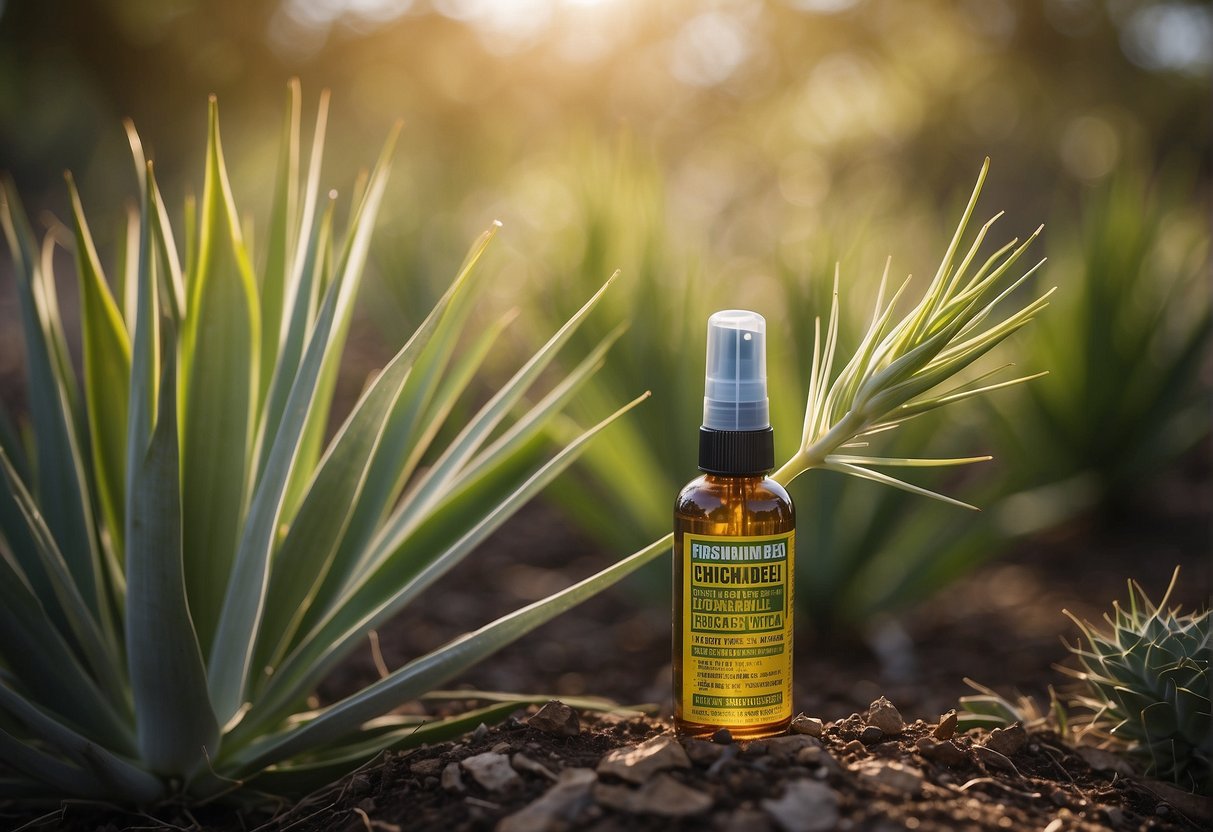
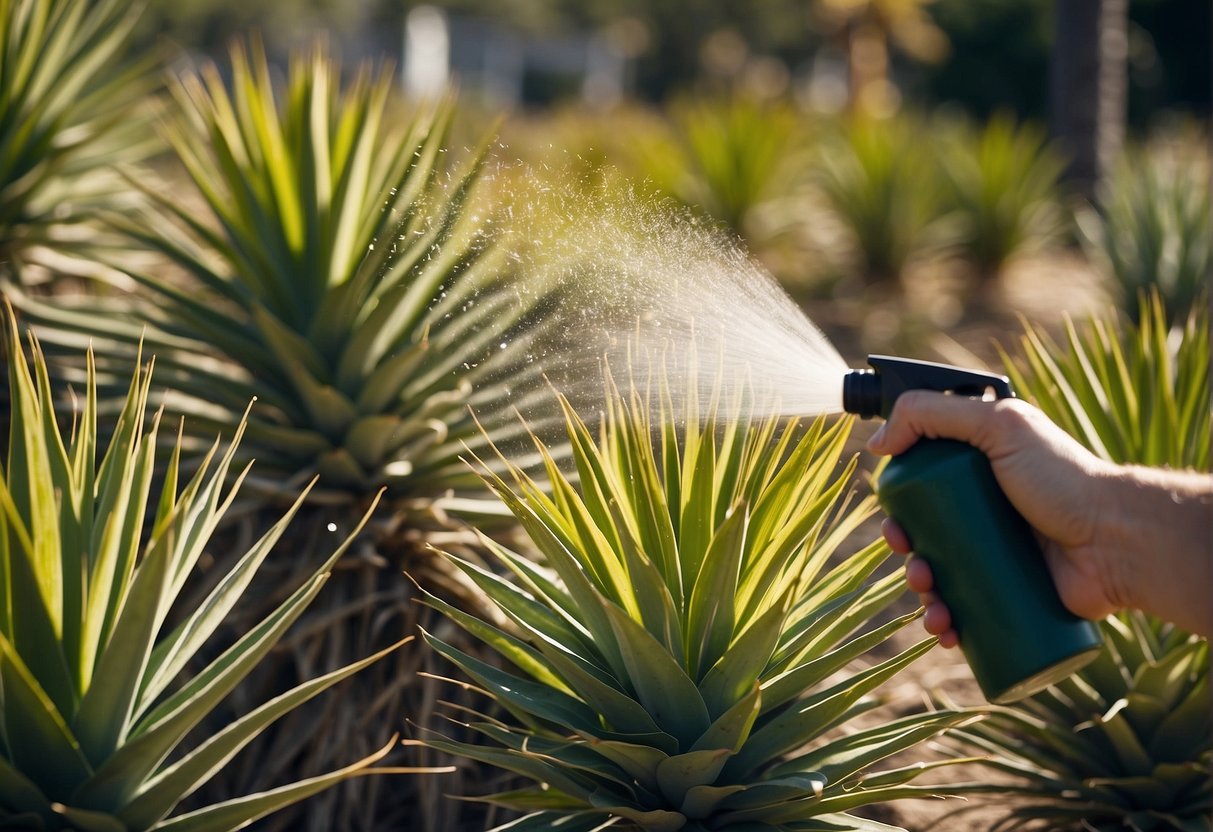
If you want to kill yucca plants in your garden quickly, using herbicides is the most effective method. Herbicides are chemicals that can kill plants, including their roots. However, you must be careful when using herbicides as they can also harm other plants in your garden.
Before applying herbicides, you should wear protective clothing, including gloves, long-sleeved shirts, and pants. You should also make sure that there is no wind as it can carry the herbicide to other plants.
There are two types of herbicides that you can use to kill yucca plants: non-selective and selective. Non-selective herbicides are chemicals that can kill any plant they come into contact with, while selective herbicides are designed to target specific types of plants.
To kill yucca plants, you should use non-selective herbicides such as glyphosate. Glyphosate is a systemic herbicide that can kill the entire plant, including its roots. To apply glyphosate, you should mix it with water and vegetable oil or diesel fuel. Then, you can spray the mixture directly onto the yucca plant using a sprayer.
Preventing Regrowth
After you have killed the yucca plant, you should prevent it from regrowing. Yucca plants have a strong root system that can regenerate new growth. To prevent regrowth, you should use a stump killer that contains triclopyr. Triclopyr is a herbicide that can kill the roots of the yucca plant.
To apply triclopyr, you should cut the yucca plant as close to the ground as possible. Then, you should apply the stump killer directly onto the cut surface of the yucca plant. This will prevent the yucca plant from regrowing.
Overall, using herbicides is an effective way to kill yucca plants in your garden. However, you should be careful when using herbicides as they can harm other plants and animals. You should also follow the instructions on the herbicide label and wear protective clothing to prevent any accidents.
Frequently Asked Questions
What are effective methods for removing yucca plants from my garden?
There are several effective methods for removing yucca plants from your garden. One option is to dig up the entire plant, including the roots. This can be a difficult task, as yucca plants have deep and extensive root systems. Another option is to cut the plant down to the ground and then apply herbicide to the remaining stump. This can be an effective method for killing the plant, but it may take several applications to completely eradicate it.
Can natural solutions be used to effectively kill yucca plants?
Yes, there are several natural solutions that can be used to effectively kill yucca plants. One option is to pour boiling water over the plant, which will kill the leaves and stems. Another option is to apply vinegar to the plant, which can also kill it. However, it is important to note that these natural solutions may not be as effective as chemical herbicides.
Is it possible to eradicate yucca roots using household chemicals?
It is possible to eradicate yucca roots using household chemicals, but it can be a difficult and time-consuming process. One option is to apply a strong herbicide, such as glyphosate, directly to the roots. However, this may require multiple applications and can take several months to completely kill the roots.
Which herbicides are recommended for killing yucca plants?
There are several herbicides that are recommended for killing yucca plants, including glyphosate, triclopyr, and imazapyr. It is important to follow the instructions on the label carefully and use the herbicide as directed to ensure the best results.
What techniques can prevent yucca plants from regrowing?
One technique for preventing yucca plants from regrowing is to remove as much of the root system as possible when removing the plant. Another option is to apply a pre-emergent herbicide to the area where the plant was growing, which can prevent new yucca plants from sprouting.
How can I safely control the spread of yucca plants in my garden?
To safely control the spread of yucca plants in your garden, it is important to remove any plants that are growing outside of their designated area as soon as possible. You can also install barriers, such as a root barrier or a physical barrier, to prevent the plants from spreading. Additionally, it is important to properly dispose of any plant material to prevent the spread of seeds or roots.