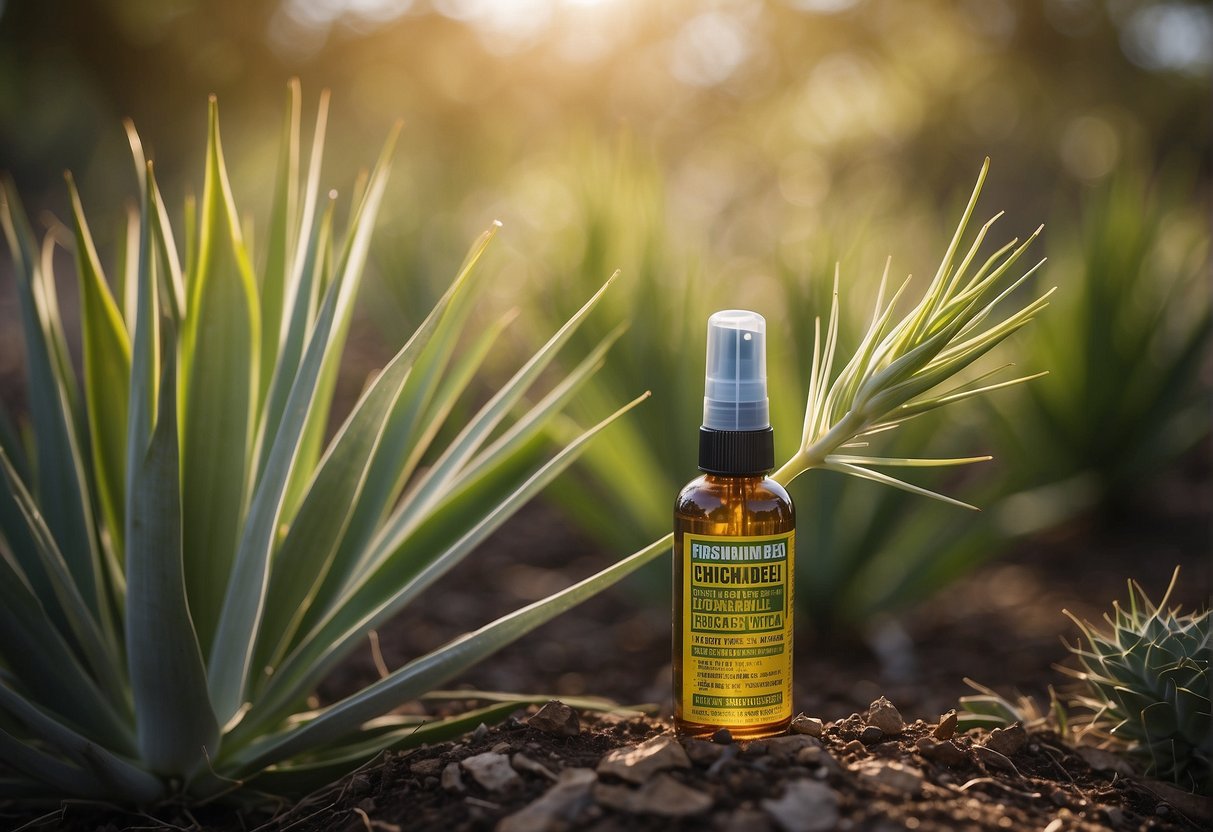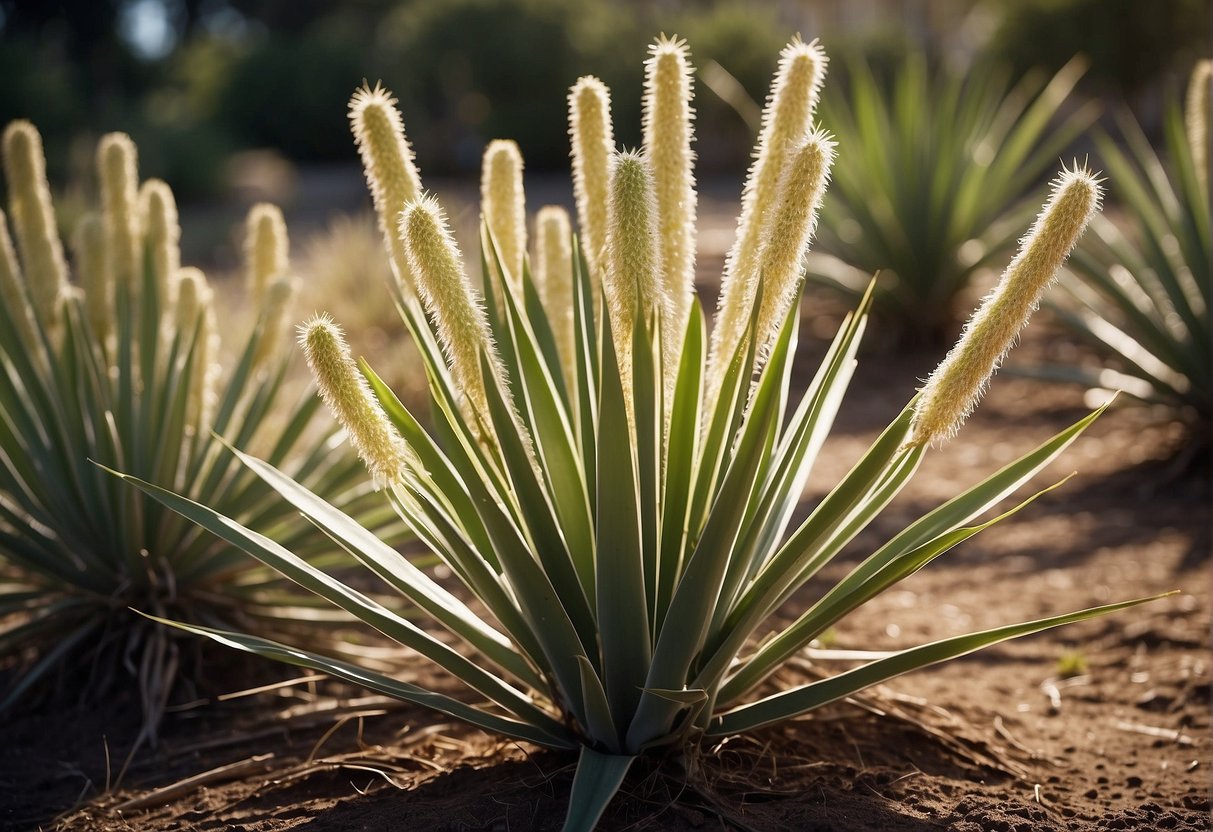

Should you have a Yucca plant on your property, you’re likely familiar with how rapidly they can spread. These resilient plants are frequently chosen for garden design due to their ability to withstand drought and minimal upkeep requirements, yet they can swiftly turn into an inconvenience if not managed properly. Luckily, numerous successful strategies exist for eliminating Yucca plants.
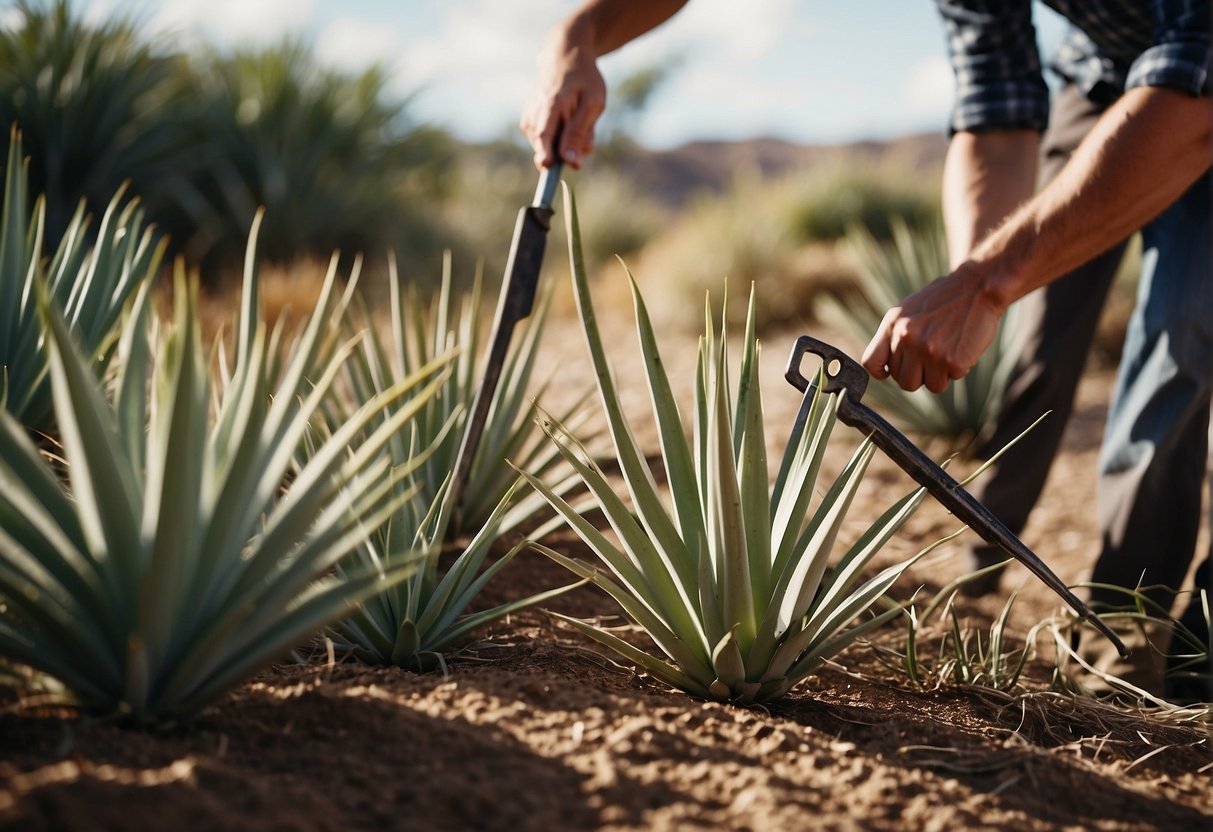
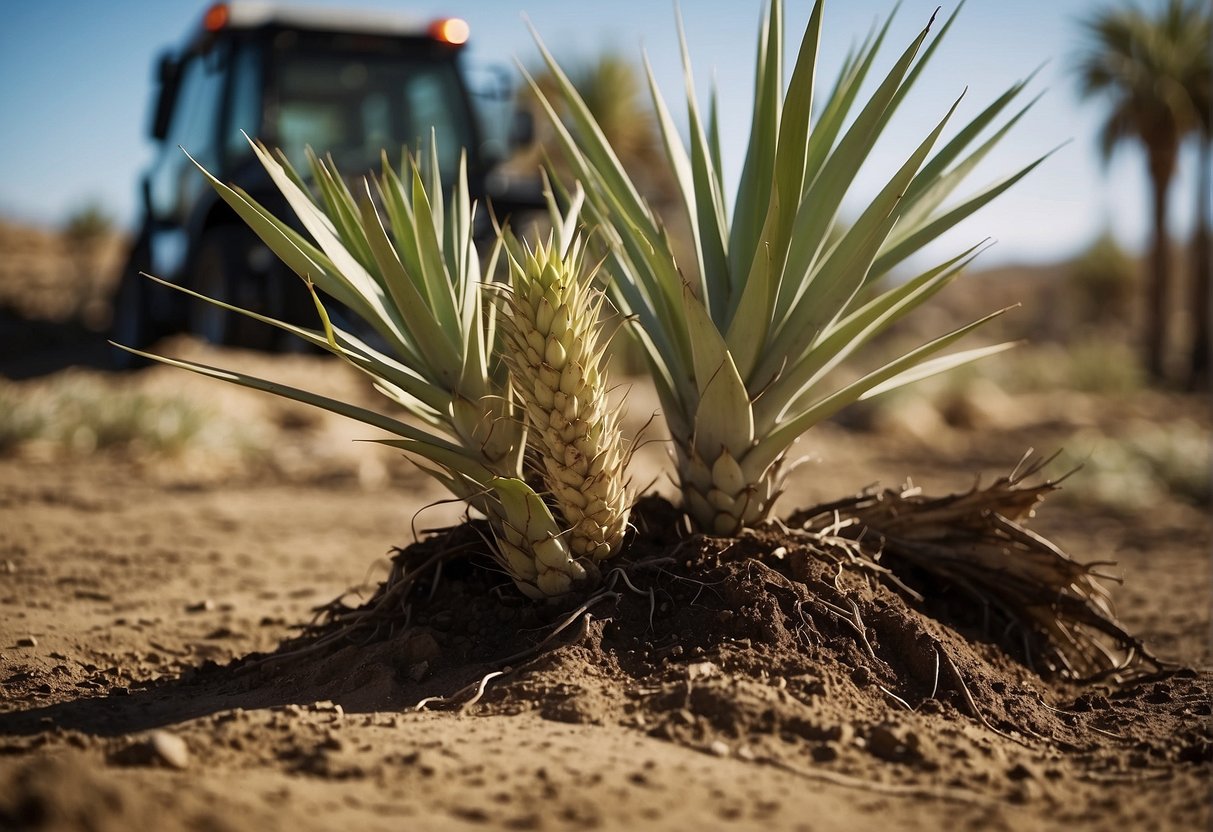
Before you can effectively eradicate Yucca plants, it’s important to understand their growth habits. Yucca plants are native to arid regions of North and Central America, and they have adapted to survive in harsh conditions. They have thick, fleshy roots that can store water for long periods of time, and they can reproduce both sexually and asexually. This means that even if you remove the visible plant, there may be hidden roots or seeds that can sprout new growth.
Effective eradication methods for Yucca plants vary depending on the size and location of the plant. Small plants can often be dug up by hand or treated with herbicides, while larger plants may require more drastic measures like cutting, burning, or using heavy machinery. It’s important to choose the right method for your situation to ensure that you get rid of the plant completely and prevent it from coming back.
Key Takeaways
- Yucca plants can quickly become a nuisance if left unchecked.
- Yucca plants have thick, fleshy roots that can store water for long periods of time, and they can reproduce both sexually and asexually.
- Effective eradication methods for Yucca plants vary depending on the size and location of the plant.
Understanding Yucca Plants
Characteristics of Yucca Plants
Yucca plants are a type of perennial plant that are native to North America. They are known for their distinctive appearance, with long, pointed leaves and tall, spiky flowers. Yucca plants are also known for their rapid growth and ability to thrive in drought conditions, making them a popular choice for low-maintenance gardens and landscapes.
In addition to their hardy nature, yucca plants are also known for their invasive tendencies. If left unchecked, they can quickly take over a garden or landscape, crowding out other plants and disrupting the natural ecosystem. As a result, many gardeners and landscapers choose to remove yucca plants from their property.
Reasons for Removing Yucca Plants
There are several reasons why you might want to remove yucca plants from your garden or landscape. One of the most common reasons is their invasive nature. As mentioned earlier, yucca plants can quickly take over an area, making it difficult for other plants to grow and thrive.
Another reason to remove yucca plants is their potential to cause harm. The sharp, pointed leaves of yucca plants can be dangerous to humans and animals, especially if they come into contact with the eyes or skin. This can be particularly concerning if you have young children or pets that spend time in your garden or landscape.
Finally, some people choose to remove yucca plants simply because they do not like the way they look. While yucca plants can be quite striking, their unique appearance is not to everyone’s taste. If you prefer a more traditional or understated garden or landscape, removing yucca plants may be the right choice for you.
Overall, while yucca plants can be a beautiful and drought-tolerant addition to your garden or landscape, they are not without their drawbacks. If you decide to remove yucca plants from your property, be sure to take the necessary precautions to protect yourself and others from their sharp leaves.
Effective Eradication Methods
If you want to get rid of yucca plants, there are several effective eradication methods you can try. In this section, we will cover the most popular ones.
Mechanical Removal Techniques
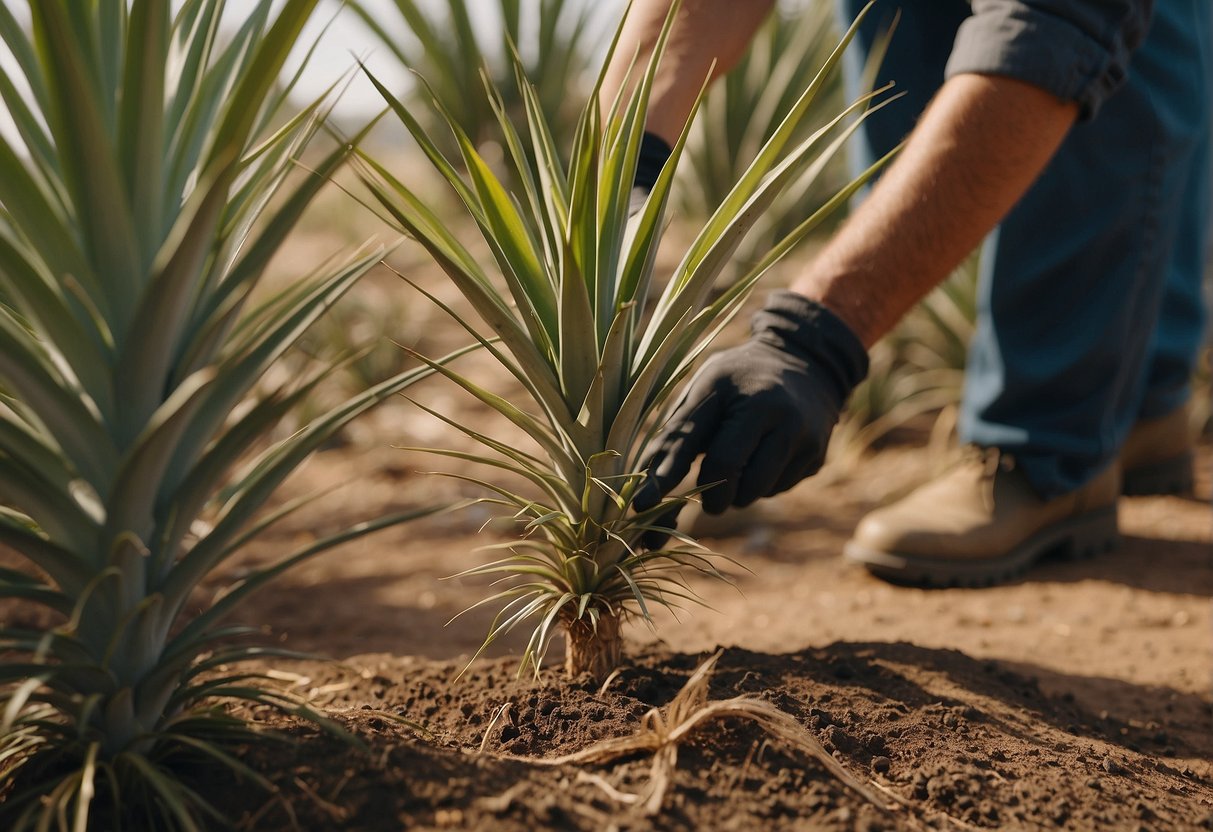
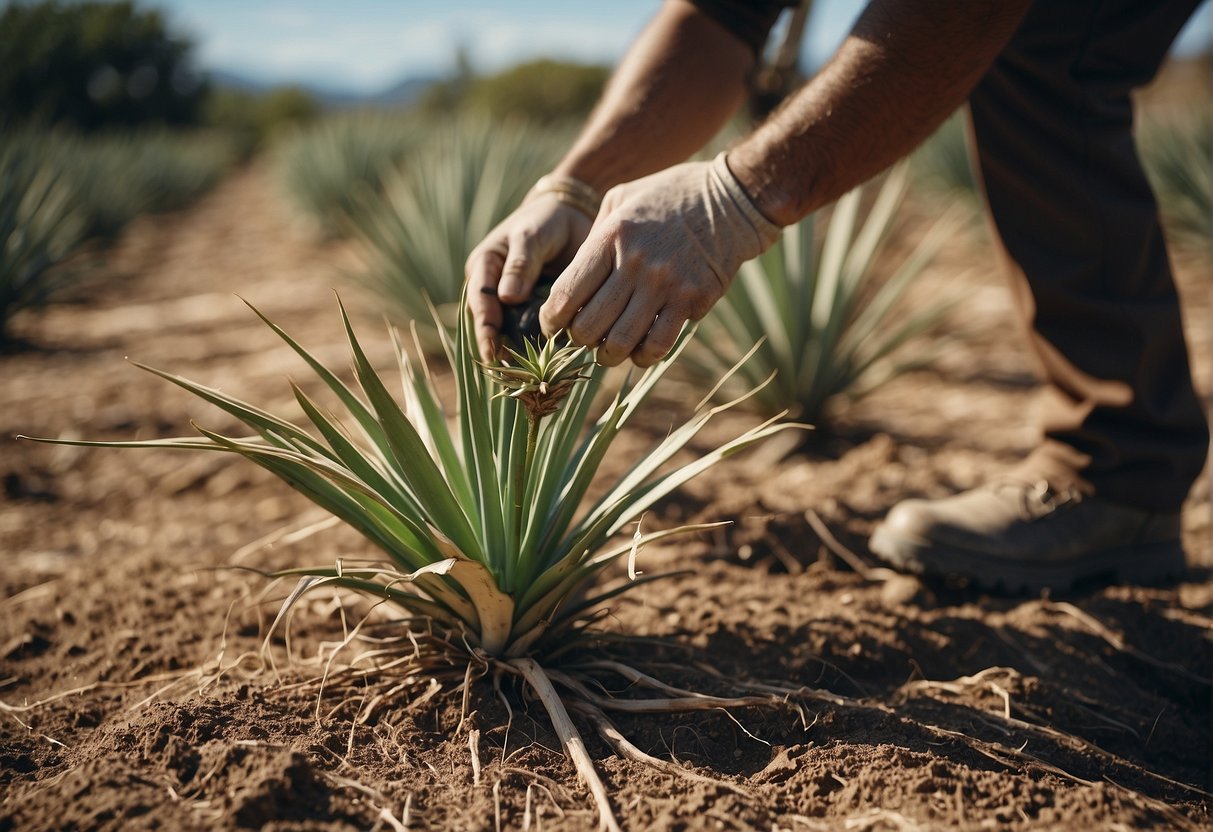
Mechanical removal techniques involve physically removing the plant and its root system. This method is effective but can be time-consuming and labor-intensive. You will need gloves, a shovel, pruning shears, and a saw.
To remove a yucca plant, start by cutting off the foliage and branches. Then, dig a hole around the root system and try to remove it entirely. If the root system is too large, you may need to cut it into smaller pieces using a saw or an axe. Make sure to dispose of the plant and its root system properly.
Chemical Control Strategies
Chemical control strategies involve using herbicides to kill the plant. This method is effective but can be harmful to the environment and other plants. You will need protective clothing, a sprayer, and an herbicide mixture.
One popular herbicide for killing yucca plants is glyphosate. Apply the herbicide to the main trunk and the sword-shaped leaves using a sprayer. Another effective herbicide is triclopyr, which is also non-selective. Make sure to follow the instructions on the herbicide label carefully.
Natural and Organic Solutions
Natural and organic solutions involve suffocating the plant or using natural substances to kill it. This method is safe for the environment but may take longer to work. You will need mulch, newspaper, plastic sheet, vegetable oil, and epsom salt.
To suffocate the plant, cover it with mulch, newspaper, or a plastic sheet. This will prevent sunlight from reaching the plant, which will eventually kill it. Another natural solution is to mix vegetable oil and epsom salt and apply it to the plant. This will dehydrate the plant and kill it.
In conclusion, getting rid of yucca plants requires patience, persistence, and the right tools. Whether you choose mechanical removal techniques, chemical control strategies, or natural and organic solutions, make sure to identify the plant, protect yourself and others, and follow the instructions carefully.
Frequently Asked Questions
What is the most effective natural method to kill yucca plants?
The most effective natural method to kill yucca plants is to cut off the plant’s top growth and apply a mixture of salt and vinegar to the remaining stump. This will eventually kill the plant’s roots and prevent regrowth.
Can household vinegar be used to control yucca plant growth?
Yes, household vinegar can be used to control yucca plant growth. However, it is not as effective as other methods and may require multiple applications. Mix vinegar with water at a 50:50 ratio and spray it onto the plant’s leaves and stems.
What herbicides are recommended for eradicating yucca plants?
Herbicides containing glyphosate or triclopyr are recommended for eradicating yucca plants. These chemicals are absorbed by the plant and kill it from the roots up. Make sure to follow the instructions carefully and wear protective clothing when using herbicides.
Is it possible to kill yucca roots with boiling water?
Boiling water can be used to kill yucca roots, but it is not as effective as other methods. Pour boiling water onto the plant’s roots and repeat the process several times until the plant dies.
How do I safely remove a large yucca plant from my yard?
To safely remove a large yucca plant from your yard, start by cutting off the top growth and digging around the plant’s base to expose the roots. Use a shovel or root saw to cut the roots and remove the plant from the ground. Wear gloves and protective clothing to avoid injury.
Does applying bleach to yucca roots ensure the plant’s death?
Applying bleach to yucca roots may kill the plant, but it is not a recommended method. Bleach can harm surrounding plants and soil, and it is not as effective as other methods. It is best to use herbicides or natural methods to kill yucca plants.