Home » Blog » How to Propagate Yucca Plants: A Step-by-Step Guide
How to Propagate Yucca Plants: A Step-by-Step Guide
December 28, 2024
Should you wish to enlarge your collection of yucca plants or desire to distribute your cherished plant among your loved ones, employing propagation methods is an excellent choice. The process of propagating yucca plants is straightforward and economical, allowing you to cultivate more plants from those you already possess. By utilizing the appropriate tools and methods, you can efficiently propagate yucca plants in the comfort of your home.
To propagate yucca plants, you will need to understand the basics of plant propagation. This includes understanding the different methods of propagation, the tools and materials needed, and the aftercare required for your propagated yuccas. With a little bit of knowledge and patience, you can successfully propagate your yucca plants and enjoy the benefits of having more plants in your collection.
Key Takeaways
Propagating yucca plants is a simple and cost-effective way to create new plants from existing ones.
Understanding the basics of plant propagation, including different methods and aftercare, is essential for successful yucca plant propagation.
With the right tools and techniques, you can easily propagate yucca plants at home.
Understanding Yucca Plant Propagation
If you’re looking to expand your yucca plant collection, propagation is an easy way to do so. Understanding the right propagation methods, optimal conditions, and common challenges can help ensure success.
Propagation Methods
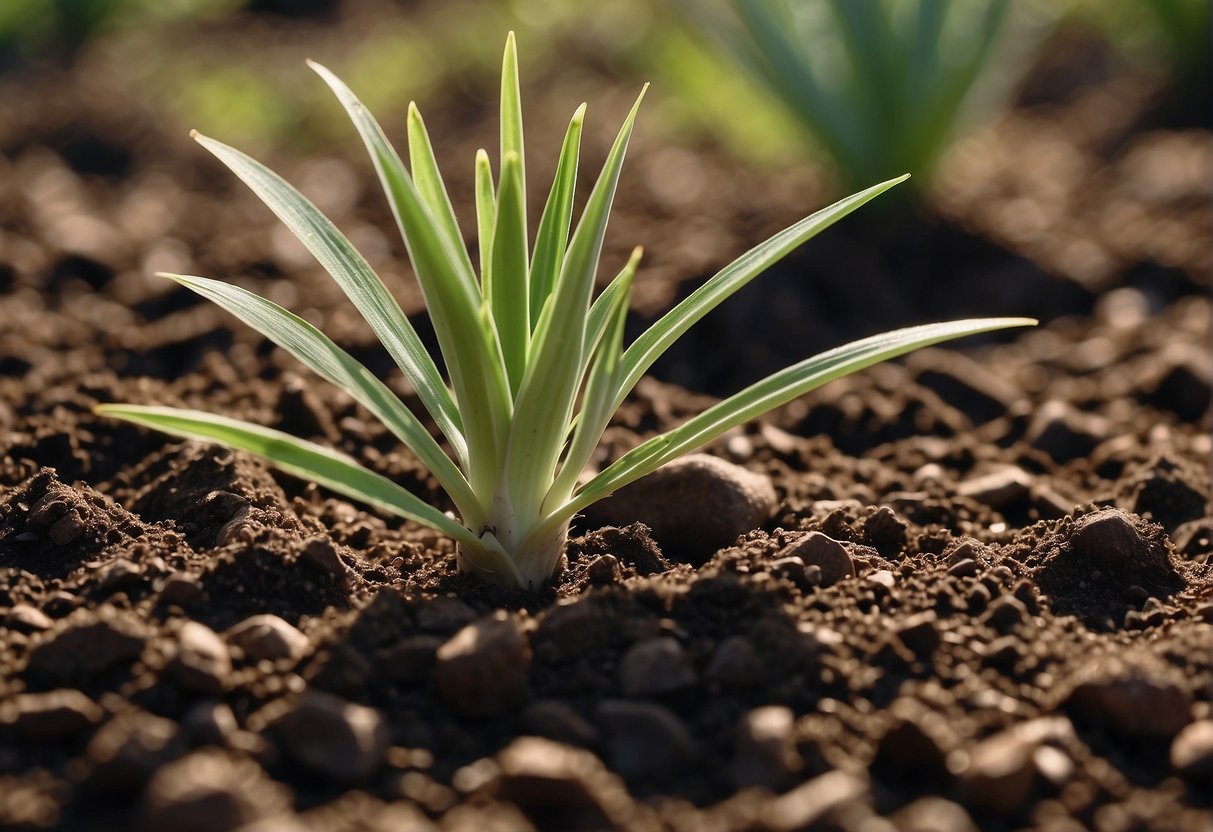
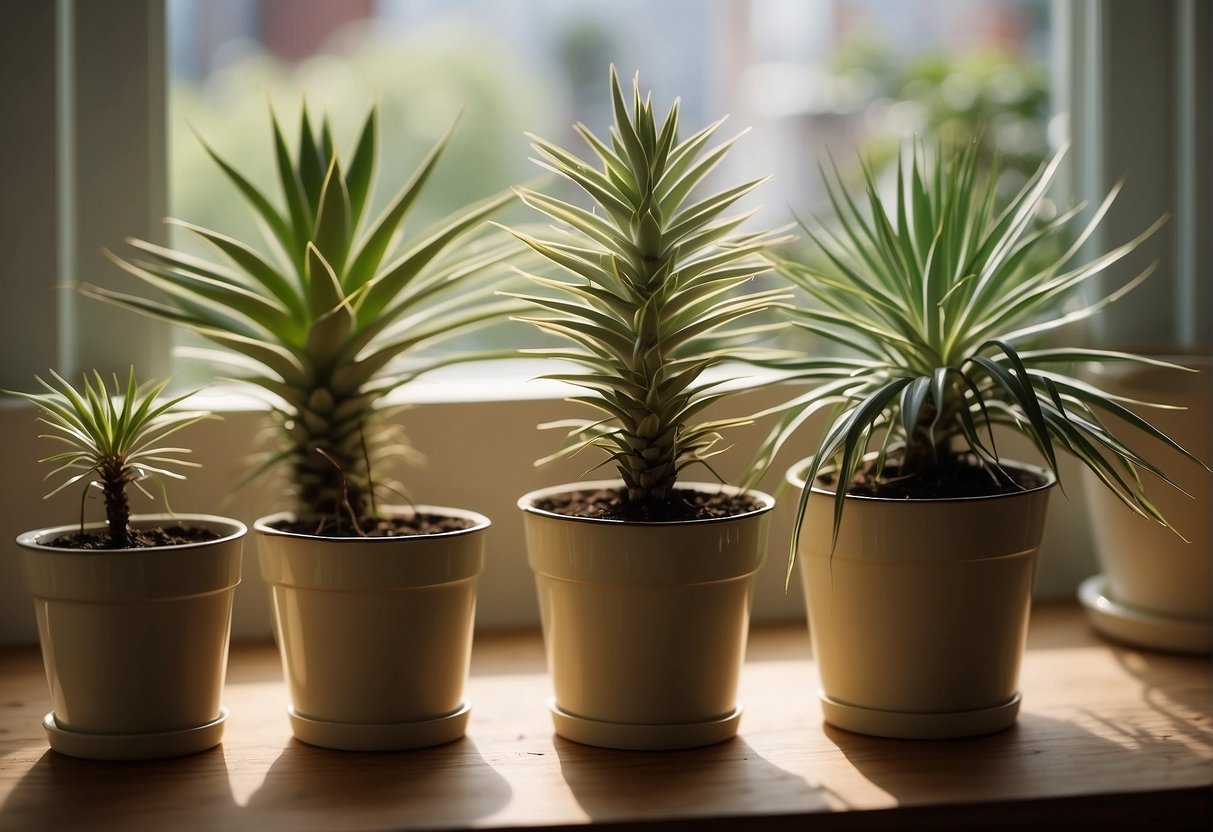
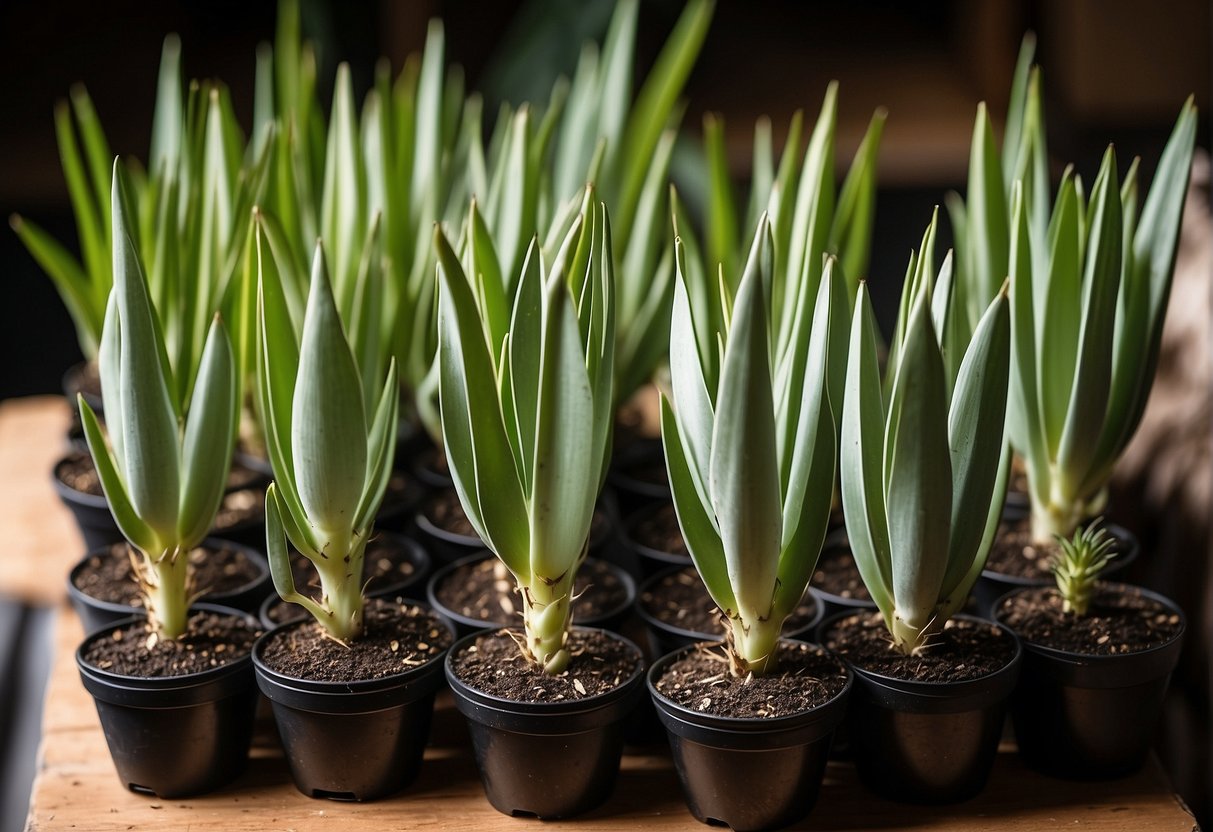
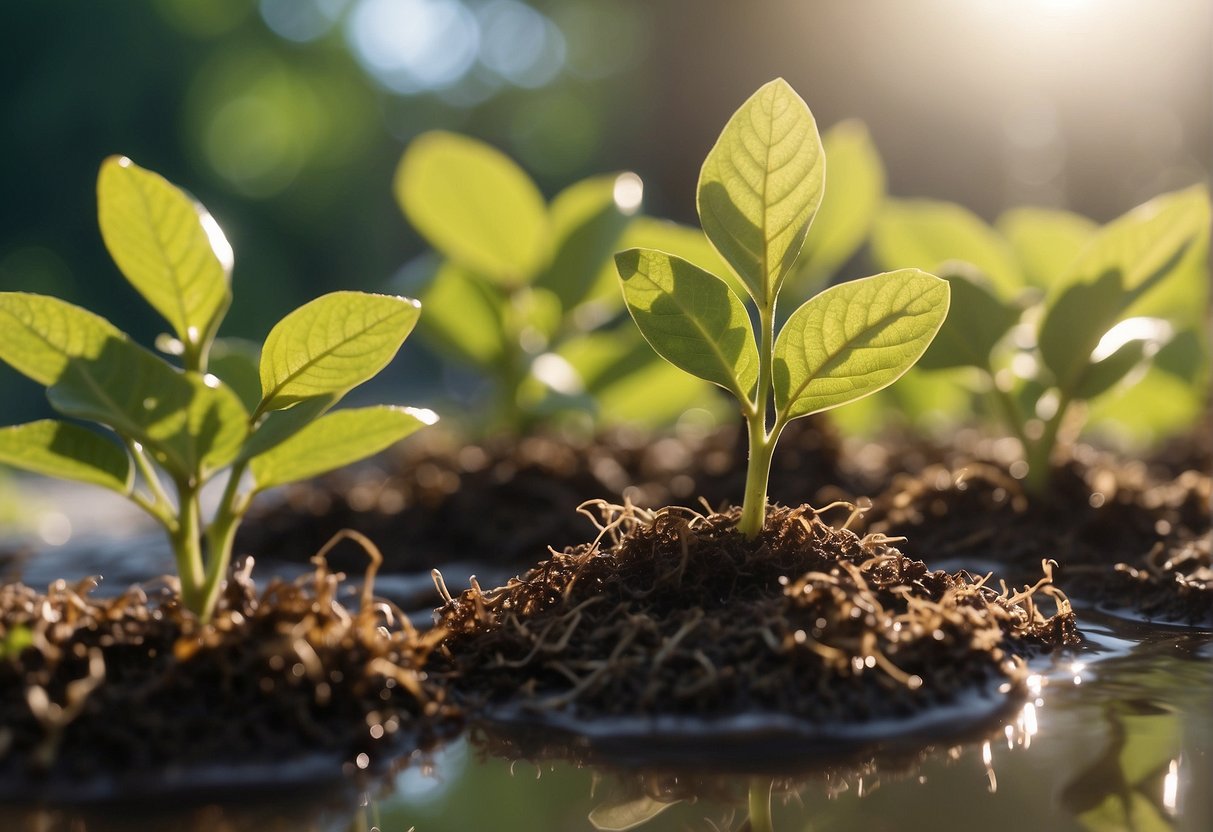
There are several methods for propagating yucca plants, including stem cuttings, offsets, and seed propagation. Stem cuttings can be taken from mature yucca plants and rooted in well-draining soil mix. Offsets, or “pups,” can be separated from the parent plant and planted in their own containers. Yucca seeds can also be germinated in well-draining potting mix.
Optimal Conditions for Propagation
Yucca plants prefer well-draining soil and indirect light, but can also thrive in full sun. For propagation, it’s important to use a well-draining soil mix that includes sand or grit. Watering should be done sparingly to prevent root rot, and containers should have adequate drainage. Propagation is best done in the early spring or summer when temperatures are warm and moisture levels are higher.
Common Challenges and Solutions
Propagation can sometimes be challenging due to problems such as rot, scale, aphids, and mealybugs. To prevent these issues, it’s important to use well-draining soil, avoid overwatering, and provide adequate drainage. If pests are present, they can be treated with insecticidal soap or neem oil. Repotting mature yucca plants can also help prevent overcrowding and promote healthy growth.
Overall, yucca plant propagation is a straightforward process that can be done both indoors and outdoors. With the right conditions and care, you can easily propagate new plants and expand your collection.
Aftercare for Propagated Yuccas
Once you have successfully propagated your yucca plant, it is important to take proper care of it to ensure it grows into a healthy and mature plant. Here are some tips for aftercare:
Watering and Feeding
Water your newly propagated yucca sparingly, allowing the soil to dry out completely between watering sessions. During the summer months, you can increase the frequency of watering, but be careful not to overwater as this can lead to root rot. When it comes to feeding, use a balanced fertilizer once a month during the growing season to promote healthy growth.
Potting and Repotting
If you propagated your yucca in a small pot, you may need to repot it as it grows. Choose a pot that is slightly larger than the current one and use a well-draining soil mix, such as cactus mix or a mixture of sand and compost. Repot your yucca in early spring, before the growing season begins.
Monitoring Growth and Health
Keep an eye on your propagated yucca’s growth and health. Yuccas are generally drought-tolerant, but if you notice the leaves turning yellow or brown, it may be a sign of overwatering or underwatering. Also, watch out for pests such as aphids and mealybugs, which can be treated with insecticidal soap.
Preventing and Treating Pests and Diseases
To prevent pests and diseases from affecting your propagated yucca, make sure it is located in a spot with plenty of direct sunlight and well-draining soil. Avoid overwatering and keep the area around the plant clean and free of debris. If you do notice pests or signs of disease, treat them promptly with the appropriate solution.
By following these aftercare tips, you can help your newly propagated yucca grow into a mature plant that blooms beautifully. Remember to wear gloves when handling yucca cuttings, as they can be sharp and prickly. With a little patience and care, you can enjoy your new yucca plants for years to come.
Frequently Asked Questions
What is the process for propagating yucca plants from cuttings?
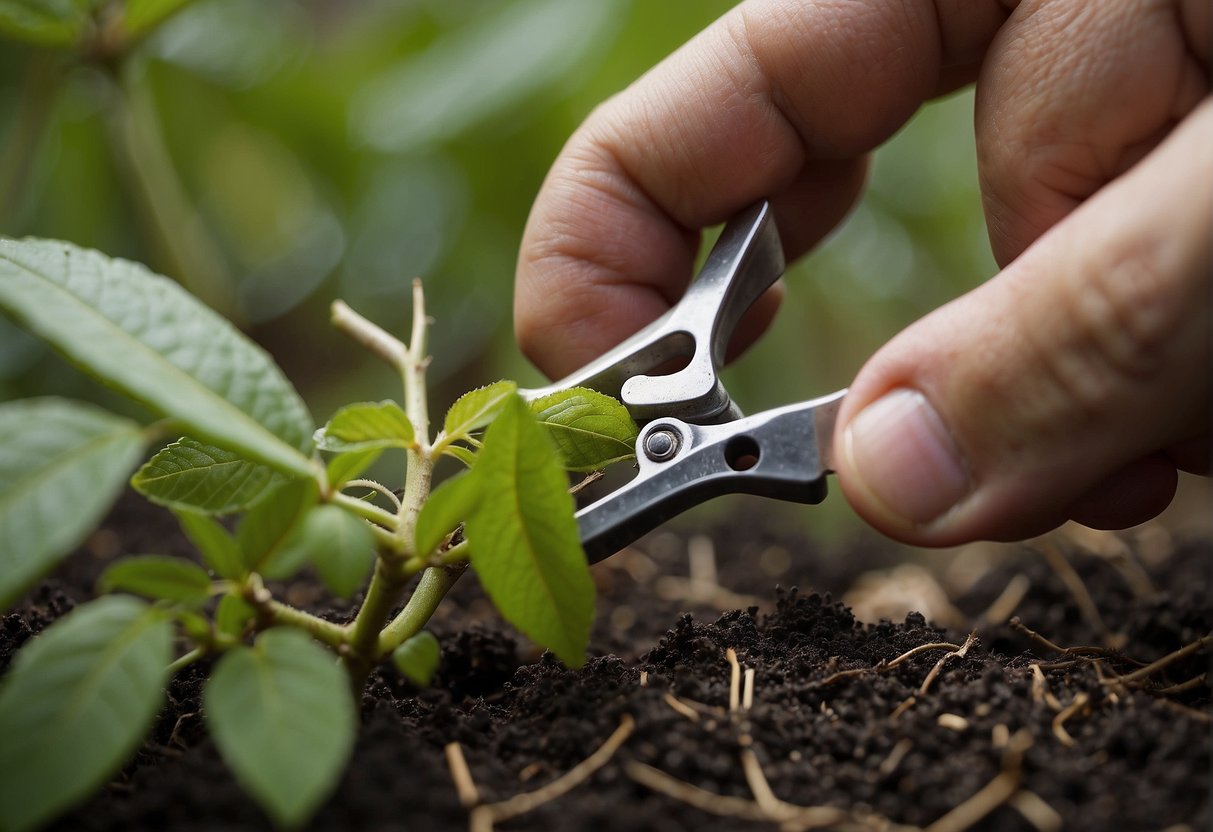
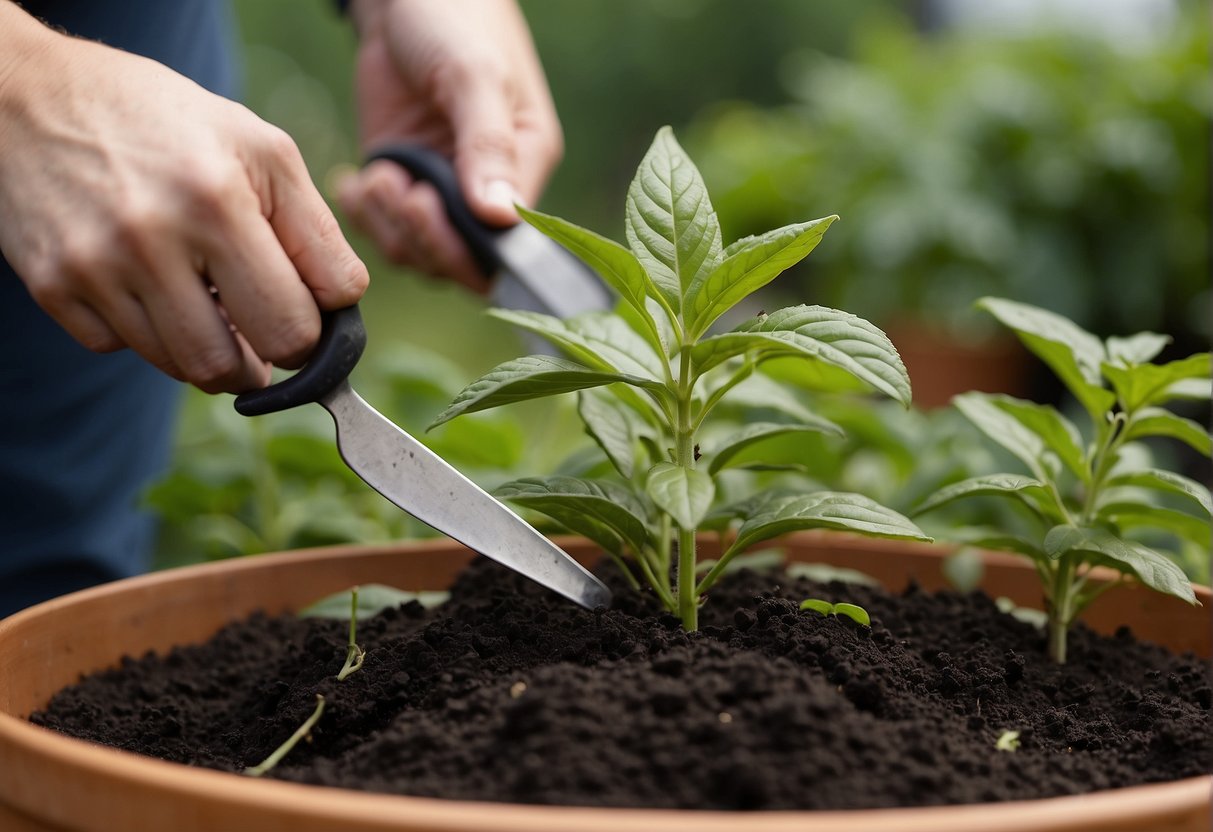
To propagate yucca plants from cuttings, you will need to take a cutting from a healthy plant and let it dry out for a few days. Once the cutting has dried, you can plant it in a well-draining soil mix and keep it moist until it establishes roots.
Can yucca cuttings be rooted directly in soil, and if so, how?
Yes, yucca cuttings can be rooted directly in soil. To do this, you will need to take a cutting from a healthy plant and plant it in a well-draining soil mix. Keep the soil moist and wait for the cutting to establish roots.
What are the steps to propagate yucca plants in water?
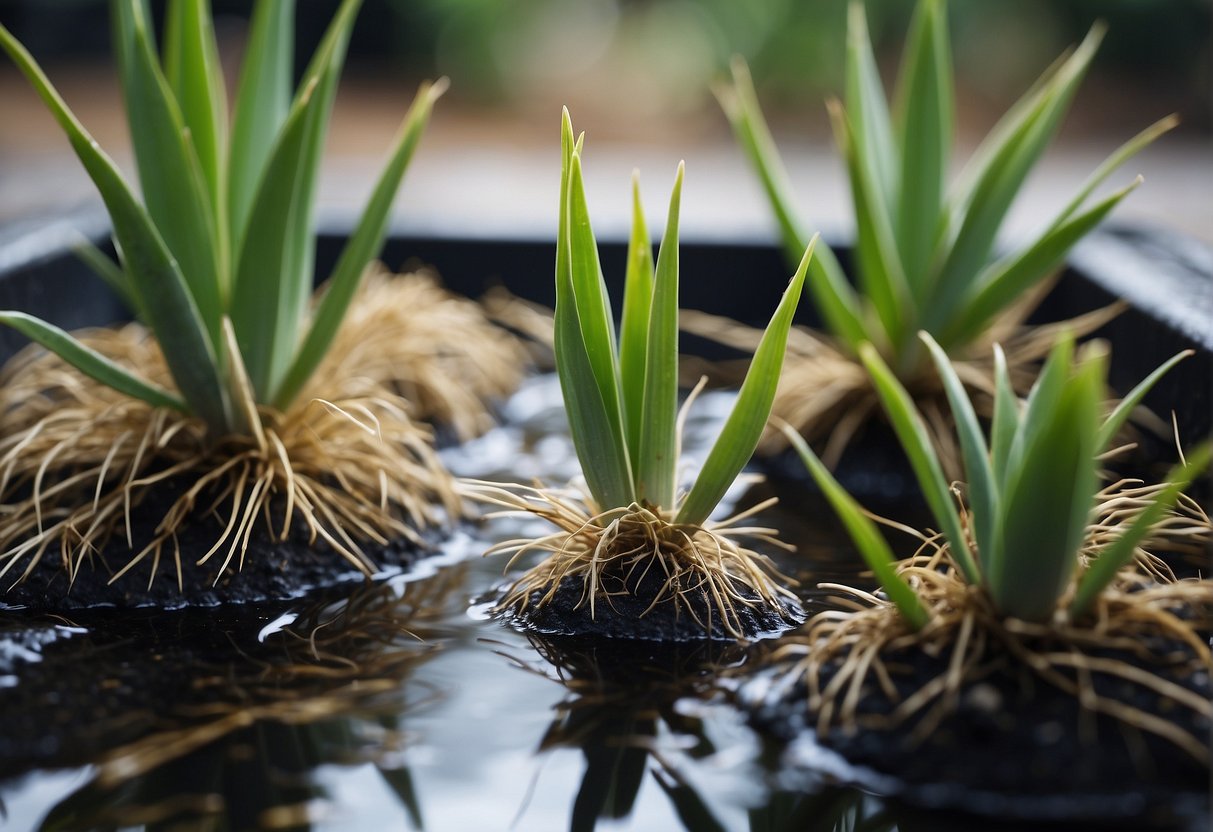
To propagate yucca plants in water, you will need to take a cutting from a healthy plant and place it in a container of water. Change the water every few days and wait for the cutting to establish roots.
How can you grow a yucca plant from a cutting?
To grow a yucca plant from a cutting, you will need to take a cutting from a healthy plant and let it dry out for a few days. Once the cutting has dried, you can plant it in a well-draining soil mix and keep it moist until it establishes roots.
Is it possible to propagate yucca by cutting the top off and replanting?
Yes, it is possible to propagate yucca by cutting the top off and replanting. However, this method is not recommended as it can take a long time for the plant to establish roots and may not be successful.
What is the typical timeframe for yucca cuttings to establish roots?
The timeframe for yucca cuttings to establish roots can vary depending on the method used and the conditions they are kept in. Generally, it can take anywhere from a few weeks to a few months for yucca cuttings to establish roots.
Hi Lovelies ! I made this blog to share my tips about Home Improvement, Children, Pets, Food, Gadgets, Automotive, Health & Beauty, and ways to be frugal while maintaining a natural lifestyle. Interested to be a Guest Blogger on my website? Please email me at: [email protected]