Home » Blog » Where to Find Yucca Plants: A Guide to Locating and Purchasing
Where to Find Yucca Plants: A Guide to Locating and Purchasing
December 30, 2024
In case you’re aiming to bring a touch of greenery into your space, consider yucca plants as your go-to option. Renowned for their appealing leaves, these robust plants are simple to maintain, earning them a favorable reputation among indoor plant enthusiasts. But, you might wonder, where does one acquire yucca plants?
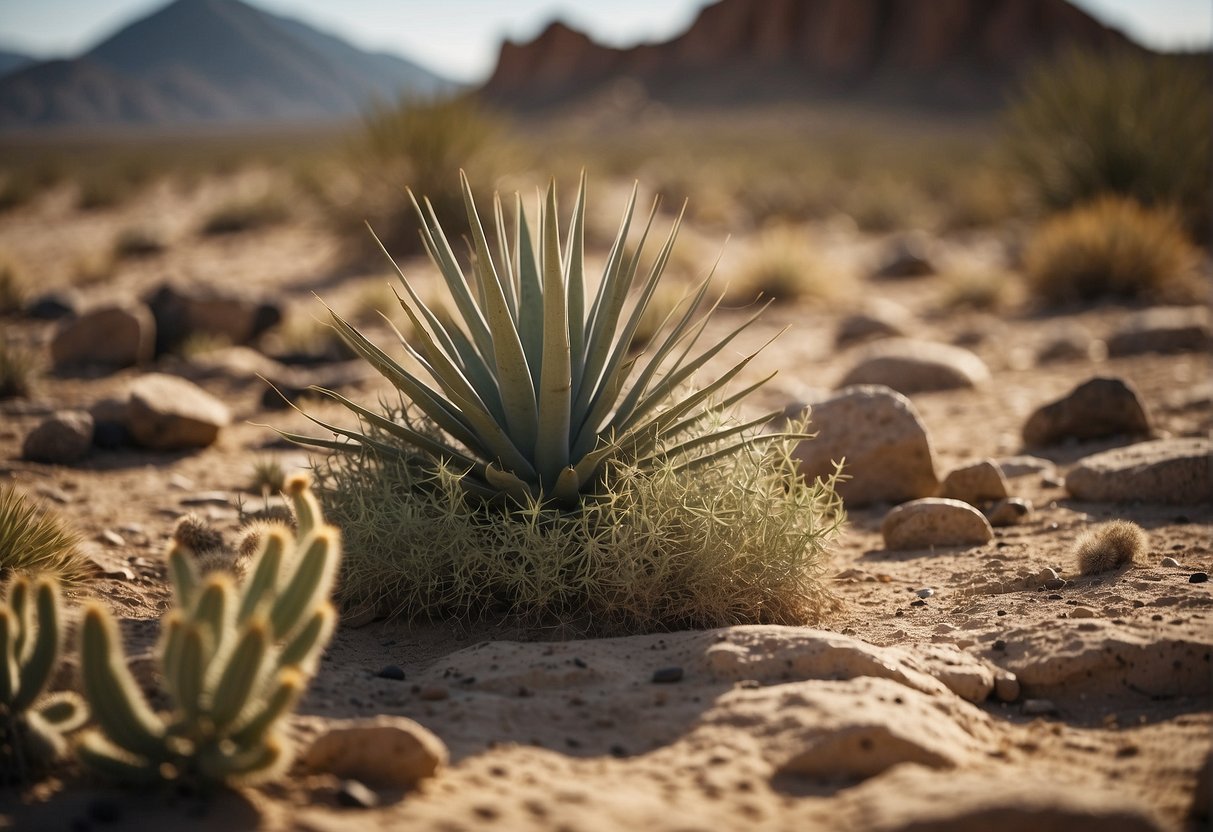
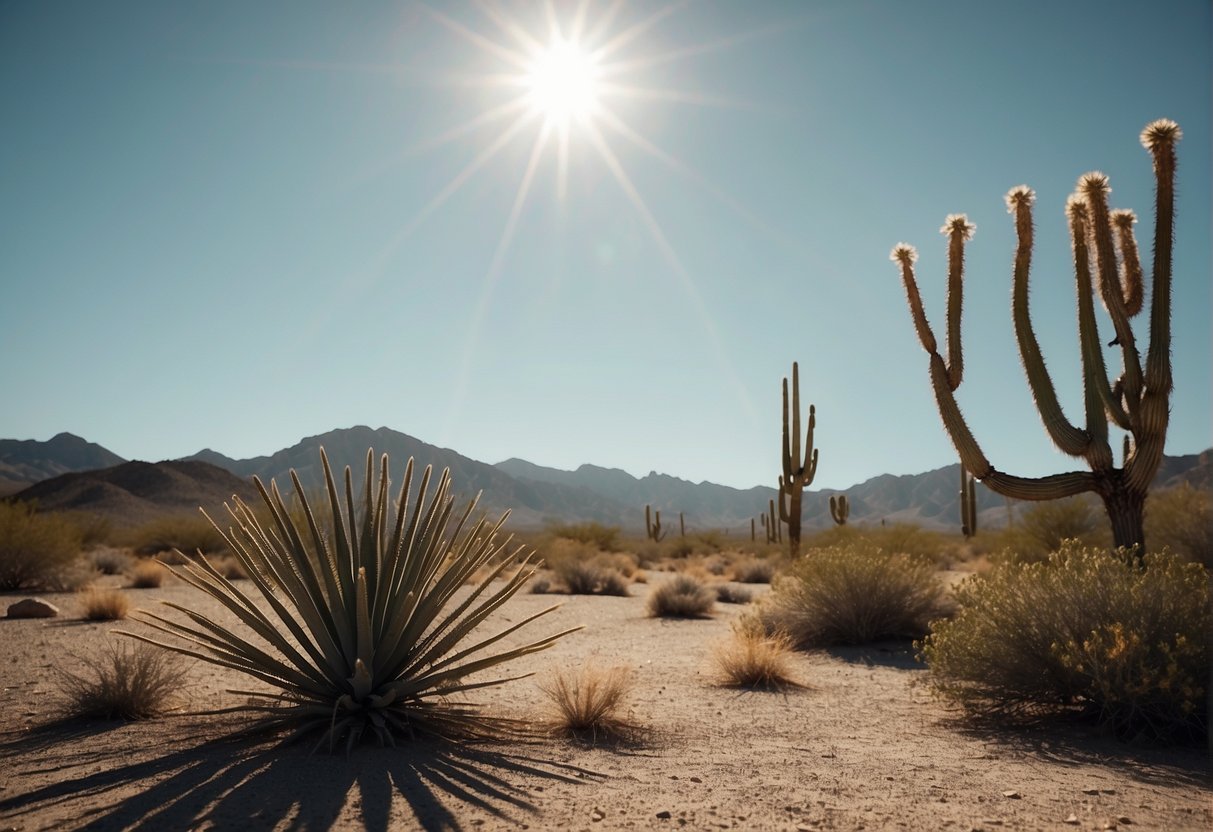
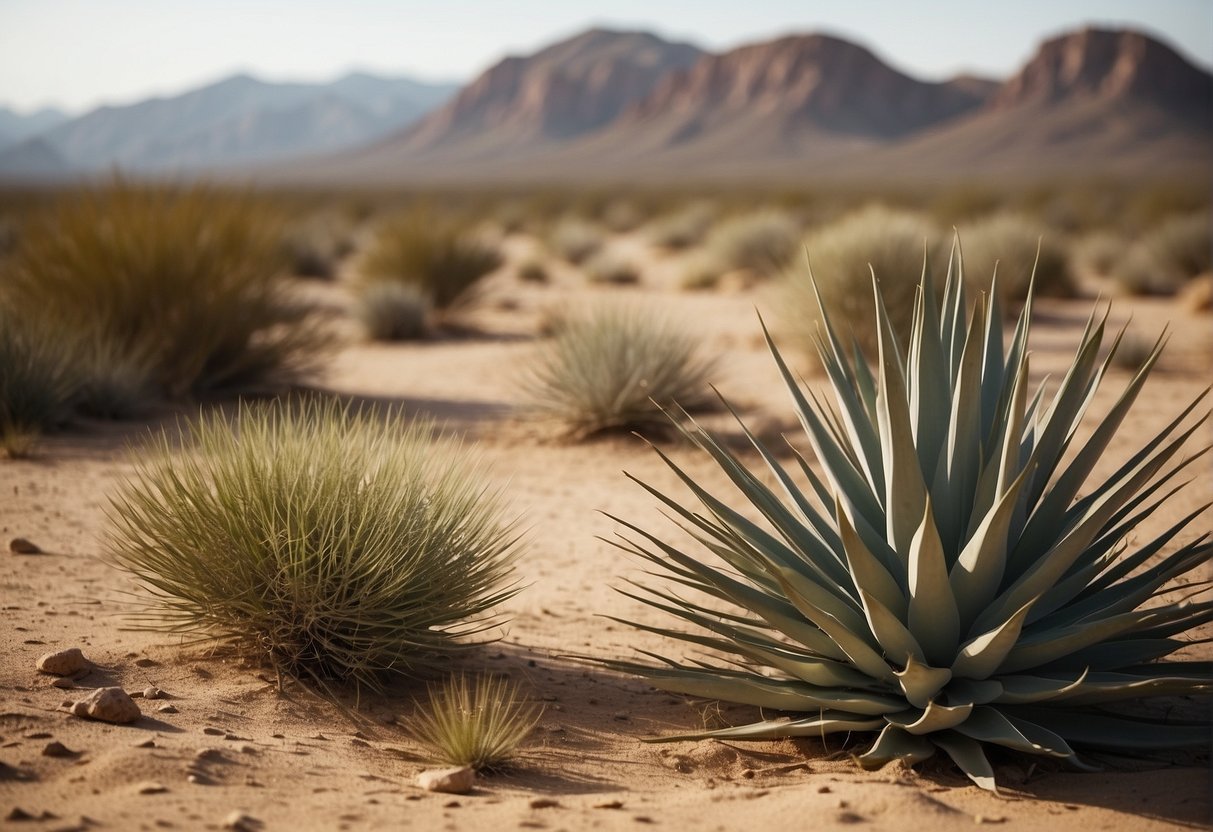
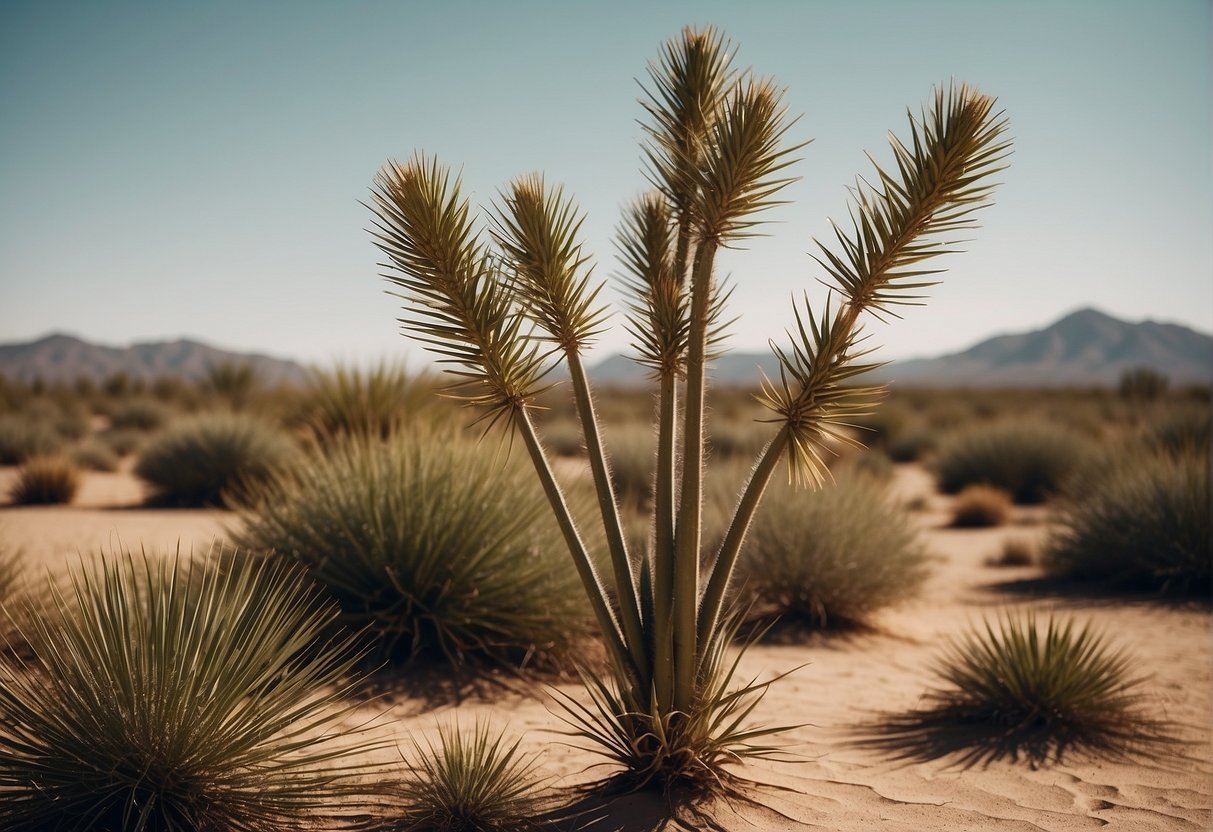
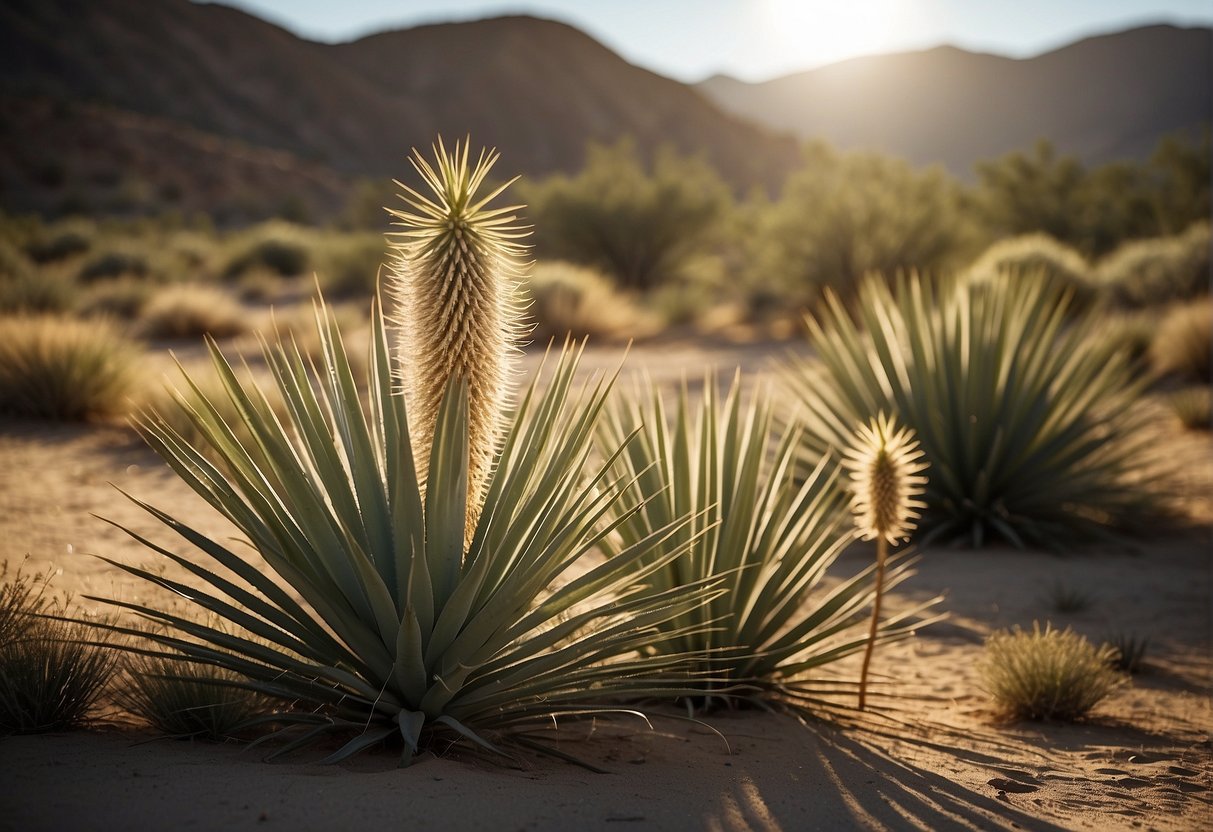
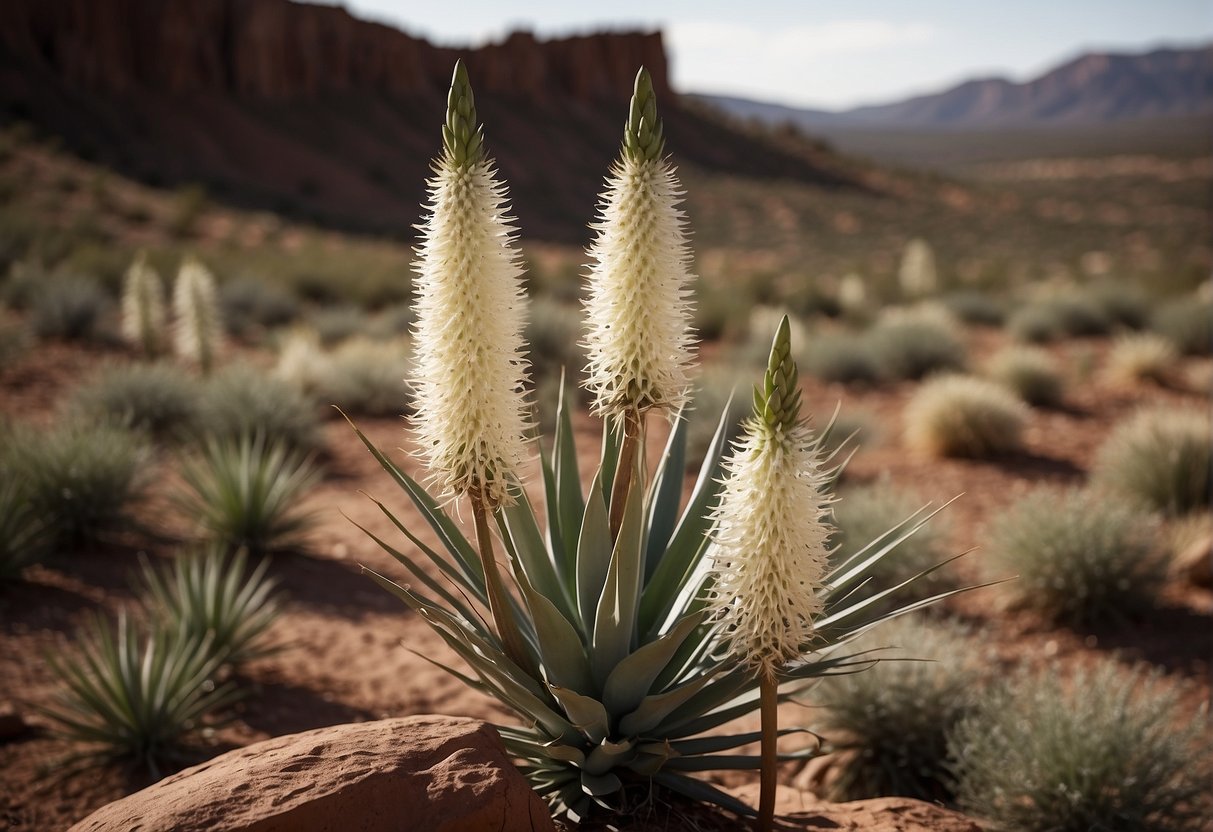
First, it’s important to understand what yucca plants are and what they look like. Yuccas are a genus of plants that are native to the Americas, with many different species and varieties. They typically have long, sword-shaped leaves that grow in a rosette pattern, and some species produce tall, showy flowers. Yucca plants are often used in landscaping, but they also make excellent indoor plants.
So, where can you find yucca plants? Your local garden center or nursery is a good place to start. Many of these stores carry a variety of houseplants, including yuccas. You can also check online retailers or plant shops that specialize in succulents and cacti. Keep in mind that availability may vary depending on your location and the time of year.
Key Takeaways
Yucca plants are a popular choice for houseplants due to their attractive foliage and easy care.
Yuccas are native to the Americas and come in many different species and varieties.
You can find yucca plants at your local garden center or nursery, as well as online retailers and plant shops specializing in succulents and cacti.
Understanding Yucca Plants
Yucca plants are a genus of perennial evergreen plants belonging to the Asparagaceae family. These plants are native to North and Central America and are known for their sword-like leaves and showy white or cream-colored flowers. In this section, you will learn about the basics of yucca plants, popular varieties, ideal growing conditions, landscaping uses, care and maintenance, propagation, pest and disease management, and environmental benefits and uses.
Yucca Plant Basics
Yucca plants are known for their unique appearance and adaptability to different environments. These plants can grow up to 30 feet tall and have a stemless or clumping growth habit. They have long, narrow, and pointed leaves that can be green, blue-green, or gray-green in color. Yucca plants produce flowers that are white or cream-colored and bloom in the summer.
Popular Yucca Varieties
There are many types of yucca plants, including Yucca filamentosa (Spanish bayonet), Yucca elephantipes (spineless yucca), Yucca flaccida (weak-leaf yucca), Joshua tree, banana yucca, and Mojave yucca. These plants differ in size, foliage, and flower characteristics. Some yucca cultivars have green foliage, while others have blue-green or gray-green foliage.
Ideal Growing Conditions
Yucca plants thrive in full sun and well-drained soil. They are drought-tolerant and can grow in sandy soil. Yucca plants are hardy in USDA zones 4 to 11, depending on the variety. These plants are often used in landscaping as native plants or as ornamental plants.
Yucca Plants in Landscaping
Yucca plants are often used in landscaping as accent plants, borders, or as a focal point. These plants are drought-tolerant and require low maintenance, making them ideal for xeriscaping. Yucca plants can also be used to create a desert-themed garden or as a companion plant to cacti and aloe.
Yucca Plant Care and Maintenance
Yucca plants require minimal care and maintenance. They are drought-tolerant and do not require frequent watering. Yucca plants should be pruned in the late winter or early spring to remove dead leaves or flowers. These plants can be fertilized with a balanced fertilizer in the spring and summer.
Propagation and Cultivation
Yucca plants can be propagated by seed or by divisions. Stemless yucca plants can be propagated by offsets or divisions. Clumping yucca plants can be propagated by dividing the clump. Yucca plants can also be grown from seed, but they can take several years to mature.
Pest and Disease Management
Yucca plants are generally resistant to pests and diseases. However, they can be affected by aphids, mealybugs, and scale insects. These pests can be controlled with insecticidal soap or neem oil. Yucca plants are also susceptible to root rot if grown in poorly drained soil.
Environmental Benefits and Uses
Yucca plants have several environmental benefits and uses. These plants are drought-tolerant and can help conserve water in xeriscaping. Yucca plants also have edible flowers and fibers that can be used in cooking and crafts. Additionally, yucca plants have cultural and medicinal uses in Native American communities.
Choosing and Planting Yucca Plants
Yucca plants are a great addition to any garden or home, with their unique appearance and easy-to-care-for nature. Here are some guidelines to help you choose and plant the right yucca plant for your needs.
Selecting the Right Yucca
When selecting a yucca plant, consider the variety, appearance, and color guard. Yucca plants come in a variety of shapes and sizes, from tall and spiky to short and bushy. Some varieties have variegated leaves, while others have white filaments that add interest to their green foliage. Consider the style of your home or garden when choosing a yucca plant, and select one that complements your decor.
Planting and Repotting Guidelines
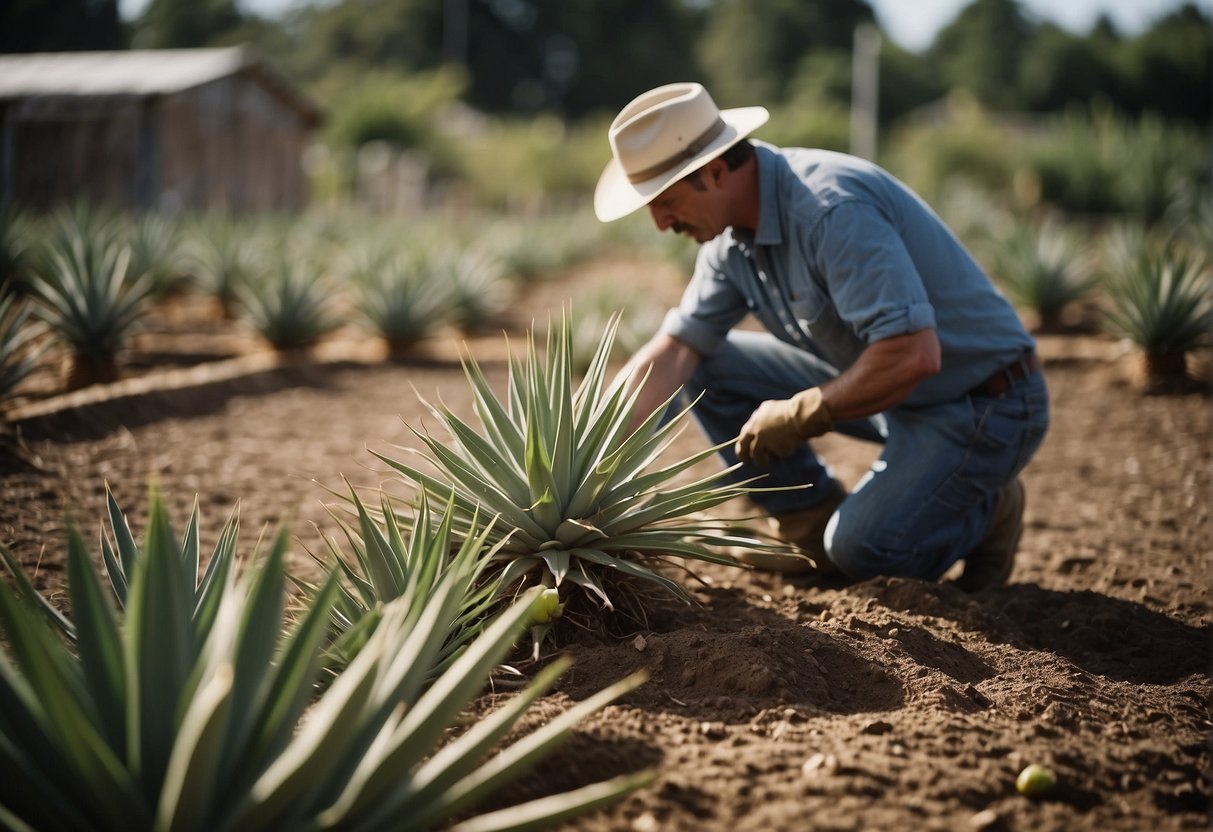
When planting a yucca plant, make sure to choose a container with drainage holes and use a well-draining potting mix. Yucca plants prefer full sun and can be planted outdoors in the southeast or southwest regions. When repotting, choose a pot that is one size larger than the current one and use fresh potting mix. Repotting should be done every 2-3 years.
Yucca Plants as Indoor Decor
Yucca plants can also be grown as houseplants, as they are tolerant of low light and dry conditions. When growing yucca plants indoors, make sure to place them in a bright spot and water sparingly. Yucca plants can also be used as a statement piece in a room, adding a touch of greenery and unique texture.
Outdoor Yucca Plant Considerations
When planting yucca plants outdoors, consider the hardiness zone of your region. Yucca plants are hardy in zones 5-10 and can tolerate a wide range of temperatures. Make sure to plant them in a well-draining area and avoid overwatering. Yucca plants can also be used as a xeriscape plant, as they are drought-tolerant and require little maintenance.
In conclusion, yucca plants are a great addition to any home or garden. With their unique appearance and easy-to-care-for nature, they are a great choice for both novice and experienced gardeners. Keep these guidelines in mind when choosing and planting your yucca plant, and enjoy the beauty and interest they add to your space.
Frequently Asked Questions
What are the best online stores for purchasing yucca plants?
There are several reliable online stores that offer a wide variety of yucca plants, including Amazon, Etsy, and The Sill. It’s important to read reviews and compare prices before making a purchase.
How do I choose the right type of yucca plant for my indoor space?
Consider the amount of space you have, the lighting conditions in your home, and your desired level of maintenance. Some popular indoor yucca plants include Yucca elephantipes and Yucca aloifolia.
Can I buy yucca plants at local garden centers or nurseries?
Yes, many local garden centers and nurseries carry yucca plants. It’s best to call ahead to check availability and prices.
What are the price ranges for yucca plants?
The price of yucca plants can vary depending on the size and type of plant. On average, indoor yucca plants can range from $20 to $100, while outdoor yucca plants can range from $50 to $200.
Which retailers offer outdoor yucca plants for sale?
Home Depot, Lowe’s, and Walmart are just a few of the retailers that offer outdoor yucca plants for sale. Again, it’s important to read reviews and compare prices before making a purchase.
How do I care for a yucca plant once I’ve purchased it?
Yucca plants are relatively low-maintenance and thrive in bright, indirect sunlight. They prefer well-draining soil and should be watered sparingly, allowing the soil to dry out between waterings. It’s also important to avoid over-fertilizing and to prune any dead or yellowing leaves as needed.
Hi Lovelies ! I made this blog to share my tips about Home Improvement, Children, Pets, Food, Gadgets, Automotive, Health & Beauty, and ways to be frugal while maintaining a natural lifestyle. Interested to be a Guest Blogger on my website? Please email me at: [email protected]