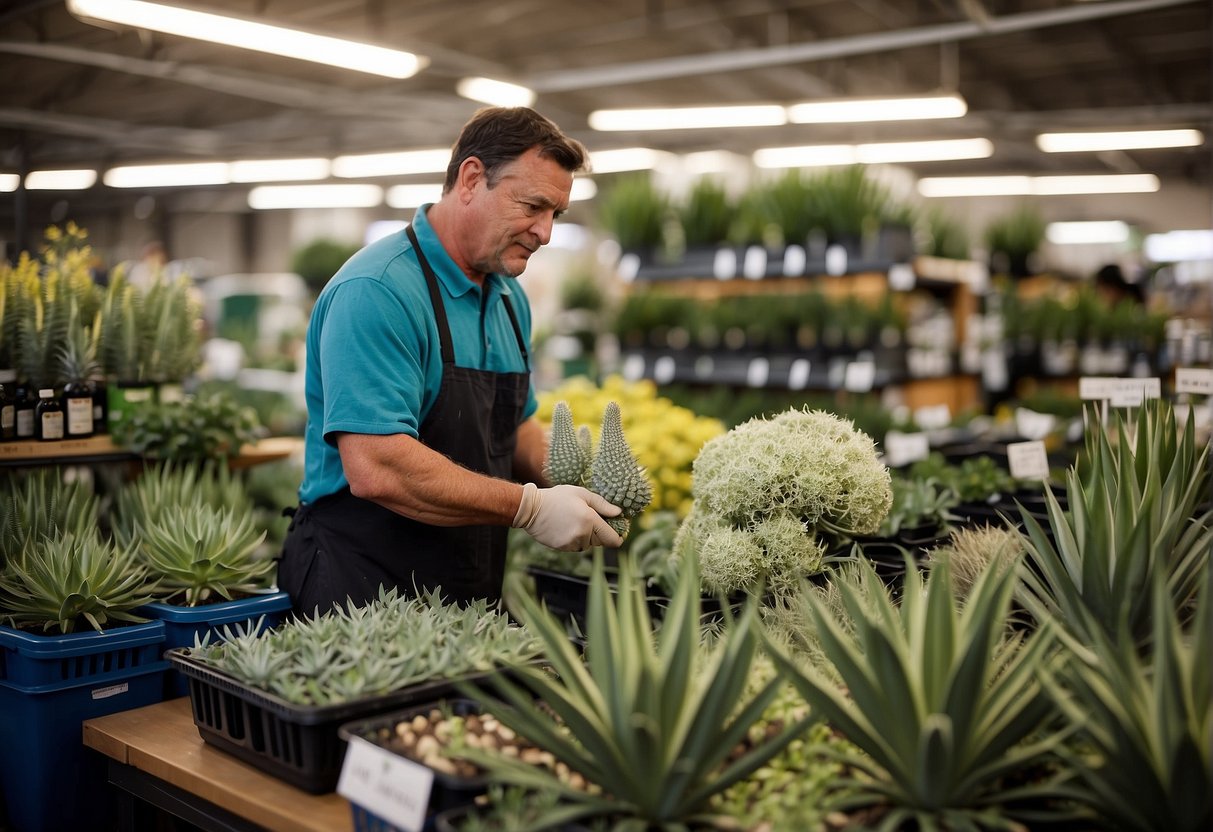

If you have a passion for plants, it’s likely that you’re familiar with yucca plants. Renowned for their distinctive look and resilience, yucca plants are favored for use in both indoor and outdoor environments. Nevertheless, to ensure their health and growth, yucca plants need the appropriate care and upkeep, with selecting the suitable fertilizer being crucial. In this article, we delve into the optimal fertilizer choices for yucca plants and address several common inquiries regarding their care.
Understanding Yucca Plant Needs
Before we dive into the best fertilizer for yucca plants, it’s important to understand their specific needs. Yucca plants are native to arid regions and are adapted to survive in harsh conditions, which means they don’t require as much water or fertilizer as other plants. In fact, over-fertilizing yucca plants can be harmful and even fatal to them. Yucca plants also prefer well-draining soil and bright, indirect sunlight. By understanding these needs, you can better care for your yucca plant and choose the right fertilizer.
Frequently Asked Questions
Now that we’ve covered the basics of yucca plant care, let’s answer some frequently asked questions about fertilizing yucca plants. How often should you fertilize a yucca plant? What type of fertilizer is best for yucca plants? Can you use organic fertilizer on yucca plants? These are just a few of the questions we’ll answer in this article. By the end, you’ll have a better understanding of how to care for your yucca plant and help it thrive.
Key Takeaways
- Yucca plants require specific care, including well-draining soil and bright, indirect sunlight.
- Over-fertilizing yucca plants can be harmful, so it’s important to choose the right fertilizer and fertilize sparingly.
- By understanding yucca plant needs and choosing the right fertilizer, you can help your yucca plant thrive.
Understanding Yucca Plant Needs
Yucca plants are hardy, slow-growing plants that require minimal care. However, to keep them healthy and thriving, it’s important to understand their specific needs. Here are some key factors to consider when caring for your yucca plants.
Soil and pH Requirements
Yucca plants prefer well-draining soil with a slightly acidic to neutral pH range of 6.0 to 7.0. Soil that is too alkaline can cause nutrient deficiencies and stunted growth. To improve soil drainage, add sand or perlite to the soil mix.
Watering and Light Considerations
Yucca plants are drought-tolerant and prefer infrequent, deep watering. Allow the soil to dry out completely between watering sessions. Yuccas also need plenty of bright, indirect light or full sun exposure to thrive.
Yucca Plant Varieties
There are many varieties of yucca plants, including the Yucca elephantipes, spineless yucca, Spanish bayonet, Adam’s needle, soapweed yucca, bear grass yucca, and banana yucca. Each variety has its own specific care requirements.
Seasonal Growth Patterns
Yuccas have a spring and summer growing season and go dormant in the fall and winter months. During dormancy, reduce watering and avoid fertilizing.
Common Pests and Diseases
Yuccas are generally pest and disease-resistant, but they can be susceptible to mealybugs, scale insects, and root rot. Regular inspection and proper care can prevent these issues.
Pruning and Maintenance
Prune your yucca plants in the spring to remove dead leaves and encourage new growth. Avoid removing too many leaves, as this can stunt growth and cause leaf burn.
Yucca Propagation
Yuccas can be propagated through offsets and rhizomes. Allow offsets to grow to a size of 4-6 inches before removing them from the parent plant.
Planting and Repotting
Plant yuccas in well-draining soil and pots with drainage holes. Repot every 2-3 years to refresh the soil and provide more room for growth.
Yucca Plant Health Indicators
Yellowing leaves, stunted growth, and overall poor health can indicate nutrient deficiencies, over-fertilization, or other issues. Regular inspection and proper care can prevent these issues.
Environmental Impact and Landscape Use
Yuccas are hardy, drought-tolerant plants that are ideal for xeriscaping and outdoor landscaping. They also make great indoor plants, as they are slow-growing and require minimal care.
Indoor vs. Outdoor Yucca Care
Indoor and outdoor yuccas have similar care requirements, but outdoor plants may require more frequent watering and protection from frost.
Fertilization Techniques
Yuccas require minimal fertilization, but a balanced fertilizer with an N-P-K ratio of 10-10-10 can promote optimal growth. Slow-release and controlled-release fertilizers are also effective.
Nutrition and Fertilizer Types
Yuccas require essential macronutrients like nitrogen, phosphorus, and potassium, as well as micronutrients like iron, magnesium, and manganese. Organic fertilizers like bone meal, compost, epsom salt, and coffee grounds can provide these nutrients.
Optimal Fertilization Schedule
Fertilize yuccas in the early summer with a slow-release fertilizer. Avoid over-fertilization, which can cause nutrient burn and yellowing leaves.
Signs of Nutrient Deficiency and Excess
Nutrient deficiencies can cause yellowing leaves, stunted growth, and poor health. Nutrient excess can cause leaf burn and other issues.
The Role of Micronutrients
Micronutrients like manganese and copper are essential for yucca plant health and growth. Organic fertilizers like bone meal, compost, epsom salt, and coffee grounds can provide these nutrients.
Organic Alternatives to Chemical Fertilizers
Organic fertilizers like bone meal, compost, epsom salt, and coffee grounds can provide essential nutrients for yucca plants without the use of chemicals.
Maximizing Bloom and Foliage Quality
Yuccas produce bell-shaped flowers in the summer and can benefit from slow-release fertilizer to promote optimal growth and bloom quality.
Yucca Plant Longevity and Growth
Yuccas are slow-growing plants that can live for many years with proper care. Regular pruning and fertilization can promote optimal growth and longevity.
Adapting to Climate and Soil Variations
Yuccas are native to Mexico and are adapted to hot, dry climates. They can also adapt to a variety of soil types, but prefer well-draining soil with a slightly acidic to neutral pH range.
Cultural Significance and History
Yuccas have been used for food, fiber, and
Frequently Asked Questions
How often should I fertilize my indoor yucca plant?
Indoor yucca plants typically require fertilization every 2-3 months during the growing season (spring and summer). During the fall and winter, you can reduce fertilization to every 4-6 months. Be sure to follow the instructions on the fertilizer package and avoid over-fertilizing, as this can damage your plant.
What type of fertilizer is recommended for outdoor yucca plants?
Outdoor yucca plants benefit from a slow-release fertilizer that is high in phosphorus, such as a 10-10-10 or 5-10-5 fertilizer. Apply the fertilizer in the spring and summer, following the instructions on the package. Avoid fertilizing in the fall and winter, as this can stimulate new growth that may be damaged by cold temperatures.
Are there any special considerations for fertilizing yucca plants in pots?
Yucca plants in pots require more frequent fertilization than those planted in the ground. Use a balanced, water-soluble fertilizer every 2-3 weeks during the growing season, and reduce fertilization to once a month during the fall and winter. Be sure to dilute the fertilizer according to the package instructions to avoid over-fertilizing.
What should I do to care for my yucca plant during the winter?
During the winter, yucca plants may become dormant and require less water and fertilization. Reduce watering to once every 2-3 weeks, and avoid fertilizing until the plant begins to show signs of new growth in the spring. If your yucca plant is in a pot, move it to a cooler location with less direct sunlight.
Is it beneficial to use organic fertilizers on yucca plants, and if so, which ones?
Organic fertilizers can be beneficial for yucca plants, as they provide slow-release nutrients and improve soil health. Compost, worm castings, and fish emulsion are all good options for organic fertilizers. Be sure to follow the instructions on the package and avoid over-fertilizing.
What are the signs of nutrient deficiency in yucca plants and how can it be treated?
Signs of nutrient deficiency in yucca plants include yellowing leaves, stunted growth, and poor flowering. If you suspect your plant is nutrient deficient, apply a balanced fertilizer according to the package instructions. Be sure to water the plant thoroughly before and after fertilization to avoid root burn.