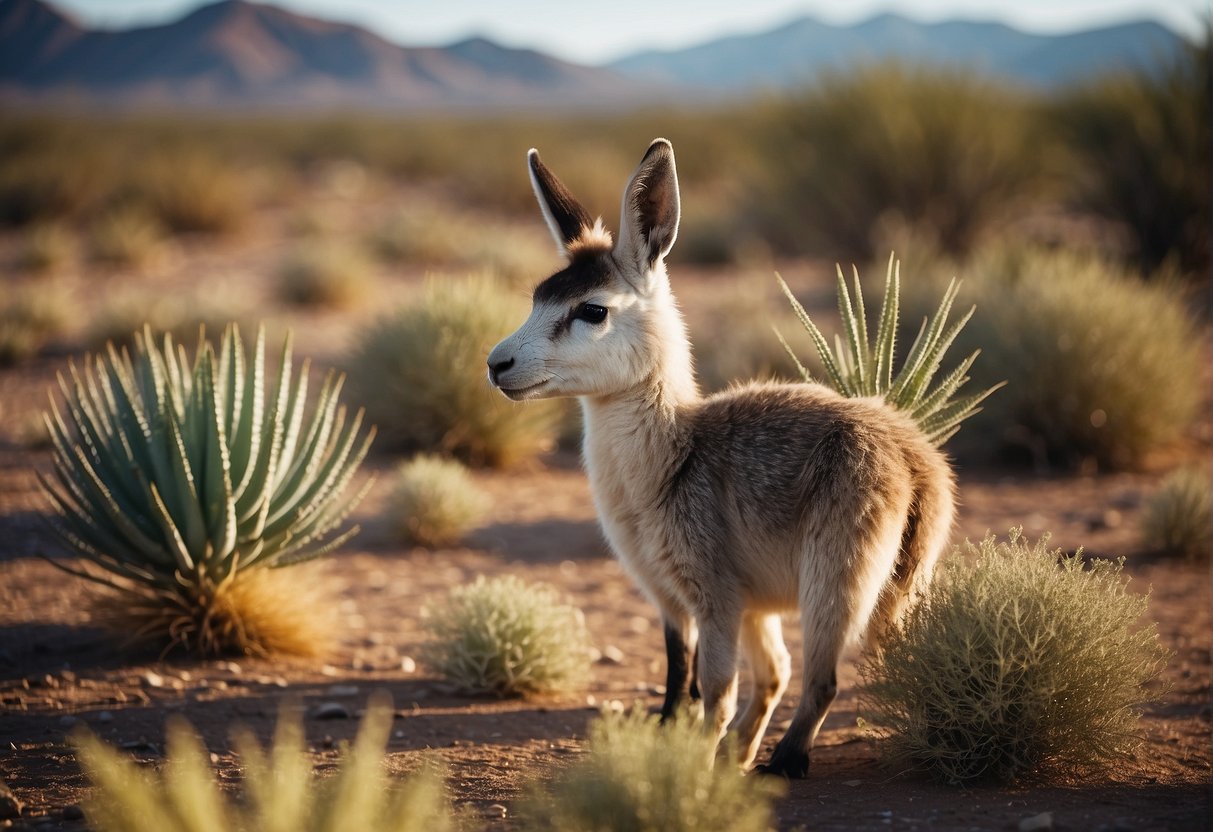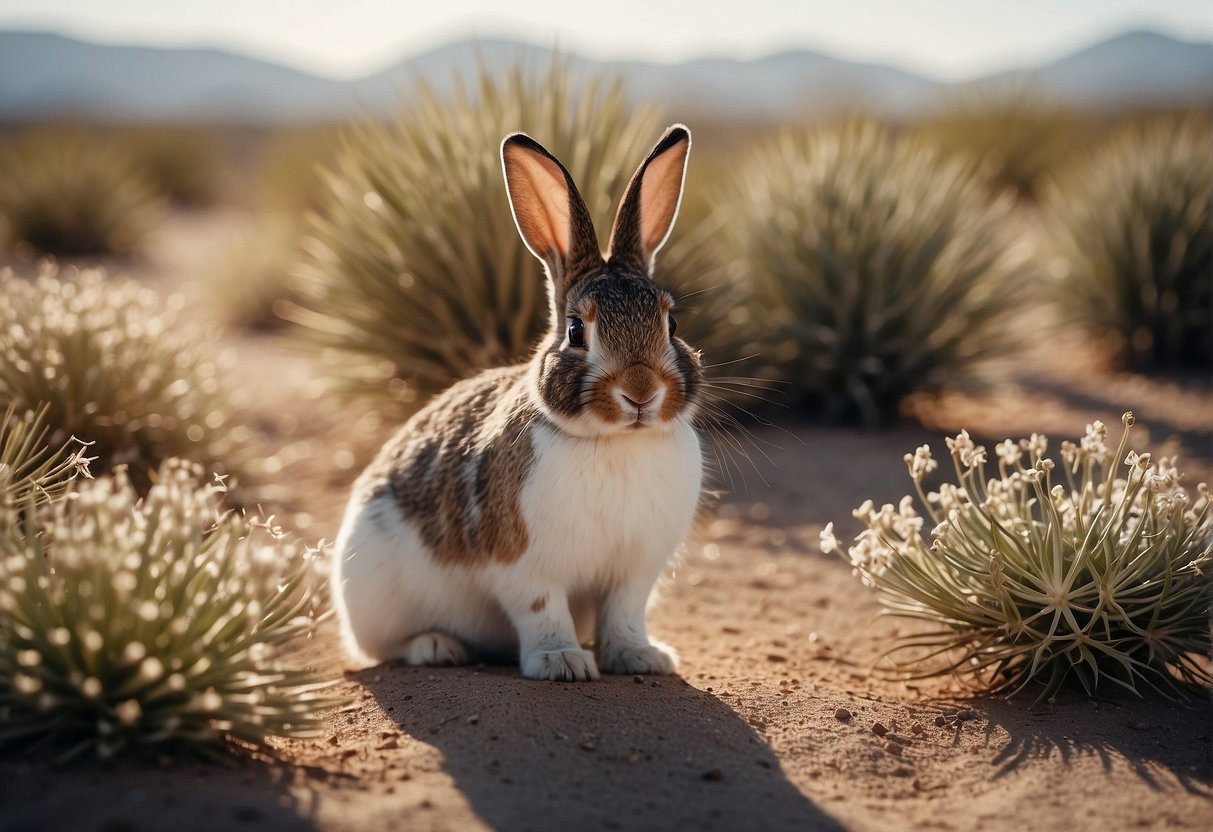

Have you ever come across a yucca plant? If so, you’re familiar with its sharp, pointed leaves. Yet, are you aware that certain animals include these plants in their diet? Yucca plants serve as a crucial source of sustenance for diverse species of wildlife, making the dynamics between them and the animals quite intriguing to witness.
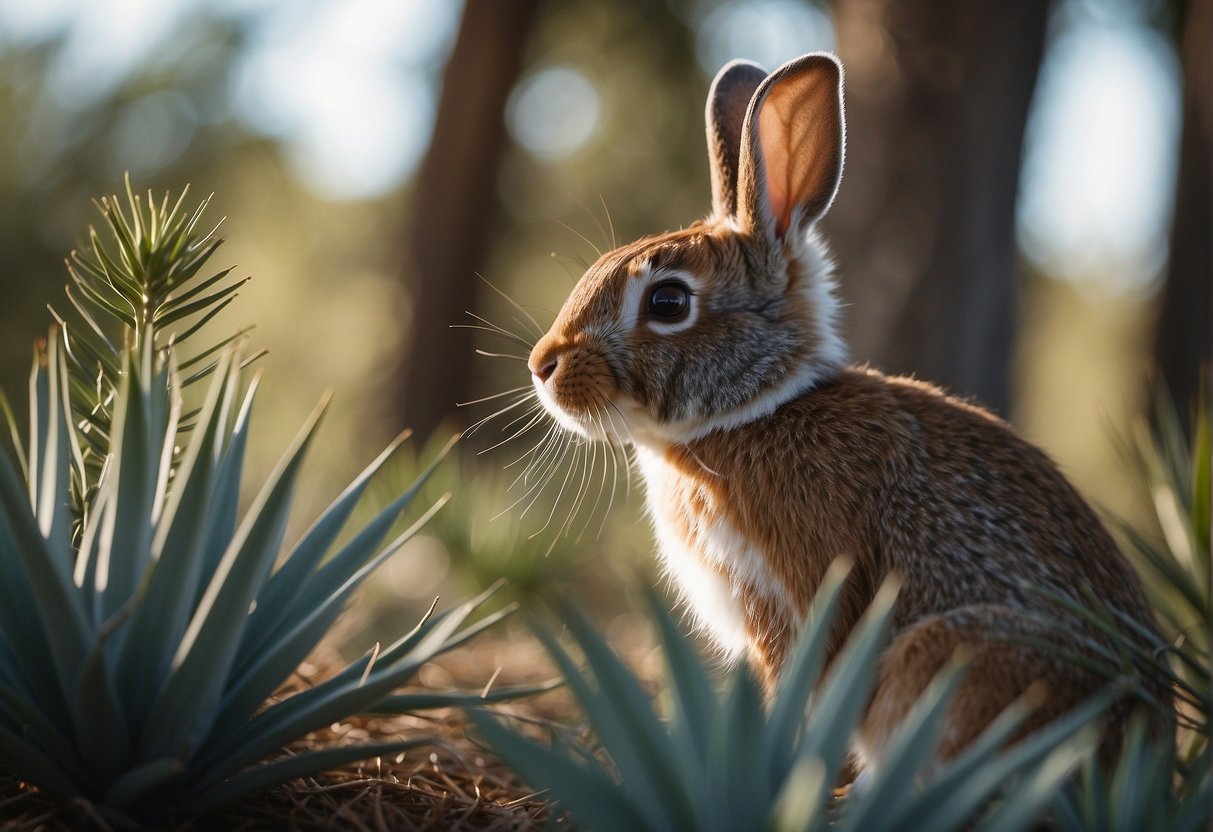
Yucca plants are native to the Americas, and there are over 40 species of yucca found throughout the continent. These plants have adapted to thrive in arid environments, and their leaves are tough and fibrous to help them retain water. While yucca plants are not particularly nutritious, they are an important food source for many animals that have evolved to eat them.
So, what animals eat yucca plants? The answer might surprise you. In this article, we’ll explore the different species of animals that interact with yucca plants, and how they’ve adapted to survive on this tough, fibrous plant. We’ll also answer some frequently asked questions about yucca plants and their role in the ecosystem.
Yucca Plant Overview
Physical Characteristics
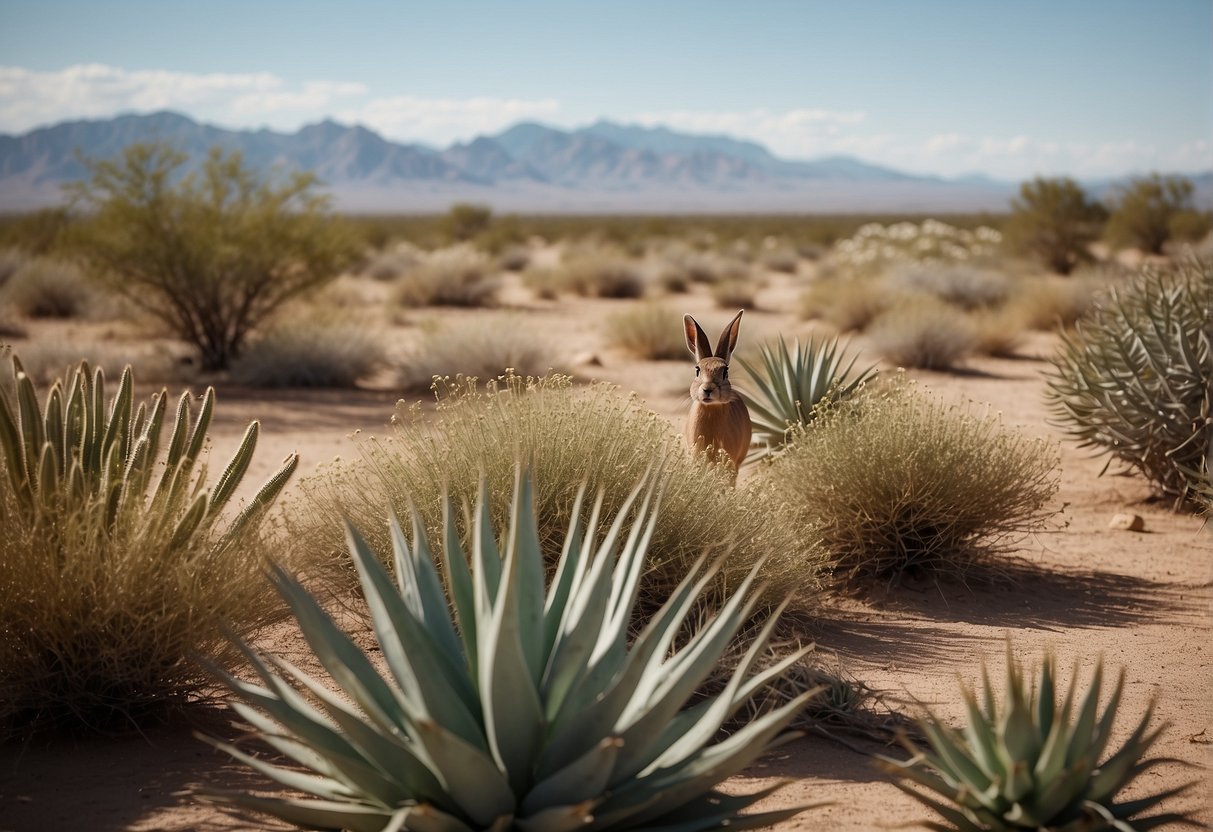
Yucca plants are known for their long, sword-shaped leaves that grow in a rosette pattern. The leaves can range in size from a few inches to several feet long, depending on the species. Yucca plants produce tall stalks that can reach up to 20 feet in height, and they are topped with clusters of white or cream-colored flowers. Yucca plants are adapted to dry environments and have thick, waxy foliage to reduce water loss.
Habitat and Distribution
Yucca plants are native to the American Southwest and Mexico, with some species also found in Central and South America. They are commonly found in desert and arid regions, including the Mojave Desert and Joshua Tree National Park. Yucca plants are also cultivated as ornamental plants in other parts of the world.
Yucca’s Role in the Ecosystem
Yucca plants play an important role in their ecosystem, providing food and shelter for a variety of animals. The flowers of yucca plants are pollinated by yucca moths, which lay their eggs in the seedpods of the plant. The larvae of the moths feed on the seeds, while other insects, birds, reptiles, and mammals may also feed on the flowers, leaves, or fruit of the plant. Yucca plants also provide shelter for invertebrates and small animals.
Human Uses of Yucca
Yucca plants have been used by Native Americans for centuries for a variety of purposes. The fibers from the leaves can be used to make clothing, baskets, and other items, while the roots have been used for medicinal purposes. The saponin in the plant can be used to make soap, and the fruit is edible when cooked.
Yucca Plant Care
Yucca plants are relatively easy to care for and are tolerant of a range of soil types and conditions. They prefer full sun and well-draining soil, and should be watered sparingly. Yucca plants are also deer-resistant and can be used in landscaping as a natural fence.
Yucca Plant Pests and Issues
Yucca plants are susceptible to a number of pests, including mites, thrips, scale, mealybugs, and weevils. The yucca weevil, in particular, can cause significant damage to the plant. Yucca plants also contain saponin, which is poisonous to some animals and can cause skin irritation in humans.
Yucca Plant Protection Strategies
To protect yucca plants from pests and other issues, it is important to maintain healthy soil and avoid overwatering. Fencing can also be used to keep animals from feeding on the plant, while live traps or poison bait may be used to control pests. When handling yucca plants, it is important to wear gloves and protective clothing to avoid skin irritation from the saponin.
Wildlife Interactions with Yucca Plants
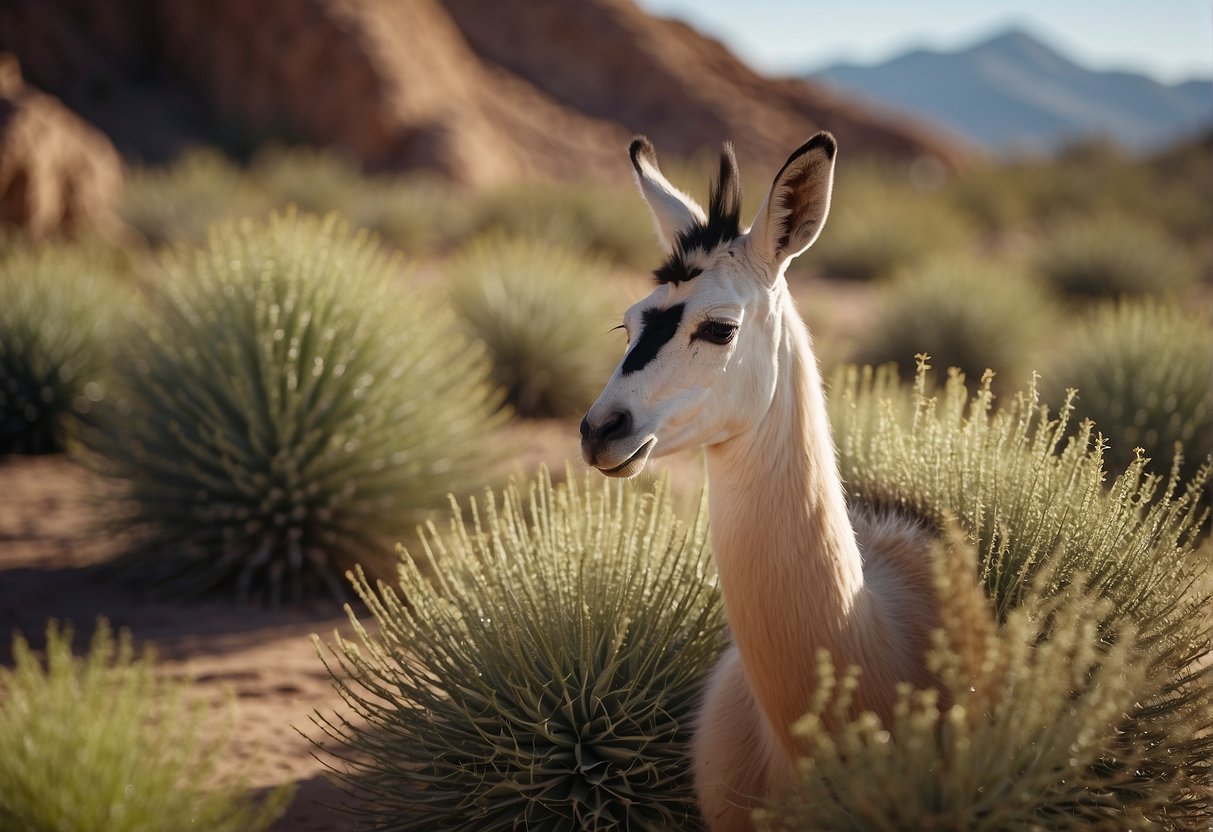
Yucca plants are an important part of the ecosystem, providing food, shelter, and habitat for a variety of wildlife species. Here are some of the ways that animals interact with yucca plants.
Animals That Eat Yucca Plants
Yucca plants are an important food source for many animals, including rabbits, rodents, deer, antelope, mule deer, elk, and even some birds. The sweet taste of yucca fruit and flowers is particularly attractive to animals, and the tough leaves and spiny tips provide a deterrent against predators.
Reproductive Mutualism: The Yucca and Its Moth
One of the most fascinating interactions between yucca plants and wildlife is the relationship between the yucca and its pollinator, the yucca moth. The yucca moth lays its eggs in the yucca flower, and the larvae feed on the developing seeds. In return, the moth pollinates the flower, ensuring that the yucca plant can reproduce.
Yucca as a Habitat
Yucca plants provide habitat for a variety of animals, including insects, birds, and small mammals. The dense foliage and spiny leaves provide shelter and refuge from predators, while the plant’s roots and bulbs can be used for food during the winter months.
Yucca’s Defense Mechanisms
Yucca plants have several defense mechanisms that help them survive in harsh environments. The plant’s tough leaves and spiny tips deter herbivores, while the roots and bulbs contain saponin and other toxins that make them unpalatable to many animals.
Adaptations for Survival
Yucca plants have several adaptations that help them survive in their environment. The plant’s roots are shallow and wide-spreading, allowing them to absorb water quickly during periods of rain. The plant’s leaves are also adapted to conserve water, with a thick waxy coating that helps prevent moisture loss.
Impact of Seasonal Changes
Yucca plants are adapted to survive in a variety of seasonal environments. During the winter months, the plant’s leaves become dry and brittle, while the roots and bulbs become a valuable source of food for animals. In the spring, the plant produces flowers and seeds, which attract pollinators and provide food for a variety of wildlife species.
Frequently Asked Questions
Which desert animals are known to feed on yucca plants?
Several desert animals feed on yucca plants. The most commonly known animals are yucca moths and their larvae, which have a mutualistic relationship with yucca plants. Other animals that consume yucca plants include jackrabbits, desert tortoises, deer, pronghorns, and bighorn sheep.
Can yucca plants serve as a food source for rodents, such as kangaroo rats?
Although rodents such as kangaroo rats are known to consume yucca seeds, they do not usually eat the rest of the plant. Yucca plants are not a primary food source for rodents, but they may consume them in times of scarcity.
Are yucca plants part of the diet for any specific moth species?
Yucca plants are an essential part of the life cycle of yucca moths. The female yucca moth lays her eggs inside the flowers of the yucca plant, and the larvae feed on the developing seeds. The yucca plant relies on the yucca moth for pollination, and the yucca moth relies on the yucca plant for food for its larvae.
What wildlife consumes the fruit of the banana yucca?
The banana yucca fruit is a food source for many animals, including rodents, birds, and deer. The fruit is high in sugar and nutrients, making it a valuable food source for wildlife.
Do herbivores typically include yucca plants in their diet?
Yucca plants are not a primary food source for herbivores, but they may consume them in times of scarcity. Herbivores such as deer, pronghorns, and bighorn sheep may eat yucca plants, but they usually prefer other plants.
How do yucca plants defend themselves against herbivory?
Yucca plants have several mechanisms to defend themselves against herbivores. The most common defense is their sharp, pointed leaves. The leaves have a hard, fibrous texture that makes them difficult to chew. Yucca plants also produce saponins, which are toxic to many herbivores. Additionally, the yucca plant’s high silica content makes it difficult for herbivores to digest.