Home » Blog » How Yucca Plants Grow: A Comprehensive Guide
How Yucca Plants Grow: A Comprehensive Guide
December 30, 2024
Yucca plants have become a favorite among gardeners and homeowners who wish to introduce a desert vibe into their outdoor spaces. Recognized for their distinctive looks and minimal upkeep, they are perfectly suited for individuals aiming to enhance their gardens with some foliage without the need for extensive care. For those keen on understanding the growth process of yucca plants, continue reading.
Understanding Yucca Plant Basics
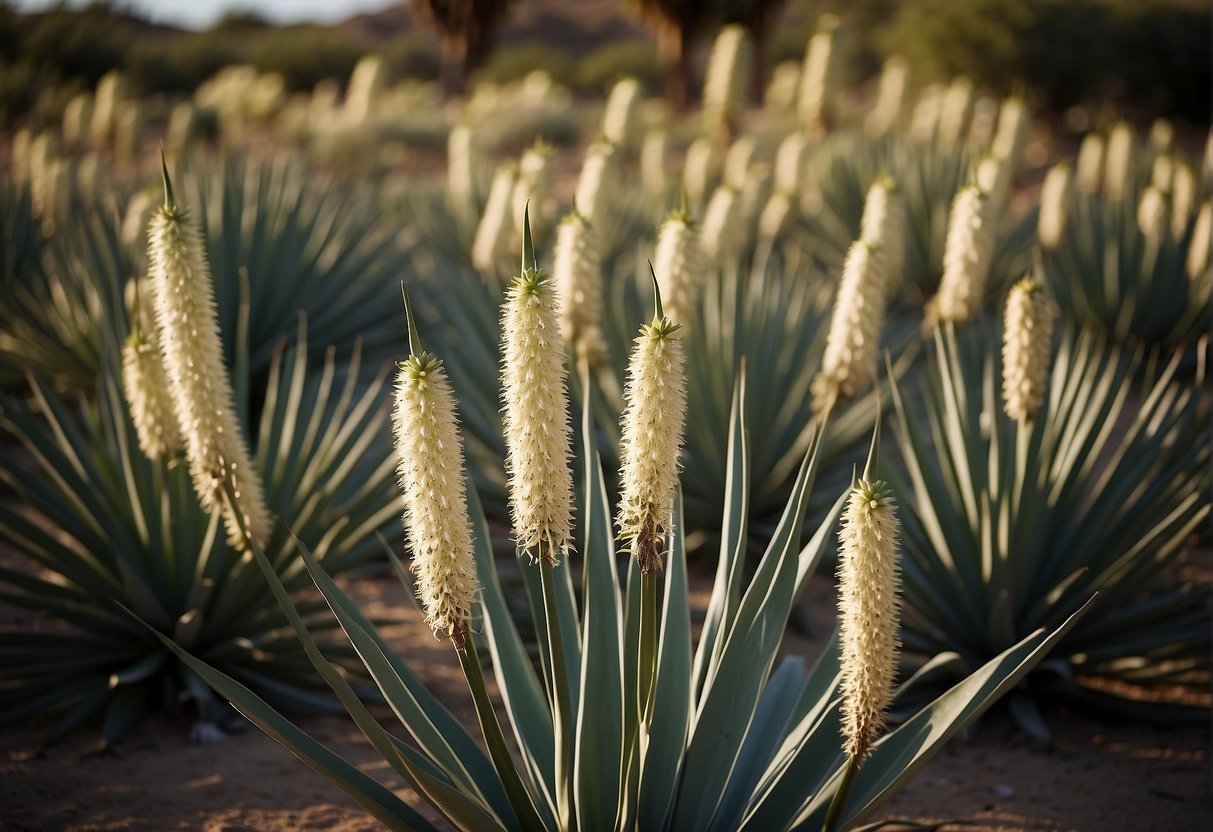
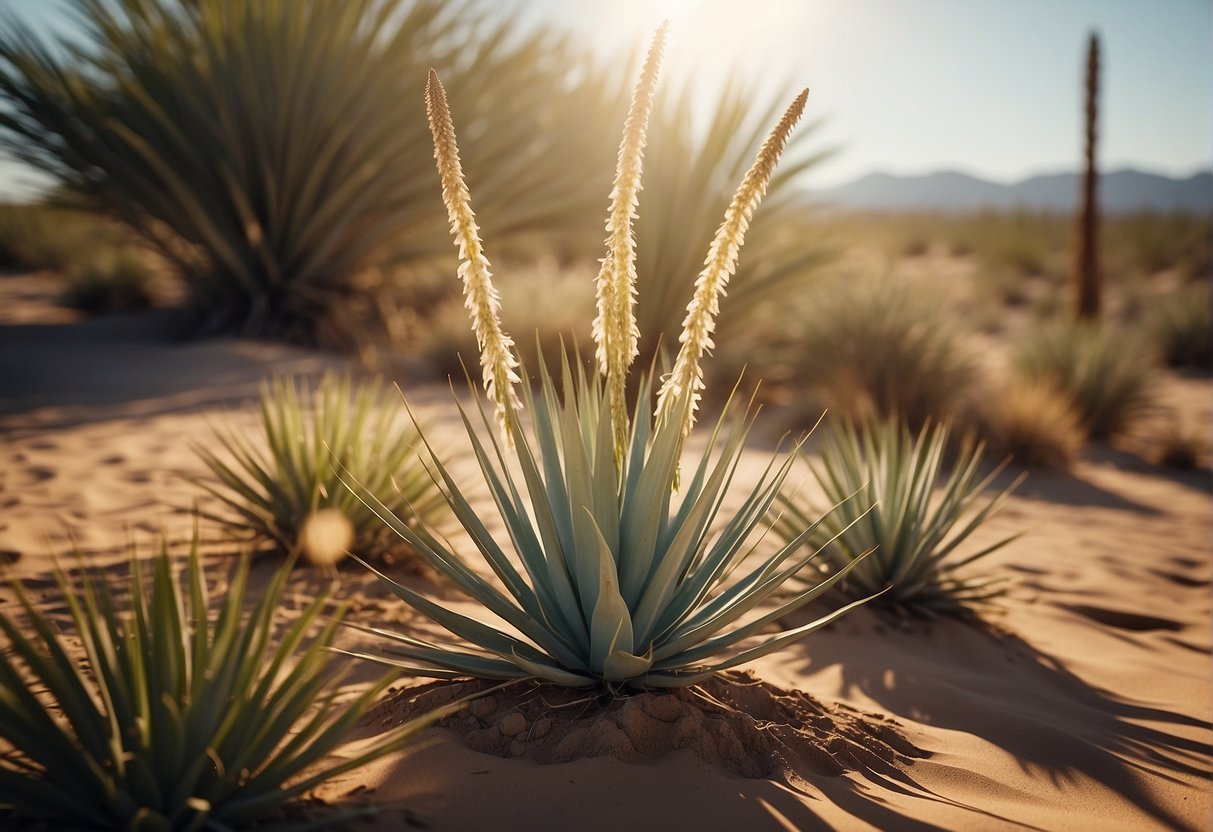
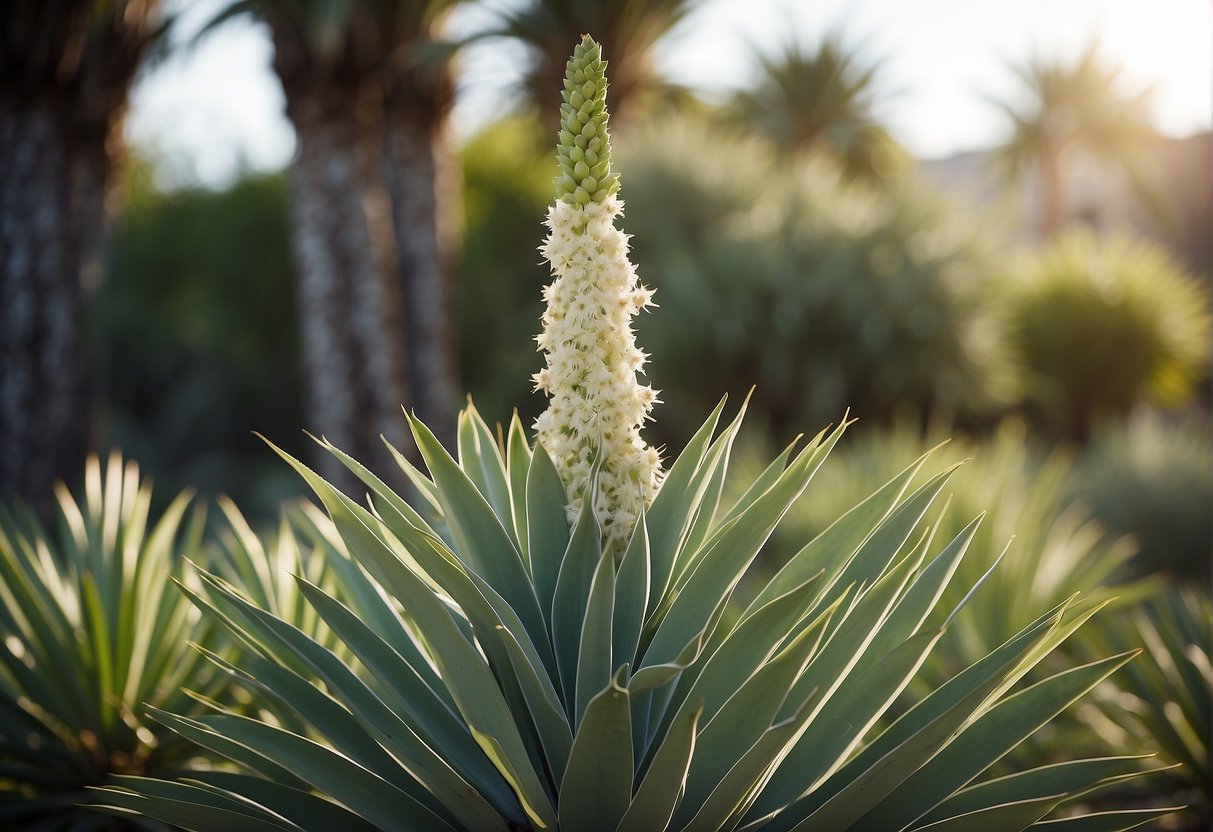
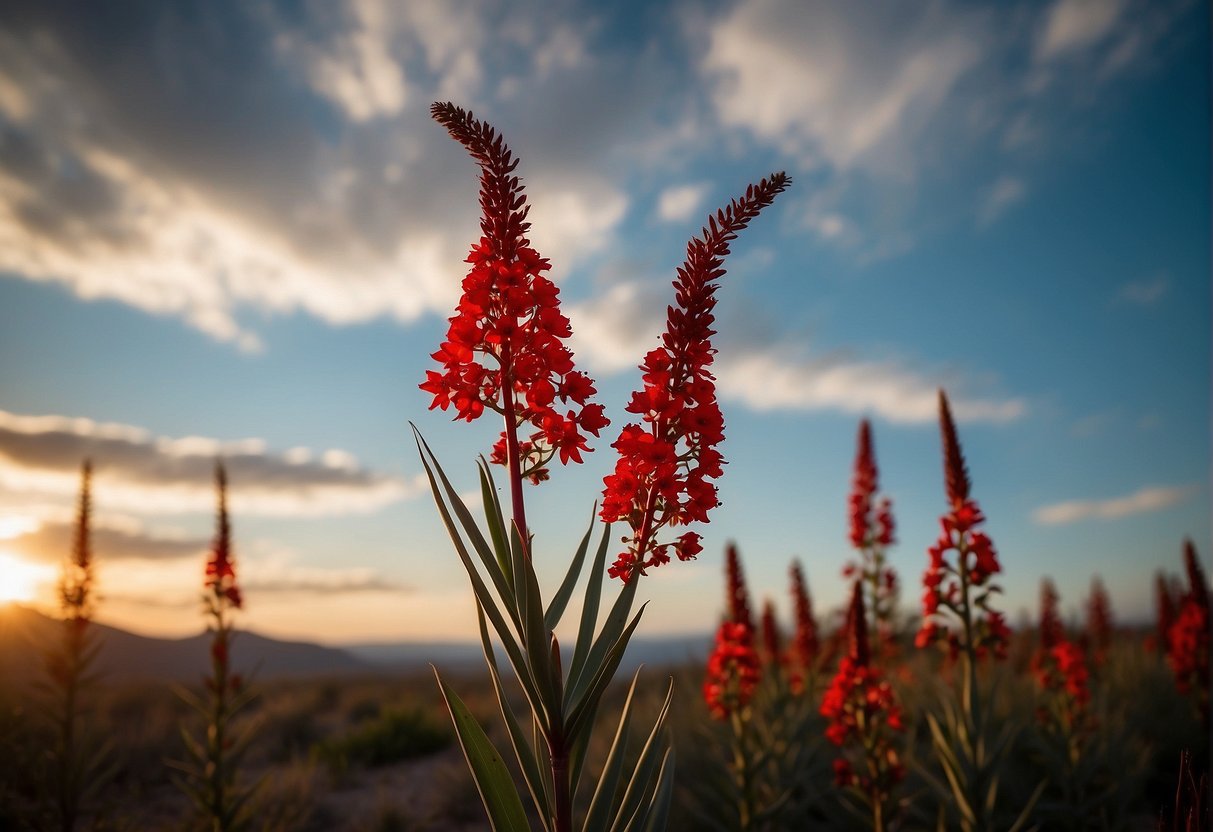
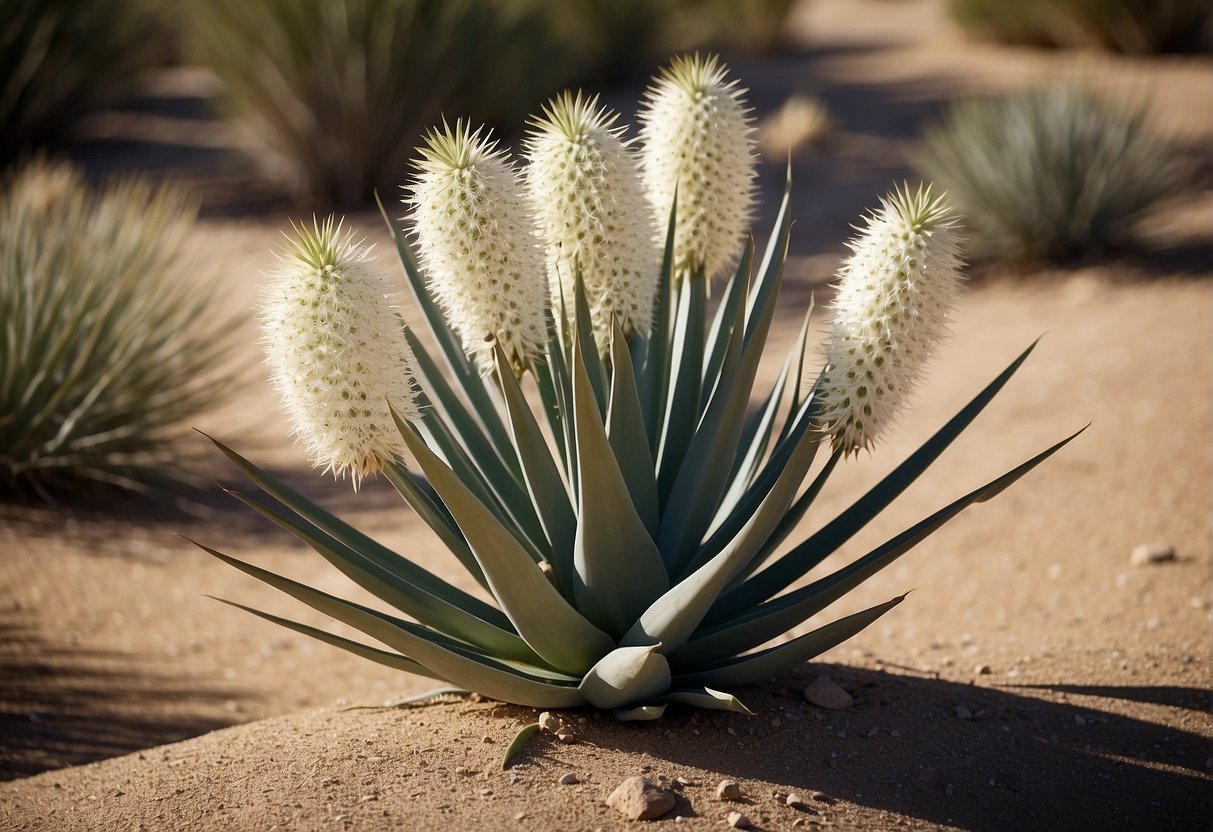
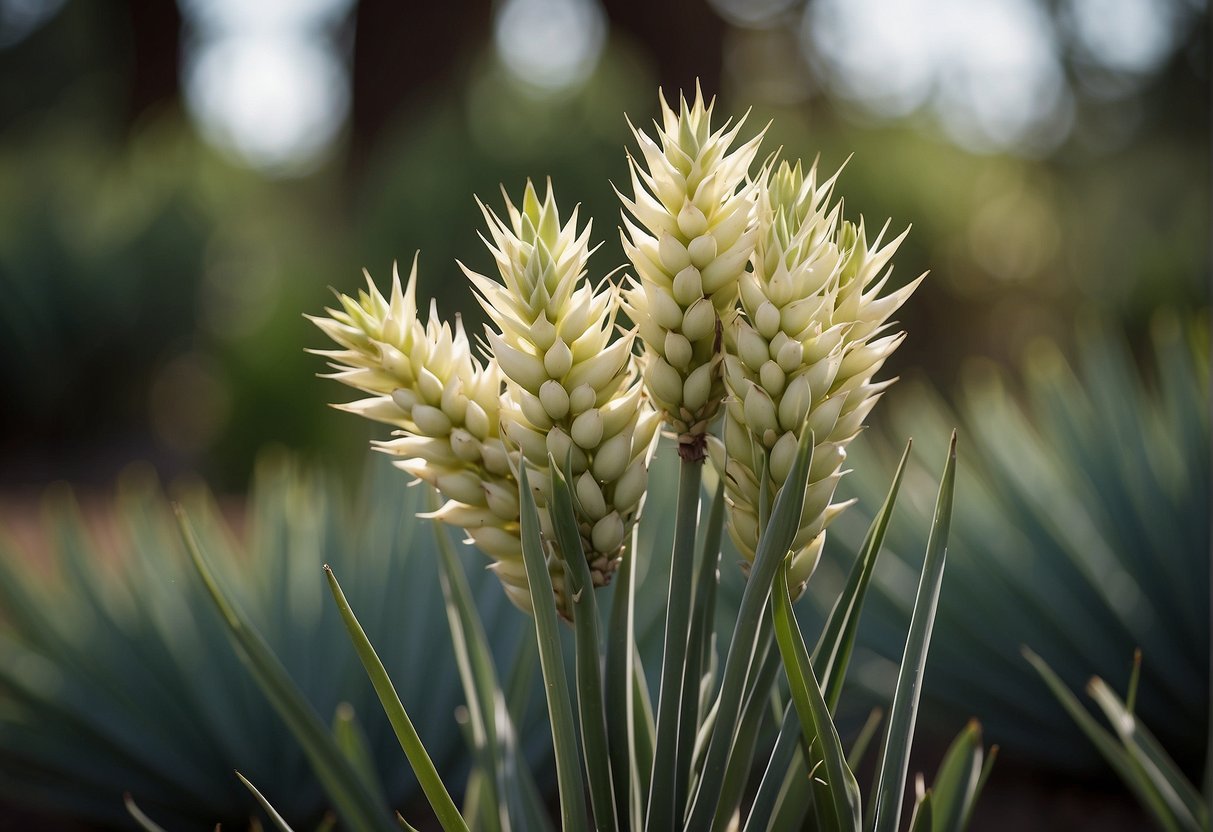
Yucca plants are native to arid regions of the Americas, and they have adapted to survive in harsh environments with limited water and nutrients. These plants are known for their long, sword-like leaves and tall, spiky flowers, which can range in color from white to yellow to pink. While there are many different species of yucca plants, they all share certain characteristics that make them well-suited to life in the desert.
Cultivation and Care
If you’re interested in growing yucca plants in your own yard, there are a few things you should keep in mind. First and foremost, yucca plants need plenty of sunlight to thrive, so make sure you choose a spot in your yard that gets at least six hours of direct sunlight each day. Yucca plants are also drought-tolerant, so you don’t need to water them very often. In fact, overwatering can be a major problem for these plants, so be sure to let the soil dry out completely between waterings. Finally, yucca plants don’t require much in the way of fertilizer or other care, making them an easy choice for busy gardeners.
Key Takeaways
Yucca plants are native to arid regions of the Americas and have adapted to survive in harsh environments with limited water and nutrients.
These plants need plenty of sunlight to thrive and are drought-tolerant, making them an easy choice for busy gardeners.
With their striking appearance and low maintenance requirements, yucca plants are a popular choice for gardeners and homeowners looking to add a touch of the desert to their landscapes.
Understanding Yucca Plant Basics
If you are interested in growing yucca plants, it is important to understand their basic characteristics and natural habitat. Here are some key points to keep in mind:
Species and Characteristics
Yuccas are a genus of perennial succulent plants that belong to the Agavaceae family. They are known for their striking, sword-shaped leaves and tall, spiky flower stalks. Yuccas come in a variety of species, each with its own unique characteristics.
One of the most common species is Yucca aloifolia, also known as Spanish bayonet. This species has green leaves with sharp spines along the edges and can grow up to 15 feet in height. Another popular species is Yucca filamentosa, or spineless yucca, which has yellow-green leaves and can reach a height of 5 feet.
Other notable yucca species include Yucca elephantipes, also known as the giant yucca or yucca cane, which can grow up to 30 feet tall, and Yucca flaccida, or beaked yucca, which has blue-green leaves and can reach a height of 3 feet.
Natural Habitat and Climate Preferences
Yuccas are native to hot, arid regions of North and Central America, including the southwestern United States, Mexico, and the Caribbean. They are adapted to thrive in sandy, well-draining soils with plenty of sunlight.
Different yucca species have different climate preferences. For example, Yucca gigantea, or the banana yucca, is well-suited to hot, dry desert climates, while Yucca filamentosa can tolerate cooler temperatures and even some frost.
Overall, yucca plants are hardy and adaptable, making them a great choice for gardeners who want to add a touch of green to their landscape. With a little bit of care and attention, you can enjoy the beauty of these unique and striking plants for years to come.
Cultivation and Care
Planting and Soil Requirements
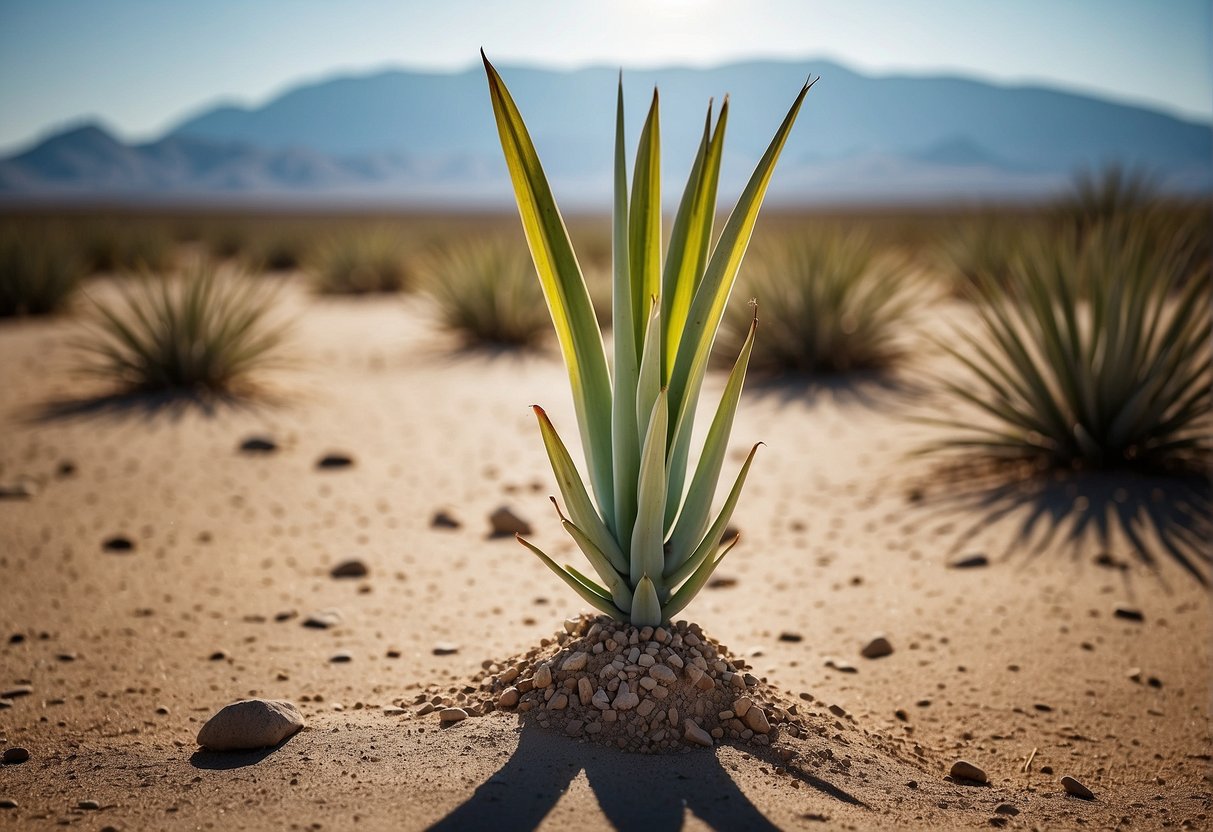
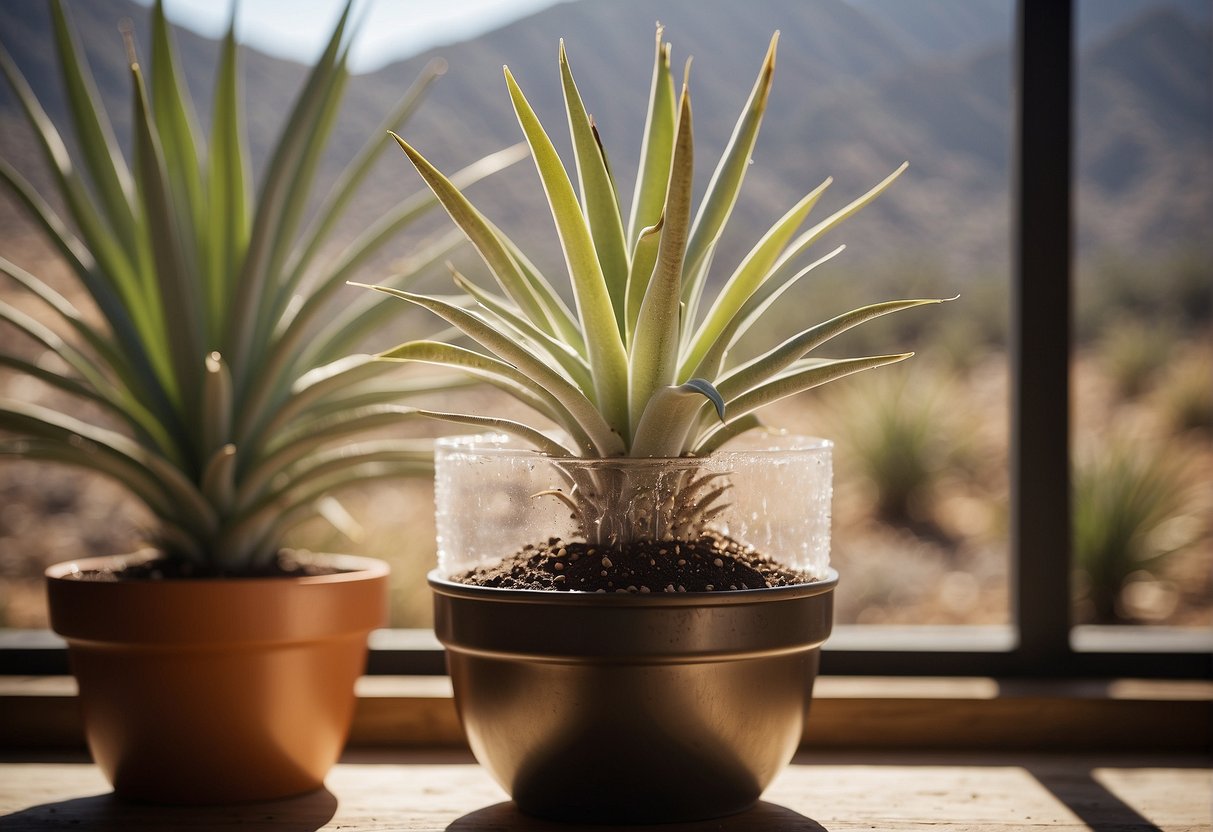
Yucca plants grow best in well-draining soil that is sandy or gritty. If you are planting yucca in the ground, make sure that the soil is well-drained and not too heavy. If you are planting yucca in a pot, use a potting mix that is specifically formulated for cacti and succulents. Yucca plants prefer full sun, so make sure to plant them in a location that receives at least six hours of direct sunlight per day.
Watering and Maintenance
Yucca plants are drought-tolerant and require minimal watering. Water your yucca plant only when the soil is completely dry. Overwatering can cause root rot, so it is important to make sure that the soil is well-draining and not too moist. Yucca plants are low-maintenance and do not require much pruning. However, if you need to prune your yucca plant, use a sharp knife and make clean cuts.
Propagation and Pruning
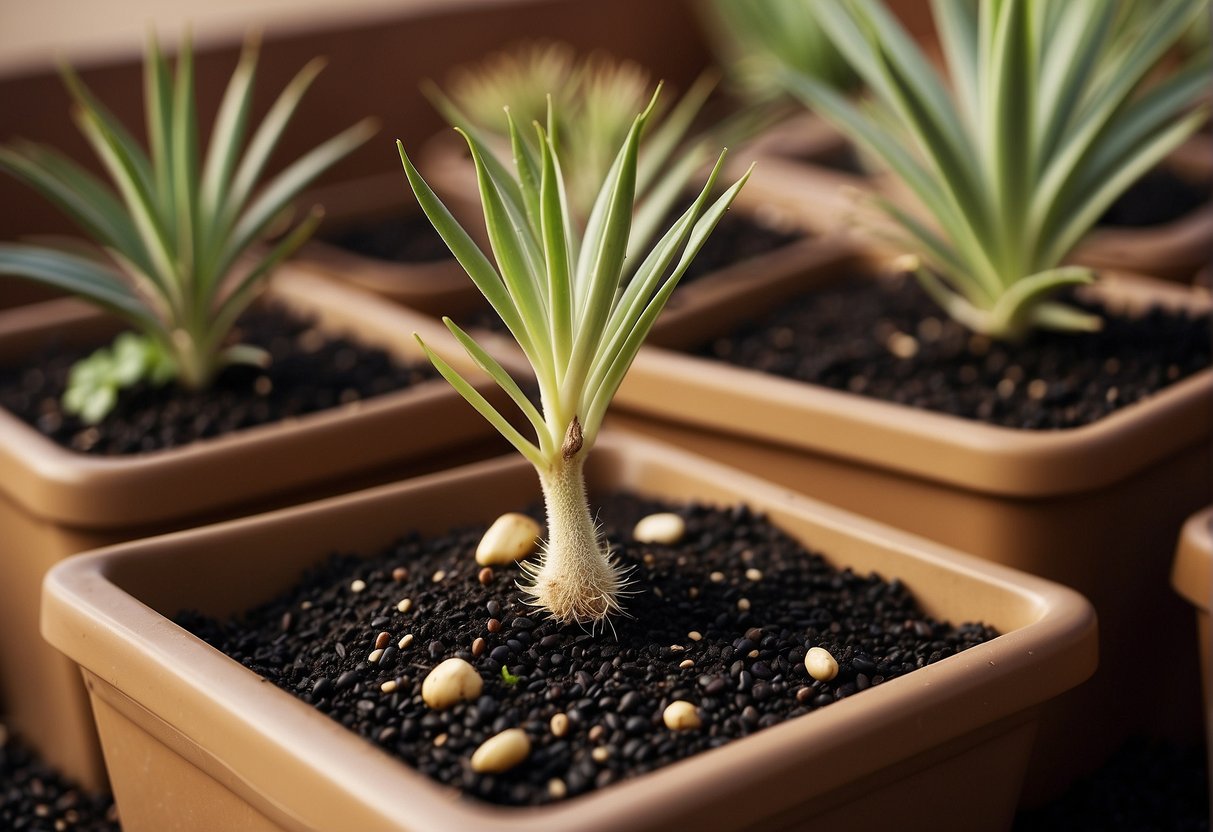
Yucca plants can be propagated by offsets or by seed. To propagate by offsets, use a sharp knife to cut the offset from the mature plant and plant it in a well-draining soil mix. To propagate by seed, sow the seeds in a well-draining soil mix and keep them moist until they sprout. Yucca plants can be grown in containers, but make sure that the container is large enough to accommodate the mature plant. Yucca plants typically take several years to mature and start flowering. When they do flower, the blooms are fragrant and attractive.
Frequently Asked Questions
What are the ideal conditions for growing a yucca plant indoors?
Yucca plants thrive in bright, indirect light and prefer well-draining soil. They can tolerate a wide range of temperatures, but they prefer warmer temperatures above 60°F. Keep the soil consistently moist, but avoid overwatering as this can lead to root rot.
What are common issues with yucca plants outdoors and how can they be addressed?
Yucca plants are susceptible to root rot and fungal diseases when grown in poorly draining soil. They can also be damaged by frost and extreme temperatures. To prevent these issues, make sure to plant yucca in well-draining soil and protect them from extreme weather conditions.
How can you propagate a yucca plant from cuttings?
Yucca plants can be propagated from stem cuttings. Take a cutting from the stem of a healthy plant and allow it to dry for a few days. Plant the cutting in well-draining soil and keep it moist until it establishes roots.
What factors influence the growth rate of yucca plants in pots?
The growth rate of yucca plants in pots can be influenced by factors such as the size of the pot, the quality of the soil, and the amount of light the plant receives. To promote healthy growth, make sure to plant yucca in a pot that is large enough to accommodate its roots and use a high-quality, well-draining soil.
How should yucca plants be cared for to ensure healthy growth in the ground?
Yucca plants should be planted in well-draining soil and watered regularly to keep the soil moist. They prefer full sun to partial shade and can tolerate a wide range of temperatures. Mulching around the base of the plant can help retain moisture and protect the roots.
What are the benefits of having a yucca plant indoors?
Yucca plants are known for their air-purifying properties and can help remove toxins from the air. They are also low-maintenance and can add a unique aesthetic to any indoor space.
Hi Lovelies ! I made this blog to share my tips about Home Improvement, Children, Pets, Food, Gadgets, Automotive, Health & Beauty, and ways to be frugal while maintaining a natural lifestyle. Interested to be a Guest Blogger on my website? Please email me at: [email protected]