Home » Blog » How to Grow Firebush from Seed: A Step-by-Step Guide
How to Grow Firebush from Seed: A Step-by-Step Guide
December 27, 2024
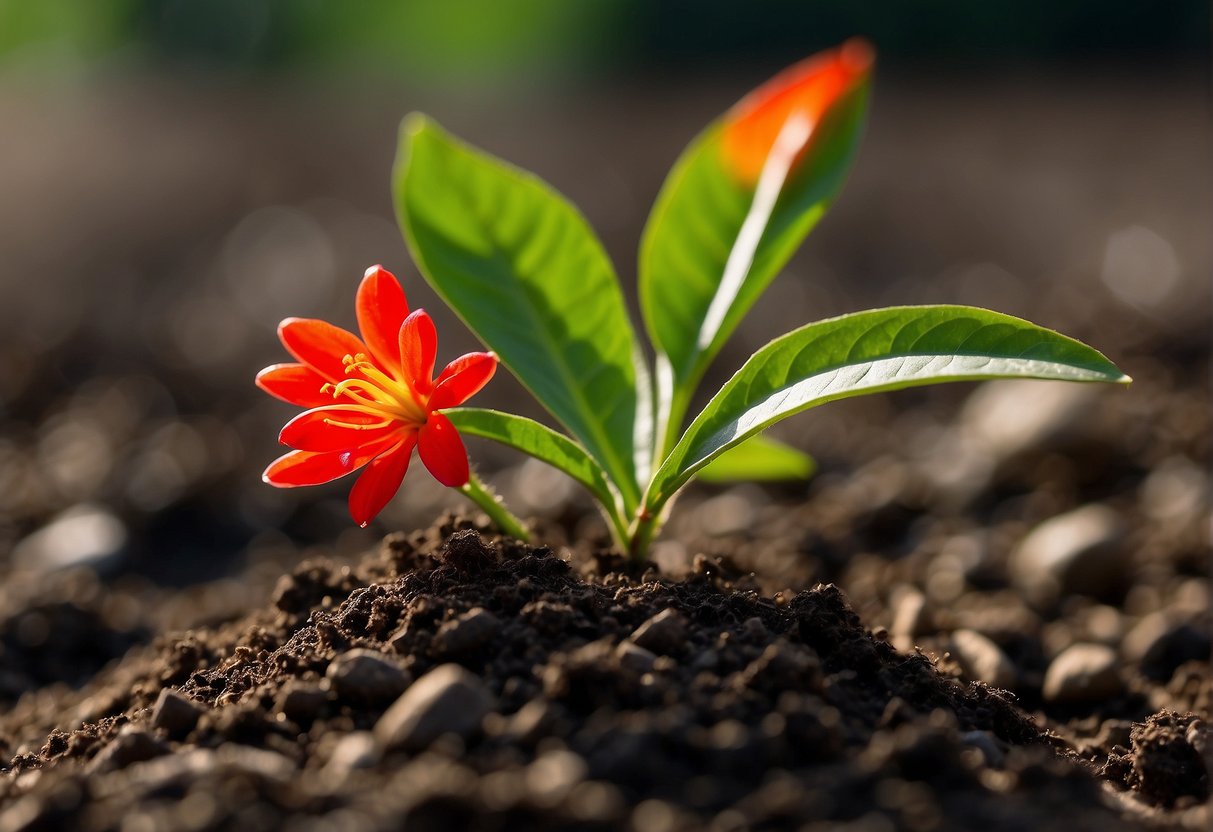
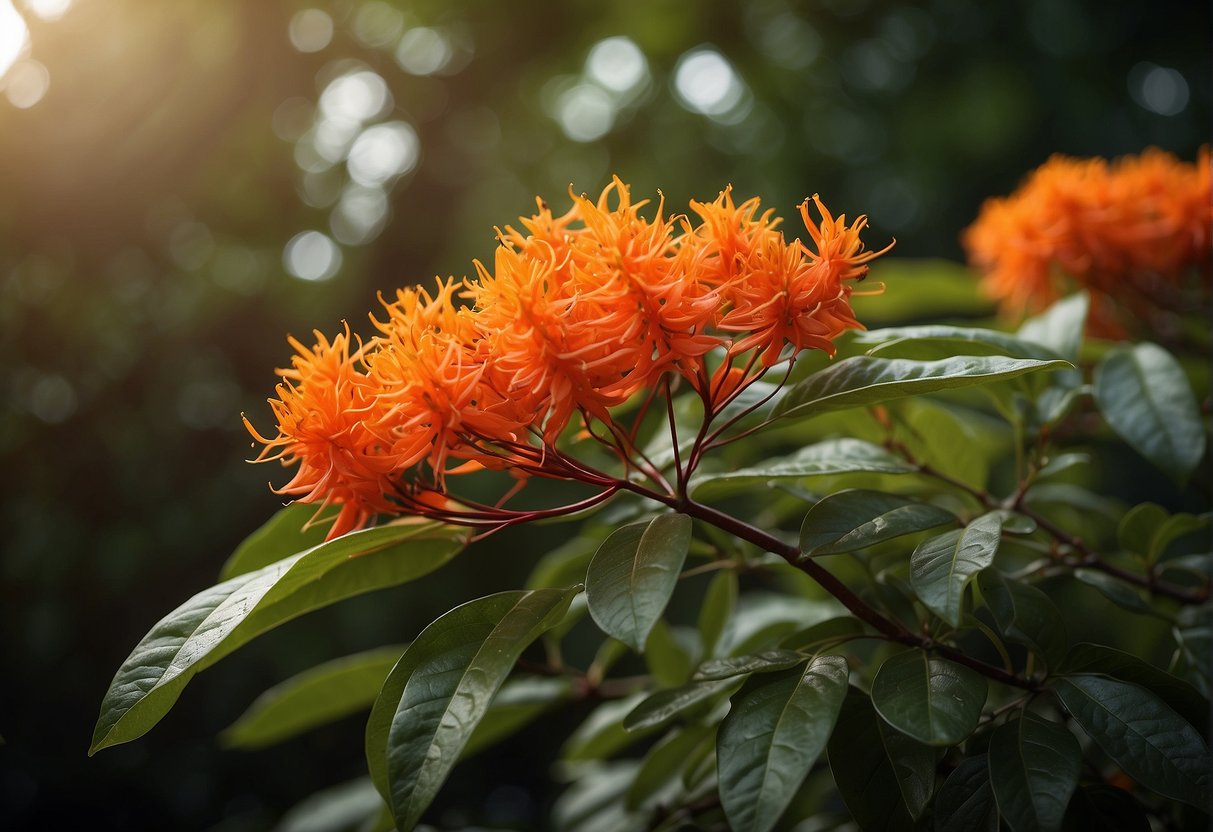
Cultivating firebush by starting from seeds is a fantastic method for introducing vibrant hues to your garden or backyard. Known scientifically as Hamelia patens, firebush is a tropical shrub that blooms with vivid red and orange tubular blossoms. These blossoms are magnets for hummingbirds and butterflies, rendering firebush a favored plant among those who love to garden.
Before planting firebush seeds, it is important to prepare the soil. Firebush prefers well-draining soil that is rich in organic matter. You can improve the soil quality by adding compost or aged manure. Additionally, firebush requires full sun to partial shade and regular watering to thrive.
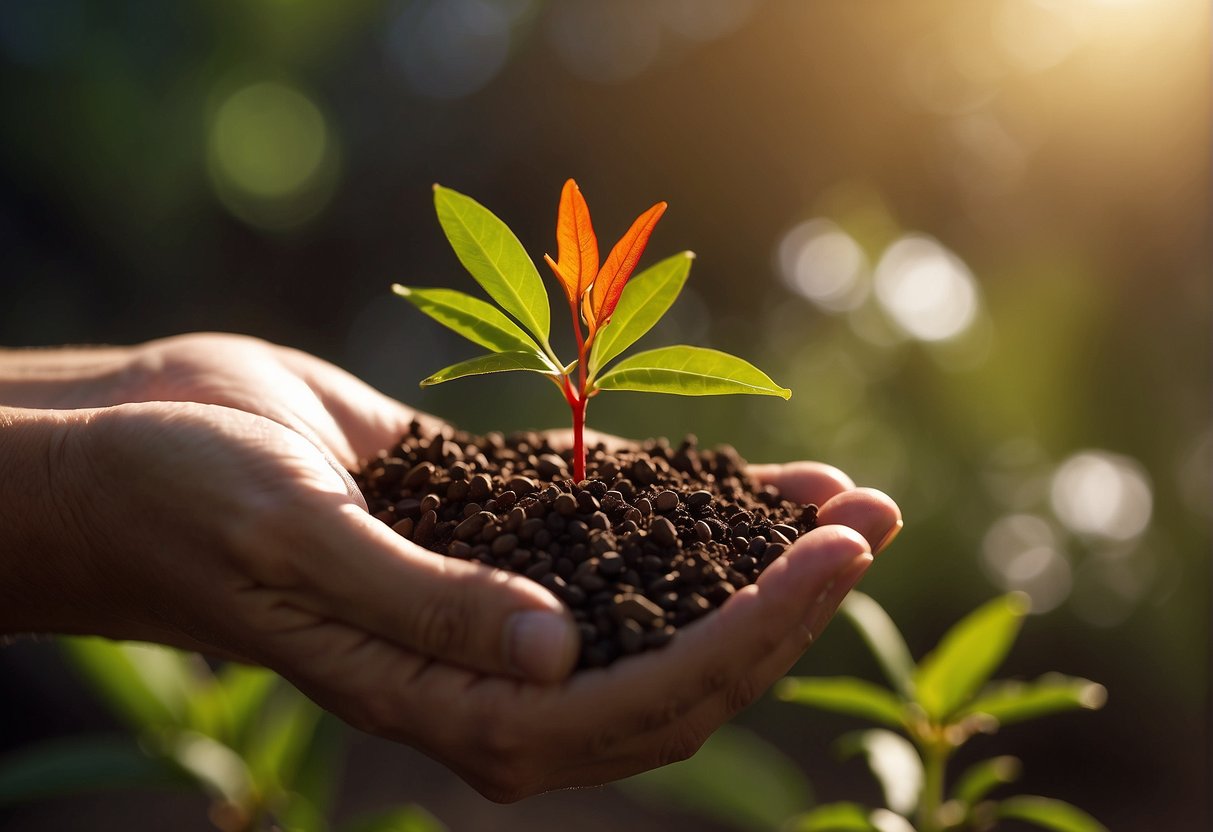
Once you have prepared the soil, you can plant the firebush seeds. It is recommended to plant the seeds in the spring after the last frost. After planting, it is important to keep the soil moist until the seeds germinate. Once the seedlings have emerged, you can begin to fertilize and prune them to encourage healthy growth.
Key Takeaways
Firebush is a tropical shrub that produces vibrant red and orange flowers.
To grow firebush from seed, prepare the soil with organic matter and plant the seeds in the spring after the last frost.
Firebush requires full sun to partial shade and regular watering to thrive.
Preparing for Planting
Before planting firebush from seed, it is important to properly prepare the soil and container to ensure optimal growing conditions. Follow these steps to prepare for planting:
Selecting Quality Seeds
When selecting firebush seeds, choose high-quality seeds from a reputable supplier. Look for seeds that are plump, firm, and free from cracks or blemishes.
Soil and Container Preparation
Firebush requires well-draining soil with a high organic content. A mixture of potting soil, peat moss, and perlite is ideal for planting firebush seeds. Fill a seed tray or container with the soil mixture, leaving about a half inch of space at the top.
Optimal Growing Conditions
Firebush thrives in full sun, but can tolerate partial shade. It prefers a warm, humid environment and is best suited for hardiness zones 9-11. If you live in a cooler climate, consider starting the seeds indoors or using a greenhouse.
Planting Techniques
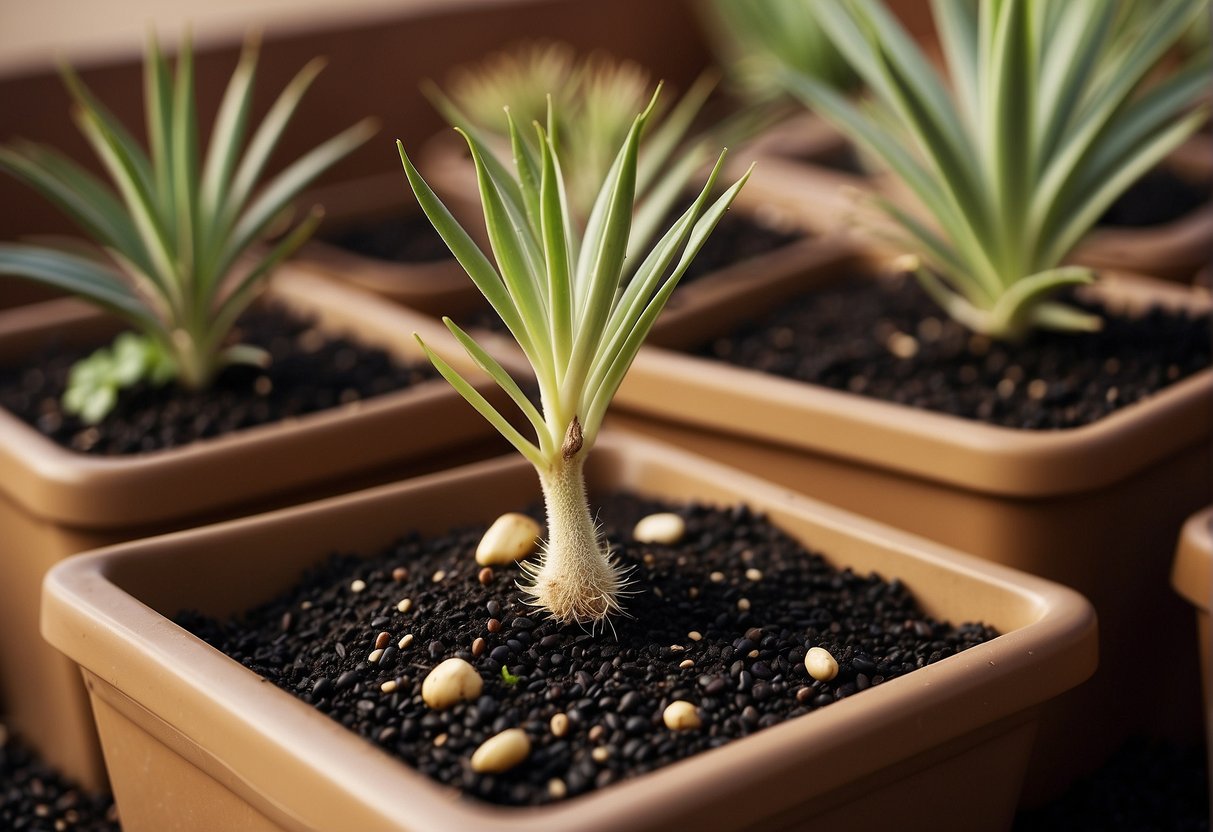
To plant firebush seeds, make a shallow indentation in the soil with your finger or a pencil. Place the seed in the indentation and cover it with a thin layer of soil. Mist the soil with water to keep it moist, but not waterlogged.
Caring for Seedlings
Once the seeds have germinated and true leaves have formed, it is time to transplant the seedlings into larger containers or into the ground. Be sure to mist the seedlings regularly to maintain humidity and fertilize them every two weeks with a balanced fertilizer. When transplanting, be gentle to avoid damaging the delicate roots.
Maintenance and Growth
Pruning and Shaping
Firebush is a woody shrub that can grow into a small tree or large shrub. To keep it in shape, pruning is necessary. Prune firebush in late winter or early spring before new growth appears. Trim back the tips of the branches to encourage bushier growth. Firebush can also be trained to grow on a trellis or as a hedge.
Pest and Disease Management
Firebush is generally pest and disease resistant, but it can be susceptible to mites and aphids. To control pests, spray the plant with neem oil or use other organic pest control methods. Firebush can also be affected by fungal diseases, which can be prevented by providing good air circulation and avoiding overhead watering.
Encouraging Blooming
Firebush blooms throughout the year, but it can be encouraged to bloom more heavily by providing full sun exposure and regular fertilization. Use a balanced fertilizer every six weeks during the growing season to promote healthy growth and abundant blooms.
Propagation Methods
Firebush can be easily propagated from stem cuttings. Take a cutting from the tip of a branch, dip it in rooting hormone, and plant it in a well-draining potting mix. Keep the soil moist and the cutting in a warm, bright location until new growth appears. Firebush can also be propagated by layering or by division.
Attracting Wildlife
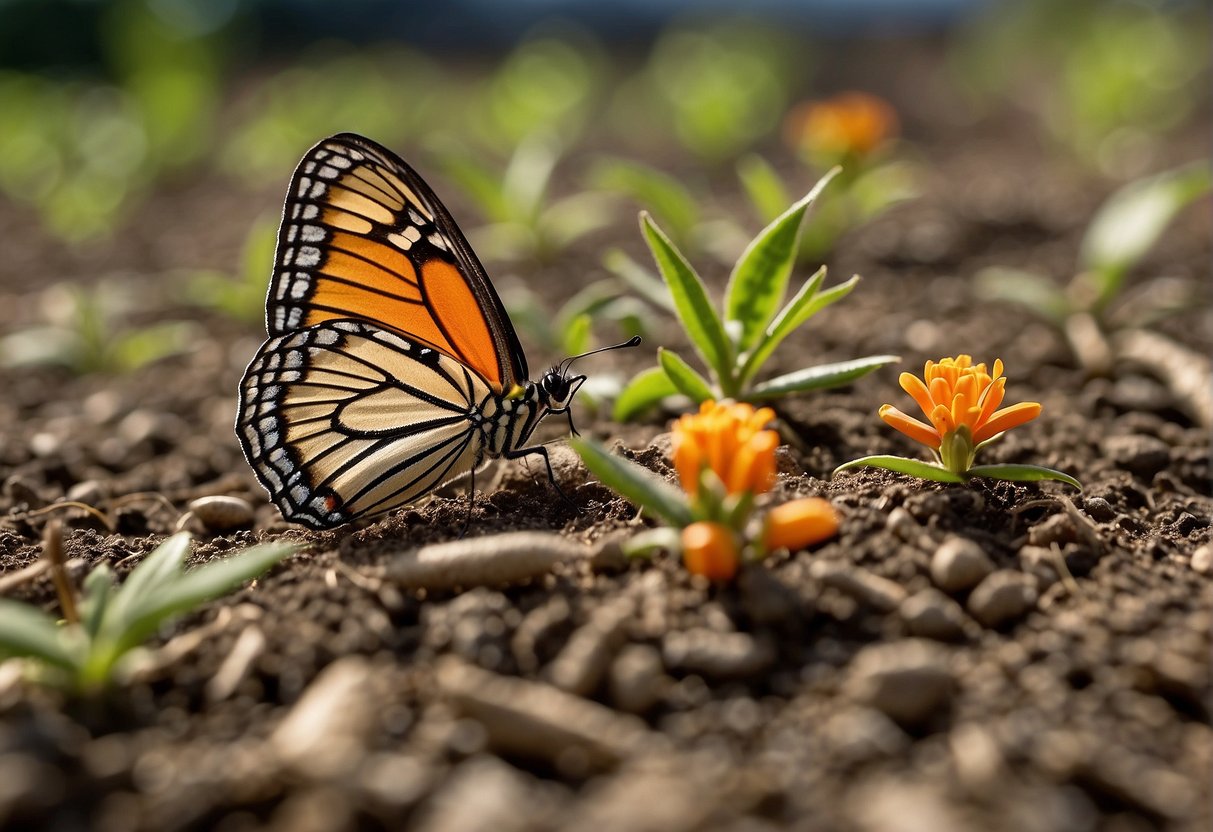
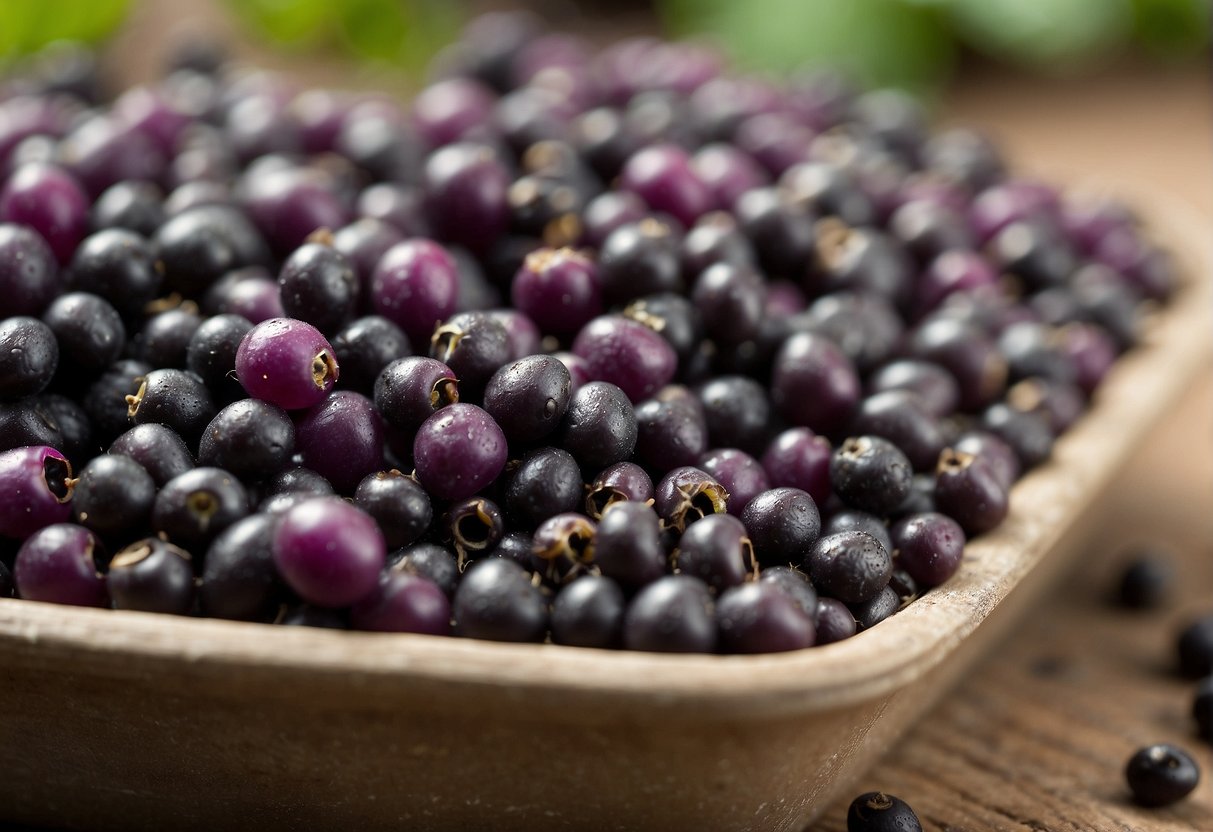
Firebush is a favorite of pollinators, such as butterflies, hummingbirds, bees, and moths. Plant firebush in your garden to attract these beneficial creatures. Firebush also produces small berries that are eaten by birds and other wildlife.
Frequently Asked Questions
What is the ideal germination time for firebush seeds?
Firebush seeds typically germinate within 7-14 days after planting. However, the germination time may vary depending on the environmental conditions, such as temperature and humidity.
What are the steps for propagating firebush in soil?
To propagate firebush in soil, you should first fill a pot with a well-draining potting mix. Then, plant the seeds about 1/4 inch deep in the soil. Water the soil lightly and keep it moist but not waterlogged. Place the pot in a warm, bright location, and wait for the seeds to germinate.
How often should firebush seedlings be watered?
Firebush seedlings should be watered regularly to keep the soil moist but not waterlogged. Water the soil when the top inch of soil feels dry to the touch.
What type of potting mix is best for growing firebush from seed?
Firebush seeds require a well-draining potting mix that is rich in organic matter. You can use a mix of peat moss, perlite, and vermiculite to create a suitable potting mix.
What conditions are necessary for firebush seed germination?
Firebush seeds require warm temperatures (around 70-80°F) and high humidity to germinate. You can create a humid environment by covering the pot with plastic wrap or a clear plastic dome.
How can you tell when firebush seeds are ready to be planted?
Firebush seeds are ready to be planted when they are mature and have turned brown or black in color. You can also gently squeeze the seed pod to check if it is dry and brittle.
Hi Lovelies ! I made this blog to share my tips about Home Improvement, Children, Pets, Food, Gadgets, Automotive, Health & Beauty, and ways to be frugal while maintaining a natural lifestyle. Interested to be a Guest Blogger on my website? Please email me at: [email protected]